Artwork
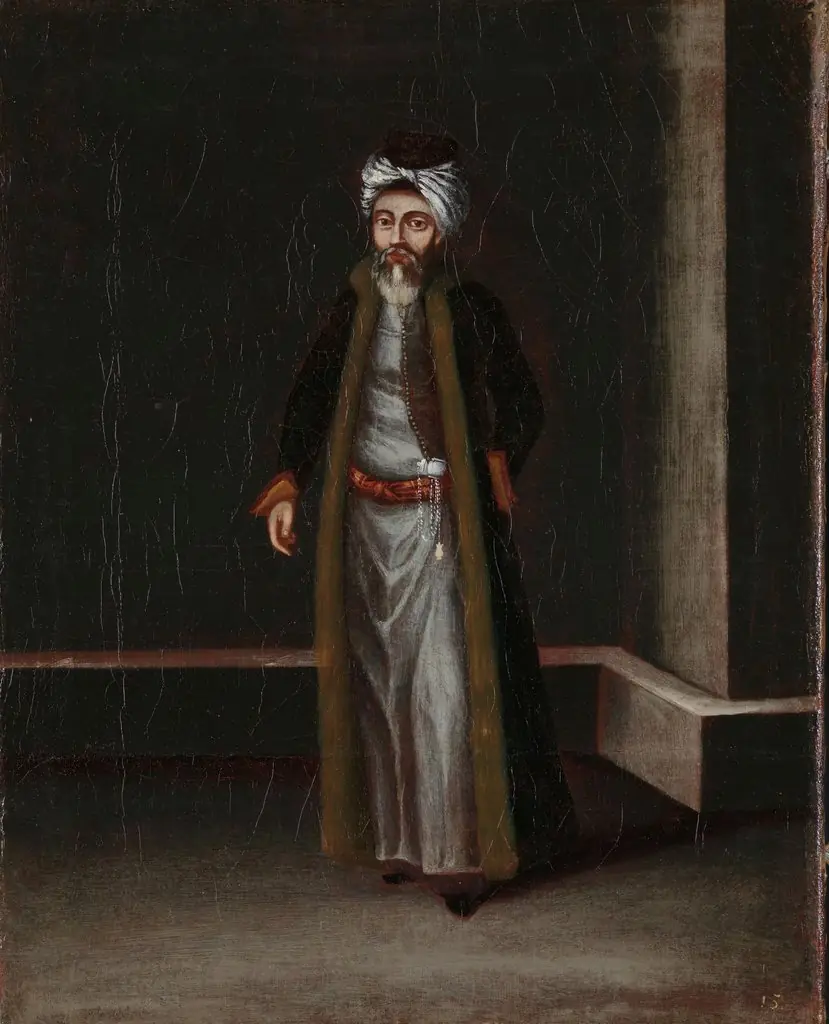
The Mufti, Supreme Religious Leader
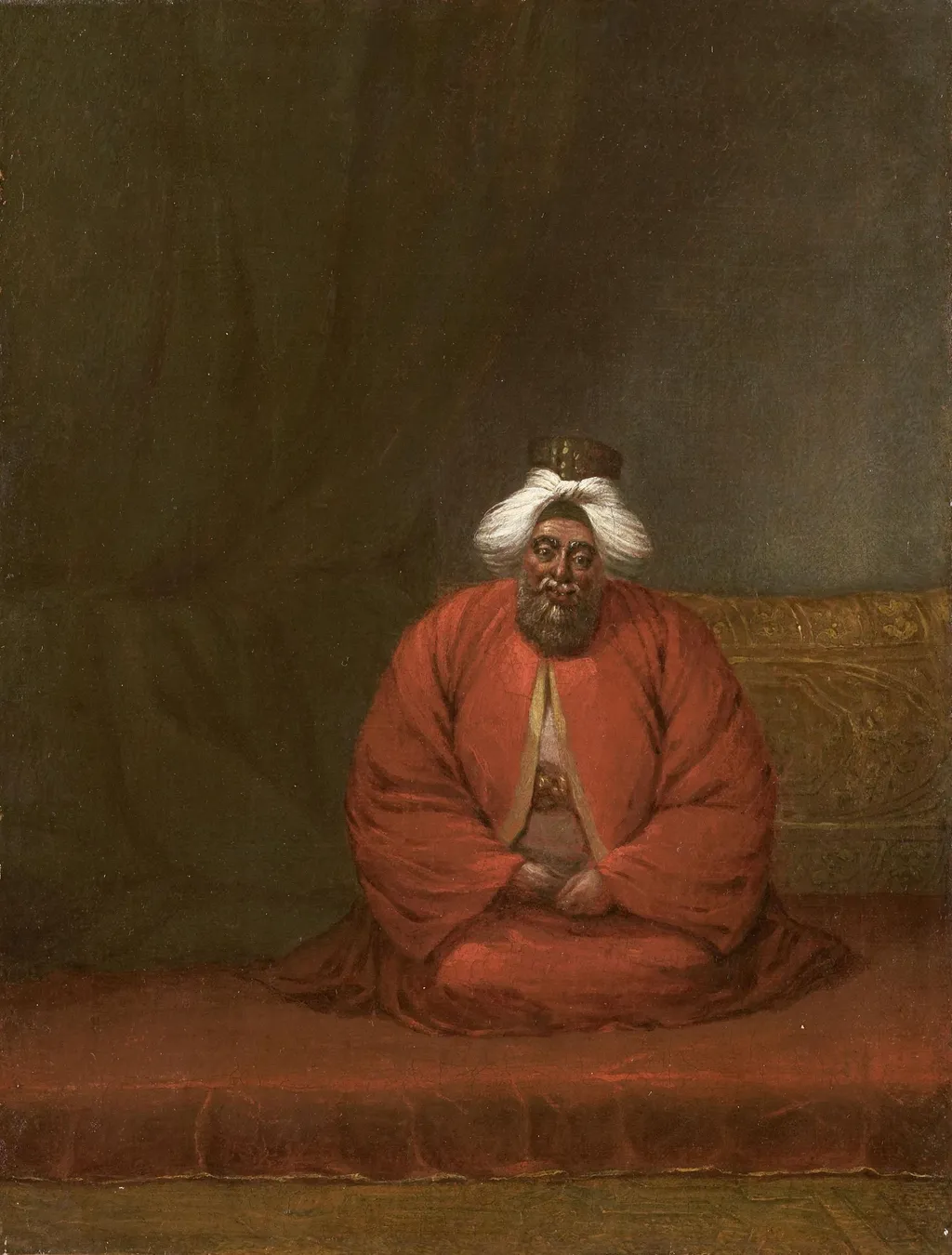
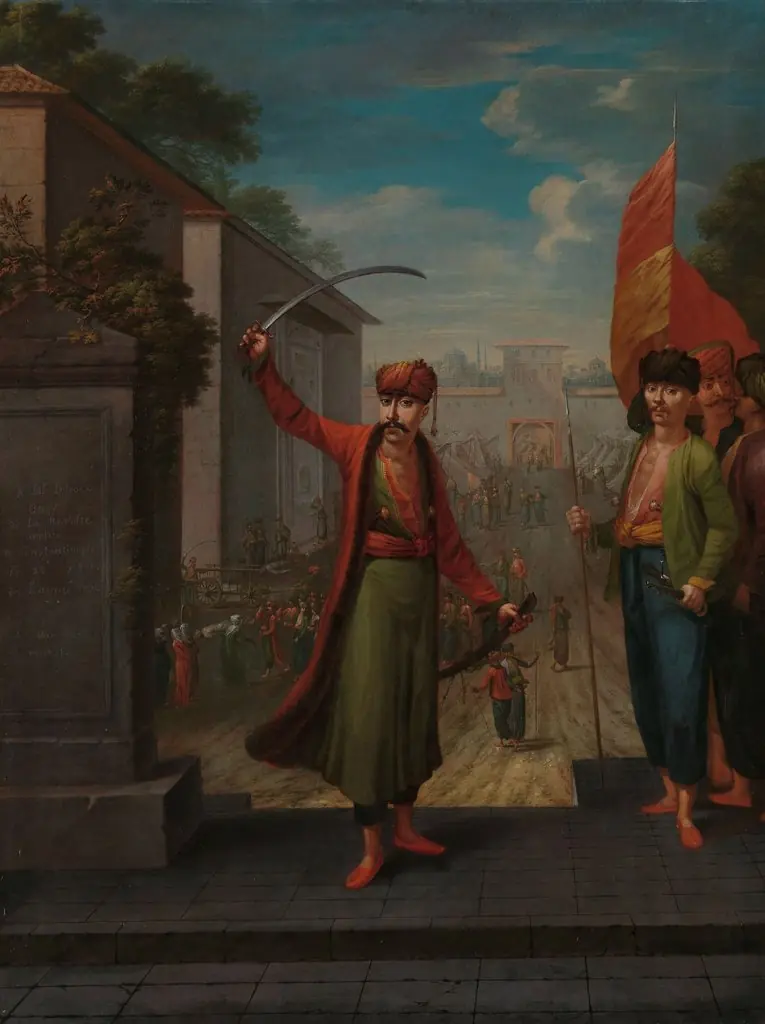
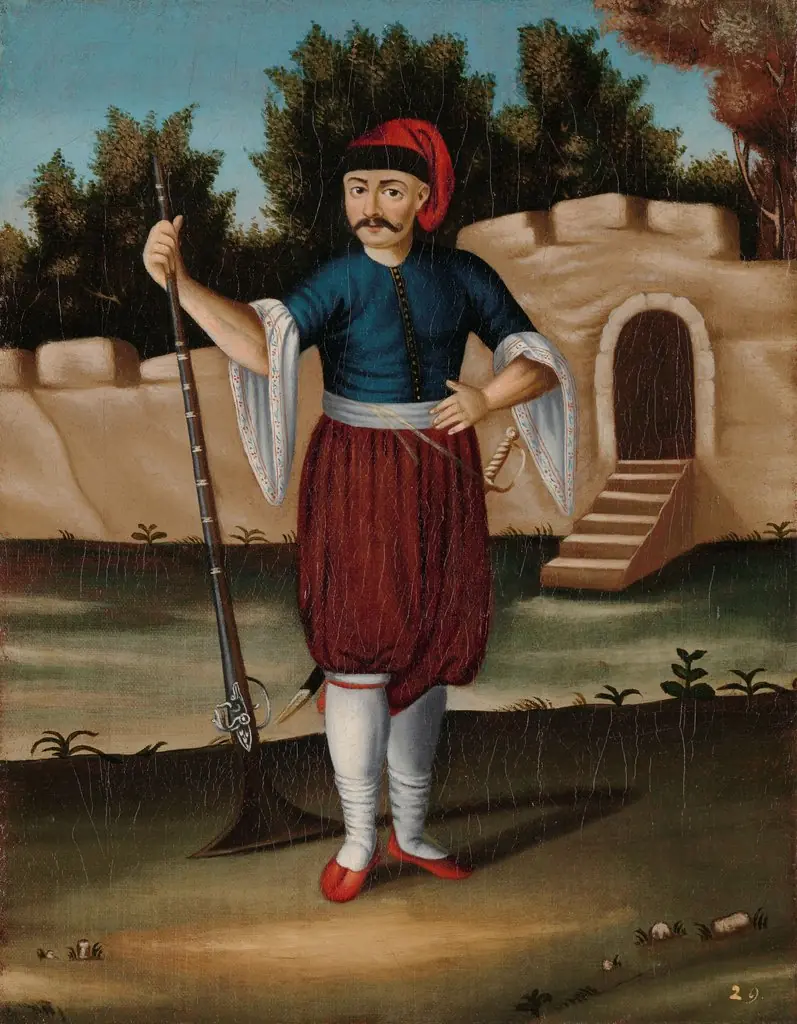
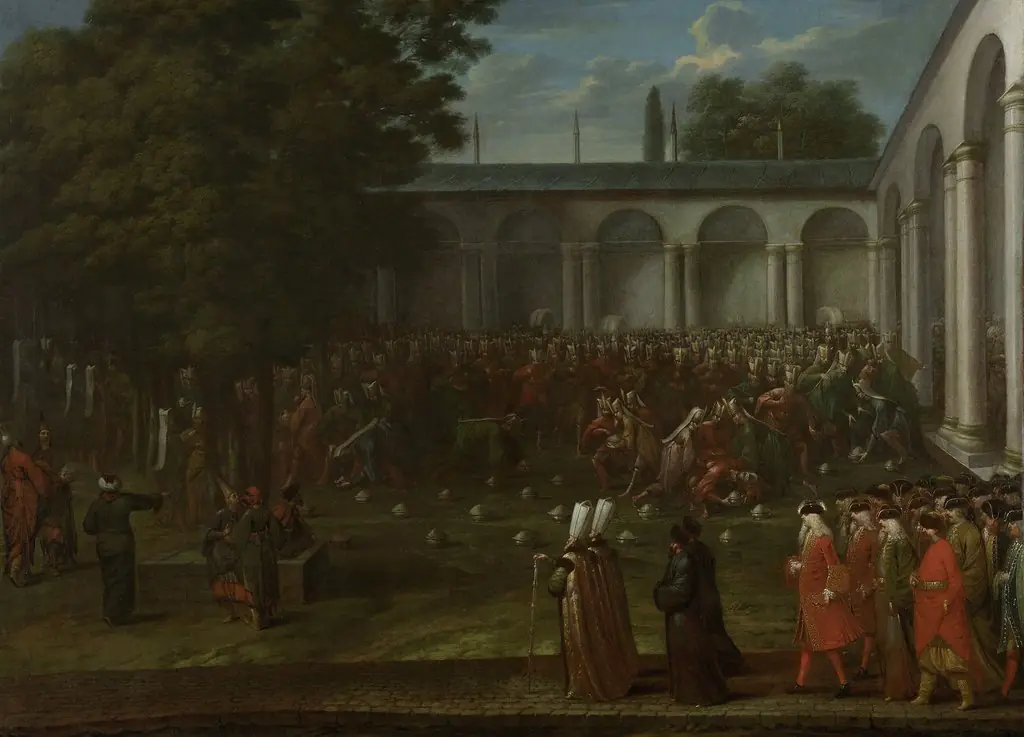
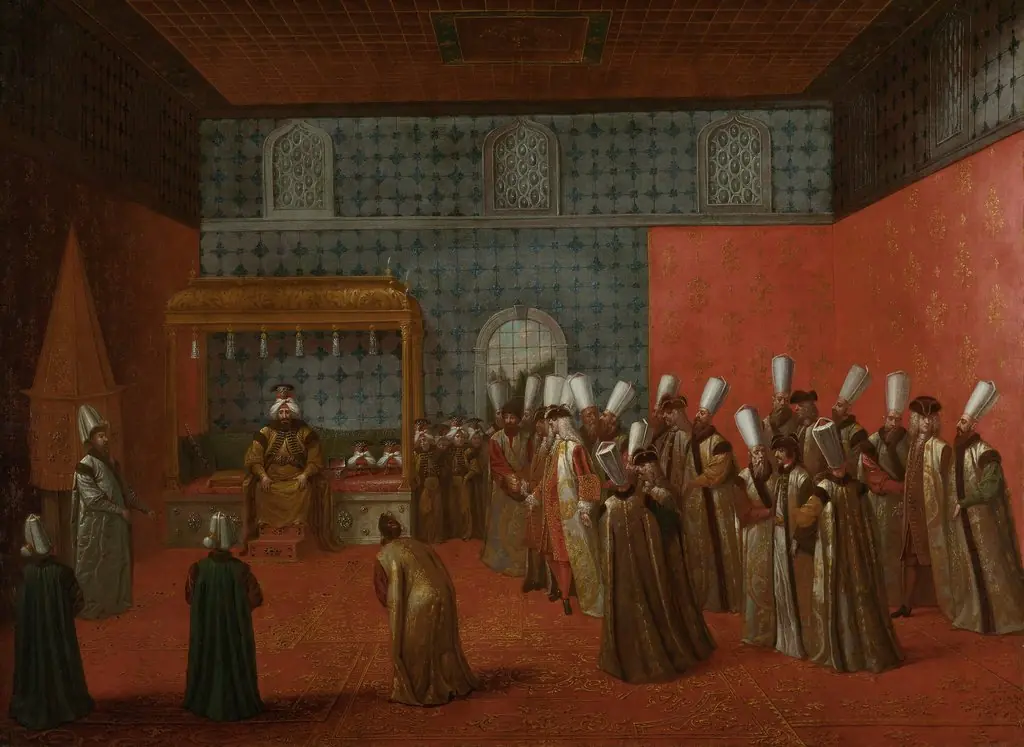
The Mufti, Supreme Religious Leader is an oil painting by the Rococo painting artist Jean Baptiste Vanmour. It dates from 1728 and is held in the collection of the Rijksmuseum.
About this work
Overview
Jean Baptiste Van Mour, a painter of Flemish origin who worked in France, completed an oil portrait in 1728 that depicts a senior Islamic jurist. The canvas is part of the Rijksmuseum’s holdings and reflects the artist’s focus on Ottoman subjects during the early eighteenth‑century Tulip Era.
Subject & Meaning
The sitter is presented as a mufti, a high‑ranking religious authority in the Islamic world. He is shown seated on a low platform, cross‑legged, his gaze directed outward, suggesting both solemnity and a degree of personal engagement with the viewer.
Technique & Style
Executed in oil, the work employs a stark contrast between a luminous red robe and a darkened background, a chiaroscuro effect that heightens the figure’s three‑dimensional presence. The delicate rendering of fabric and facial features aligns the painting with the Rococo’s attention to surface detail and refined coloration.
Context
Van Mour’s career was defined by his documentation of Ottoman court life under Sultan Ahmed III, a period known for cultural flourishing and diplomatic exchange with Europe. This portrait exemplifies the Western fascination with Eastern officials during that era, serving both as a visual record and a cultural bridge.
History & Provenance
Since its creation, the painting has remained in European collections and is now displayed by the Rijksmuseum in Amsterdam, where it contributes to the institution’s representation of cross‑cultural portraiture from the early modern period.
Own this work as a print
Artist & collection
Artist
Jean Baptiste Vanmour or Van Mour (9 January 1671 – 22 January 1737) was a Flemish-French painter, remembered for his detailed portrayal of life in the Ottoman Empire during the Tulip Era and the rule of Sultan Ahmed III.