Artwork
Surrender of Tortosa, January 2, 1811
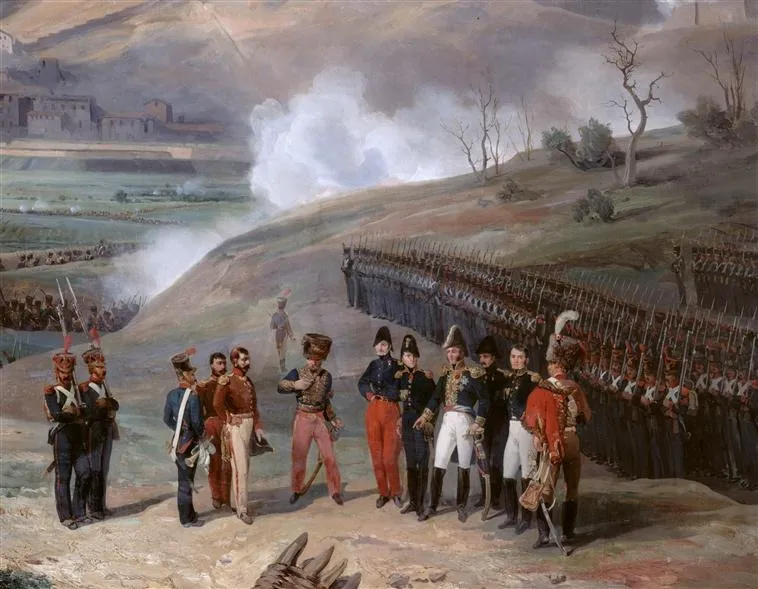
Surrender of Tortosa, January 2, 1811 is an oil painting by Jean-Charles-Joseph Rémond. It dates from 1837 and is held in the collection of the Palace of Versailles.
About this work
Overview
Jean‑Charles‑Joseph Rémond’s oil painting *Surrender of Tortosa, January 2, 1811* was completed in 1837. The canvas records a moment from the Napoleonic wars when the fortified Spanish city of Tortosa capitulated. The work is part of the collection displayed at the Palace of Versailles, illustrating the artist’s interest in combining landscape with historical narrative.
Subject & Meaning
The composition centers on a group of uniformly dressed soldiers positioned on a rocky rise, their bright red, blue and white coats contrasting with the muted terrain. Behind them a dense line of rifle‑men forms a defensive wall, while distant smoke hints at ongoing combat. The scene conveys the orderly surrender of a fortified place, emphasizing military order amid the chaos of battle.
Technique & Style
Rémond employs a clear, academic approach typical of early‑19th‑century French history painting. Precise brushwork renders the gleaming buttons and tall shakos of the troops, while a softer palette models the surrounding landscape. The artist balances detailed figuration with atmospheric effects, such as the hazy plume of smoke, to integrate human action within a broader topographical setting.
History & Provenance
A former student of Jean‑Victor Bertin and Jean‑Baptiste Regnault, Rémond earned the Prix de Rome in 1821, establishing his reputation for landscape‑history works. After completing this canvas in 1837, it entered the royal collection and now resides at the Palace of Versailles. The artist ceased exhibiting publicly after 1848, and few of his later works survive.
Context
The surrender depicted occurred during the Peninsular War, when French forces secured Tortosa after a protracted siege. Rémond’s choice to portray the event reflects contemporary French interest in celebrating military victories and the orderly conduct of troops. The painting also mirrors the period’s fascination with precise, documentary‑style representations of recent history.
Artist & collection
Artist
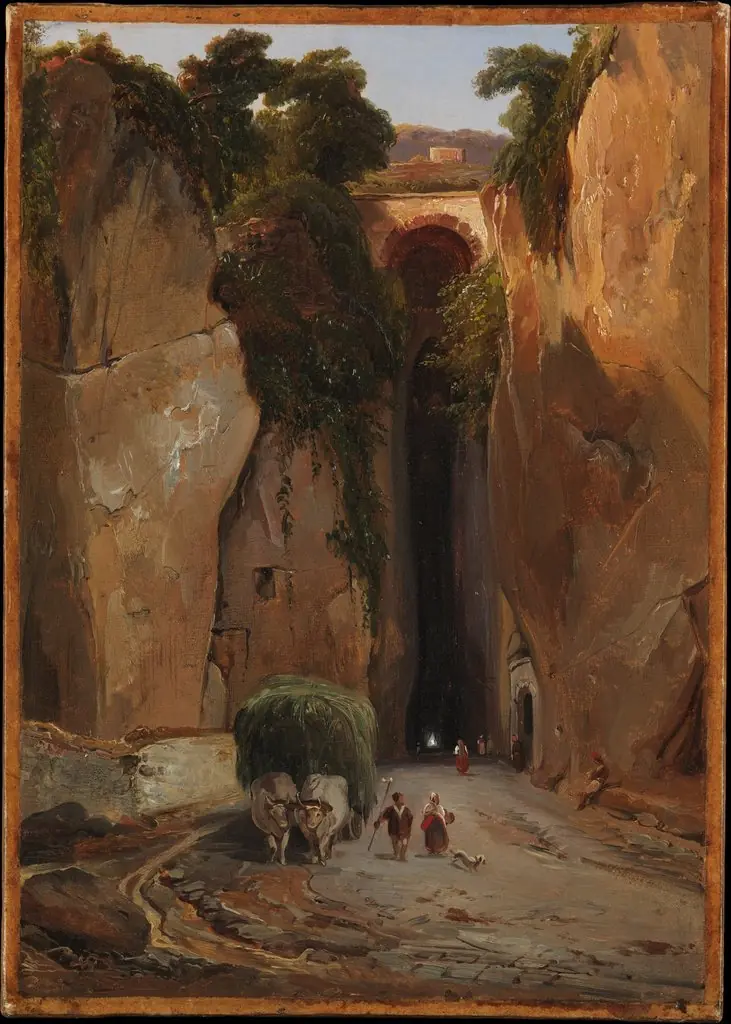
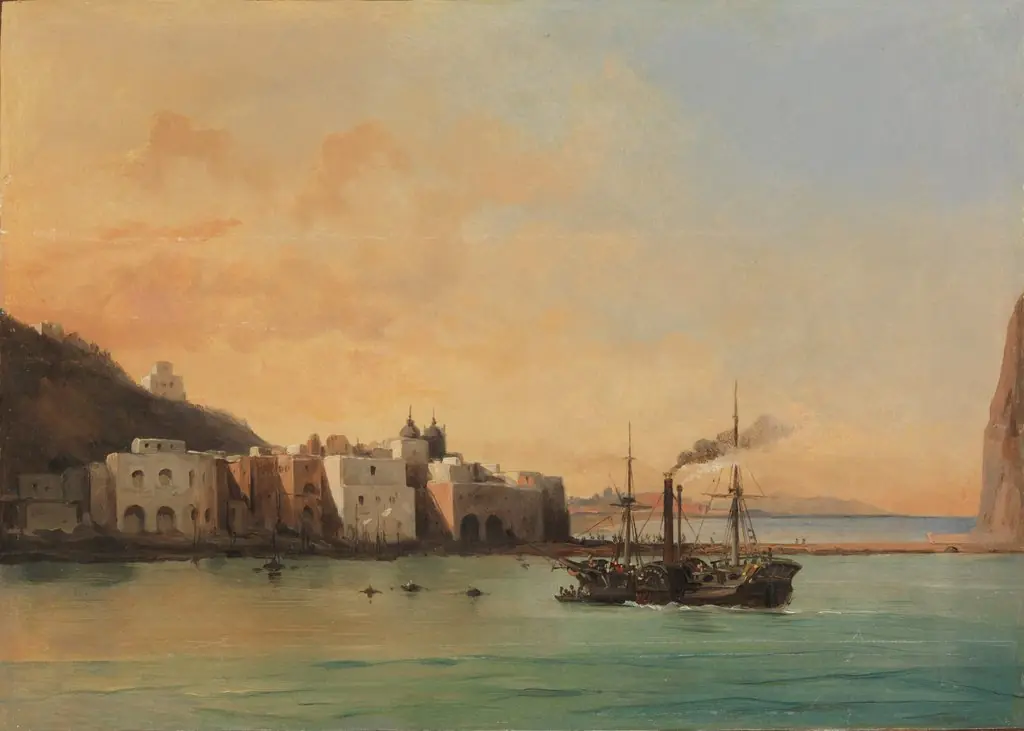
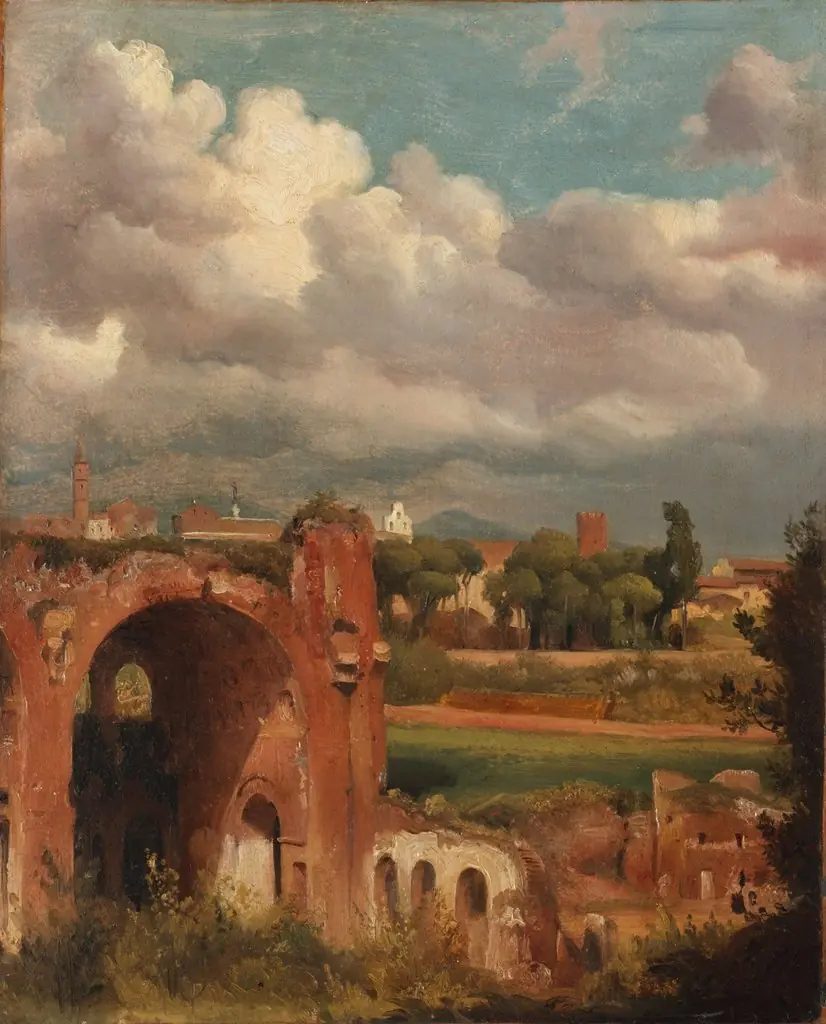
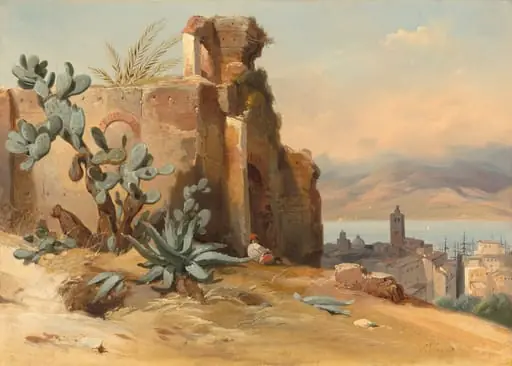
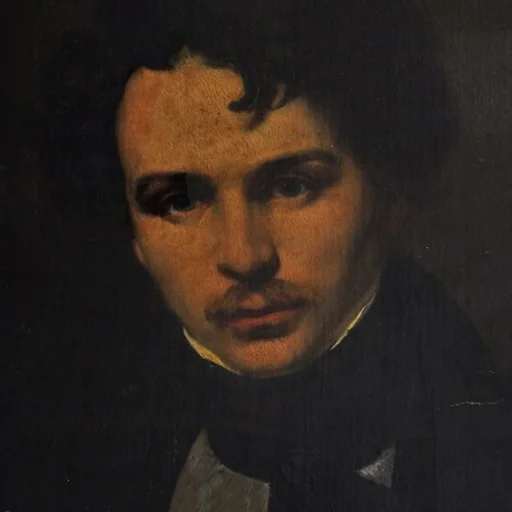
Jean-Charles-Joseph Rémond (born in Paris in 1795 and died in Paris in 1875) was a French painter, pupil of Jean-Victor Bertin and Jean-Baptiste Regnault.