Artwork
Willem Sautijn (1703-43), Alderman of Amsterdam
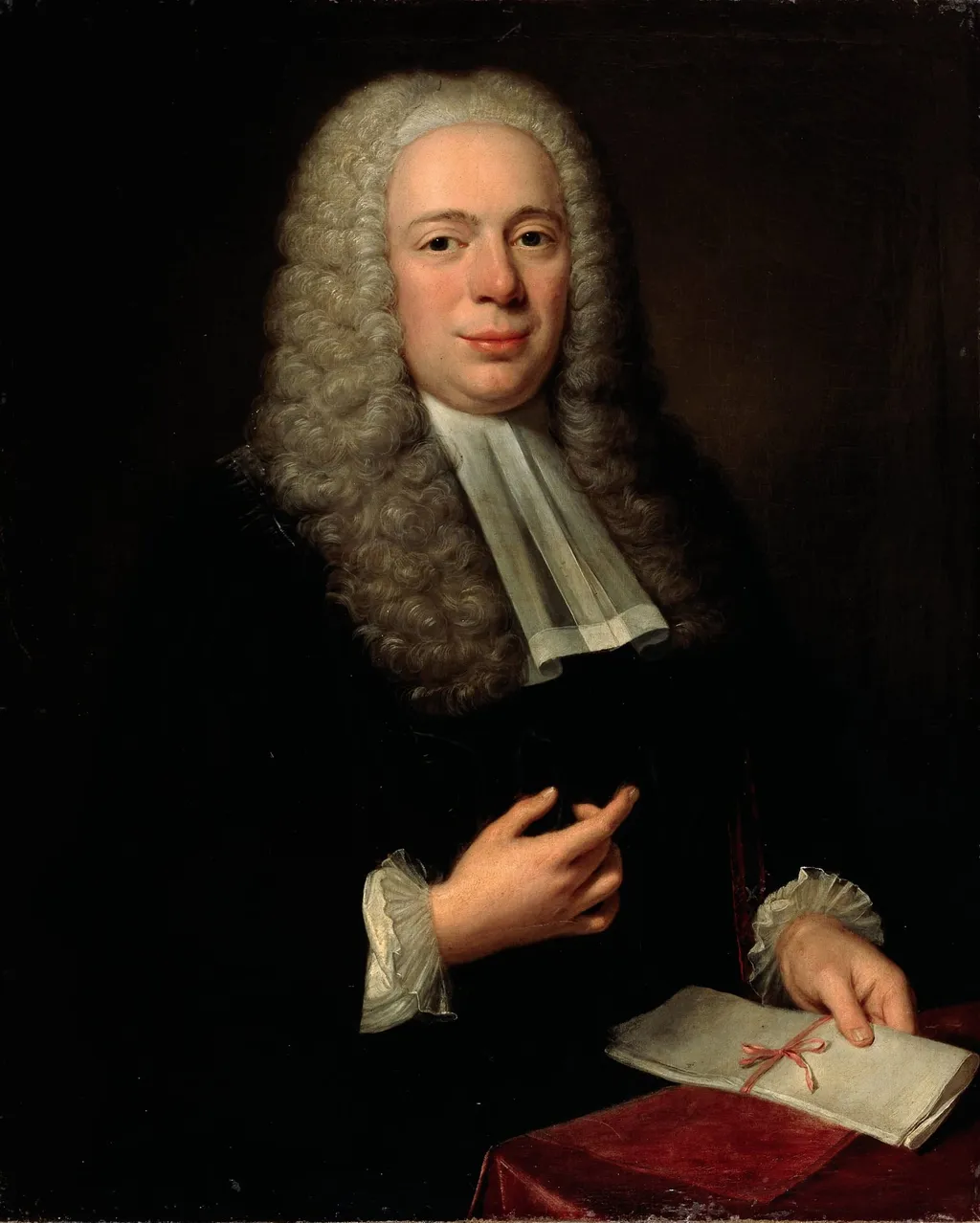
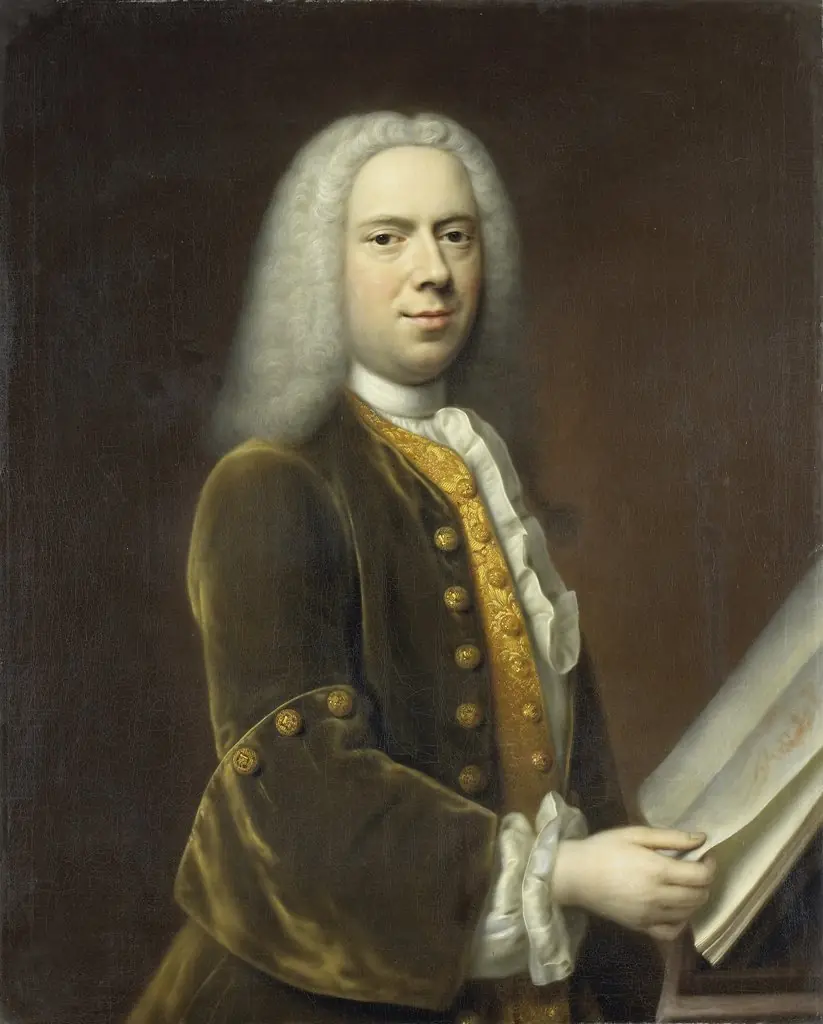
Willem Sautijn (1703-43), Alderman of Amsterdam is an unspecified painting by the Rococo painting artist Jean Fournier. It dates from 1734 and is held in the collection of the Rijksmuseum. This portrait depicts Willem Sautijn, an alderman of Amsterdam, in a formal standing pose, captured from the waist up beside a table.
About this work
Overview
This portrait depicts Willem Sautijn, an alderman of Amsterdam, in a formal standing pose, captured from the waist up beside a table. The subject is attired in a dark coat, holding a folded paper secured with a ribbon, likely indicating his official capacity.
Subject & Meaning
Willem Sautijn, the portrait's subject, held the position of alderman (schepen) in Amsterdam. The folded, ribbon-tied paper in his hand may symbolize an official document or seal, emphasizing his municipal role rather than personal character.
Technique & Style
While the artist remains unidentified, the painting's composition and attention to detail (such as the ribbon and paper) reflect common practices in 18th-century Dutch portraiture, prioritizing the subject's status.
History & Provenance
Created during Sautijn's lifetime (1703-43), the painting's origin and early ownership history are not specified, though its purpose was clearly to represent Sautijn's official standing.
Context
Comparisons with other 18th-century portraits of Amsterdam officials at institutions like the Rijksmuseum provide insight into the standard attire and symbolic elements used to depict municipal authority during this period.
Legacy
The portrait serves primarily as a historical record of Willem Sautijn's position within Amsterdam's governance, offering a glimpse into the representation of civic authority in early 18th-century Dutch art.
Own this work as a print
Artist & collection

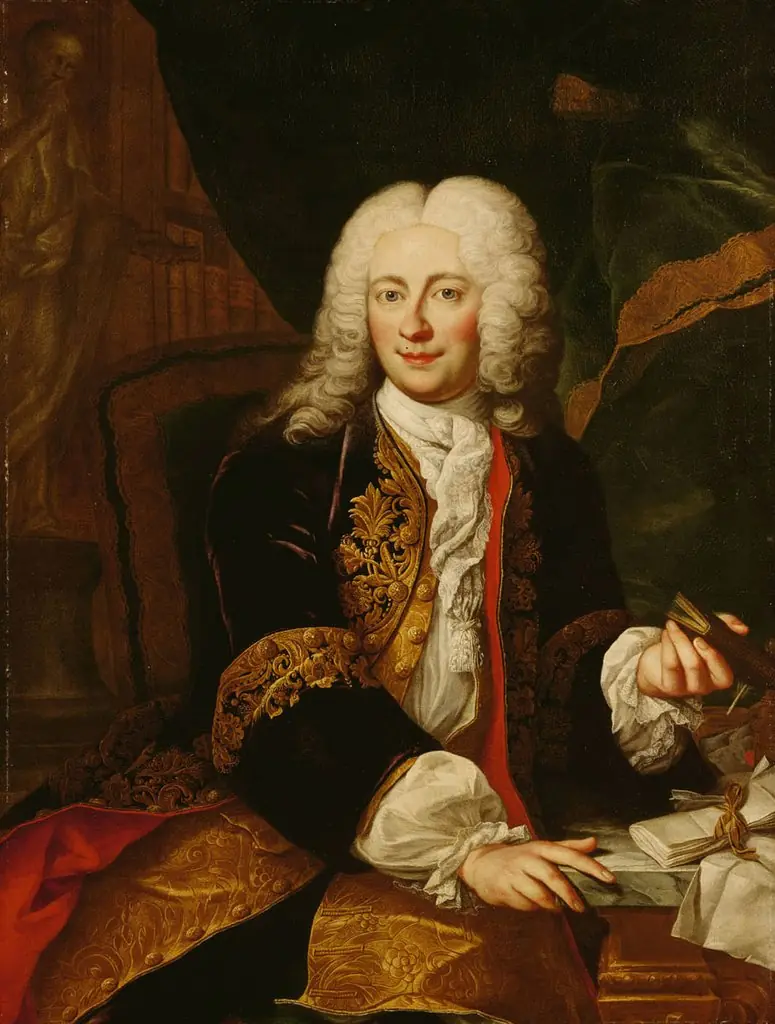 Portrait of Johann Christoph Freiherr von Bartenstein (1689-1767)
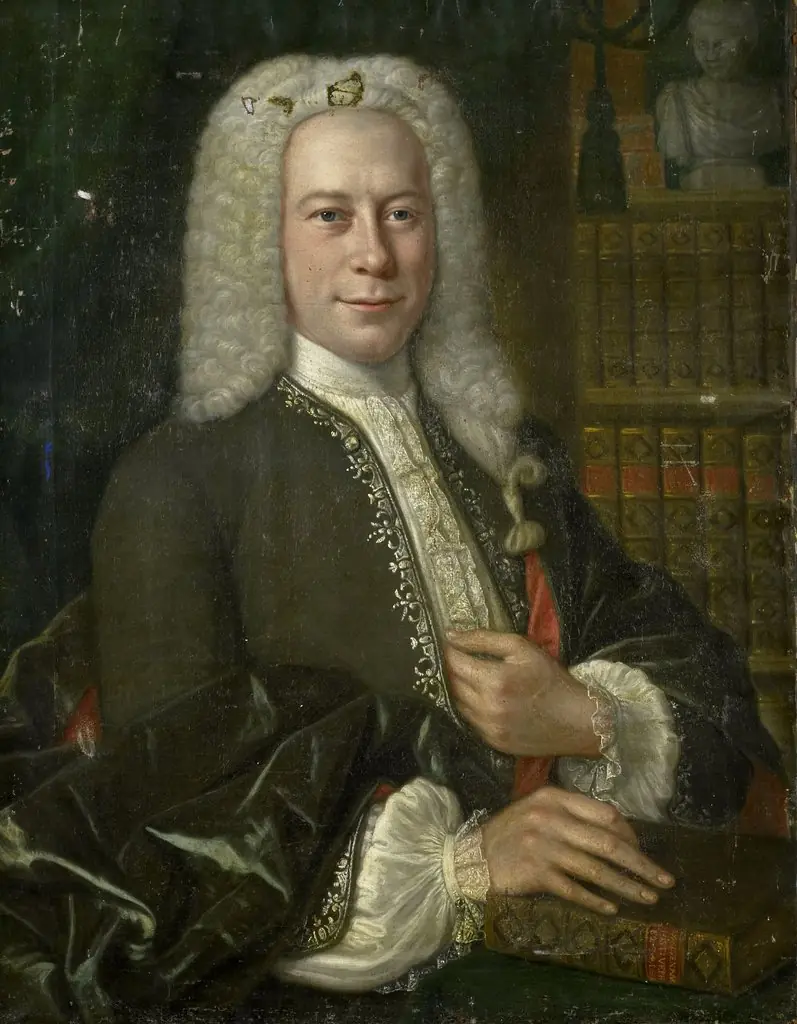 Portrait of an Historian
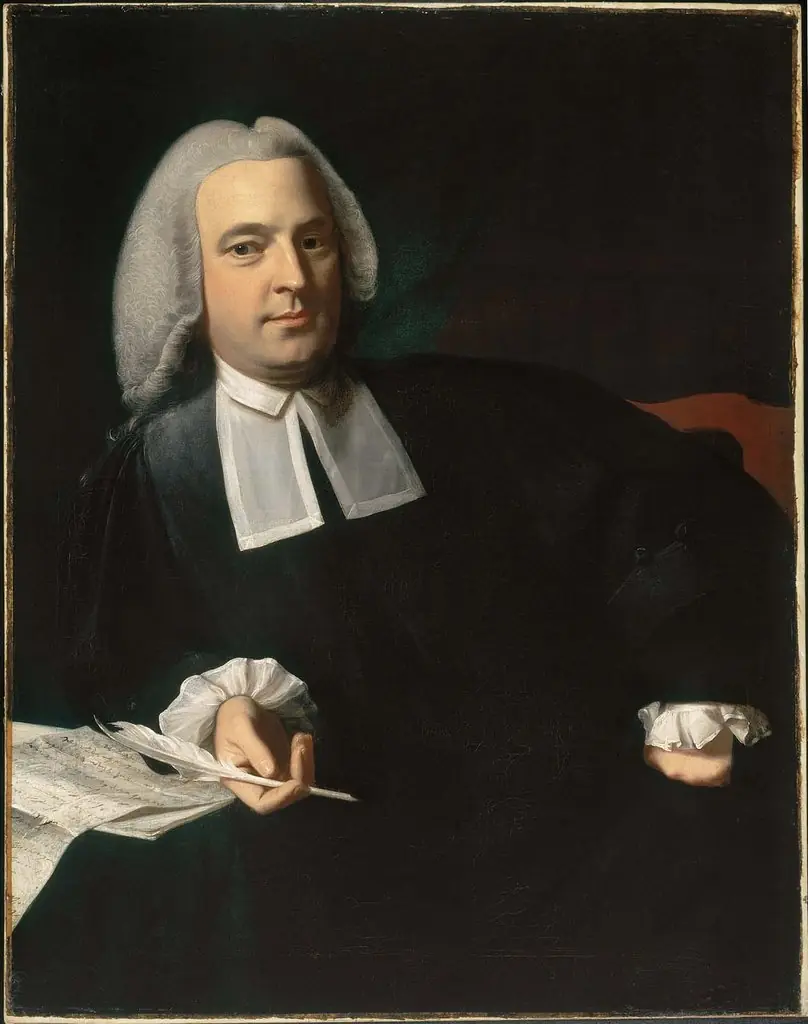 Samuel Quincy
 Portrait of a Man, probably Cornelis Troost
 Portrait of Pieter van de Poel
 Untitled
 José Patiño Rosales
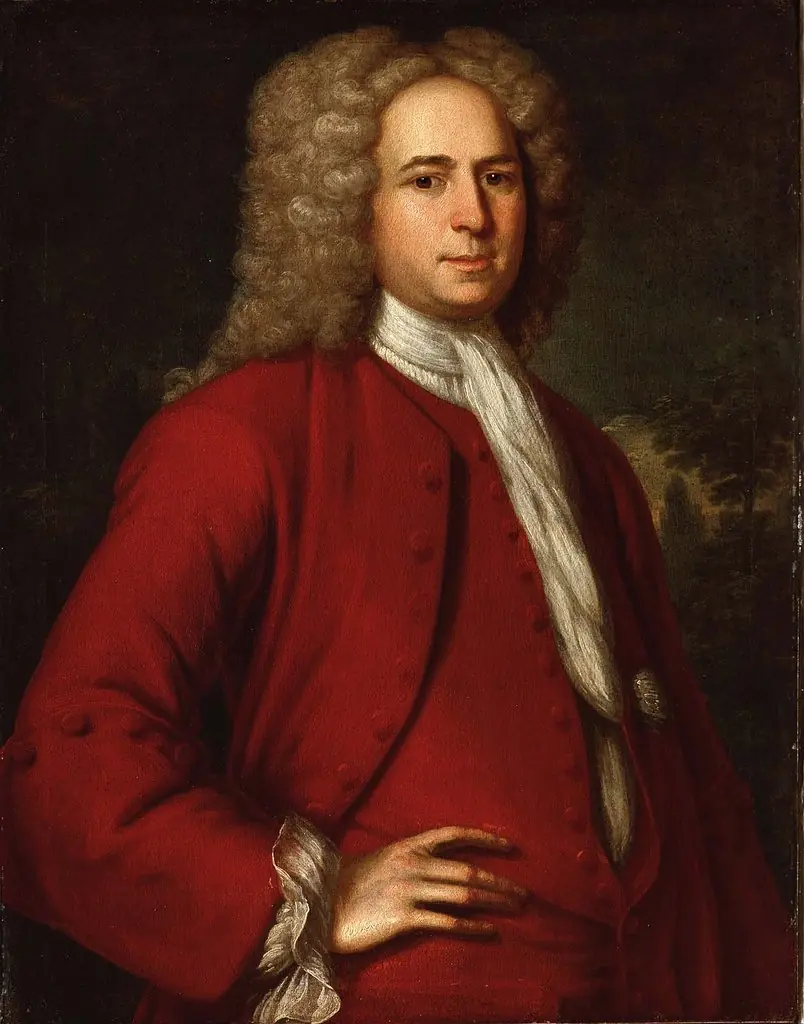 William Dudley
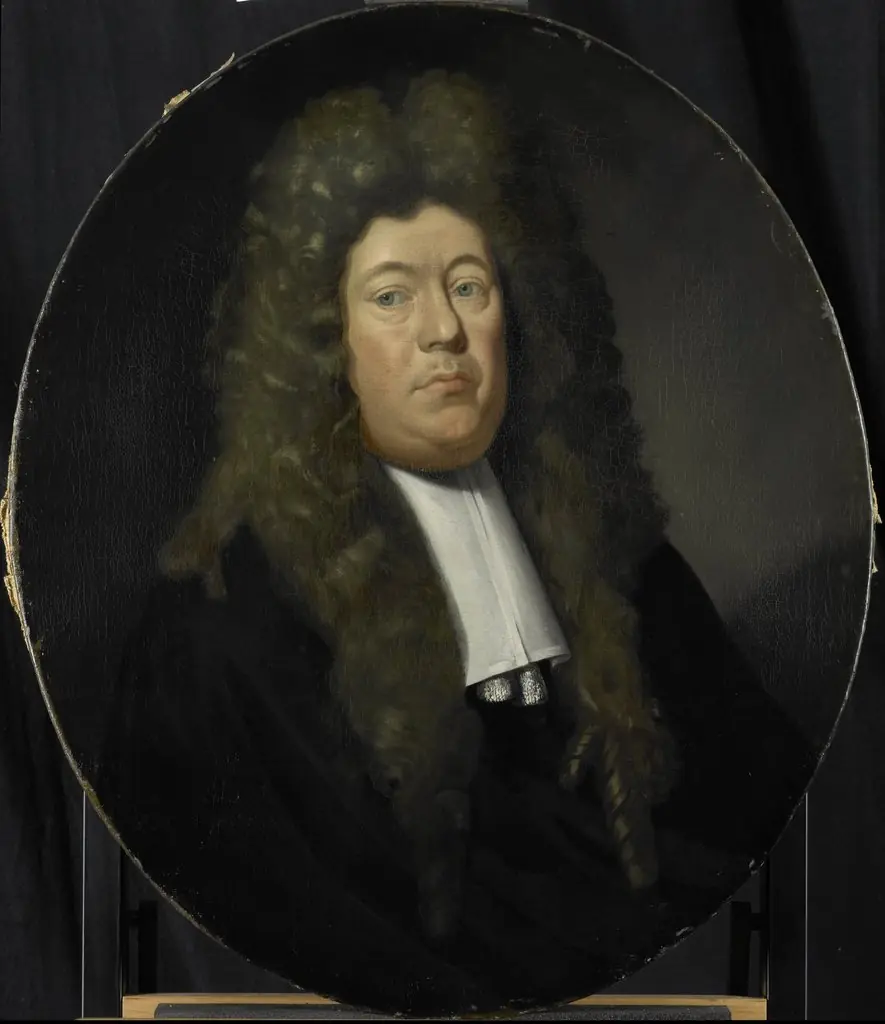 Portrait of Adriaen Paets, Director of the Rotterdam Chamber of the Dutch East India Company, elected 1668
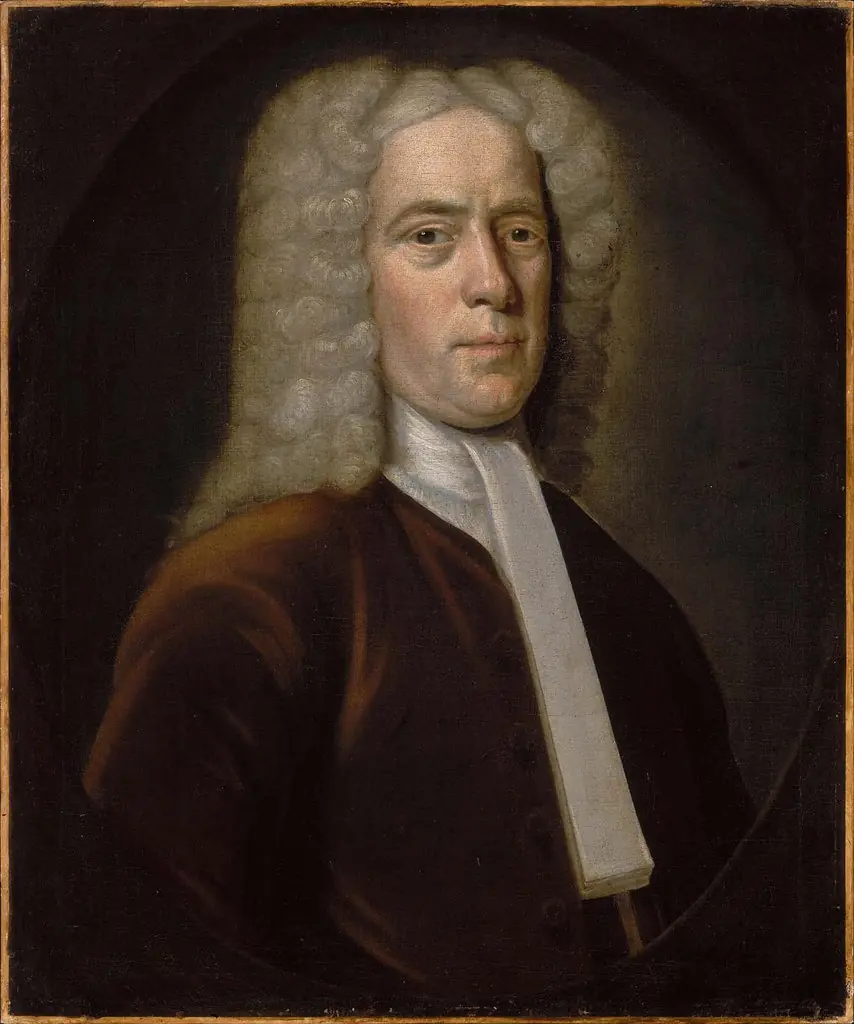 Judge Edmund Quincy