Artwork
William Dudley
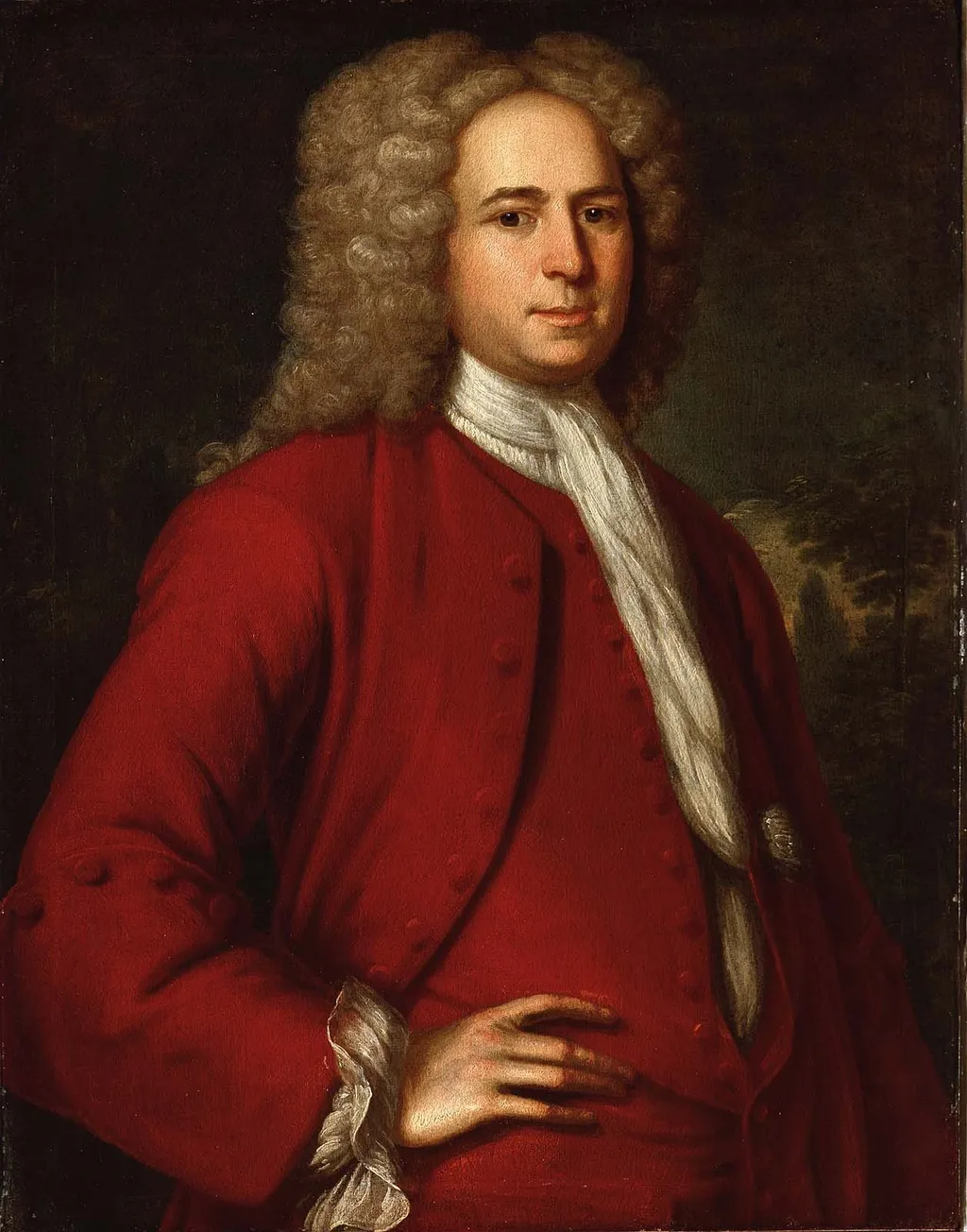
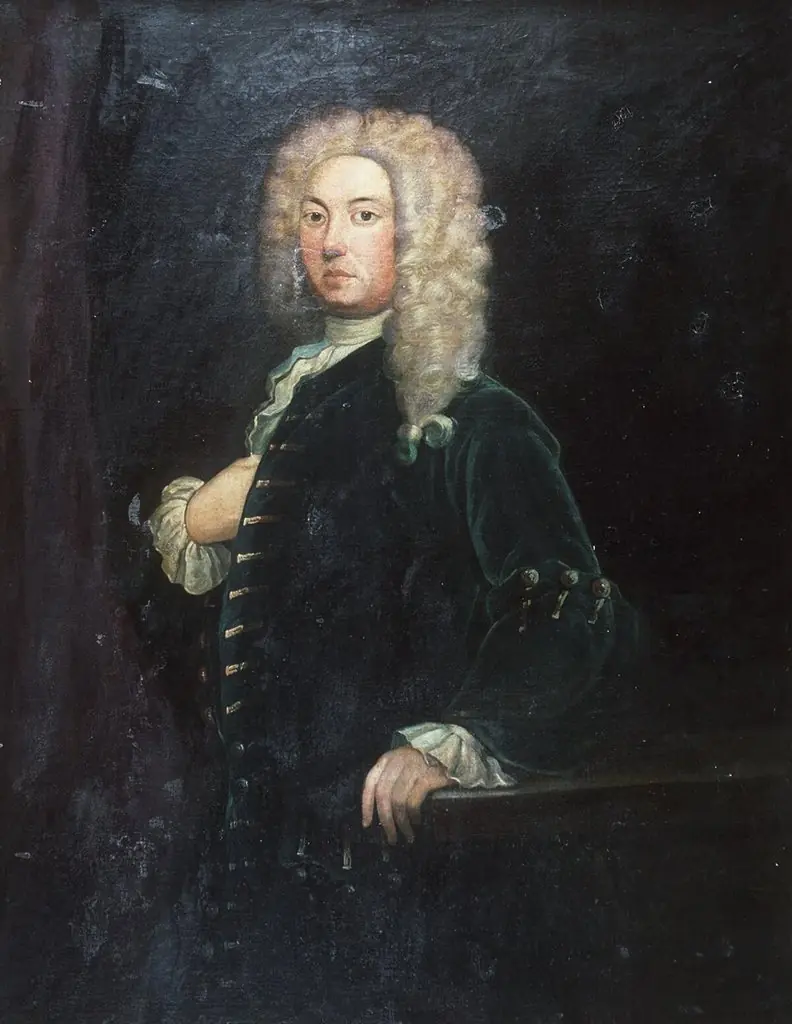
William Dudley is an oil painting by the Rococo painting artist John Smibert. It dates from 1729 and is held in the collection of the Museum of Fine Arts Boston.
About this work
The artist's use of chiaroscuro creates a sense of depth and volume, drawing the viewer's attention to the subject.
This portrait painting features a man with curly, light-colored hair, wearing a red coat over a white shirt. The background is dark, which helps the subject stand out.
The man's attire and hairstyle suggest he is from the 18th century. His expression is serious, and his posture conveys confidence.
The artist's use of chiaroscuro creates a sense of depth and volume, drawing the viewer's attention to the subject. If you're interested in exploring more works that utilize this technique, look up chiaroscuro.
Overview
Painted in 1729, this oil portrait by John Smibert captures William Dudley, a figure of colonial American society. Smibert, trained in Europe and the first artist of academic standing to practice in British America, focused primarily on portraiture. The work exemplifies early 18th-century conventions in colonial art, blending European techniques with local subject matter. It remains part of the Museum of Fine Arts, Boston’s permanent collection.
Subject & Meaning
William Dudley is portrayed with composed dignity, his serious expression and upright posture reflecting social standing and self-possession. His attire—a red coat over a white shirt—and carefully styled light curls align with elite male fashion of the period. The portrait does not reference occupation or status through symbols, instead relying on posture and attire to convey respectability, consistent with the era’s emphasis on personal bearing over external indicators.
Technique & Style
Smibert employed chiaroscuro to model the figure with subtle gradations of light and shadow, lending volume to the face and fabric. The dark, unbroken background isolates the subject, enhancing three-dimensionality. Brushwork is precise but not ornate, avoiding the florid tendencies of full rococo. The composition follows established portraiture norms: three-quarter view, centered figure, and restrained palette, prioritizing clarity and presence over decorative flourish.
History & Provenance
Created during Smibert’s early years in Boston, the portrait dates to a period when he was establishing himself among colonial elites. It is among the earliest surviving works by a formally trained artist in British America. The painting entered the Museum of Fine Arts, Boston’s collection in the 19th century, where it has remained as a key example of early American portraiture and the transatlantic transmission of artistic practice.
Context
In early 18th-century North America, formal portraiture was rare and largely imported from Europe. Smibert’s presence marked a shift: local patrons could now commission works from an artist trained in European academies. This portrait reflects the aspirations of colonial society to align with British cultural norms, even as it reveals the limitations of resources and training available in the colonies at the time.
Legacy
As one of the earliest surviving portraits by a trained artist in British America, the painting serves as a benchmark for the development of American art. Smibert’s work influenced subsequent colonial painters, establishing a visual language that blended European technique with local subjects. The portrait remains a reference point for understanding how artistic traditions were adapted in the New World during the formative years of colonial identity.
Own this work as a print
Artist & collection
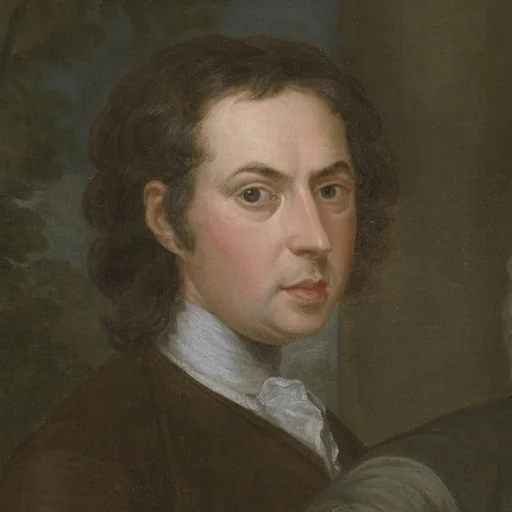
Artist
John Smibert (24 March 1688 – 2 April 1751) was a Scottish-born painter who specialised in portrait painting and was the first academically trained artist to work in British America.

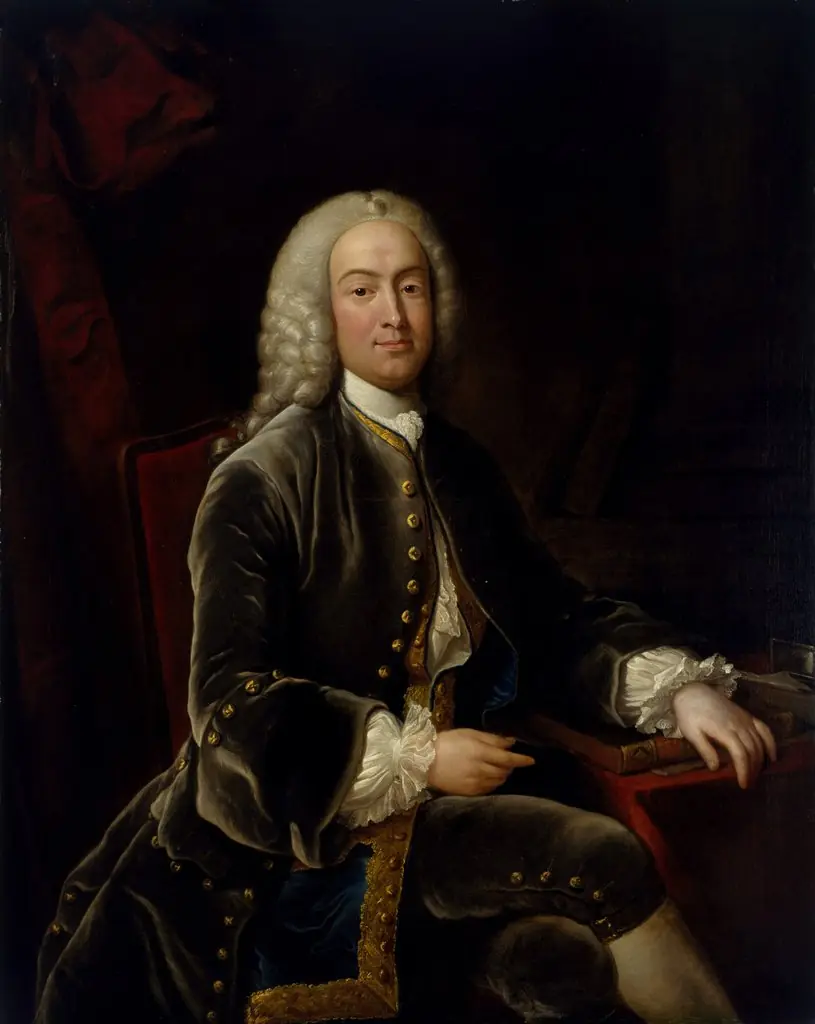 William Murray, 1st Earl of Mansfield
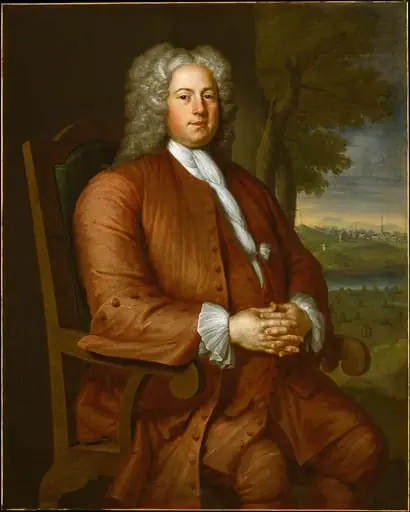
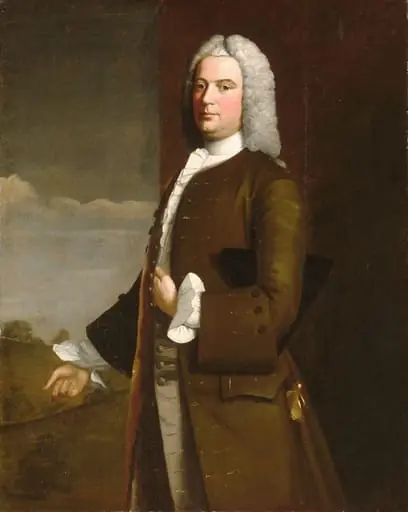 Tench Francis
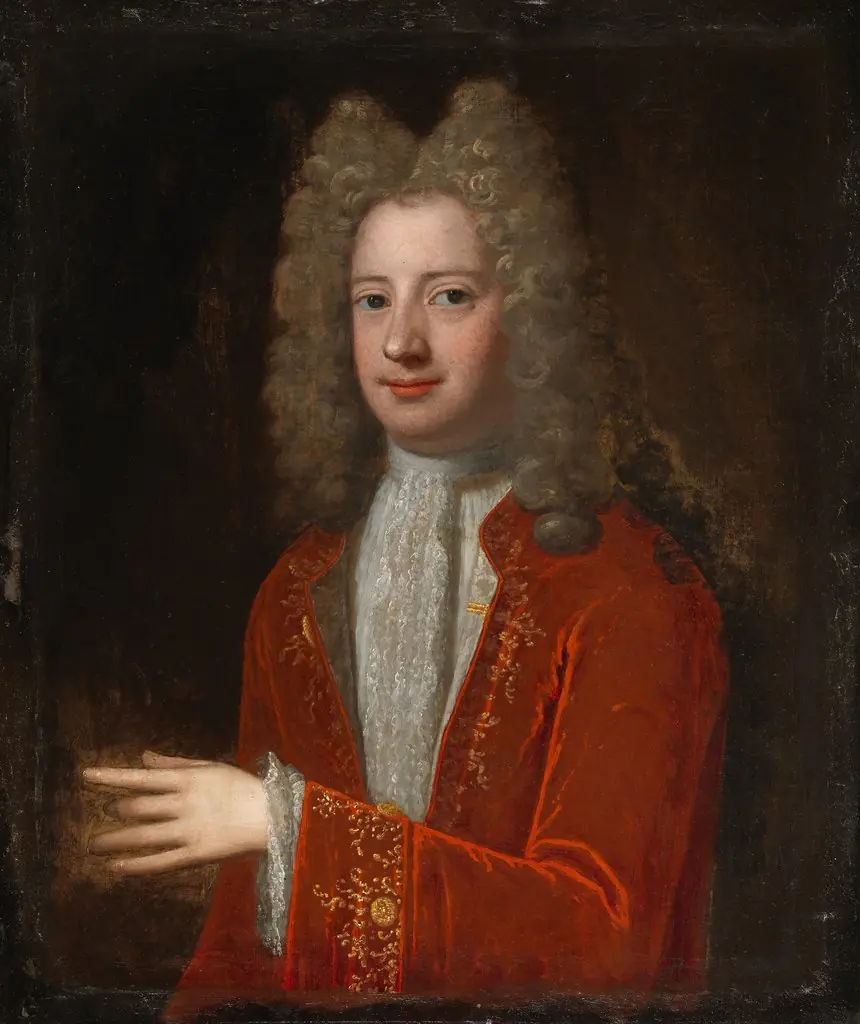 Portrait of a Gentleman
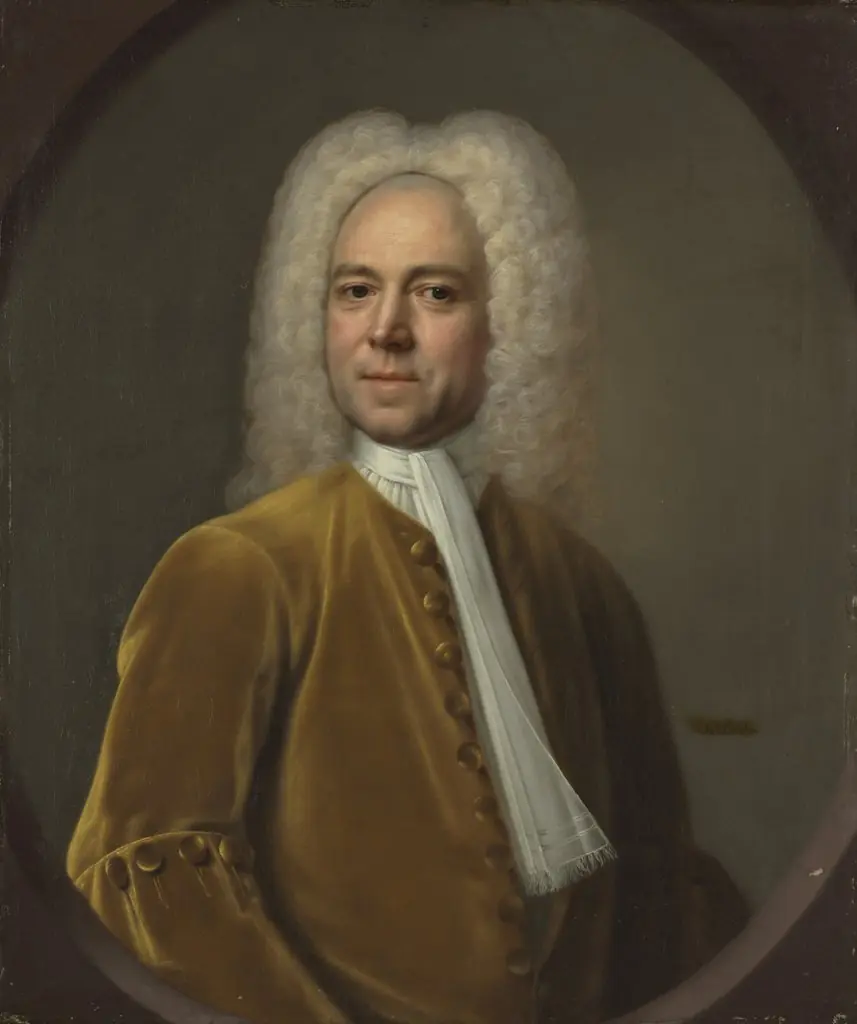 Portrait of a Man
 Portrait of a Man
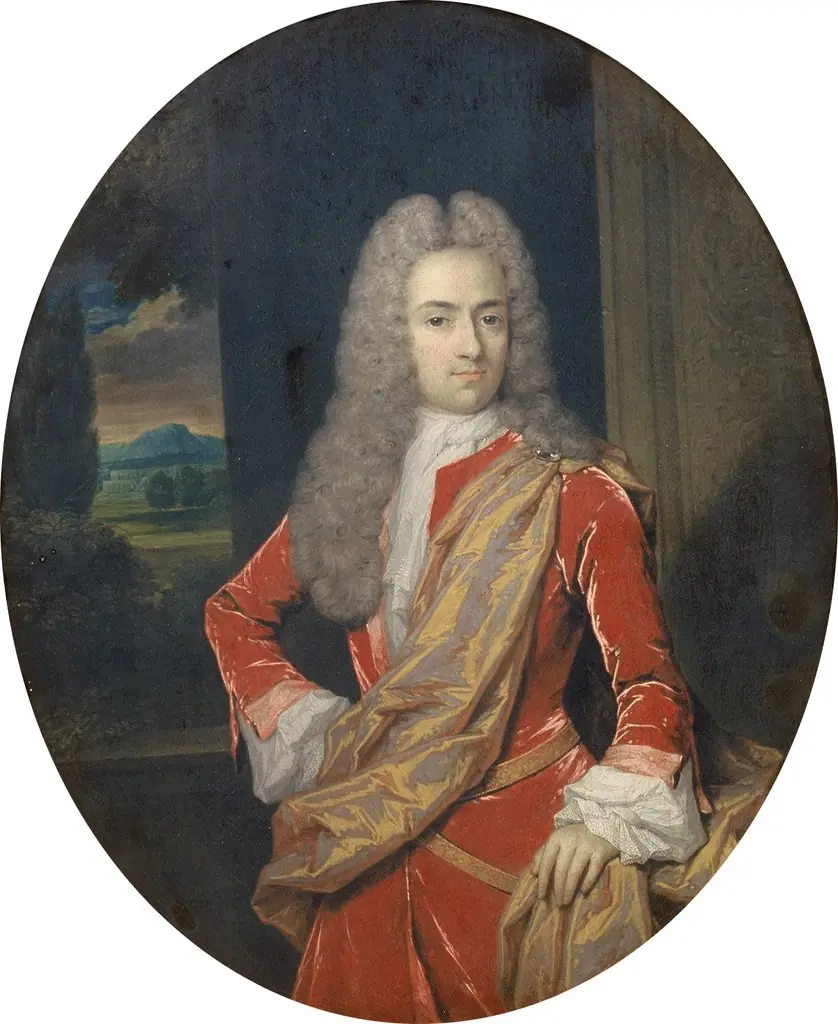 Portrait of a Man
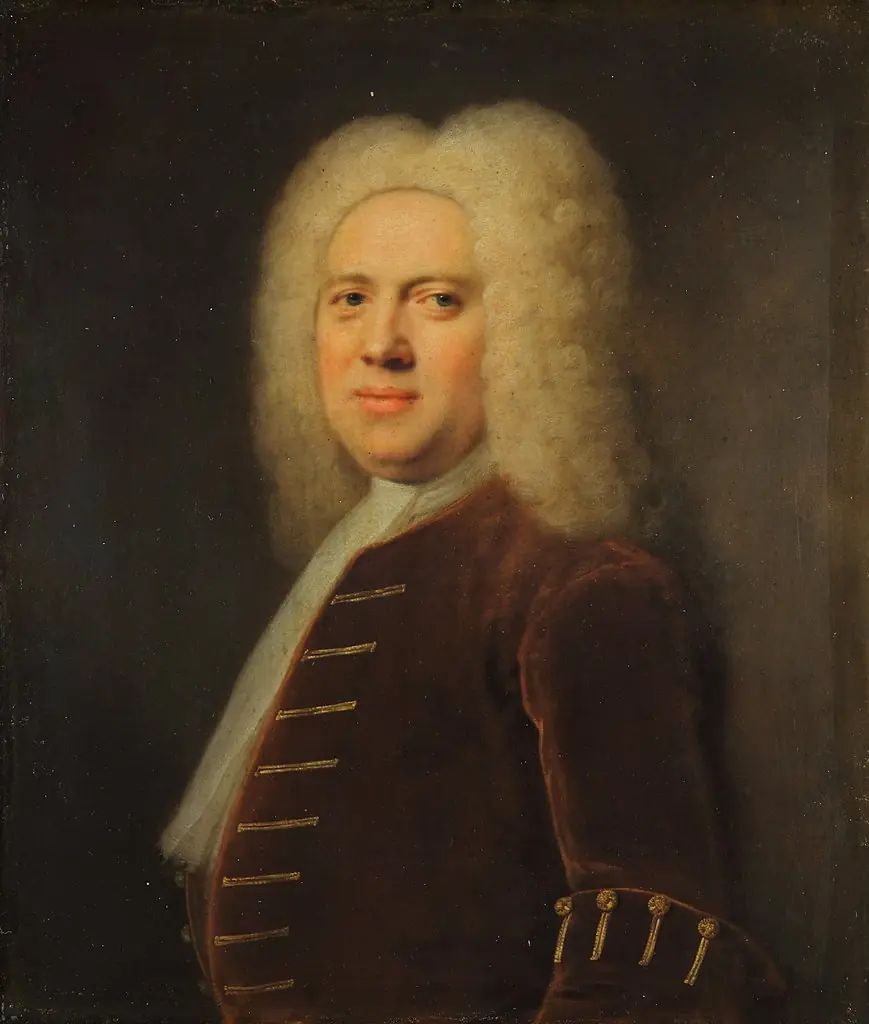 Self-Portrait
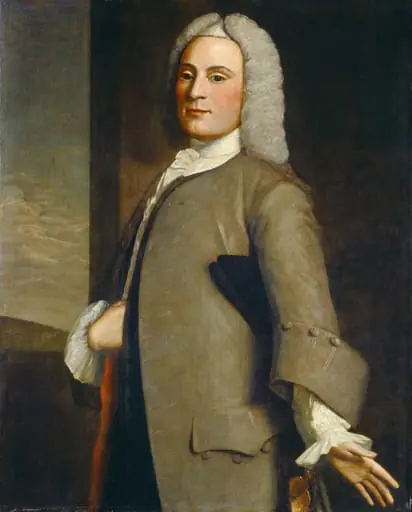 Captain Alexander Graydon
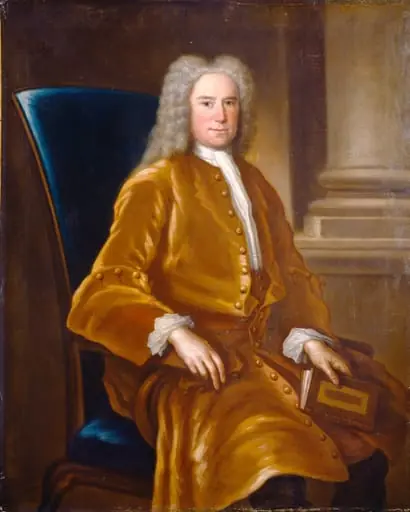 Portrait of a Gentleman
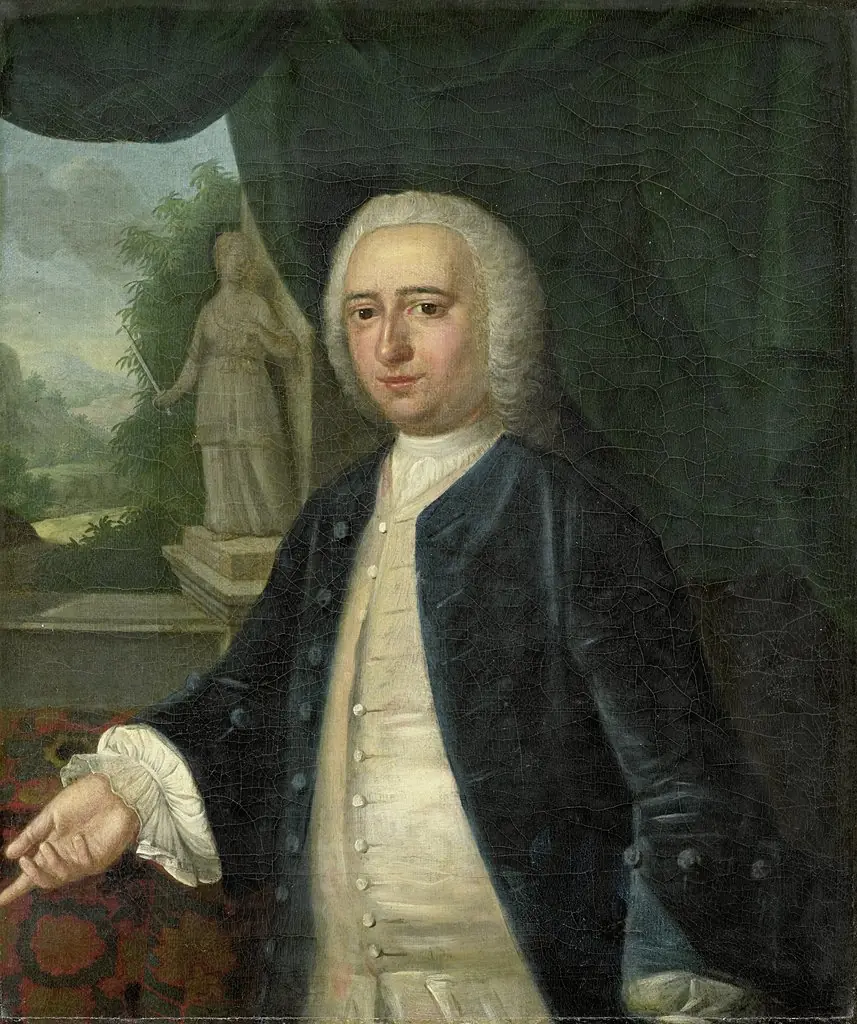 Portrait of Johan Willem Parker, Lord of Saamslag, Geersdijk, Wissekerke, Cats and Soelekerke, Burgomaster of Middelburg, Deputy of Walcheren in Zeeland
 Councillor Richard Lloyd (died 1757)