Artwork
Untitled
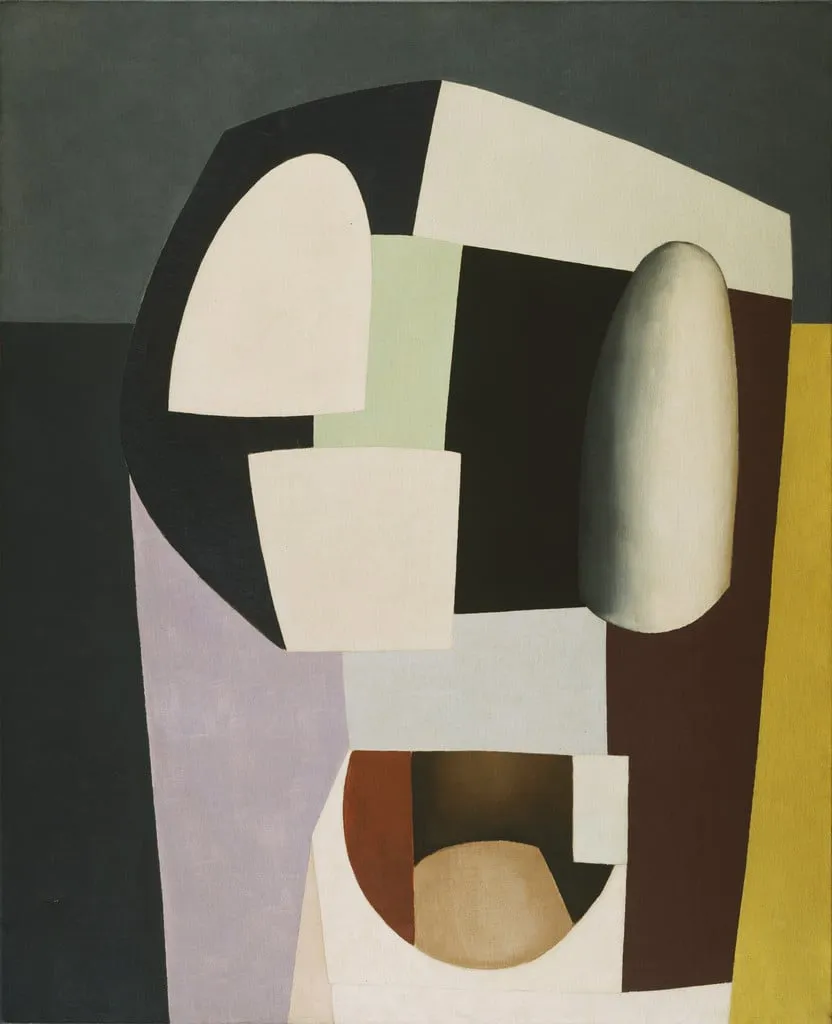
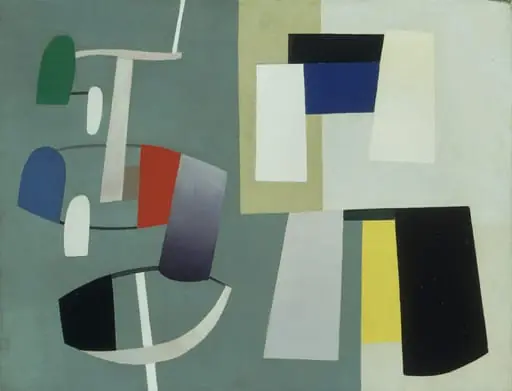
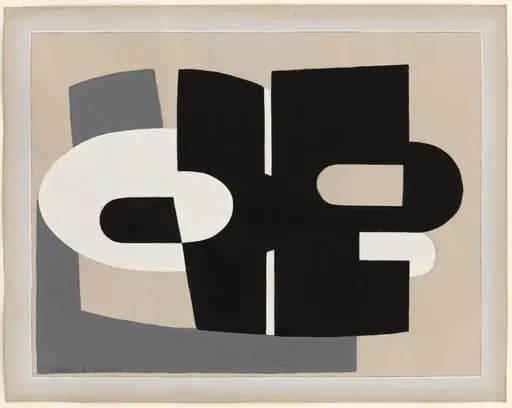
Untitled is an oil painting by the Abstract Expressionist artist Jean Hélion. It dates from 1936 and is held in the collection of the Museum of Modern Art.
About this work
Overview
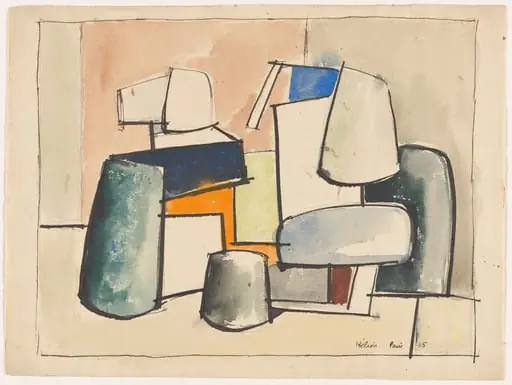
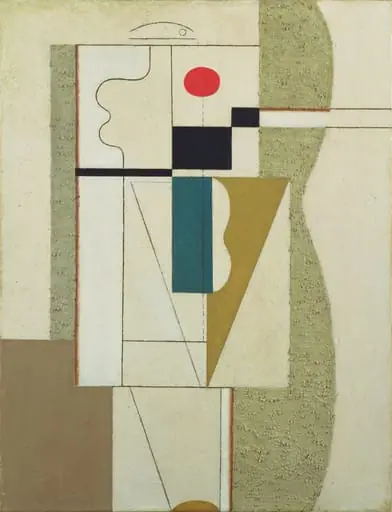
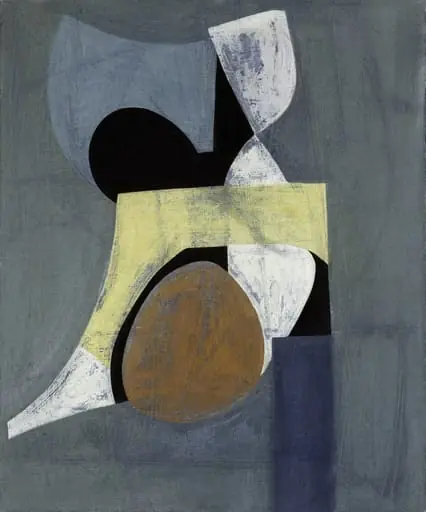
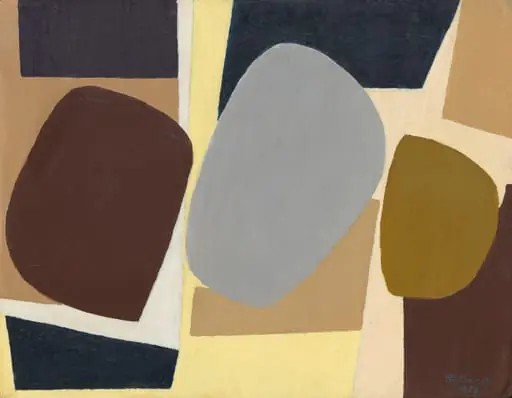
Created in 1936, this oil on canvas work by French painter Jean Hélion exemplifies his early engagement with abstract expressionism. The composition consists of interlocking geometric forms rendered in a restrained palette, marking a period when Hélion was recognized for non‑representational painting before his later return to figuration.
Subject & Meaning
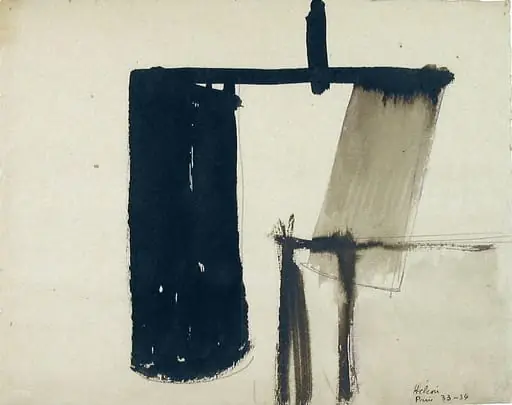
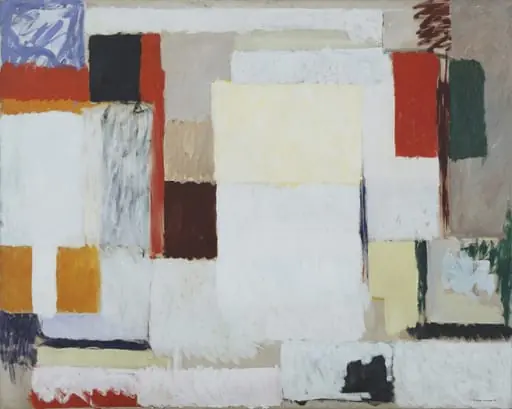
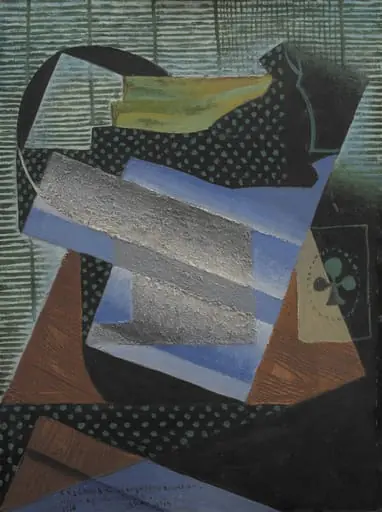
The canvas presents an arrangement of black, white, brown, and occasional yellow and purple shapes, many with rounded edges or subtle curves. Overlapping elements generate a shallow sense of space, inviting viewers to consider the interplay of form and color rather than narrative content.
Technique & Style
Hélion employed traditional oil pigments to achieve muted tonal values, allowing the geometric motifs to emerge with modest contrast. The brushwork is smooth, emphasizing flatness while the overlapping planes suggest a modest depth, characteristic of his early abstract approach.
History & Provenance
Painted during the mid‑1930s, the piece reflects Hélion’s position within the European abstract movement of that decade. After its creation, the work remained in private collections before entering the museum’s holdings, where it serves as a reference point for the artist’s shift away from abstraction in the following years.
Context
In the 1930s, Hélion was among a cohort of French artists exploring non‑figurative language, aligning with broader trends in abstract expressionism across Europe. This painting illustrates the period’s fascination with geometric order and restrained chromatic schemes, preceding his later, nearly five‑decade focus on figurative subjects.
Artist & collection
Artist
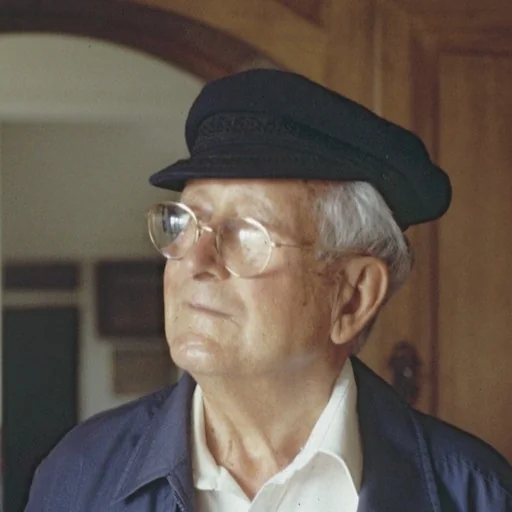
Jean Hélion (April 21, 1904 – October 27, 1987) was a French painter whose abstract work of the 1930s established him as a leading modernist.