Artwork
La Gimblette
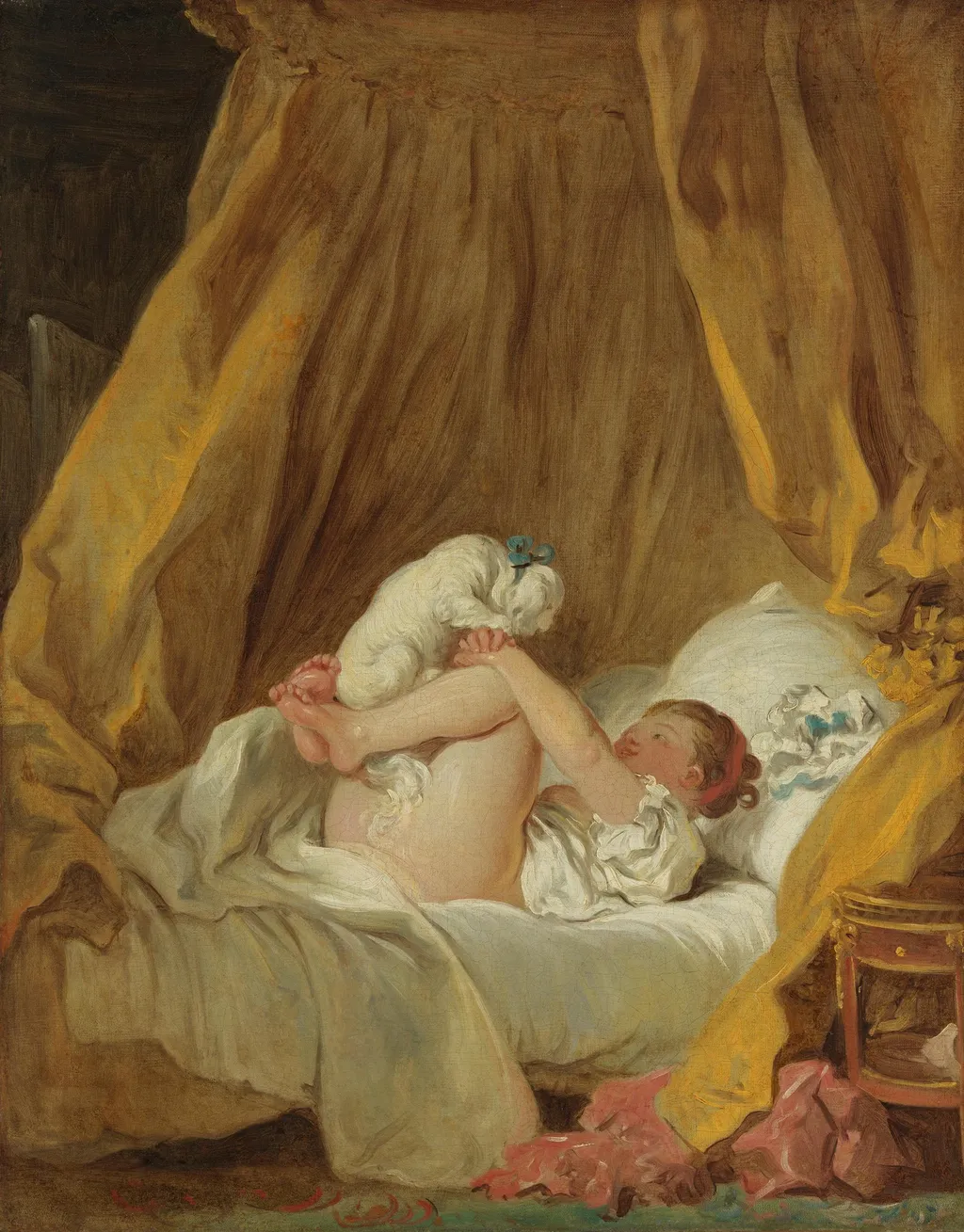
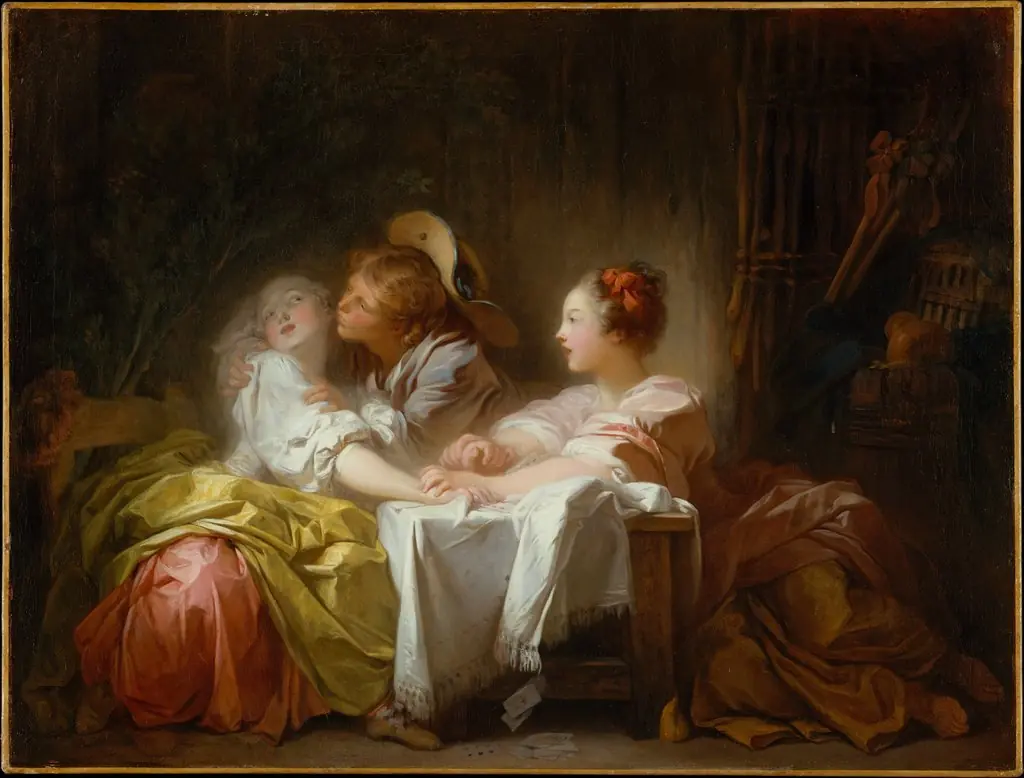
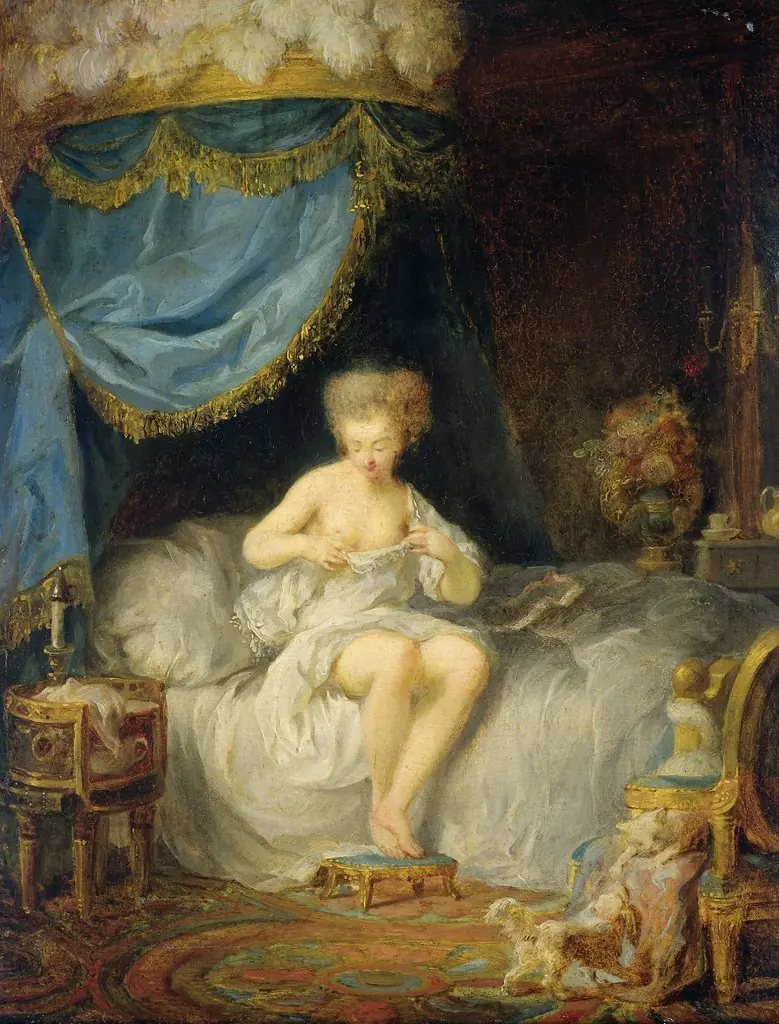
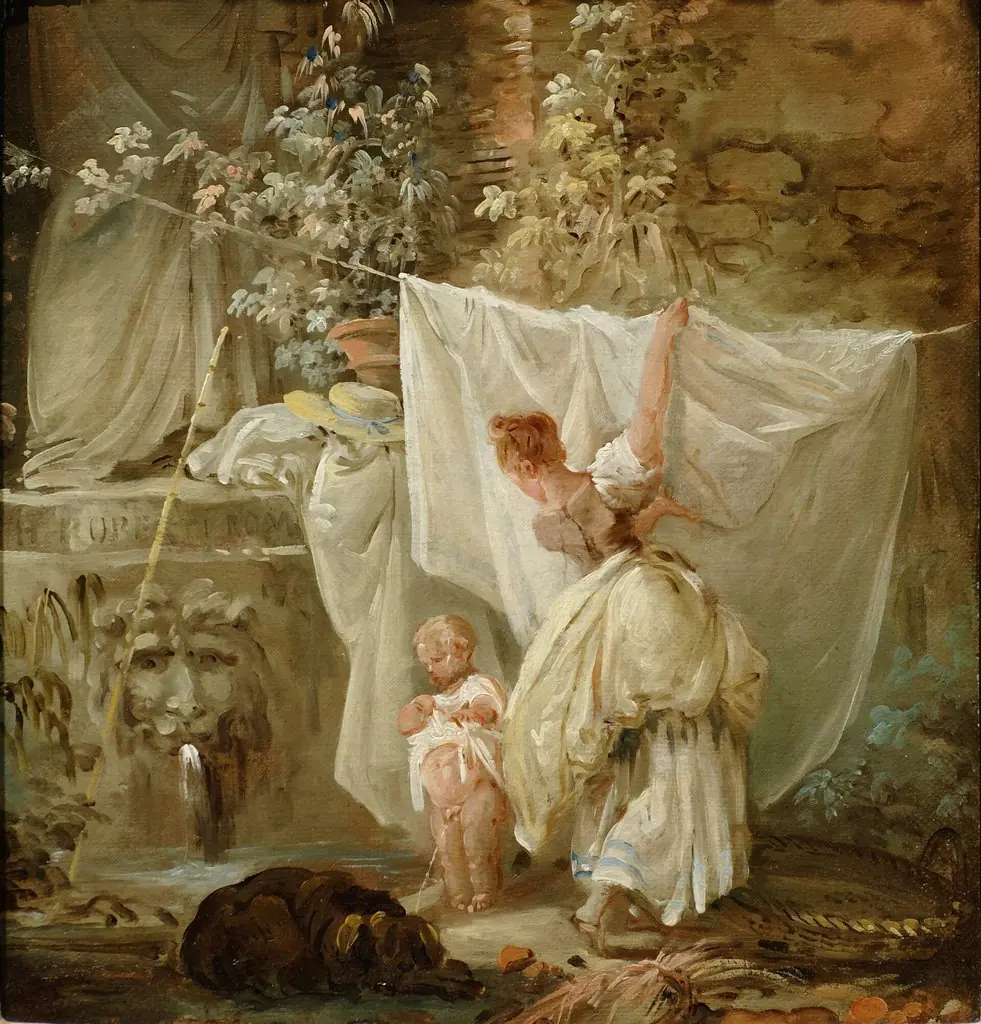
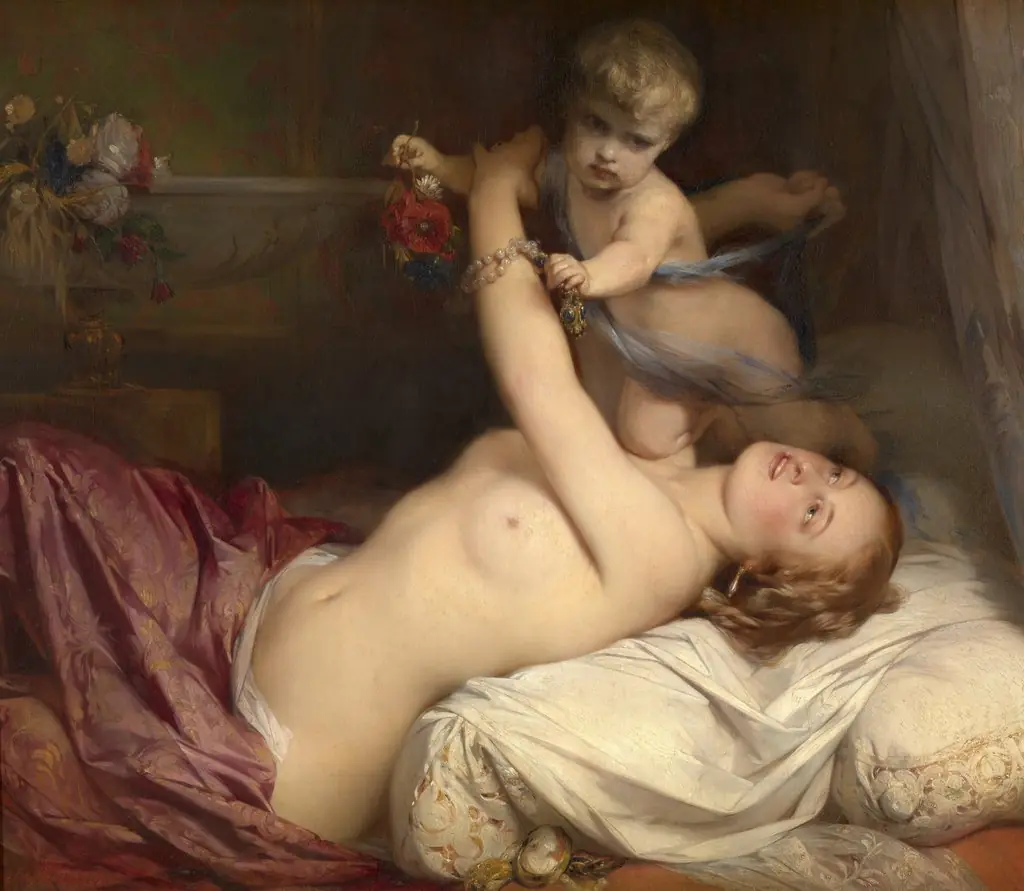
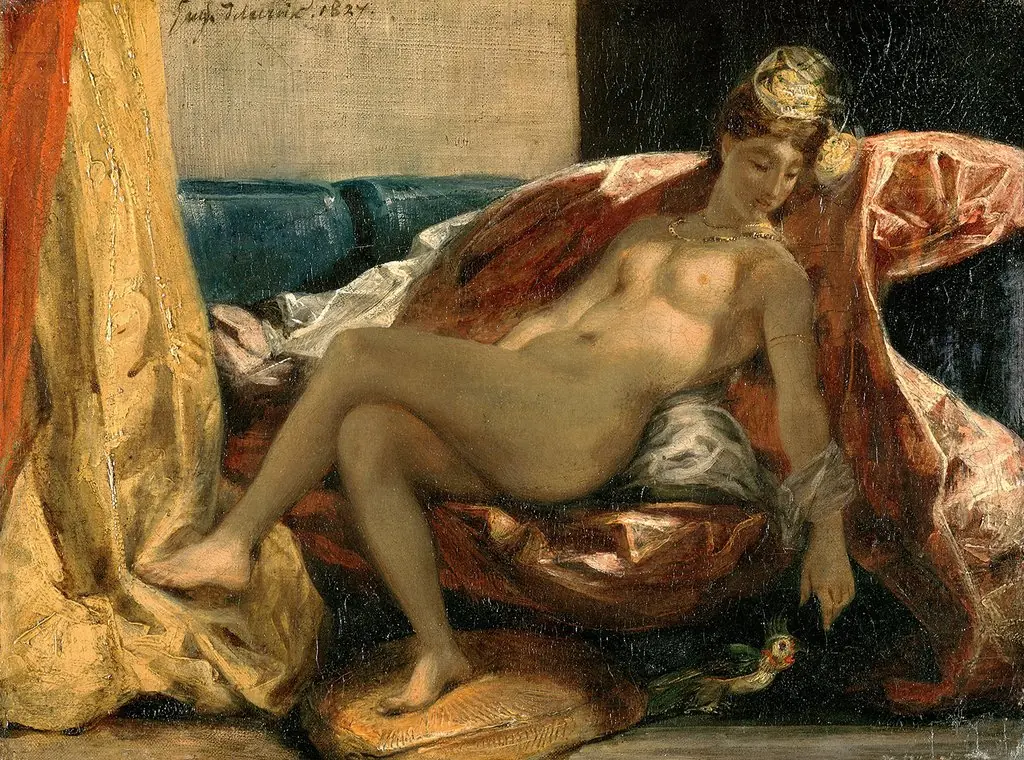
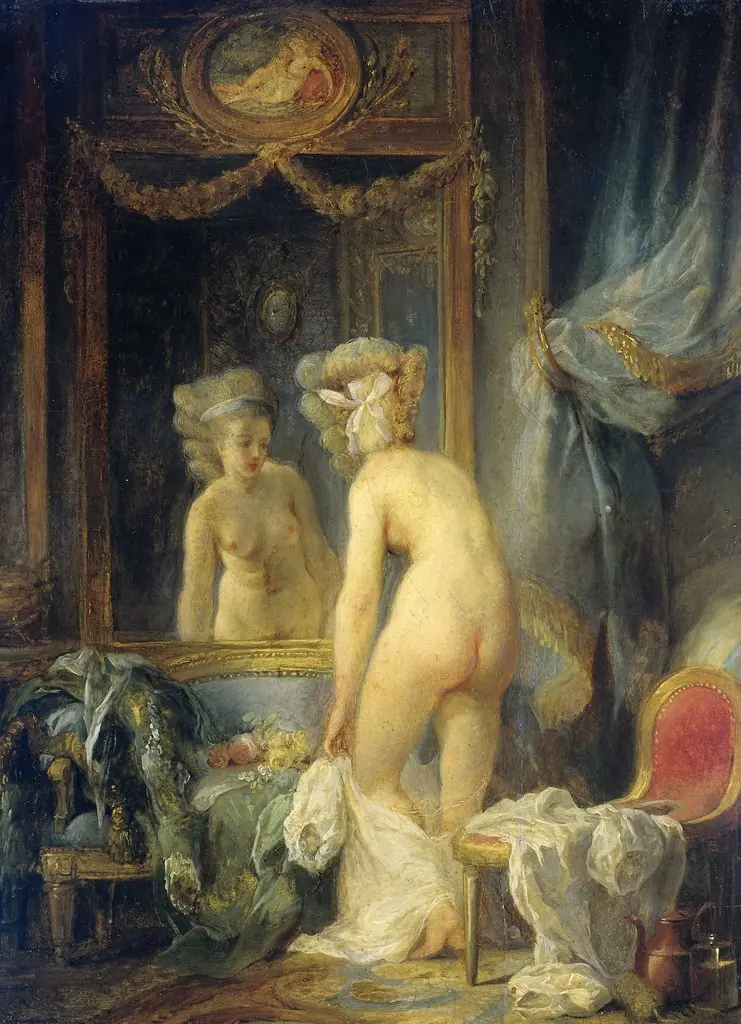
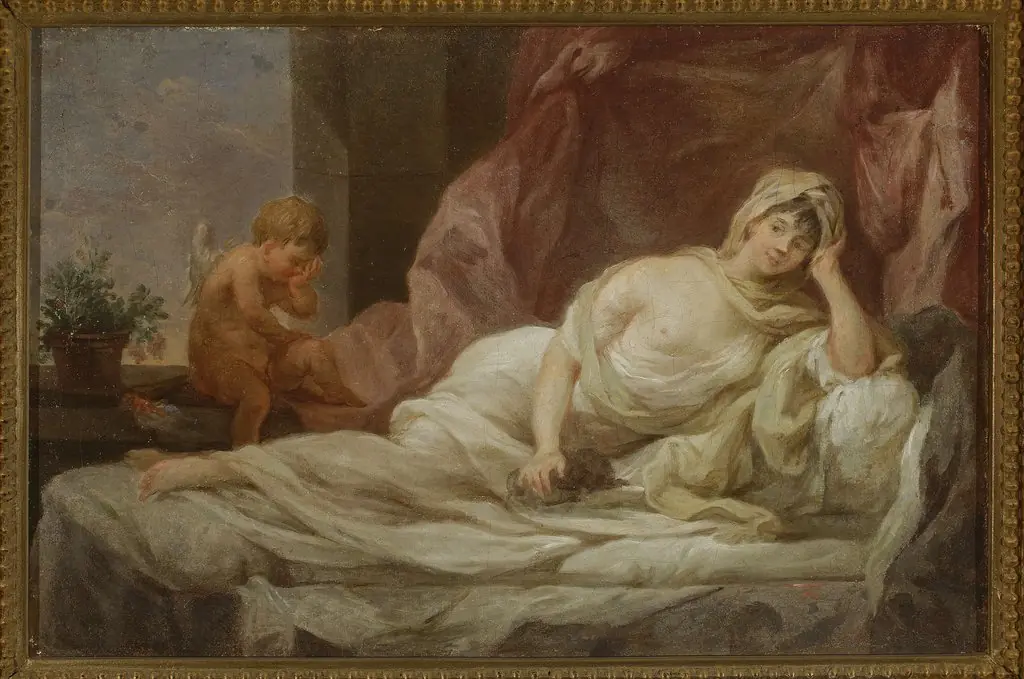
La Gimblette is an oil painting by the Rococo painting artist Jean Honoré Fragonard. It dates from 1770 and is held in the collection of the Bavarian State Painting Collections.
About this work
La Gimblette is a painting by Jean Honoré Fragonard. It's an oil paint work.
The painting is from 1770 and is known for having a frivolous component, like other works by Fragonard. This aspect of the painting reflects the time period in which it was created.
To learn more about the style and techniques used in La Gimblette, look up the technique of glazing.
Overview
La Gimblette, executed in oil in 1770, is a work by French painter Jean‑Honoré Fragonard. It belongs to the Rococo period and exemplifies the light‑hearted, decorative sensibility that characterises much of Fragonard’s output.
Subject & Meaning
The composition presents a playful, intimate scene that reflects the “lovers’ paradise” of mid‑eighteenth‑century aristocratic life. Its frivolous tone, typical of Fragonard’s genre, invites viewers to consider the fleeting pleasures and social rituals of the era, which can feel remote to contemporary audiences.
Technique & Style
Fragonard employed the Rococo’s characteristic fluid brushwork and delicate color palette, often building up luminous surfaces through thin layers of glaze. This method enhances the painting’s soft lighting and the sensual quality of the figures, reinforcing the overall atmosphere of ease and indulgence.
History & Provenance
Since its creation, La Gimblette has been recognized as one of Fragonard’s notable works, frequently exhibited alongside other celebrated pieces such as The Swing. Its provenance traces through major European collections, though specific ownership details remain limited in public records.
Context
The painting emerged during a period when French aristocracy embraced leisurely pursuits and romantic escapades, a cultural climate that Fragonard captured with wit and elegance. Rococo’s decorative exuberance, combined with the era’s emphasis on private amusement, informs the work’s thematic choices.
Legacy
Although La Gimblette continues to be studied for its exemplary Rococo qualities, modern viewers often find its lightness alien to contemporary sensibilities. Nonetheless, it remains a reference point for scholars examining the intersection of art, pleasure, and social mores in pre‑revolutionary France.
Own this work as a print
Artist & collection

Artist
Jean-Honoré Fragonard was born on 5 April 1732 in Grasse, the son of a glover, and moved with his family to Paris in 1738.