Artwork
Officer
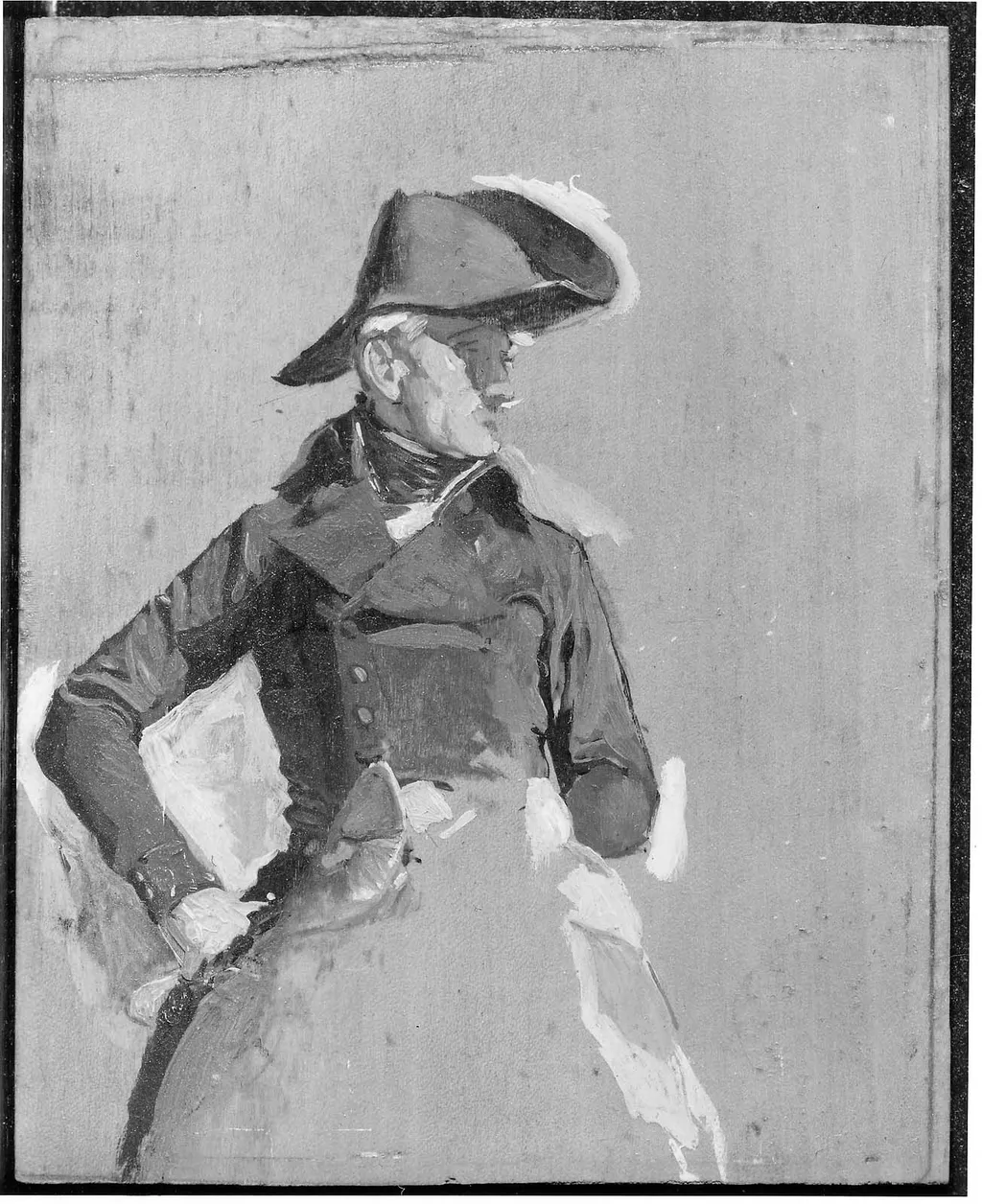
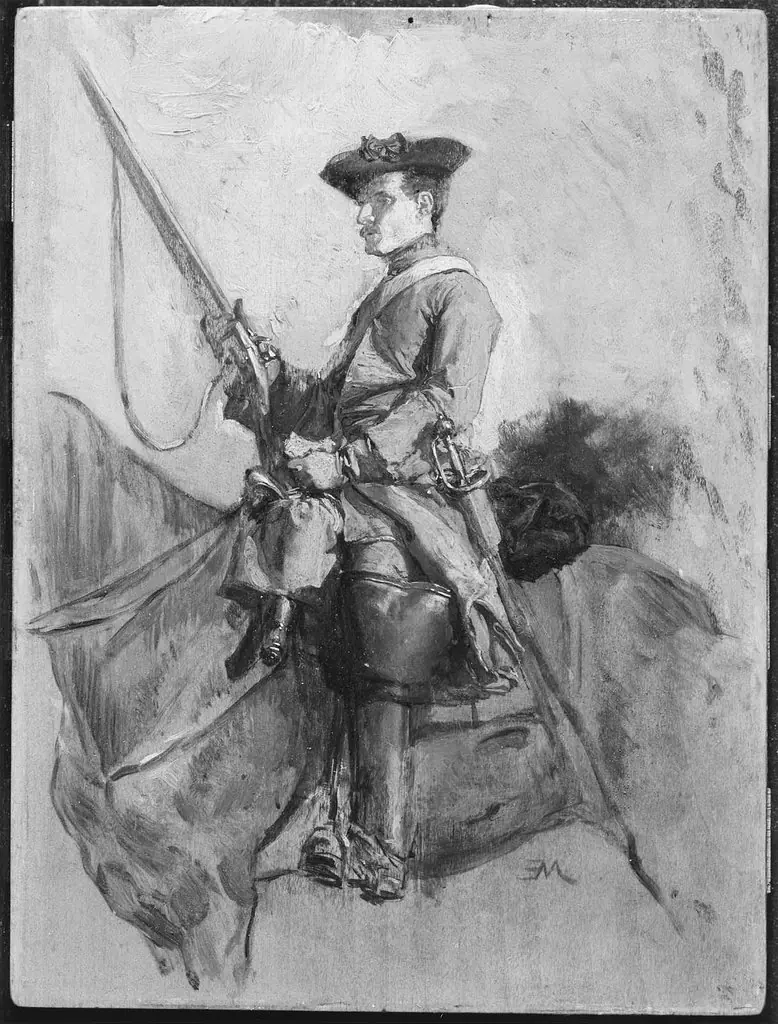
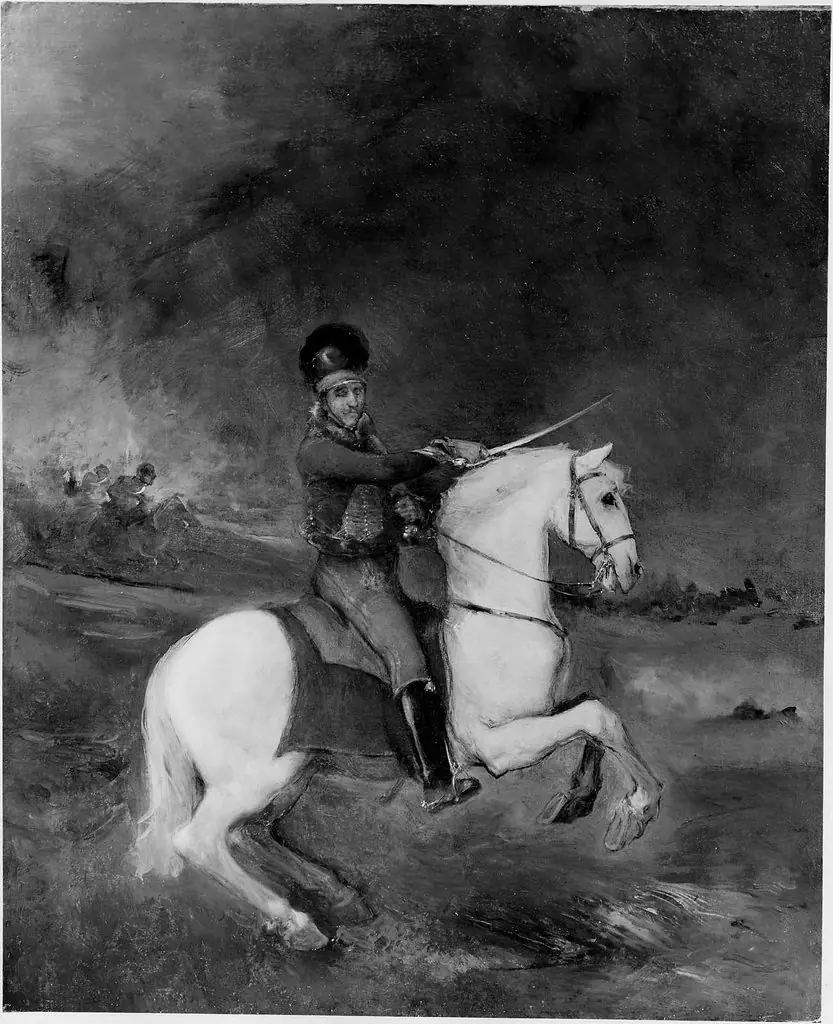
Officer is an unspecified painting by Jean Louis Ernest Meissonier. It dates from 1863 and is held in the collection of the Museum of Fine Arts Boston.
About this work
Overview
Painted around 1863 by Jean-Louis Ernest Meissonier, Officer is a small-scale oil portrait depicting a military figure in formal uniform.
Painted around 1863 by Jean-Louis Ernest Meissonier, Officer is a small-scale oil portrait depicting a military figure in formal uniform. The work resides in the Museum of Fine Arts, Boston, and exemplifies Meissonier’s precision in rendering historical attire. The composition isolates the subject against a neutral gray field, eliminating distraction and emphasizing the figure’s presence through meticulous detail and controlled lighting.
Subject & Meaning
The subject is a French military officer, identified by his dark uniform, bicorne hat, and sidearm. Though unnamed, his posture and attire suggest rank and discipline, reflecting mid-19th-century ideals of military professionalism. Meissonier avoids narrative or drama, presenting the officer as a static emblem of authority, inviting contemplation of duty rather than action.
Technique & Style
Meissonier employed fine, deliberate brushwork to capture the textures of wool, leather, and polished steel. The sword’s reflective surface and the fabric’s subtle folds are rendered with near-photographic accuracy. A restrained chiaroscuro model forms the face and chest, enhancing volume without theatrical contrast. The gray background serves as a neutral stage, reinforcing the portrait’s focus on material fidelity and quiet dignity.
History & Provenance
Created during Meissonier’s peak period of historical and military portraiture, the painting entered the Museum of Fine Arts, Boston, in the late 19th century. Its acquisition aligns with the museum’s broader interest in European academic art. No documented prior ownership or exhibition history is widely recorded, suggesting it may have remained in private hands until its institutional acquisition.
Context
In the 1860s, Meissonier was celebrated for his detailed depictions of Napoleonic-era soldiers and officers, often commissioned by collectors drawn to historical realism. Officer reflects this trend, emerging amid France’s renewed interest in military heritage following the 1848 revolutions and the Franco-Prussian War’s looming tensions. The work stands apart from grand battle scenes, favoring intimate, contemplative portraiture.
Legacy
Though less known today than Meissonier’s larger battle paintings, Officer exemplifies his mastery of surface detail and psychological restraint. It influenced later academic portraitists who prioritized material truth over emotional expression. The painting remains a reference point for studies in 19th-century French realism and the aesthetics of military representation outside of heroic narrative.
Artist & collection

Artist
Jean-Louis-Ernest Meissonier was a French academic painter and sculptor. He became famous for his depictions of Napoleon and his military sieges and manoeuvres in paintings acclaimed both for the artist's mastery of…

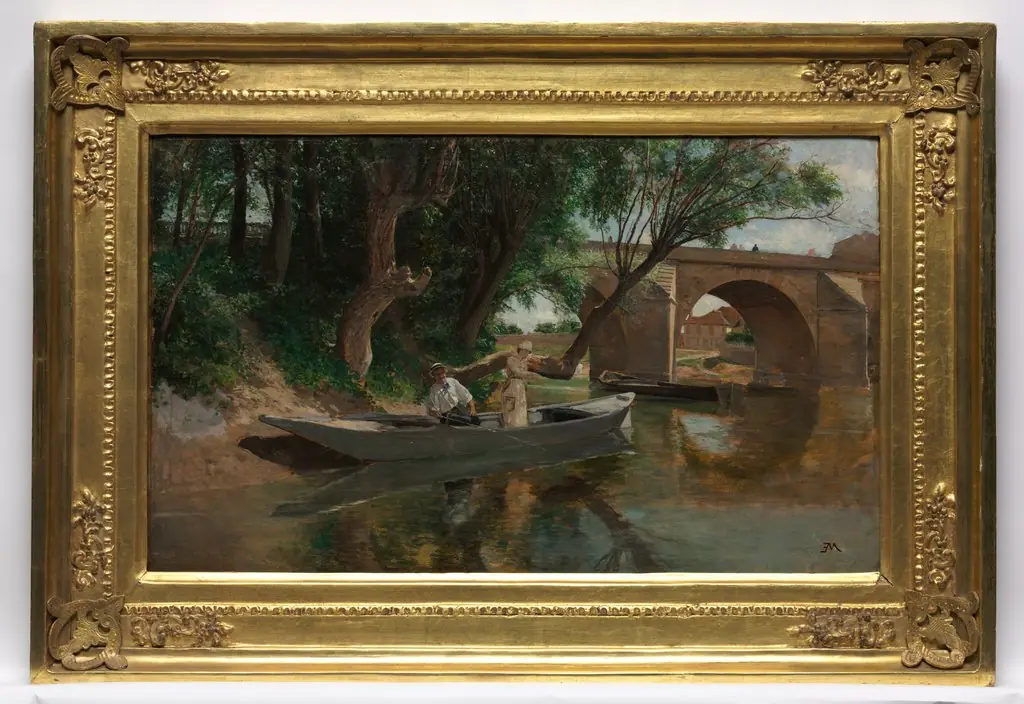
 Horseman
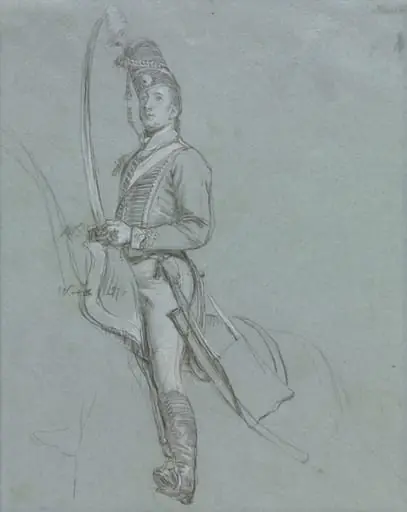 A Hussar Officer on Horseback
 Study No. 1: Mr. Thomas Way
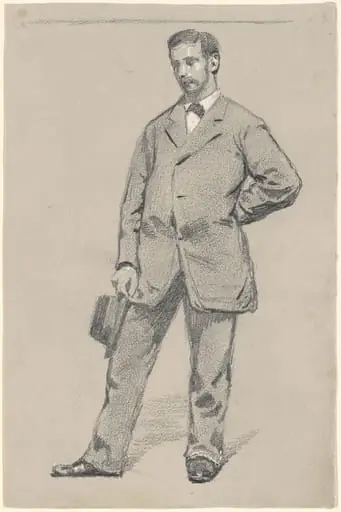 Standing Man
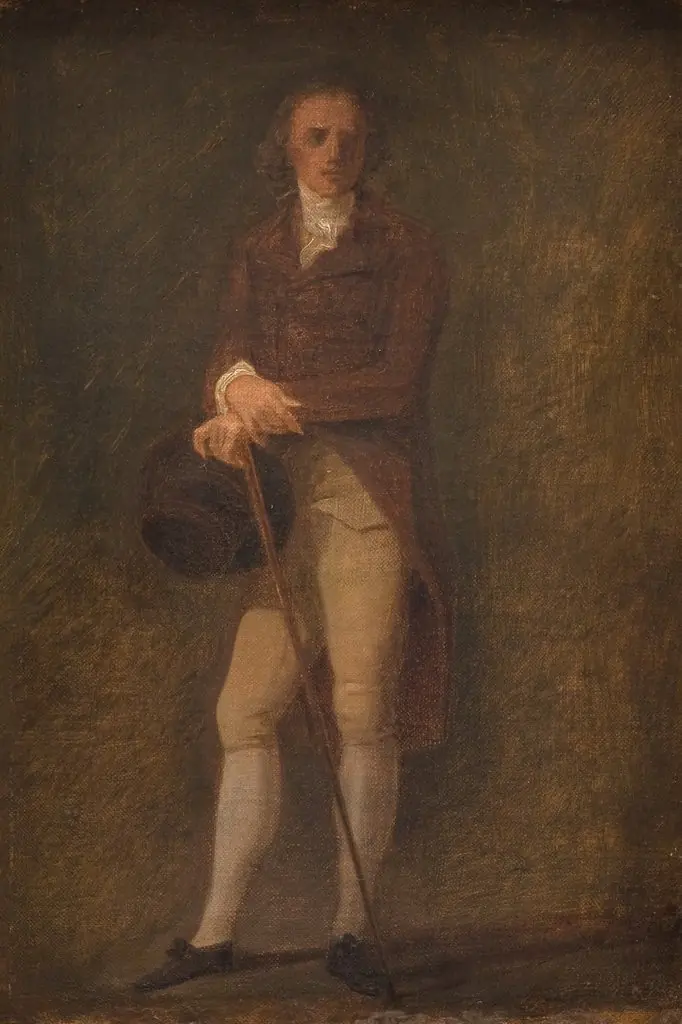 Portrætskitse. Maleren N.A. Abildgaard (?).
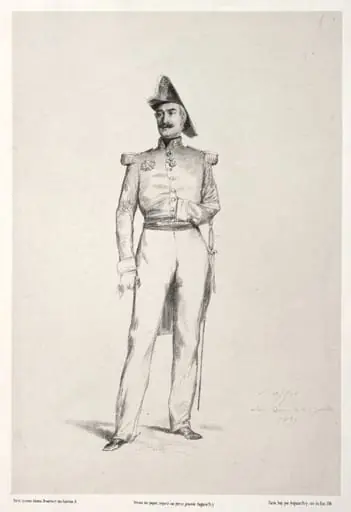 La Maréchal Baraquey d'Hilliers
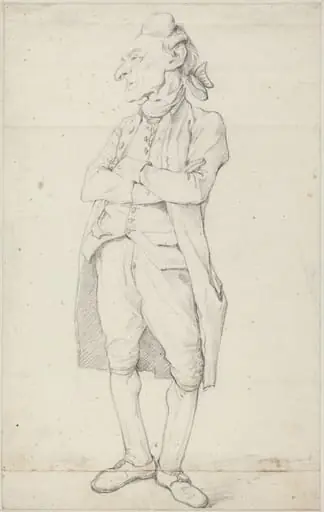 A Gentleman Standing with His Arms Crossed
 Seated Man with a Gun
 Johann Wolfgang von Goethe
 Mr. Apperley ("Nimrod")
 The Old Soldier - Berncastel
 Officer on Horseback