Artwork
Portrait of Maria Leszczyńska
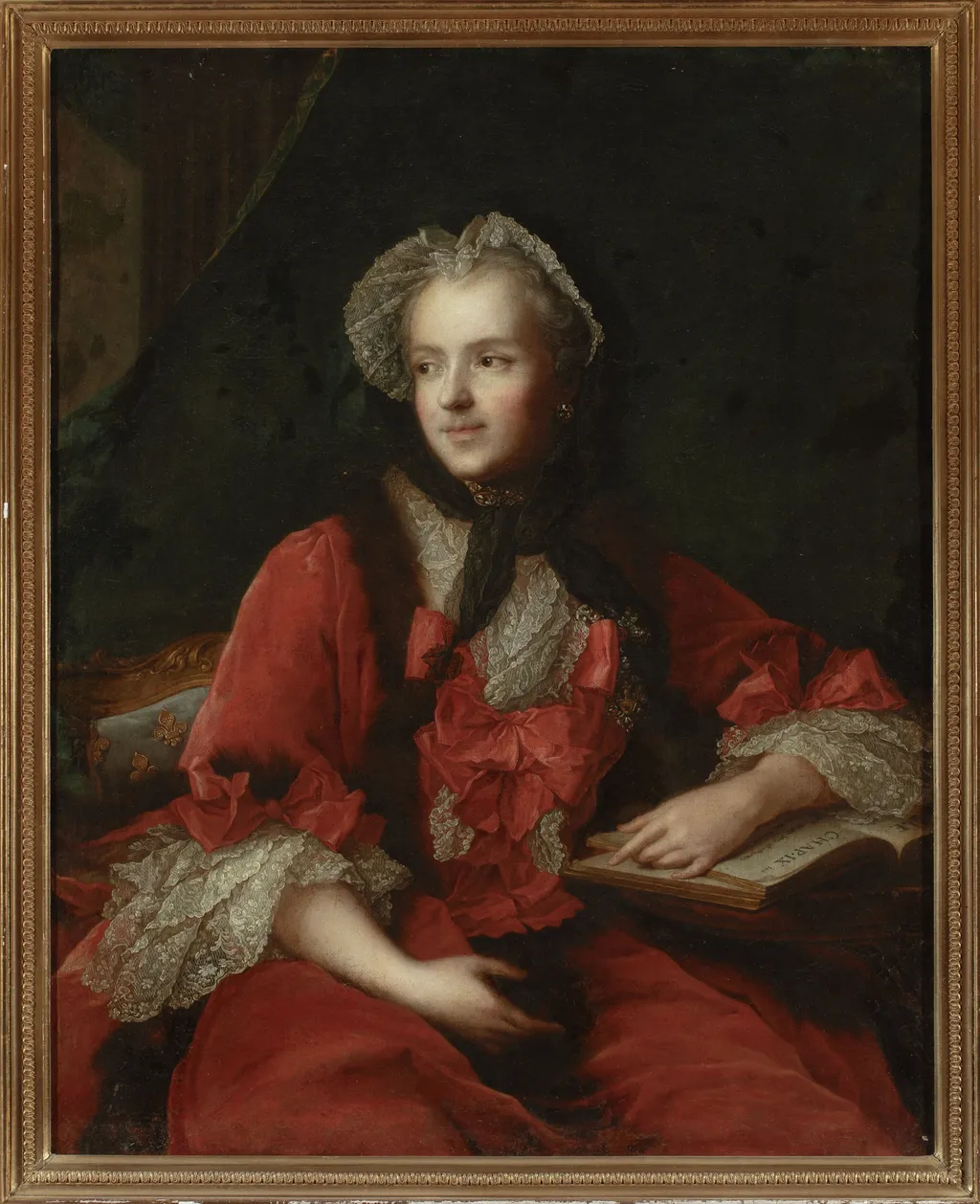
Portrait of Maria Leszczyńska is an oil painting by the Rococo painting artist Jean-Marc Nattier. It dates from 1750 and is held in the collection of the National Museum in Warsaw. Painted around 1750, this oil portrait captures Maria Leszczyńska, queen consort of France, in a formal yet intimate setting.
About this work
Overview
Painted around 1750, this oil portrait captures Maria Leszczyńska, queen consort of France, in a formal yet intimate setting. Created by Jean-Marc Nattier, a favored portraitist of the French court, the work exemplifies the refined elegance of Rococo portraiture. It is now held in the National Museum in Warsaw, where it remains one of the few surviving depictions of the queen outside France.
Subject & Meaning
Maria Leszczyńska is portrayed seated, dressed in a rich red gown adorned with lace, her hair neatly confined beneath a white cap.
Maria Leszczyńska is portrayed seated, dressed in a rich red gown adorned with lace, her hair neatly confined beneath a white cap. The open book in her lap suggests intellectual engagement, a subtle nod to her role as a cultivated royal figure. Her composed demeanor and restrained expression convey dignity rather than flamboyance, reflecting the quiet authority expected of a queen consort in mid-18th-century France.
Technique & Style
Nattier employs soft chiaroscuro to model the queen’s face and hands, lending them a lifelike luminosity against the dark, unobtrusive background. The brushwork is delicate, particularly in rendering the lace trim and the sheen of silk, while the red gown is rendered with subtle tonal shifts rather than bold contrasts. The Rococo sensibility emerges in the gentle lighting and refined textures, avoiding theatricality in favor of intimate realism.
History & Provenance
Commissioned during Maria’s tenure as queen, the portrait likely originated in the French court before entering Polish collections, possibly through diplomatic exchange or royal inheritance. Its presence in Warsaw suggests a deliberate effort to preserve the memory of a queen of Polish origin who became France’s queen. The painting’s survival through political upheavals underscores its cultural significance to both French and Polish heritage.
Context
Nattier specialized in portraying aristocratic women with a blend of grace and psychological nuance, often dressing them in mythological or pastoral attire. This portrait diverges from his more allegorical works by presenting Maria in contemporary court dress, signaling a shift toward naturalism in royal portraiture. The choice of a book as an attribute aligns with Enlightenment ideals of female education, subtly reinforcing her status as a learned consort.
Legacy
The portrait endures as a key example of how Rococo portraiture balanced elegance with personal presence. Unlike grand ceremonial images, it offers a quiet, contemplative view of royalty, influencing later depictions of women in power. Its preservation in Poland also highlights the transnational nature of European royal networks and the enduring cultural ties between Poland and France in the 18th century.
Artist & collection
Artist
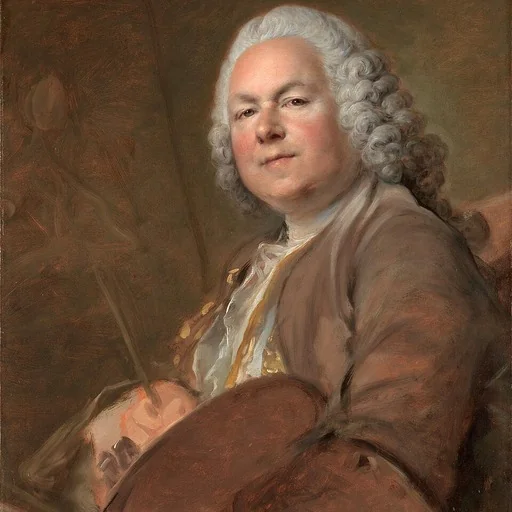
Jean-Marc Nattier (French pronunciation: ; 17 March 1685 – 7 November 1766) was a French painter.

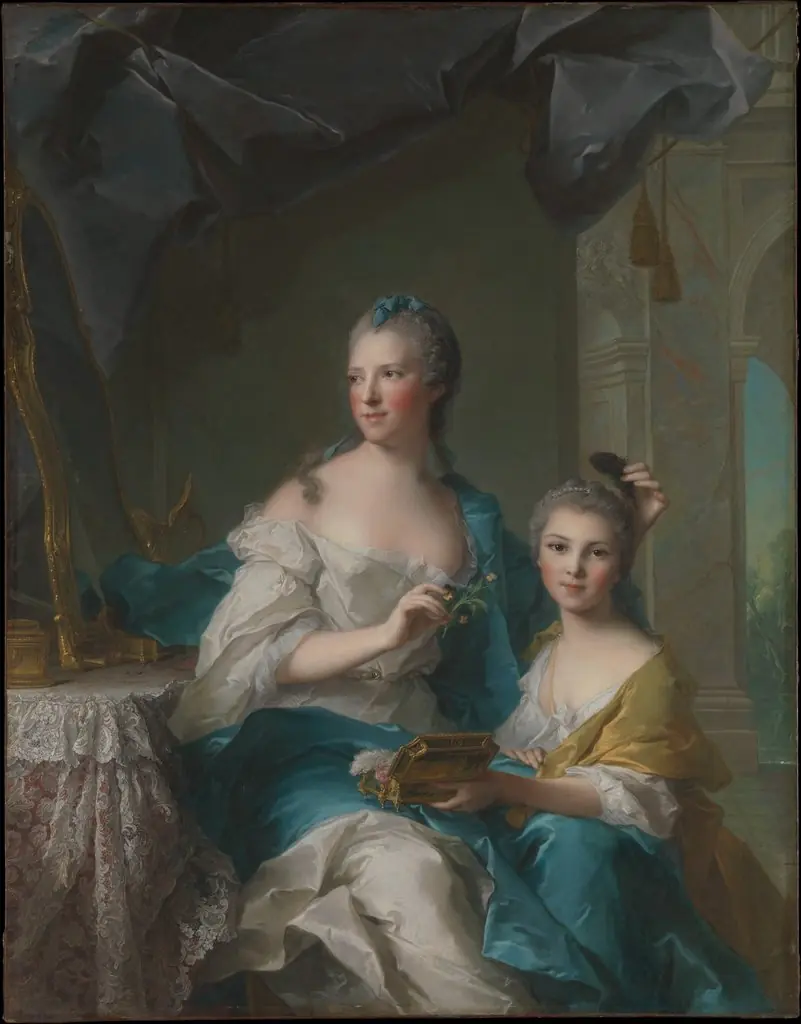 Madame Marsollier and Her Daughter
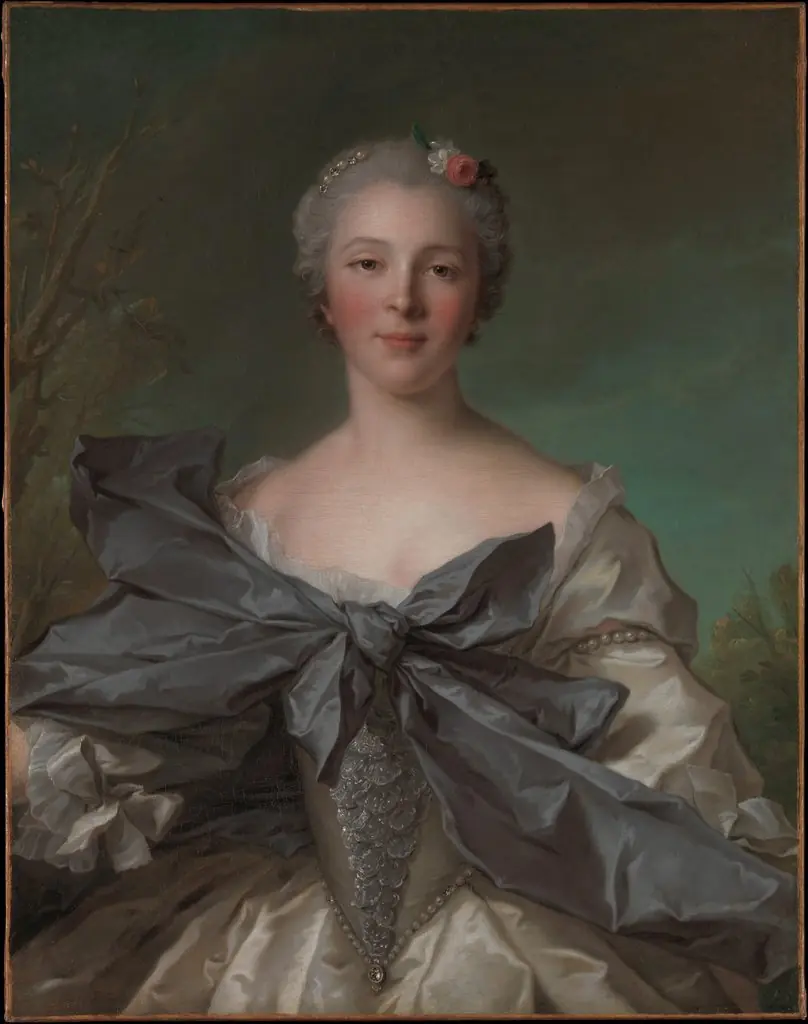 Marie Françoise de La Cropte de St. Abre, Marquise d'Argence
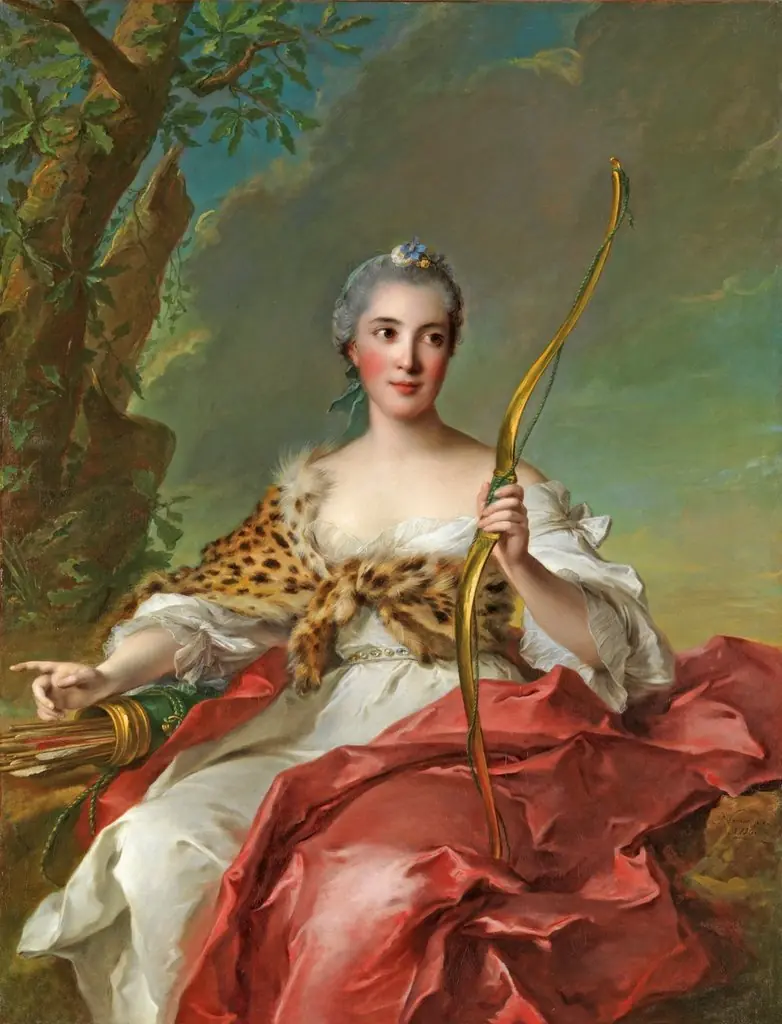 Madame Bergeret de Frouville as Diana
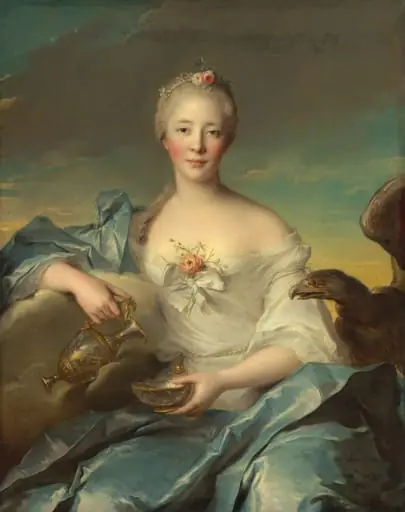 Madame Le Fèvre de Caumartin as Hebe
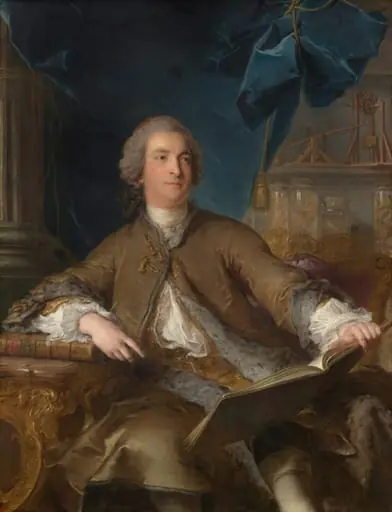 Joseph Bonnier de la Mosson
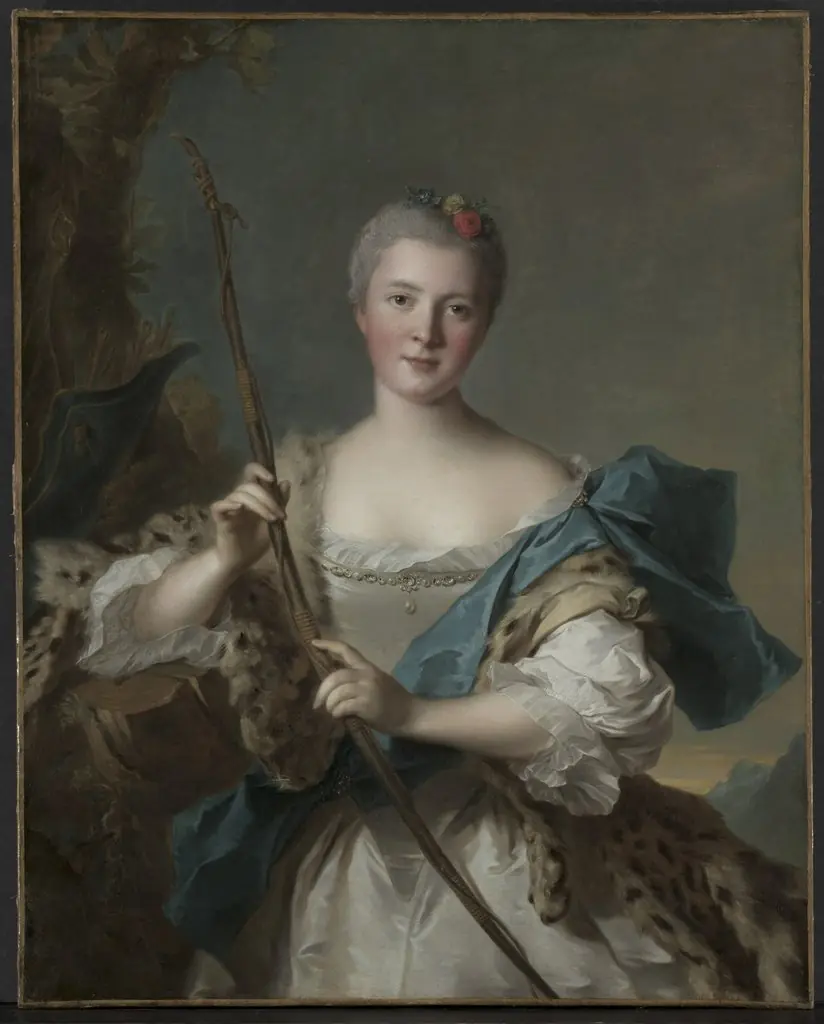 Portrait of a Woman as Diana
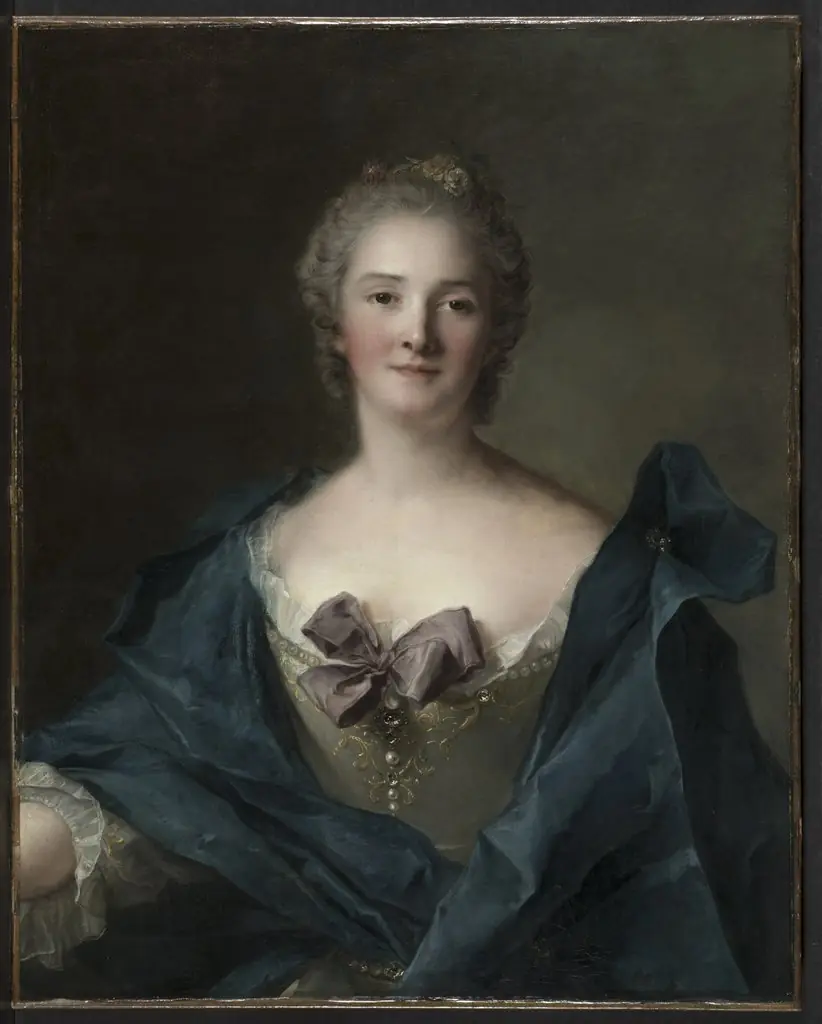 Portrait of a Woman
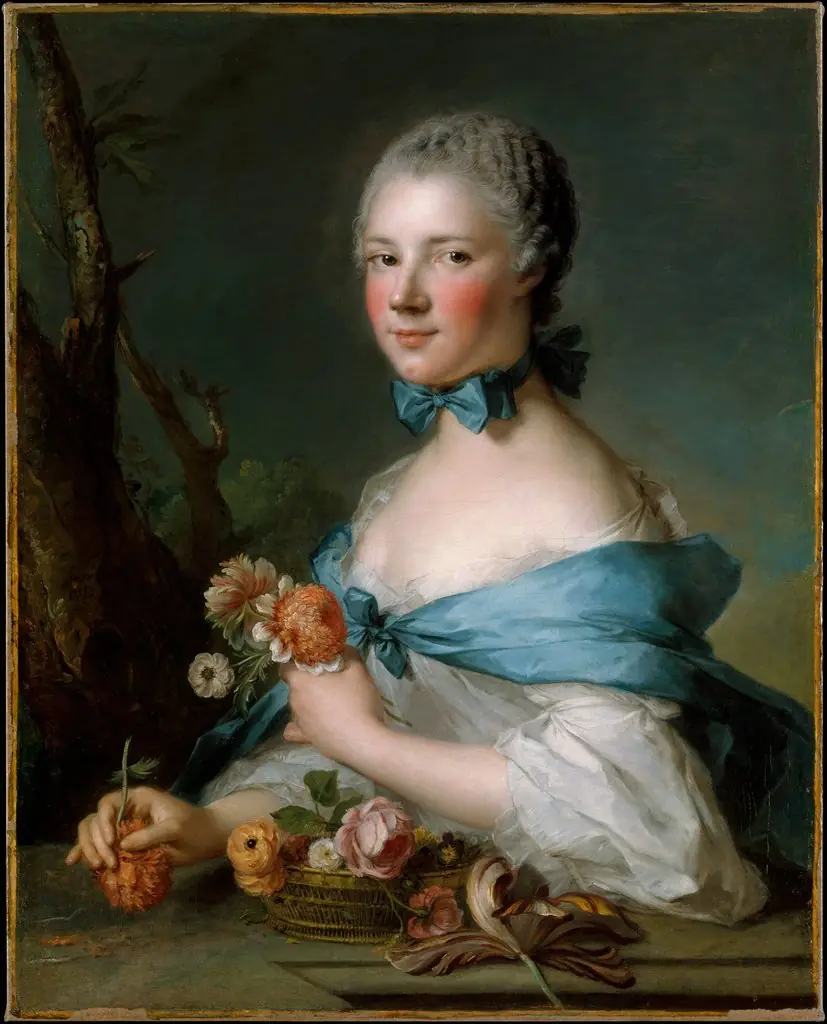 Portrait of a Woman, Called the Marquise Perrin de Cypierre
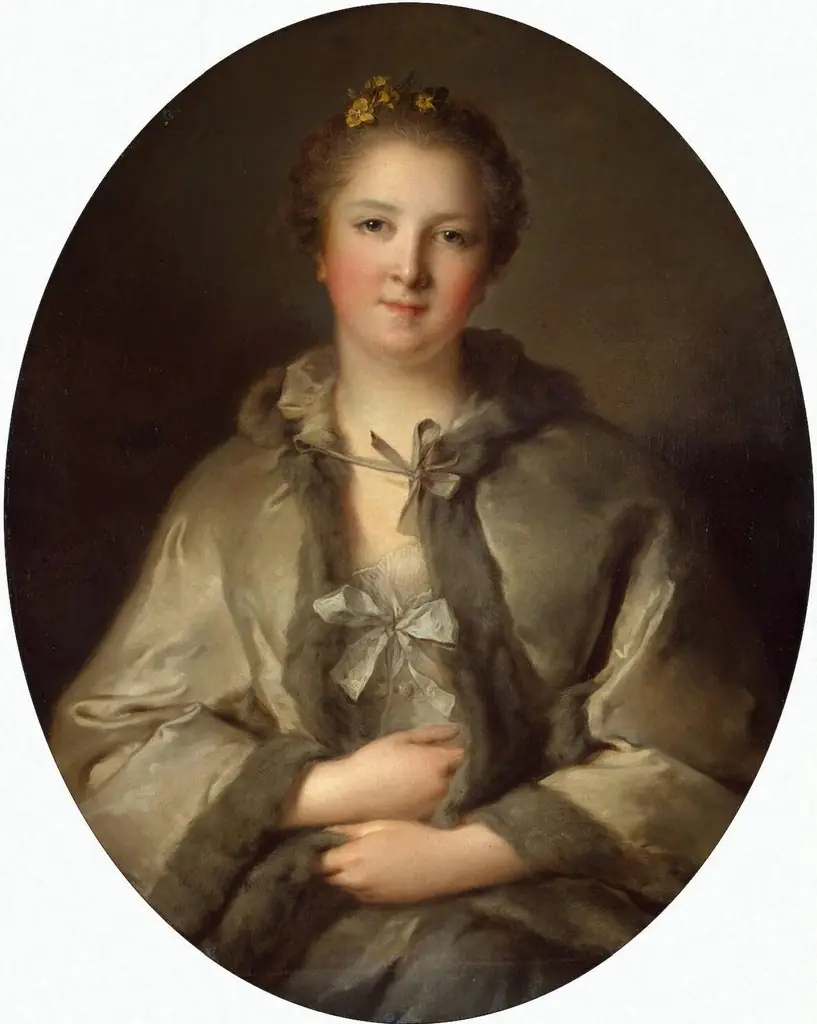 Portrait of a Woman in Grey
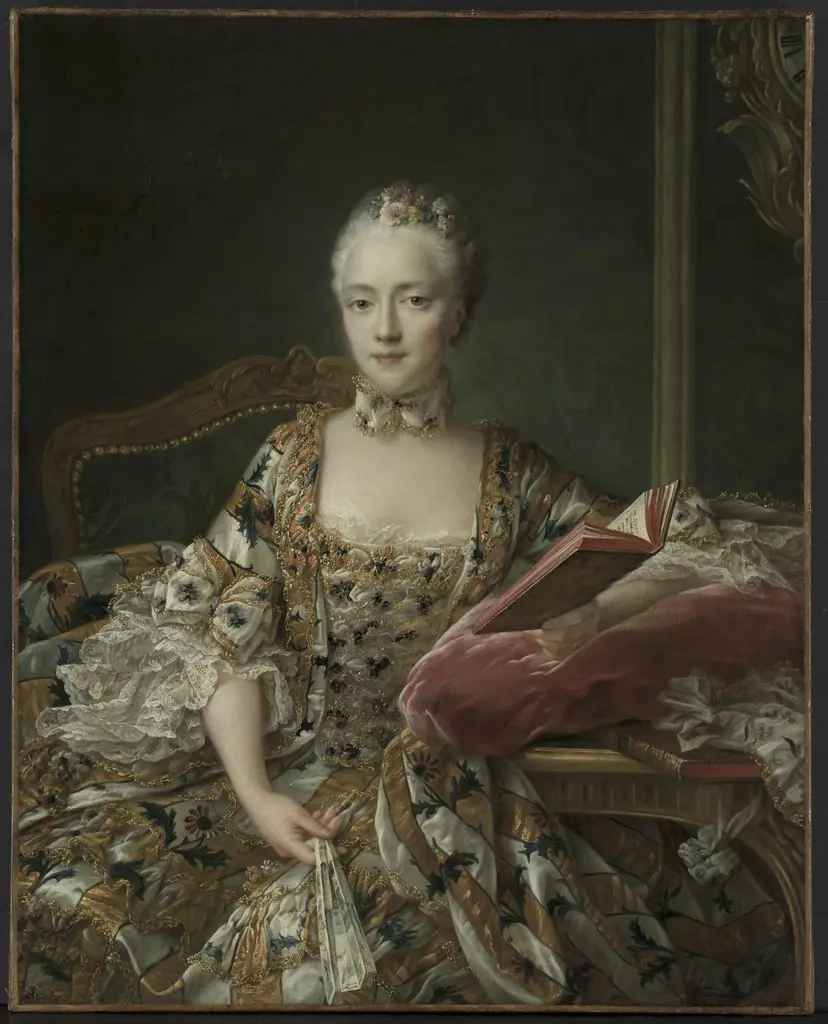 Portrait of the Marquise d'Aguirandes
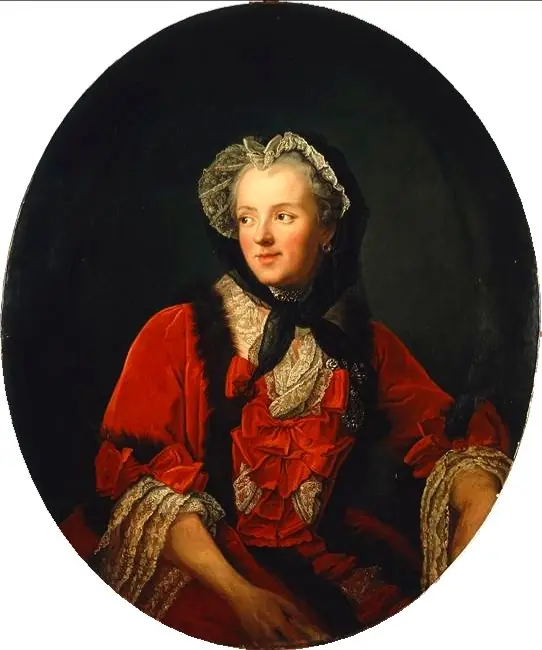 Marie Leszczyńska, Queen of France (1703–1768)
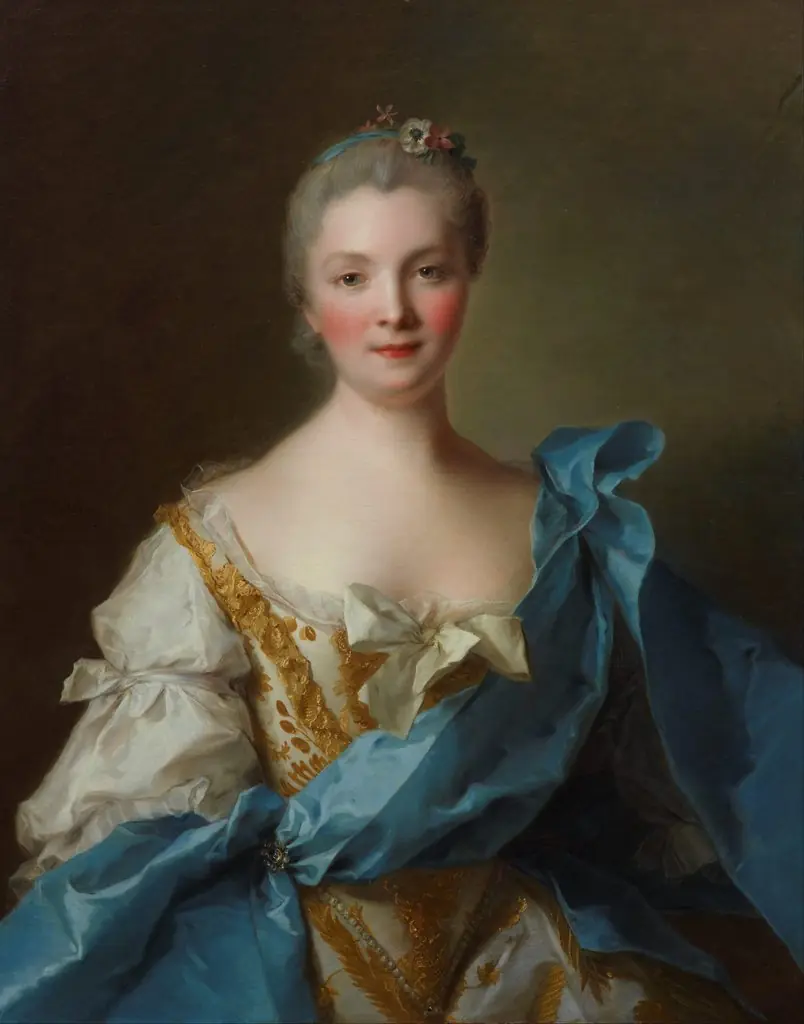 Madame de La Porte
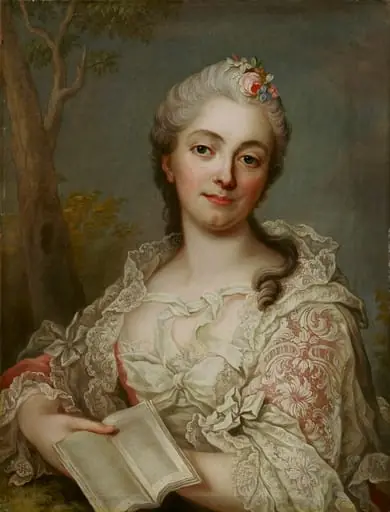 Kreivitär Antoinetta Virginia Gyllenborg
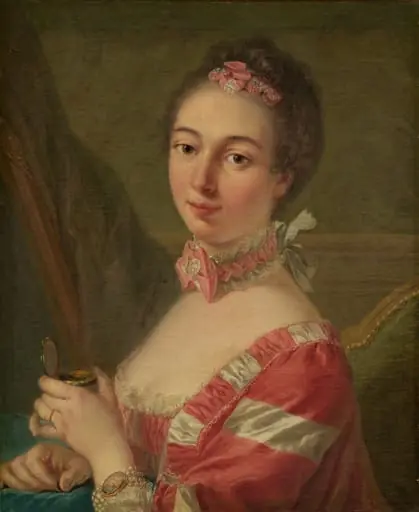 Portrait of a Lady
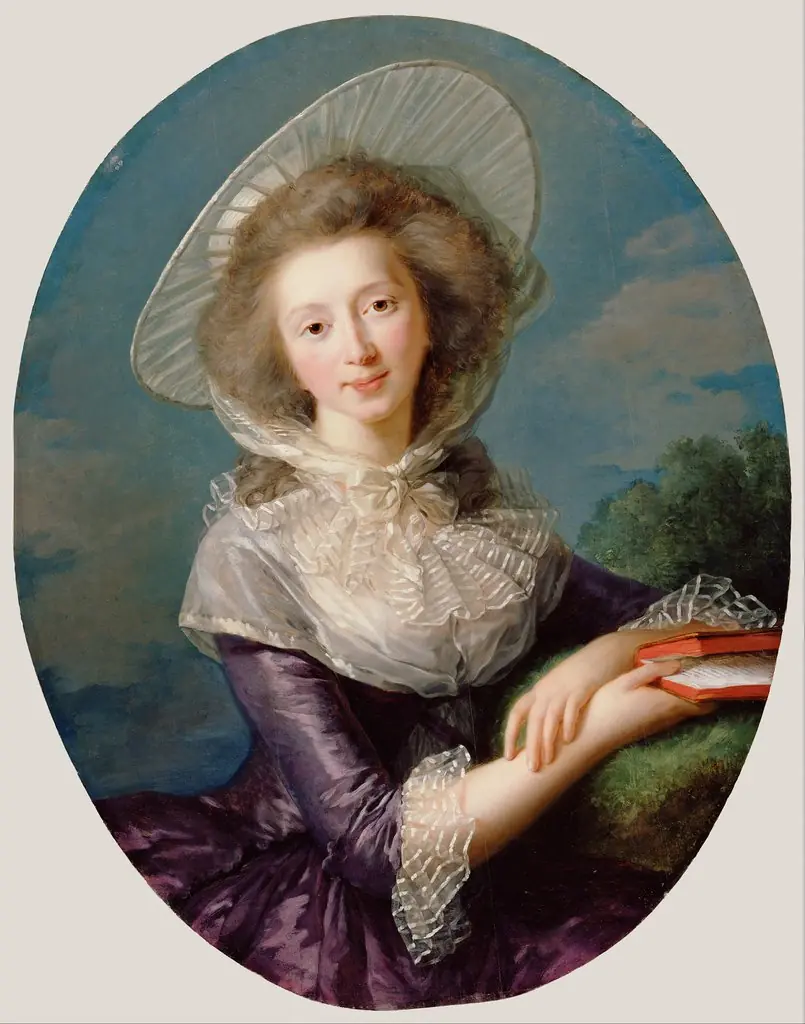 The Vicomtesse de Vaudreuil
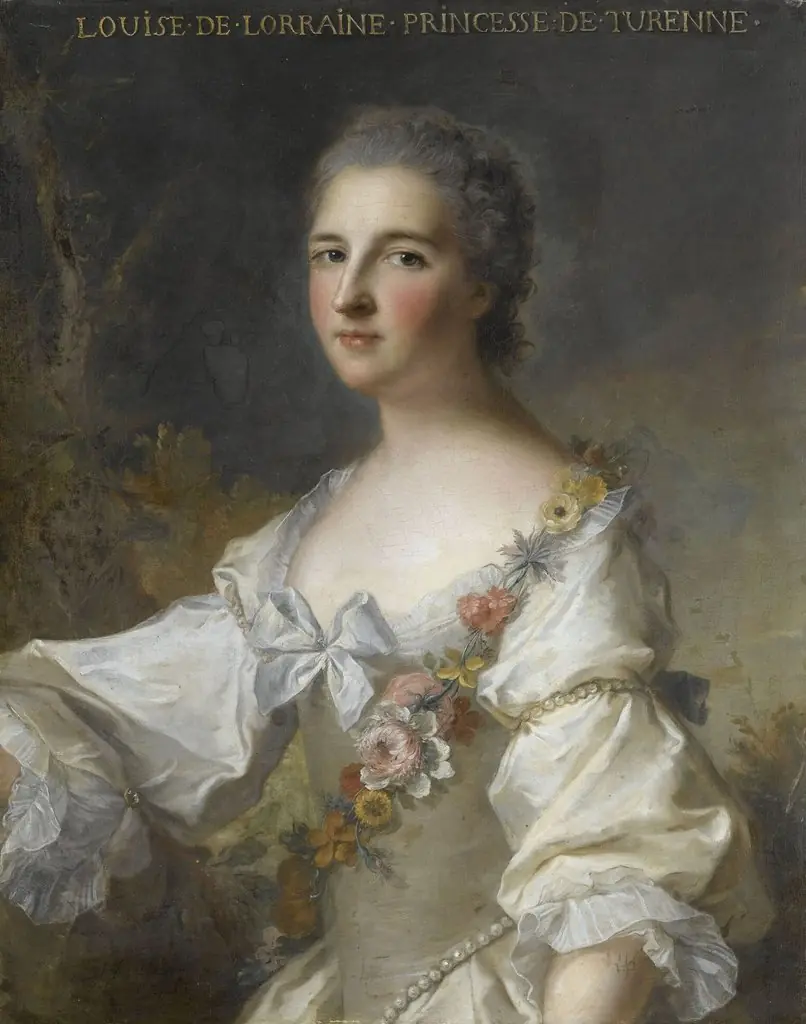 Louise-Henriette-Gabrielle de Lorraine, princesse de Turenne, duchesse de Bouillon (1718-1788)