Artwork
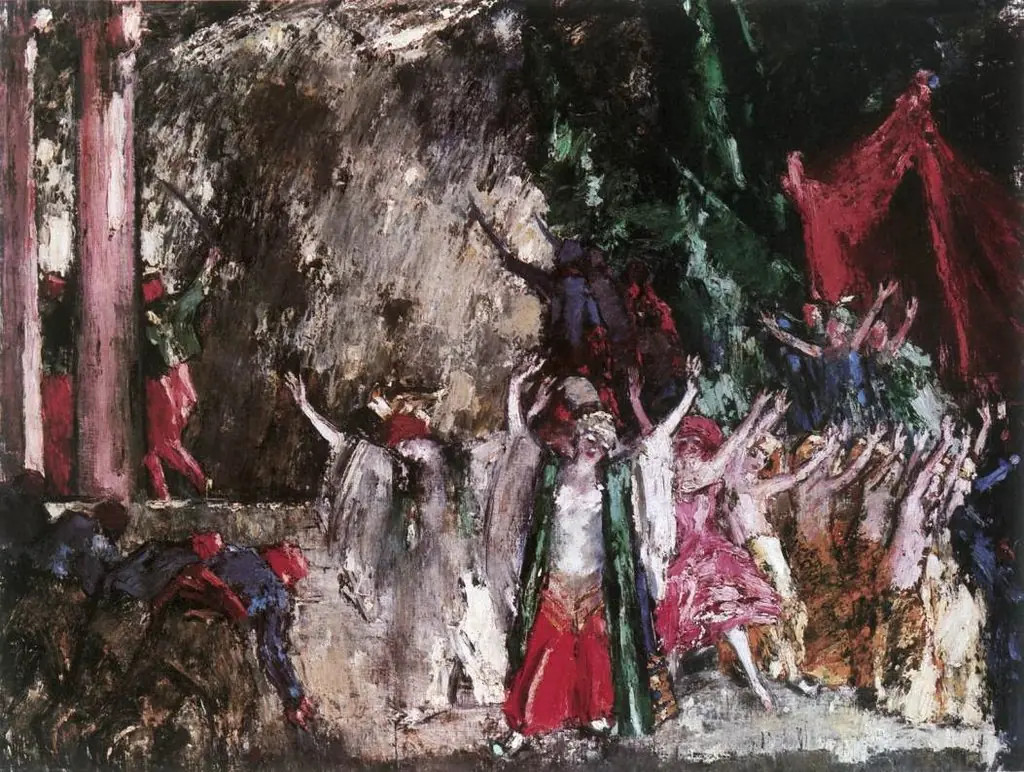
A Cabaret Scene in Damascus
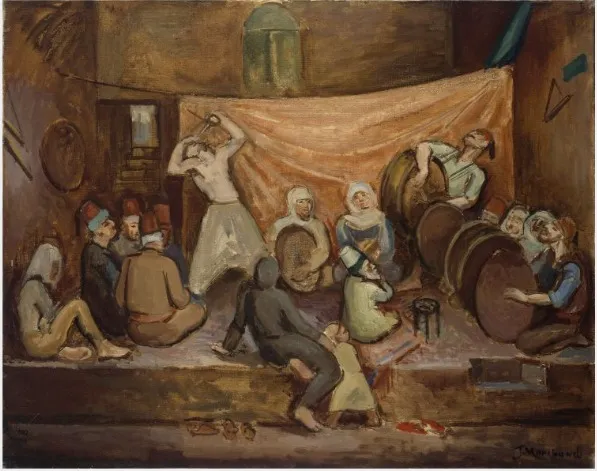
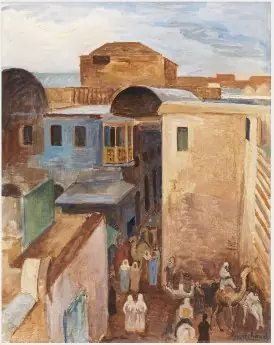
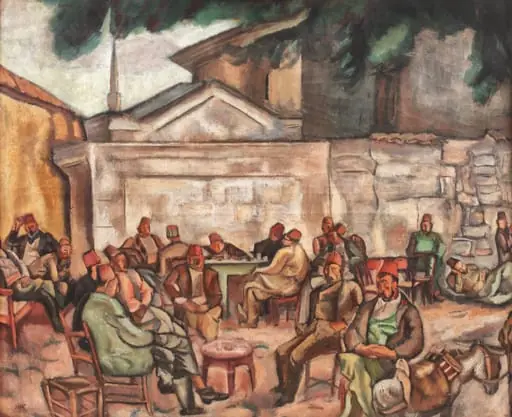
A Cabaret Scene in Damascus is an oil painting by the Orientalist artist Jean Marchand. It dates from 1936 and is held in the collection of the National Gallery of Ireland.
About this work
Overview
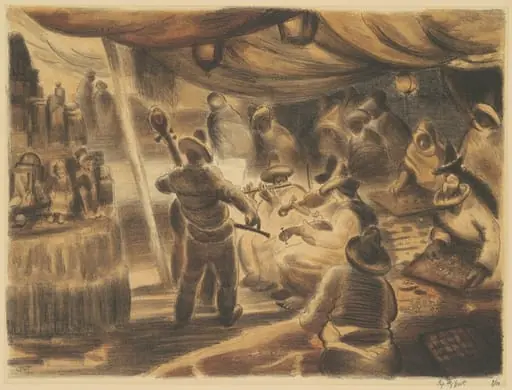
A Cabaret Scene in Damascus, painted in 1936 by French artist Jean Marchand, is an oil painting depicting a vibrant nocturnal gathering in a Damascus cabaret, characterized by dynamic energy and intimate atmosphere.
Subject & Meaning
The painting captures a moment of lively performance and spectatorship within a Damascus cabaret, conveying the emotional intensity of the scene through the interaction of musicians, dancers, and onlookers.
Technique & Style
Marchand employs chiaroscuro to create depth, guiding the viewer's attention to central figures such as the drummer and the scarf-dancing man, set against a backdrop of warm, dimly lit colors and soft shadows.
History & Provenance
Created in 1936, the work is associated with the Orientalist movement and is currently part of the National Gallery of Ireland's collection.
Context
While Marchand was linked to the Cubist movement and the Bloomsbury Group, this work reflects his engagement with Orientalist themes, focusing on the exotic allure of Middle Eastern nightlife.
Legacy
As a genre scene, A Cabaret Scene in Damascus showcases Marchand's ability to encapsulate a cultural moment, though its broader impact on his oeuvre or the Orientalist movement is not distinctly defined in available records.
Artist & collection
Artist
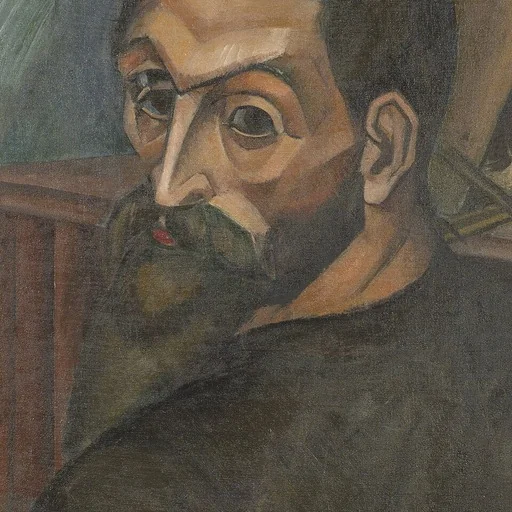
Jean Hippolyte Marchand (French pronunciation: ; 21 November 1883 – 1940) was a French cubist painter, printmaker and illustrator with an association with figures of the Bloomsbury Group.