Artwork
Saint Catherine
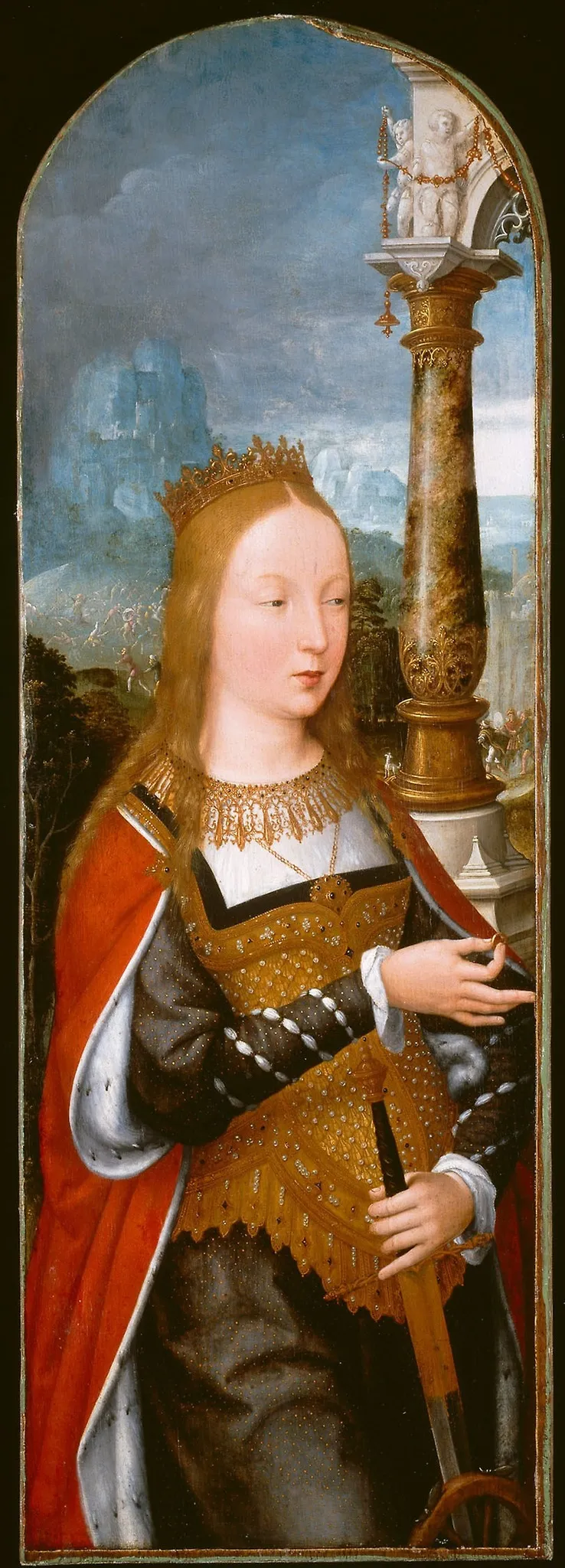
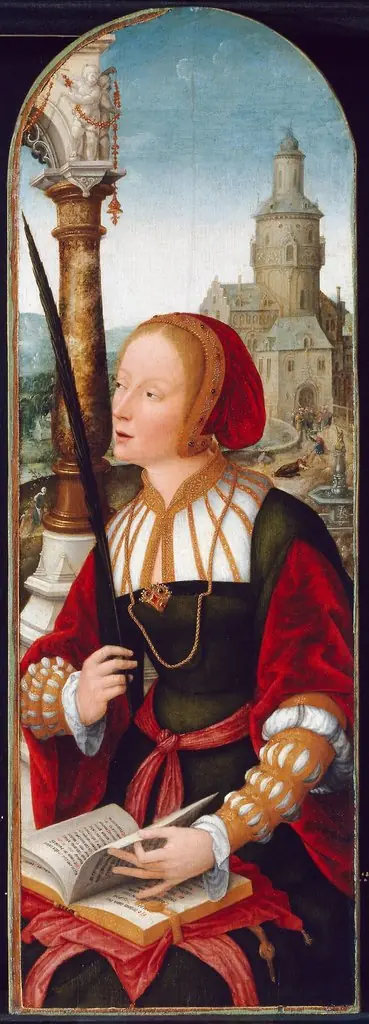
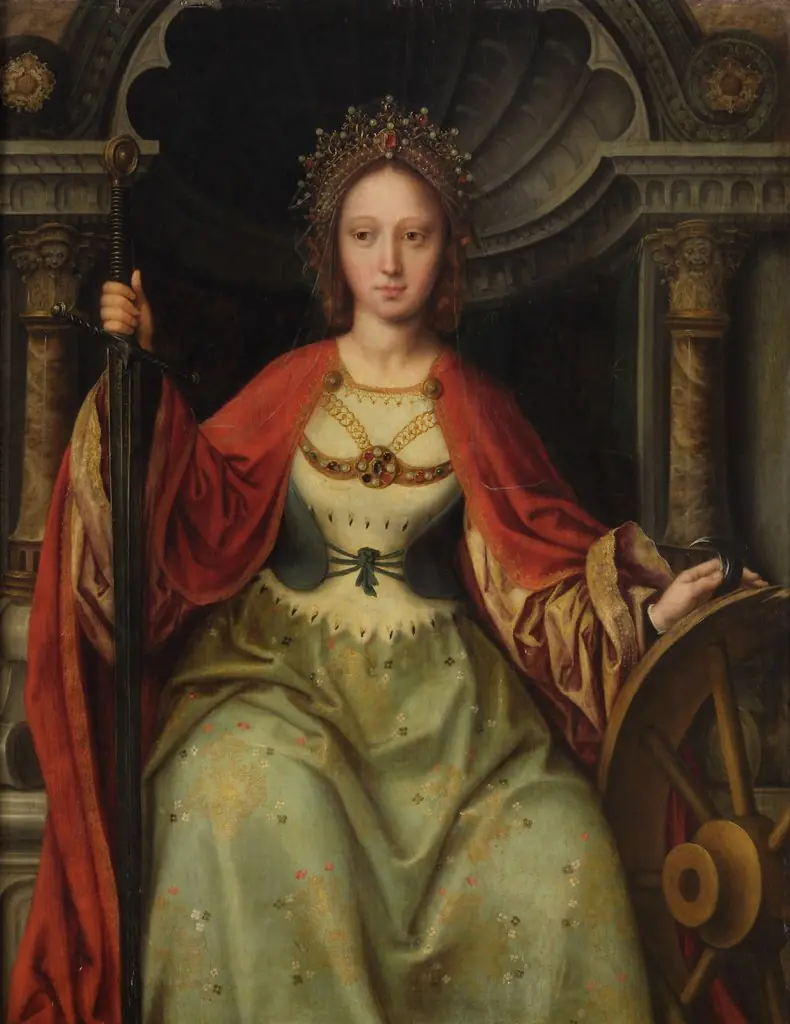
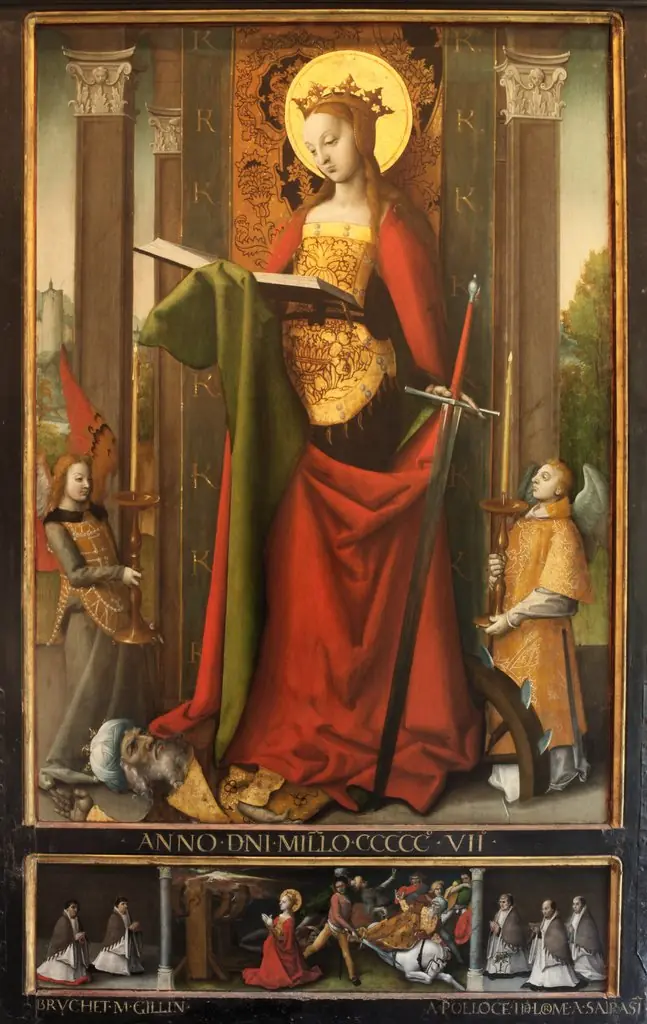
Saint Catherine is an unspecified painting by the Northern Renaissance artist Jehan Bellegambe. It dates from 1520 and is held in the collection of the Art Institute of Chicago.
About this work
Overview
The painting reflects the Northern Renaissance emphasis on spiritual introspection and material richness, executed in oil on panel with precision and restraint.
Painted around 1520 by Jehan Bellegambe, a French-speaking artist from the Southern Netherlands, this work is a devotional panel depicting Saint Catherine. Bellegambe, known for his refined use of color and meticulous detail, worked primarily on religious commissions for churches and private patrons. The painting reflects the Northern Renaissance emphasis on spiritual introspection and material richness, executed in oil on panel with precision and restraint.
Subject & Meaning
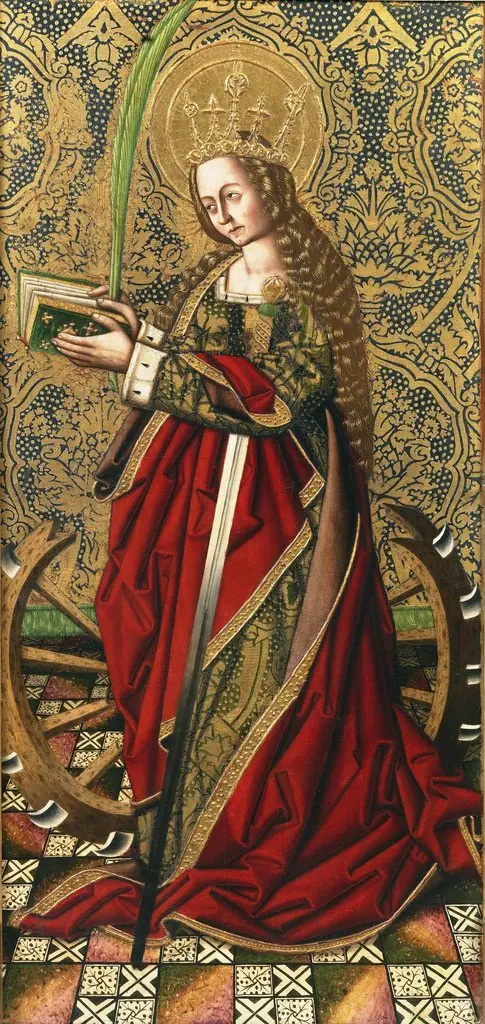
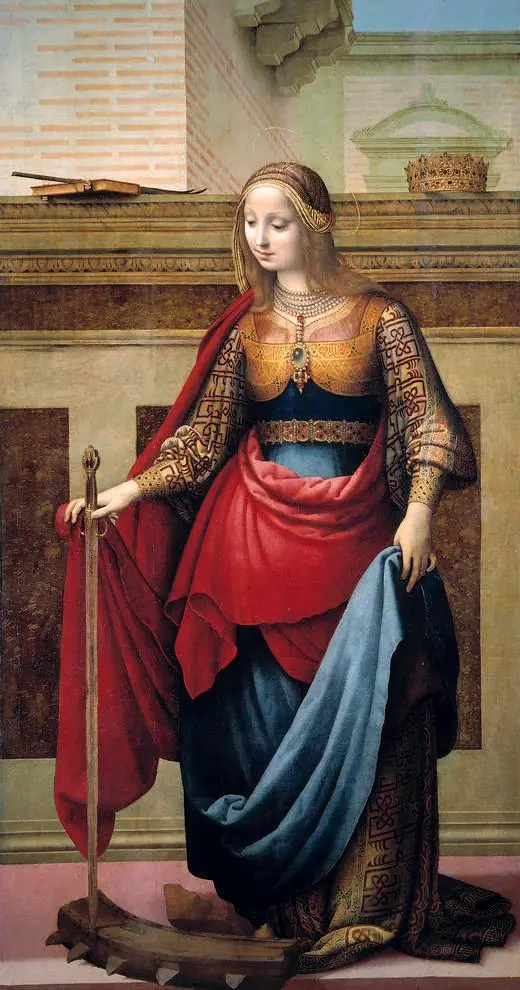
Saint Catherine of Alexandria, a fourth-century martyr, is shown holding the sword of her execution and standing beside a broken wheel, her traditional attribute. The crown signifies her royal lineage and spiritual authority, while the statue atop the pillar likely represents the pagan philosophers she defeated in debate. Her composed expression and elaborate attire convey both her nobility and her steadfast faith, aligning with medieval hagiographic ideals of learned sanctity.
Technique & Style
Bellegambe employed thin, layered glazes to achieve luminous textures in the saint’s garments, particularly in the crimson cloak and the metallic sheen of her dress. Fine brushwork renders the intricate patterns of embroidery and the delicate highlights on her hair. The background, softly modeled with muted greens and blues, recedes into a hazy landscape, enhancing the figure’s presence without competing for attention. The composition is frontal and symmetrical, typical of devotional portraiture of the era.
History & Provenance
The painting entered the Art Institute of Chicago’s collection in the early 20th century, though its earlier ownership remains undocumented. Likely created for private devotion or a small chapel, it may have once been part of a larger altarpiece. Its survival in good condition suggests careful preservation, possibly within a religious or aristocratic household in the Low Countries before its eventual migration to the United States.
Context
In early 16th-century Flanders, religious imagery remained central to artistic production, even as humanist ideas spread. Artists like Bellegambe blended traditional iconography with emerging naturalism, responding to both devotional needs and elite tastes. The detailed rendering of textiles and objects reflects a broader cultural fascination with materiality, while the saint’s intellectual symbolism resonated with educated patrons who valued learning as a form of piety.
Legacy
Bellegambe’s work, though less widely known than contemporaries like Jan van Eyck or Albrecht Dürer, exemplifies the quiet sophistication of regional Northern Renaissance painting. His ability to convey spiritual gravity through subtle color and texture influenced later devotional panels in the region. Today, this painting stands as a representative example of how religious identity was visually sustained in a period of profound cultural change.
Artist & collection
Artist
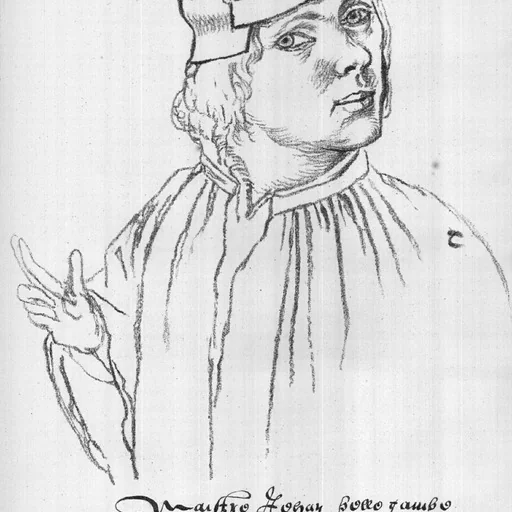
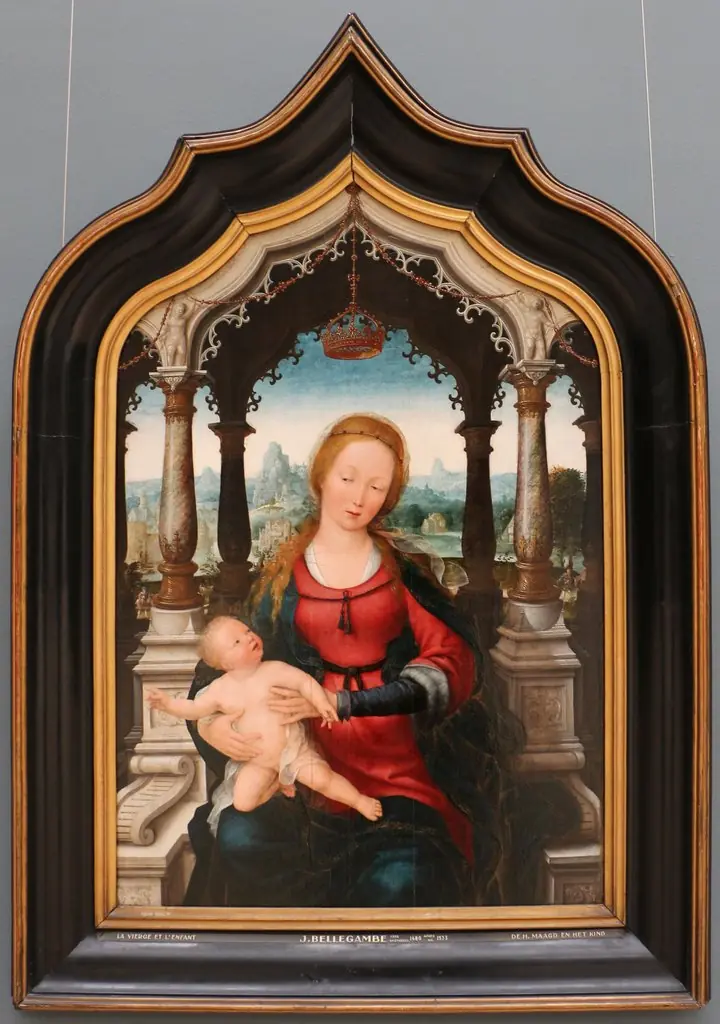
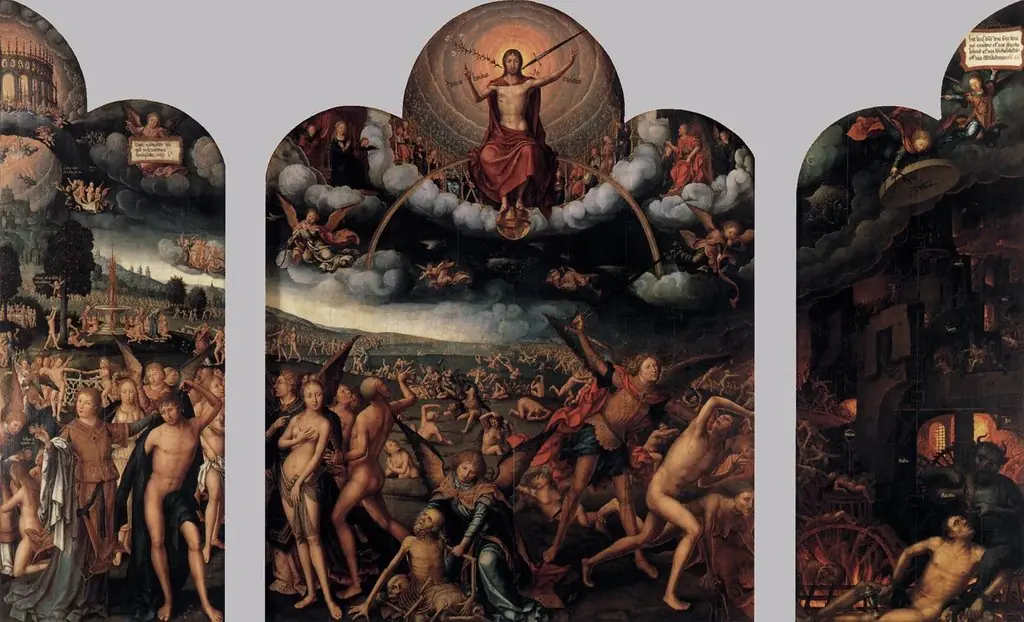
Jehan Bellegambe or Jean Bellegambe (sometimes Belgamb or Belganb) (c. 1470 – c. June 1535/March 1536) was a French-speaking Flemish painter of religious paintings, triptychs and polyptychs, the most important of which…

![Saint Catherine [right wing exterior], by Master of the Starck Triptych](https://artifactworldgallery.com/img/master-of-the-starck-triptych--saint-catherine-right-wing-exterior--33943bd5985ff592-w320.webp)