Artwork
Saint Barbara
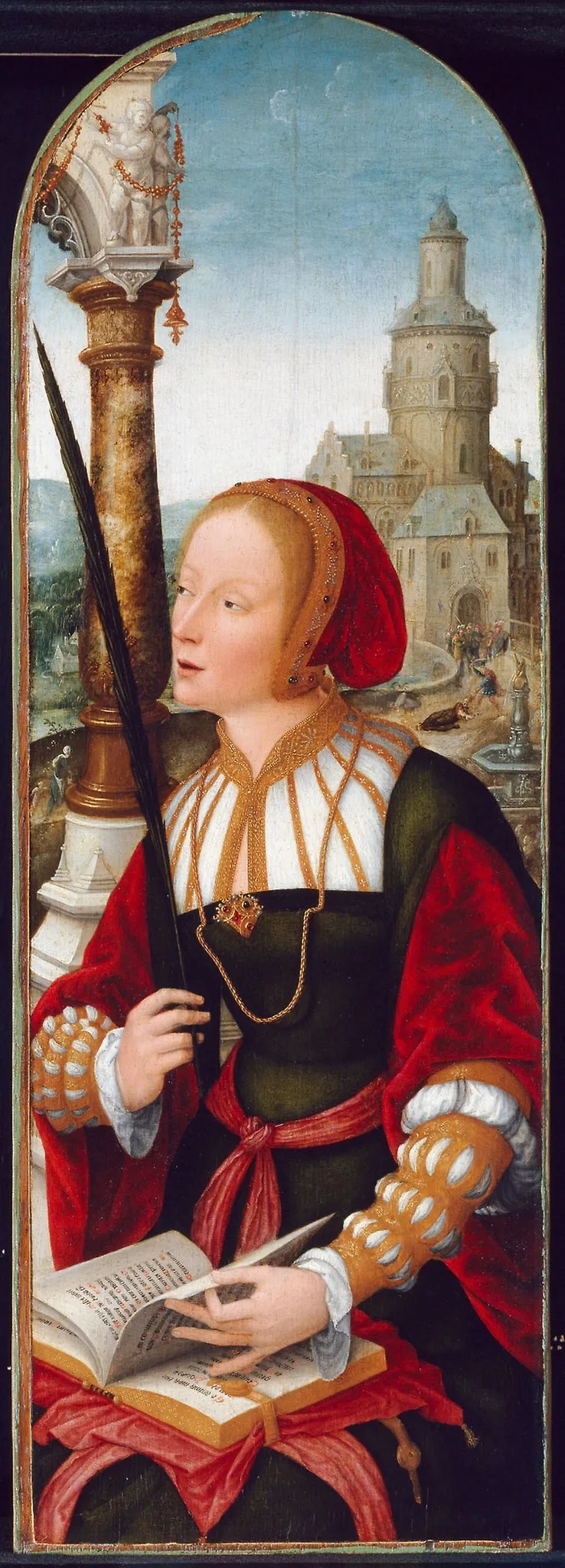
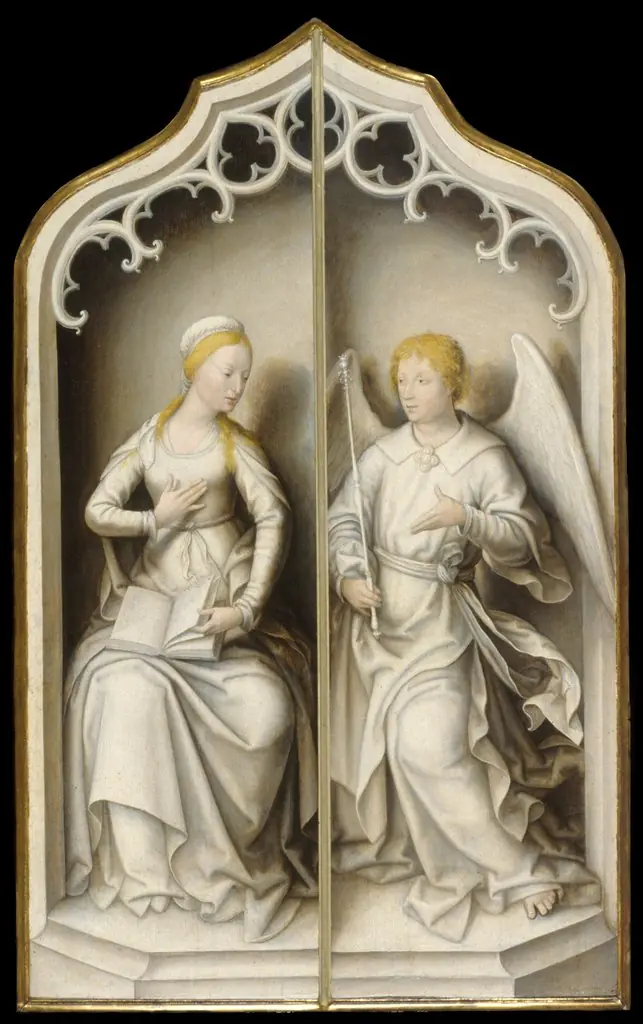
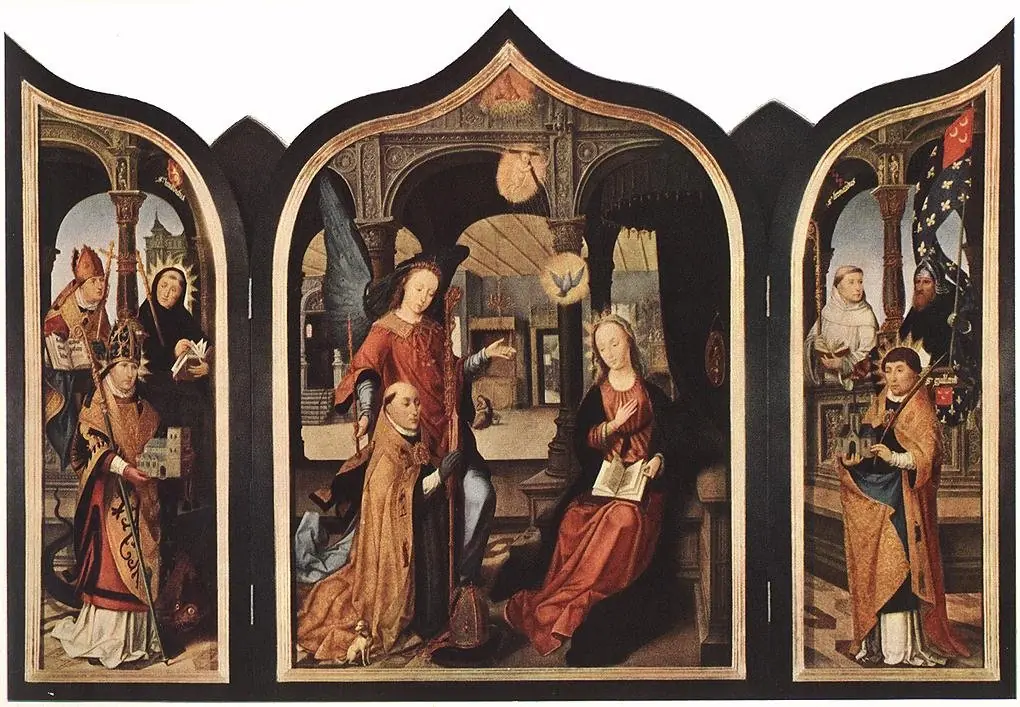
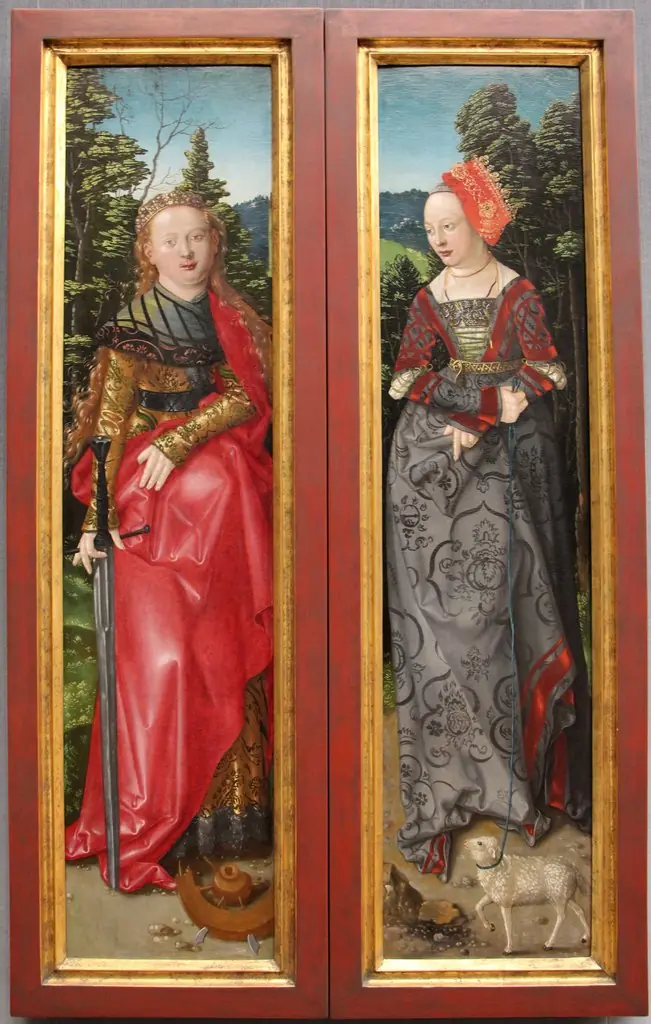
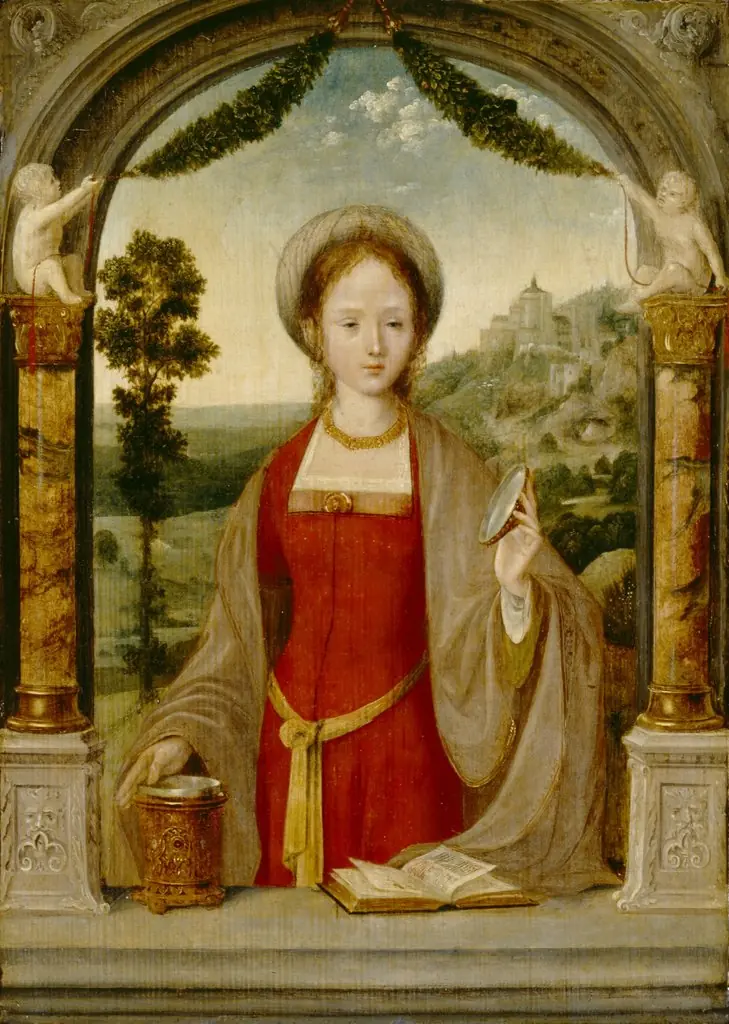
Saint Barbara is an unspecified painting by the Northern Renaissance artist Jehan Bellegambe. It dates from 1520 and is held in the collection of the Art Institute of Chicago.
About this work
Overview
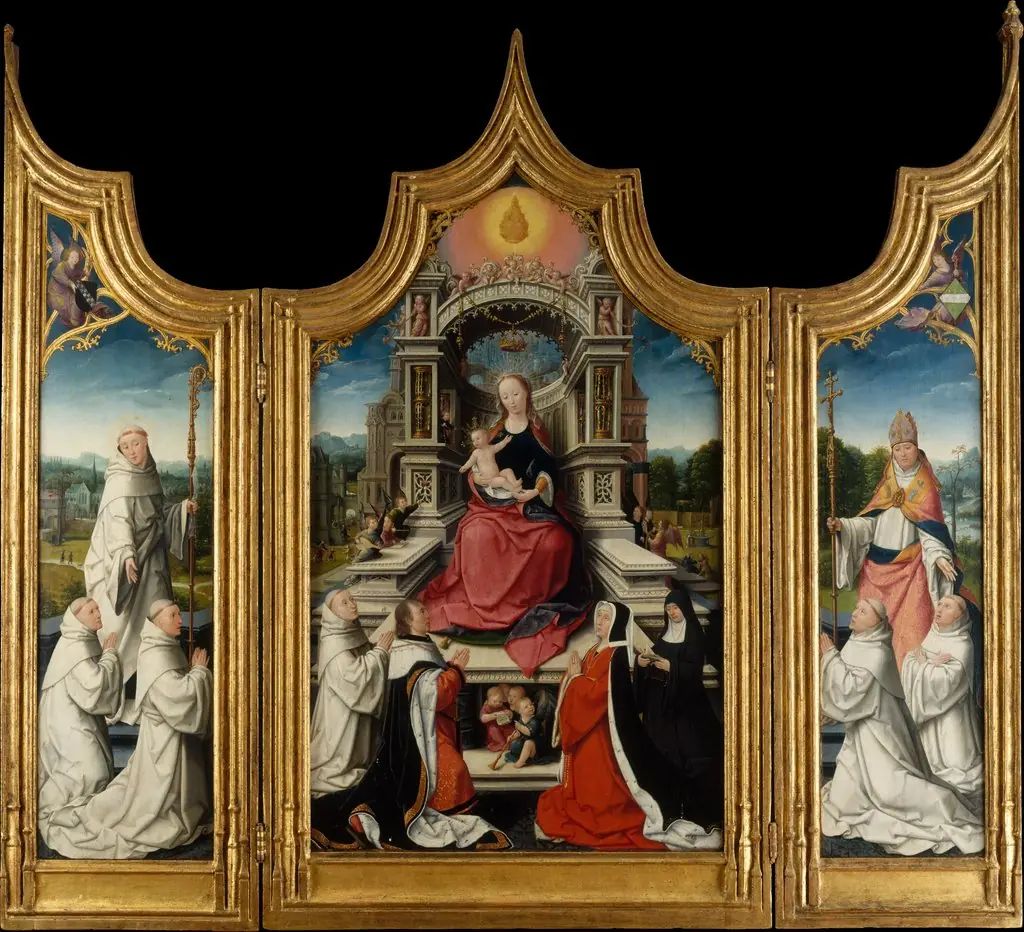
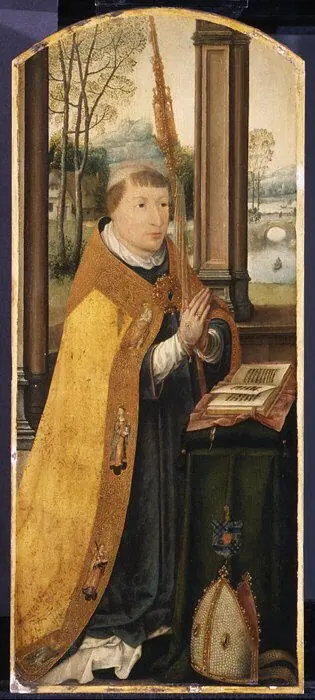
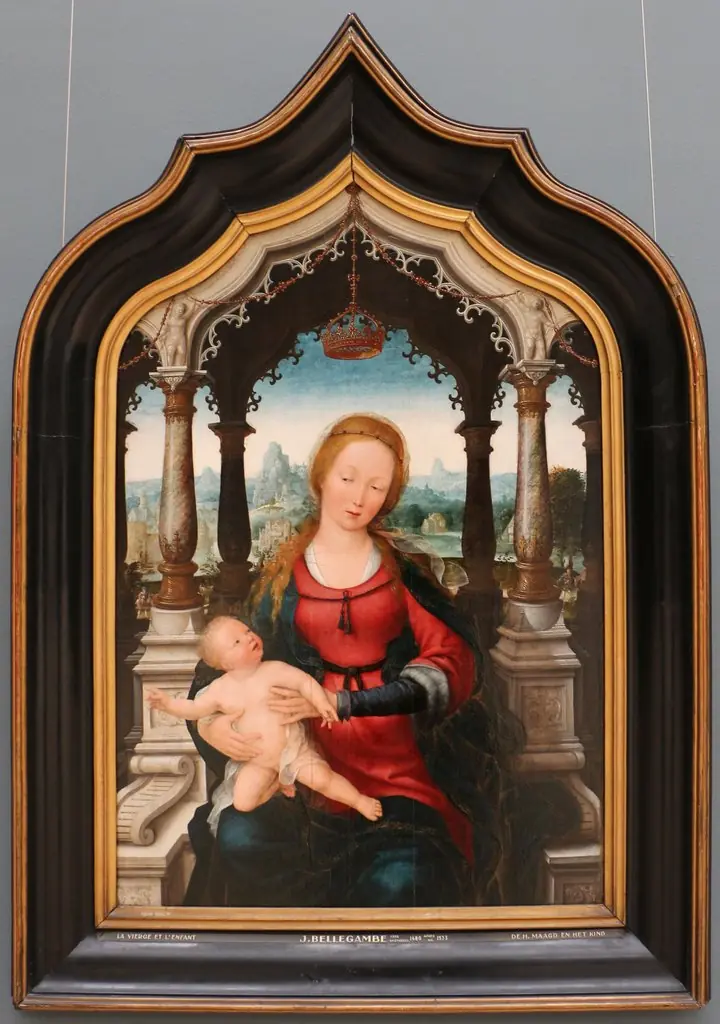
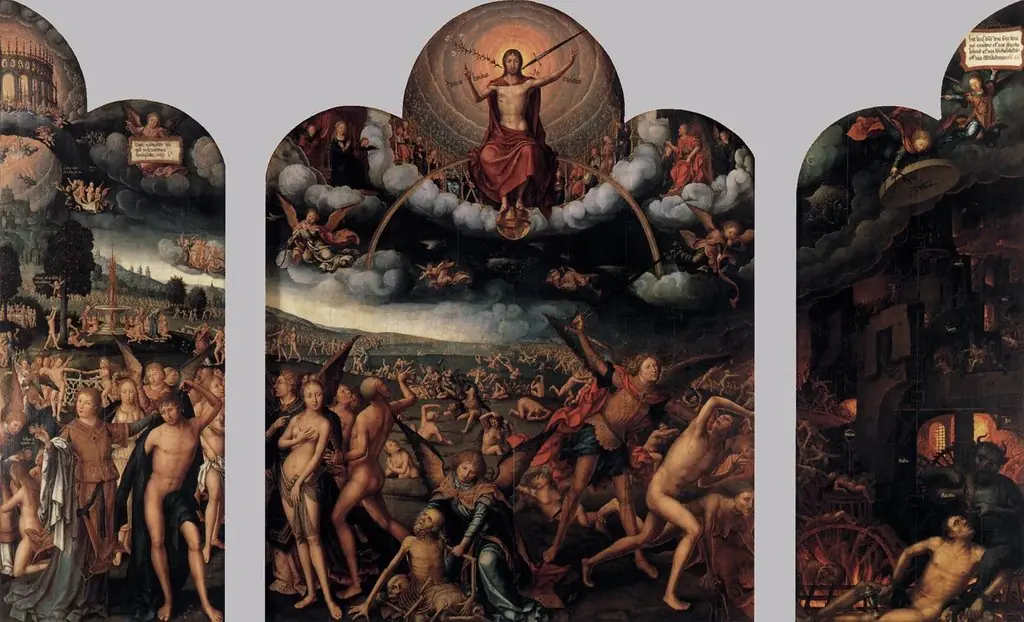
Saint Barbara is a painting created by Jehan Bellegambe, a Flemish artist known for his nuanced color techniques, around 1520. The work is characteristic of his specialization in religious subjects and is now part of the Art Institute of Chicago's collection.
Subject & Meaning
The painting portrays Saint Barbara, a Christian martyr symbolizing piety and protection. Her attire—a red hooded cloak, dark dress with gold embroidery, and a cross necklace—conveys her religious significance. She holds a worn book and a staff, emphasizing devotion and guidance.
Technique & Style
Bellegambe's 'Saint Barbara' showcases his mastery of translucent glazes and harmonious color palettes. The use of chiaroscuro is notable, with side lighting accentuating the subject's facial features and the contours of her hood, creating depth within the composition.
History & Provenance
Created circa 1520, the painting's history prior to its acquisition by the Art Institute of Chicago is not detailed here. It represents Bellegambe's early 16th-century output, characteristic of Flemish religious art of the time.
Context
While specific contextual details about the commission or original location of 'Saint Barbara' are not provided, it reflects the religious themes and artistic innovations of early 16th-century Flemish art, with Bellegambe's work standing out for its color refinement.
Legacy
As part of the Art Institute of Chicago's collection, 'Saint Barbara' contributes to the understanding and appreciation of Jehan Bellegambe's artistic contributions and the broader Flemish painting tradition of his era.
Artist & collection

Artist
Jehan Bellegambe or Jean Bellegambe (sometimes Belgamb or Belganb) (c. 1470 – c. June 1535/March 1536) was a French-speaking Flemish painter of religious paintings, triptychs and polyptychs, the most important of which…