Artwork
Uvejrslandskab
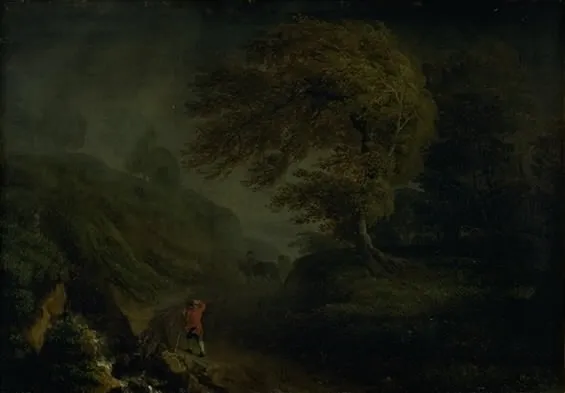
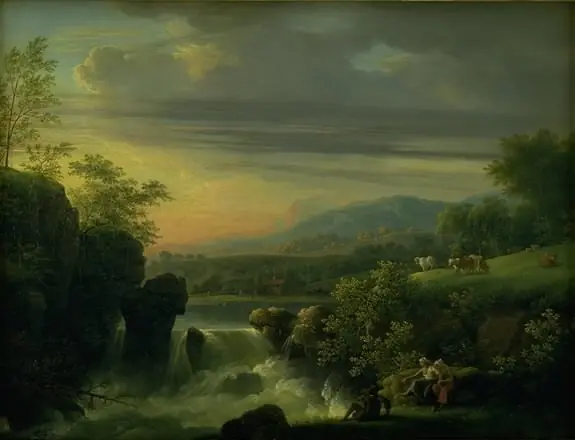
Uvejrslandskab is an oil painting by the Rococo painting artist Jens Juel. It dates from 1791 and is held in the collection of the Statens Museum for Kunst.
About this work
Overview
Painted in 1791 by Jens Juel, *Uvejrslandskab* is an oil-on-canvas landscape that departs from the artist’s more familiar portrait work. Though Juel was renowned for his formal commissions, this piece reveals his engagement with the natural world. It resides in the collection of Statens Museum for Kunst, representing a quieter, reflective side of his artistic output during the late 18th century.
Subject & Meaning
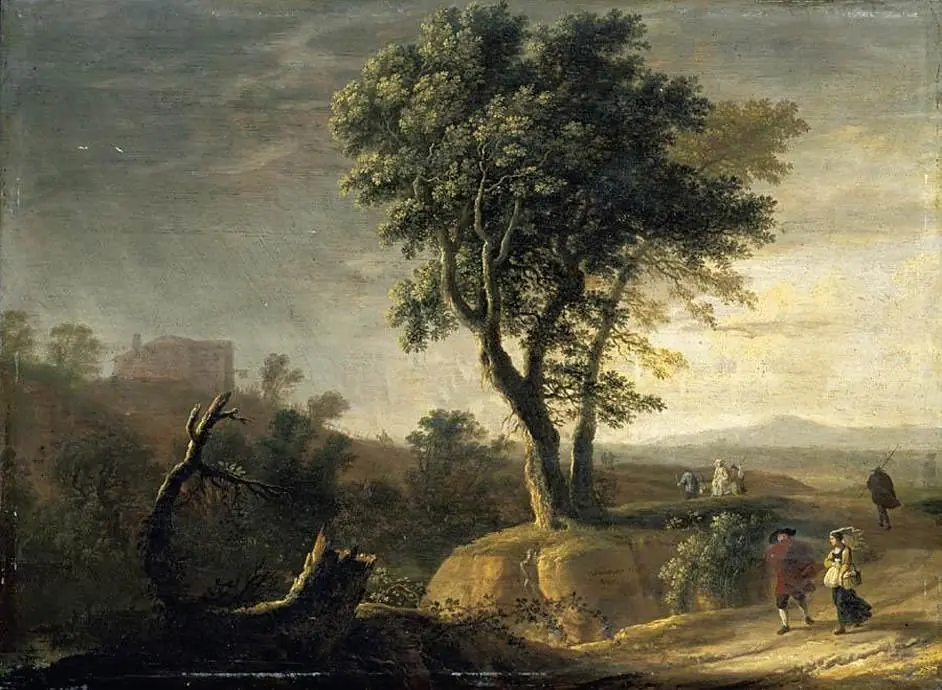
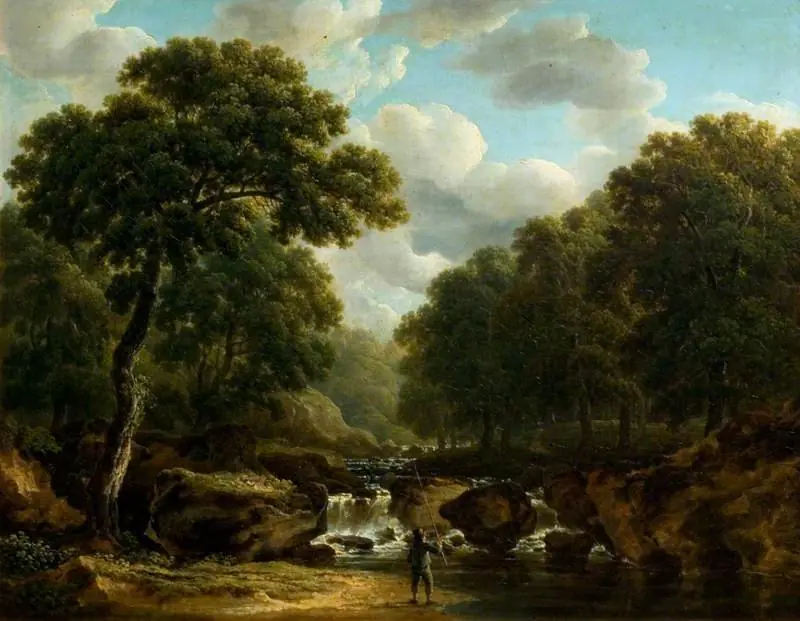
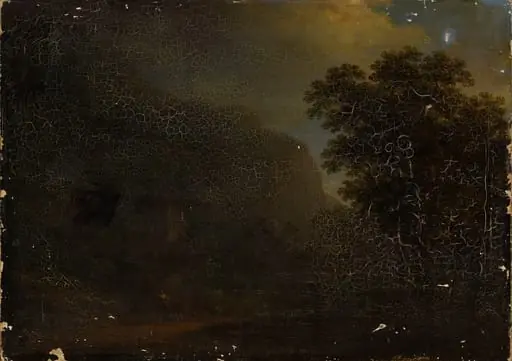
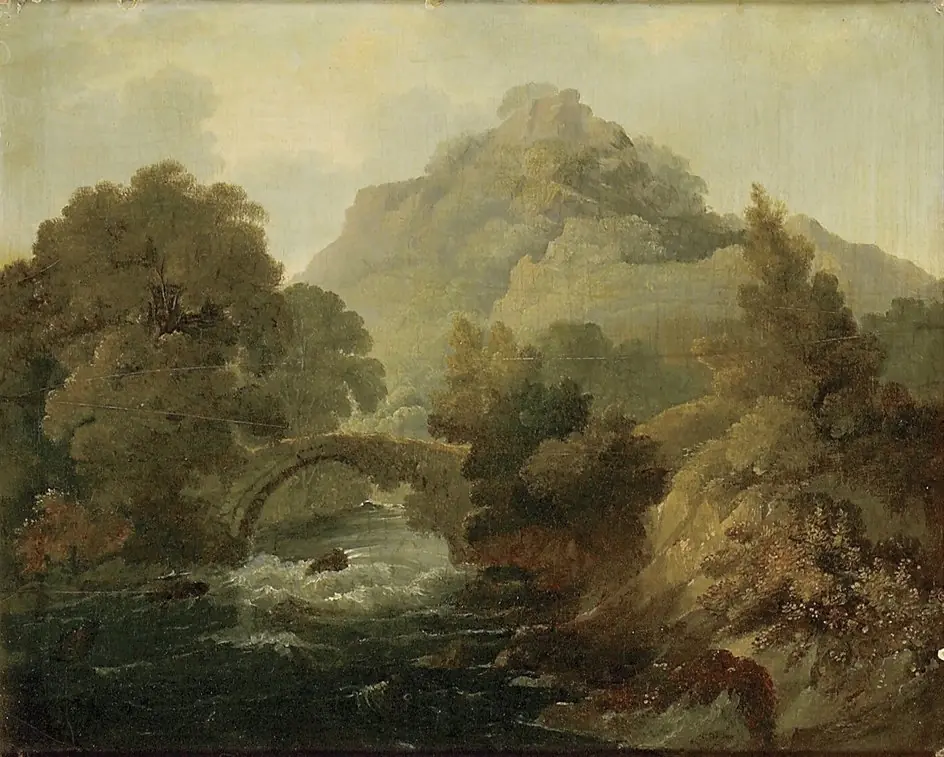
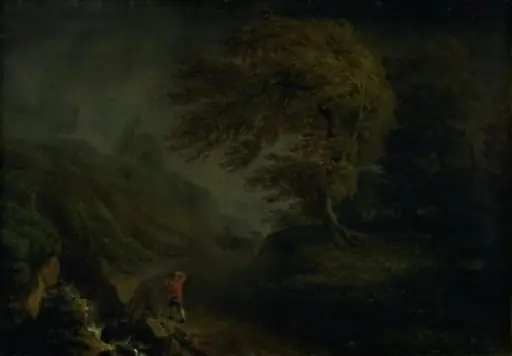
The painting presents a tranquil Danish countryside, centered on a solitary tree whose limbs extend horizontally across the composition. A diminutive figure in the foreground suggests human presence without narrative intrusion. The mist-laced hills and soft lighting evoke a mood of quiet contemplation, emphasizing harmony between nature and the observer rather than dramatic or symbolic content.
Technique & Style
The tree’s foliage is rendered with delicate brushwork, catching a golden glow that contrasts with the muted, hazy background.
Juel employed glazing techniques to build luminous layers of color, enhancing the subtle interplay of light and atmosphere. The tree’s foliage is rendered with delicate brushwork, catching a golden glow that contrasts with the muted, hazy background. The composition avoids sharp detail in the distance, using atmospheric perspective to deepen the sense of space and stillness characteristic of late Rococo sensibilities.
History & Provenance
Created in 1791, the painting entered the national collection of Denmark’s Statens Museum for Kunst, where it remains today. Unlike Juel’s portraits commissioned by royalty and nobility, this landscape appears to have been a personal or experimental work. Its survival and preservation suggest early recognition of its aesthetic value, even if it diverged from his primary reputation.
Context
In the late 18th century, Danish artists began turning from courtly portraiture toward landscapes that reflected national identity and natural beauty. *Uvejrslandskab* aligns with this shift, though it retains the refined, delicate handling of Rococo aesthetics. It reflects a broader European trend of valuing serene, unidealized nature, even as Neoclassicism gained momentum elsewhere.
Legacy
Though not widely exhibited, *Uvejrslandskab* stands as a quiet testament to Juel’s versatility and his role in expanding Danish painting beyond portraiture. It contributes to the understanding of how 18th-century Danish artists engaged with landscape as a subject worthy of careful observation, laying groundwork for later generations focused on national scenery.
Artist & collection
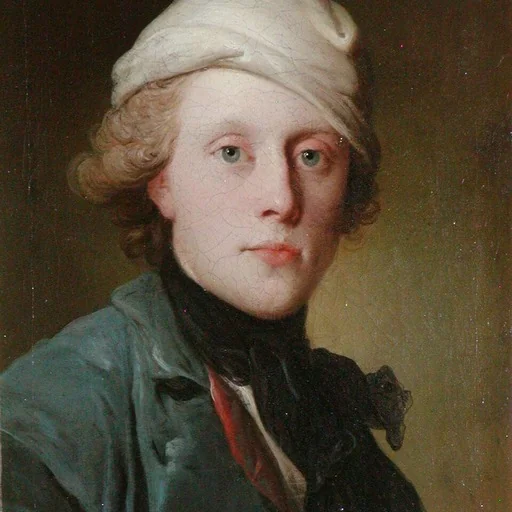
Artist
Jens Juel (12 May 1745 – 27 December 1802) was a Danish painter, primarily known for his many portraits, of which the largest collection is on display at Frederiksborg Castle.

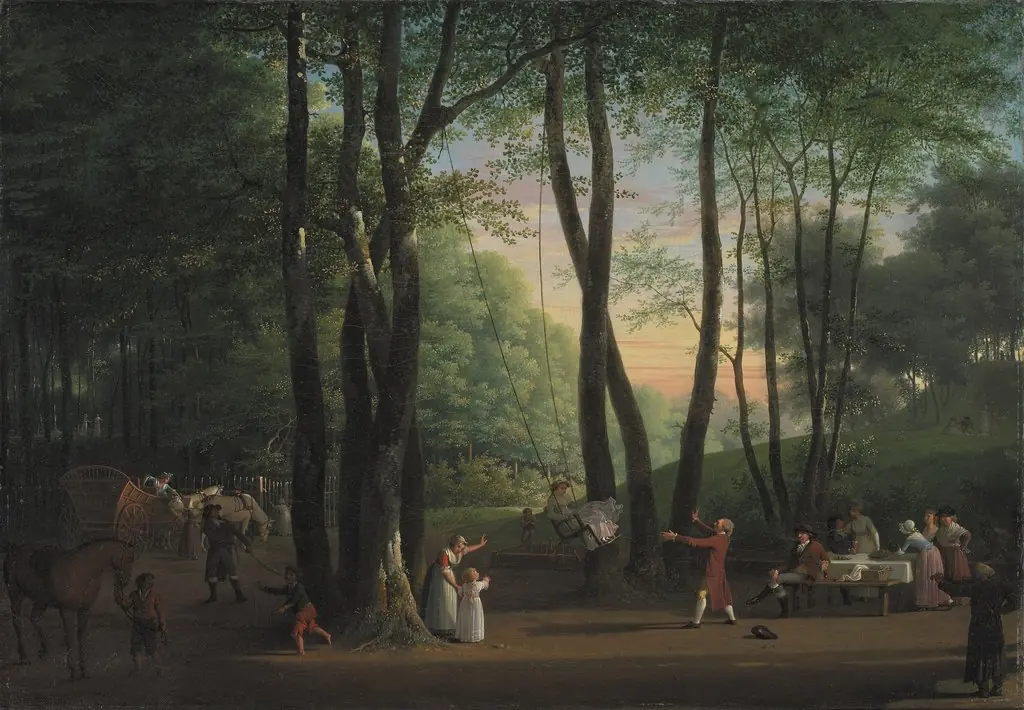 The Dancing Glade at Sorgenfri
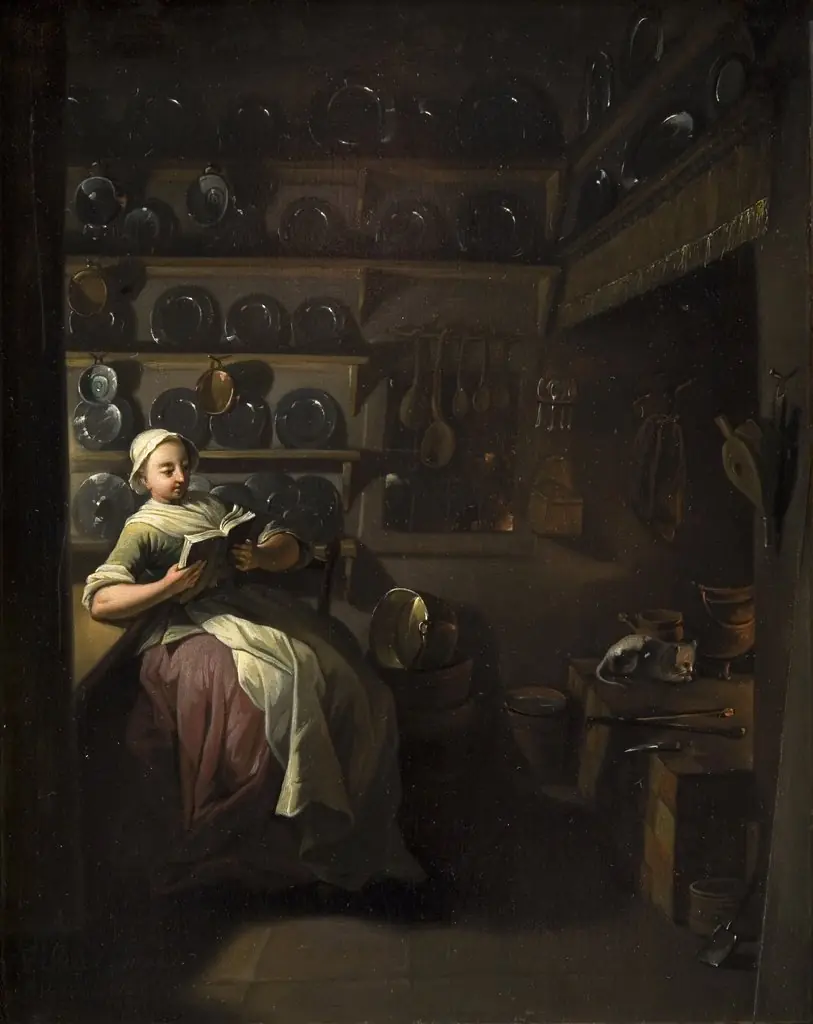 Kitchen Interior with a Girl Reading
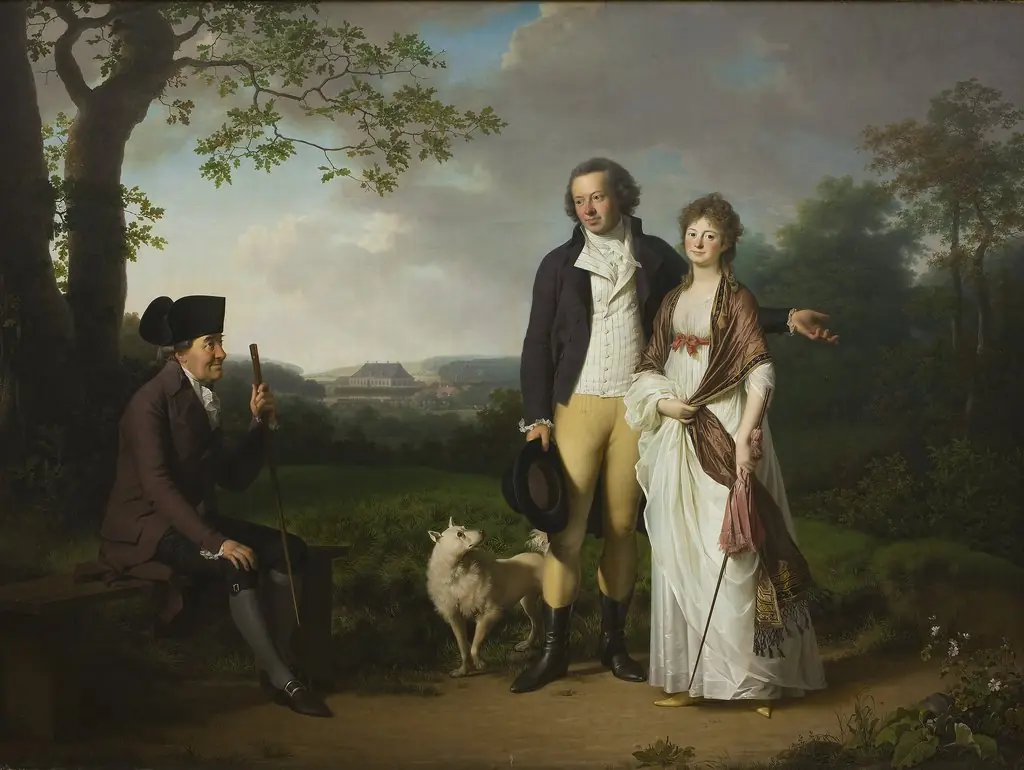 Niels Ryberg with his Son Johan Christian and his Daughter-in-Law Engelke, née Falbe
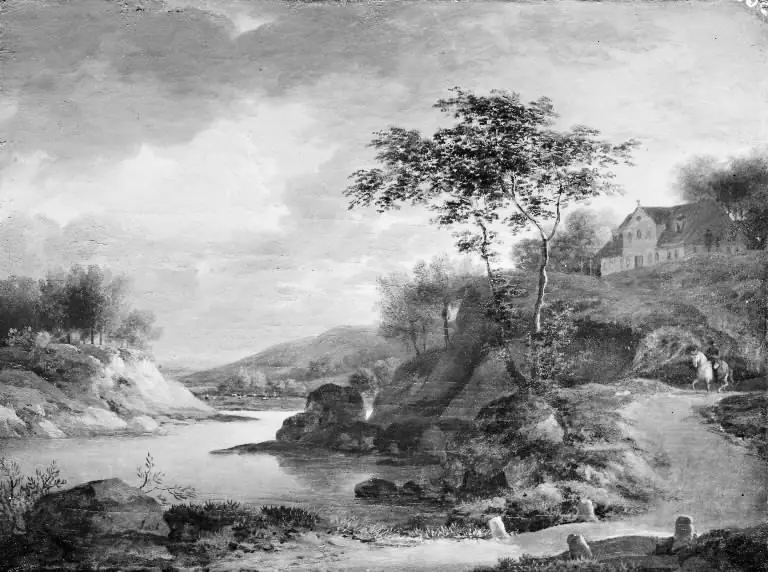 An Autumn Landscape by the Rhine
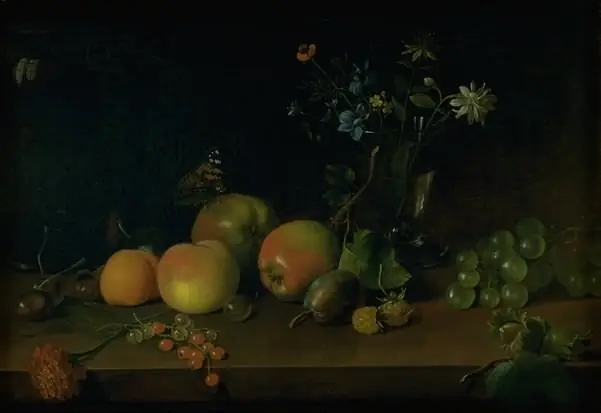 Flowers and Fruit on a Table
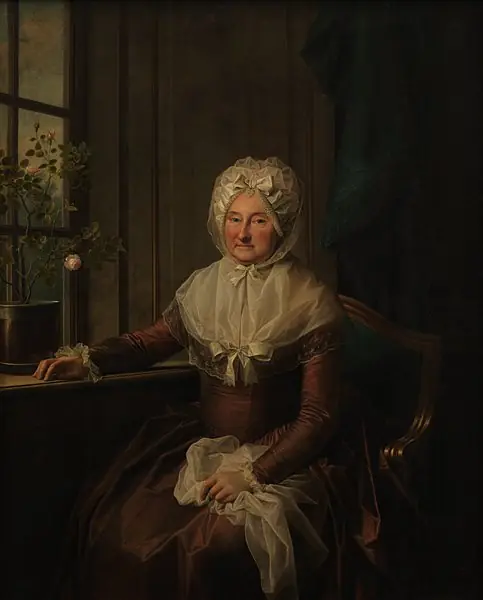 Countess Anna Joachima Danneskiold-Laurvigen, née Ahlefeldt
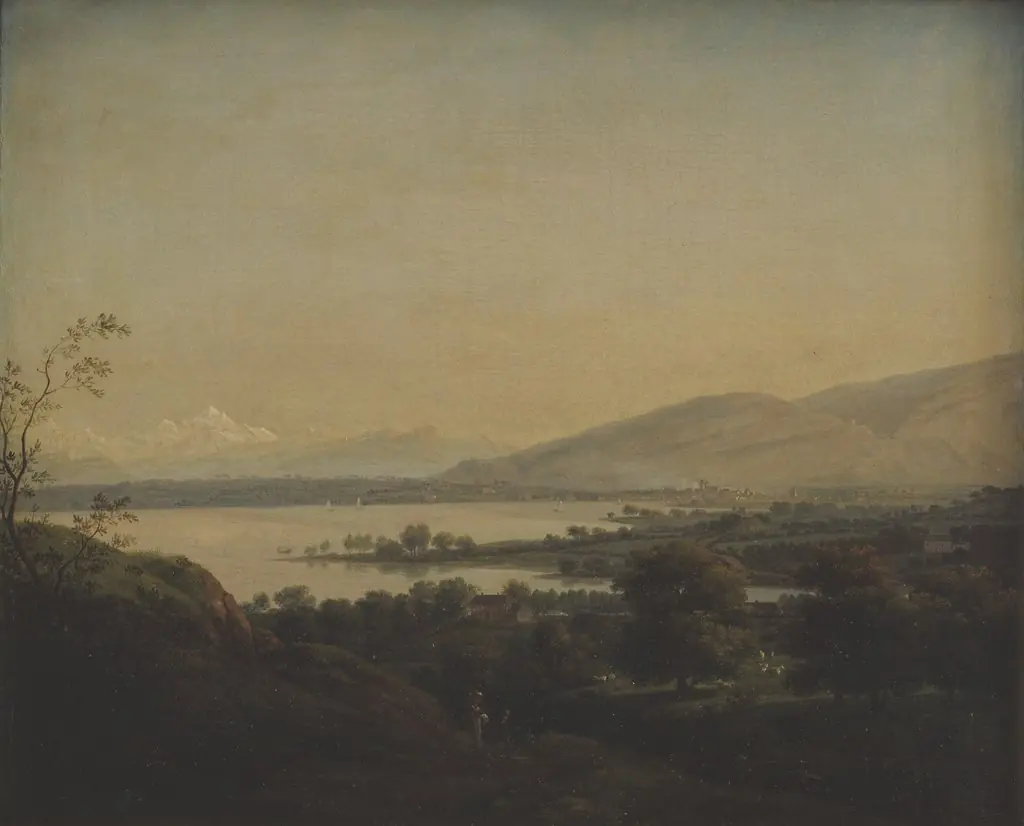 A View Across Lake Leman Towards Mont Blanc and Geneva
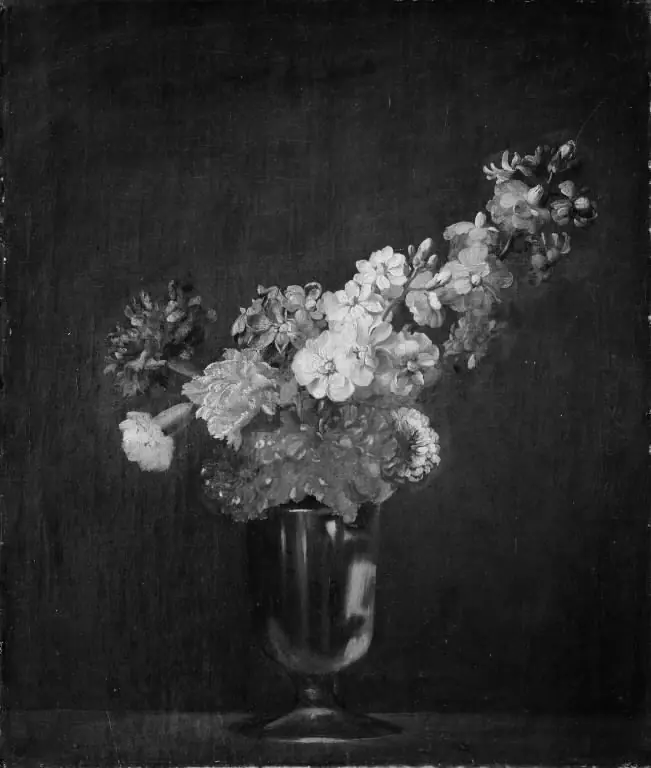 Stocks and Carnations