Artwork
Dr. Lionel Chalmers
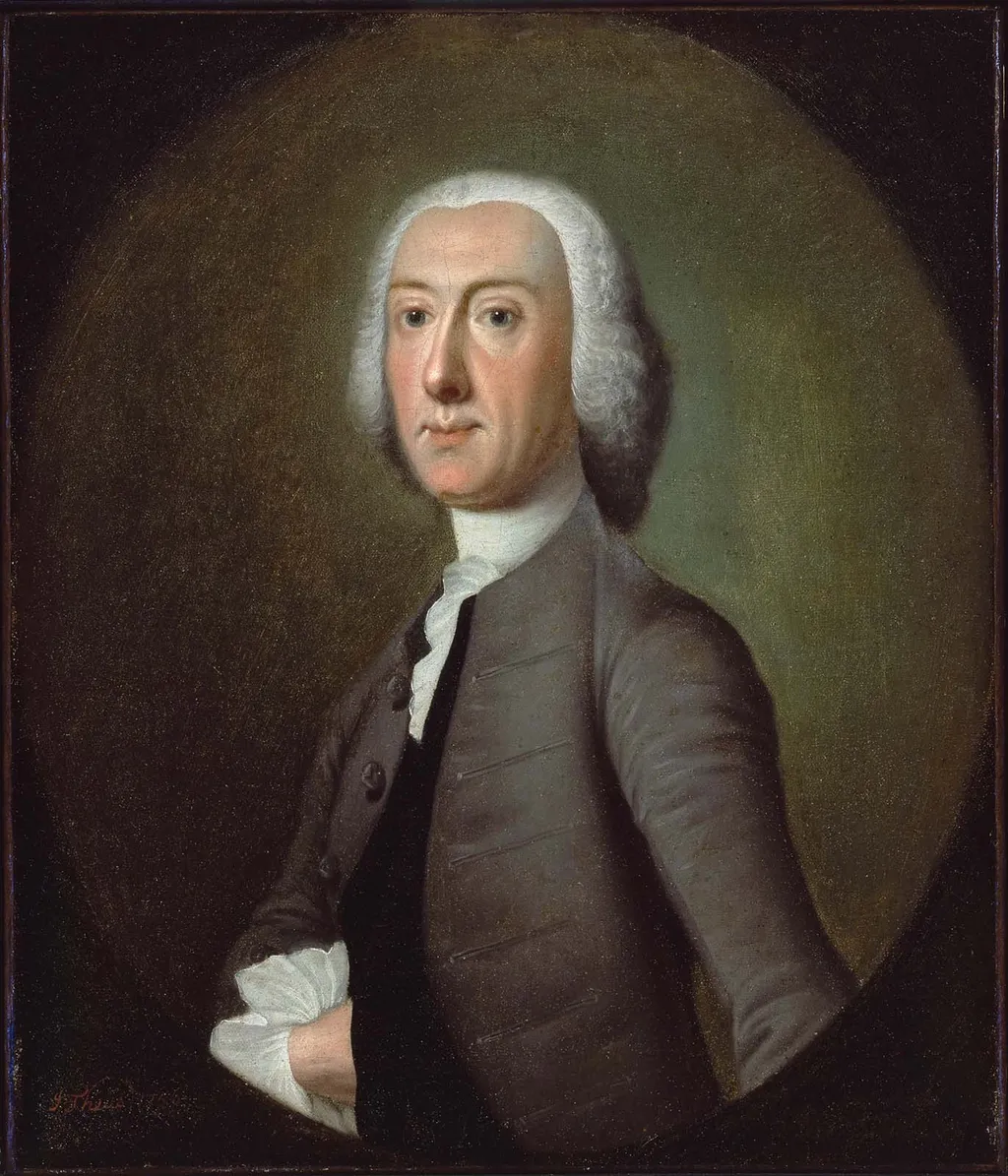
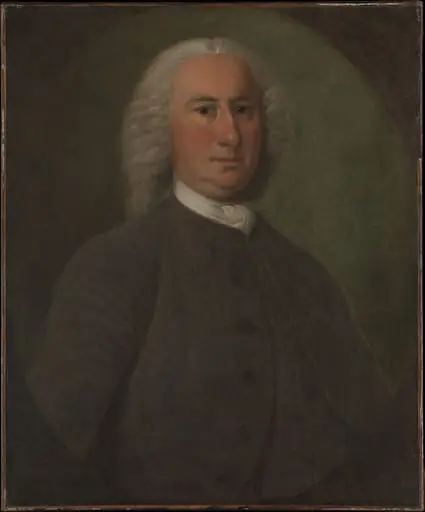
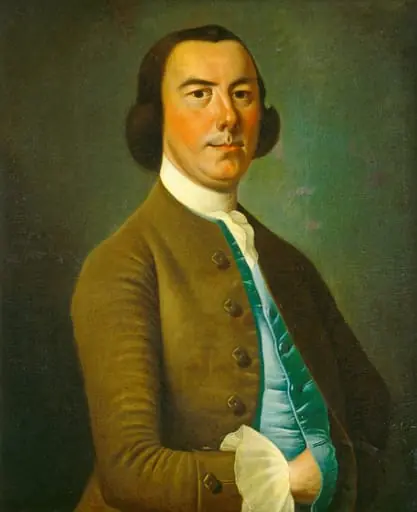
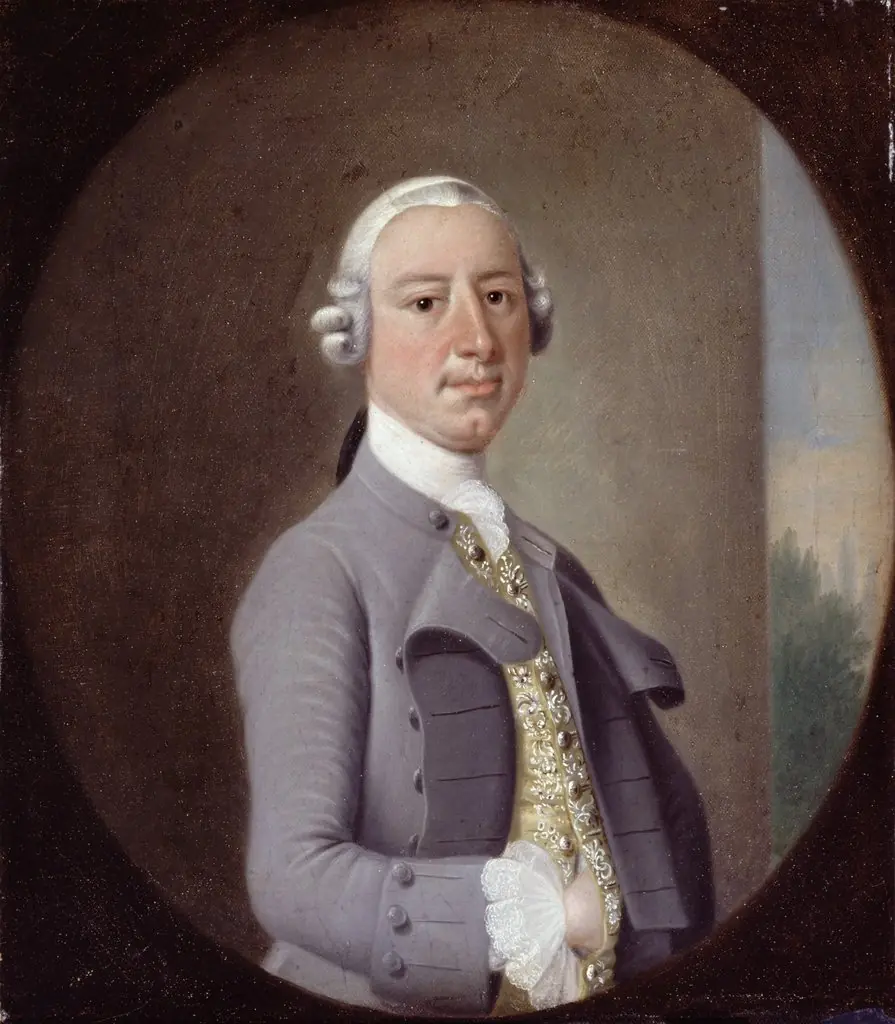
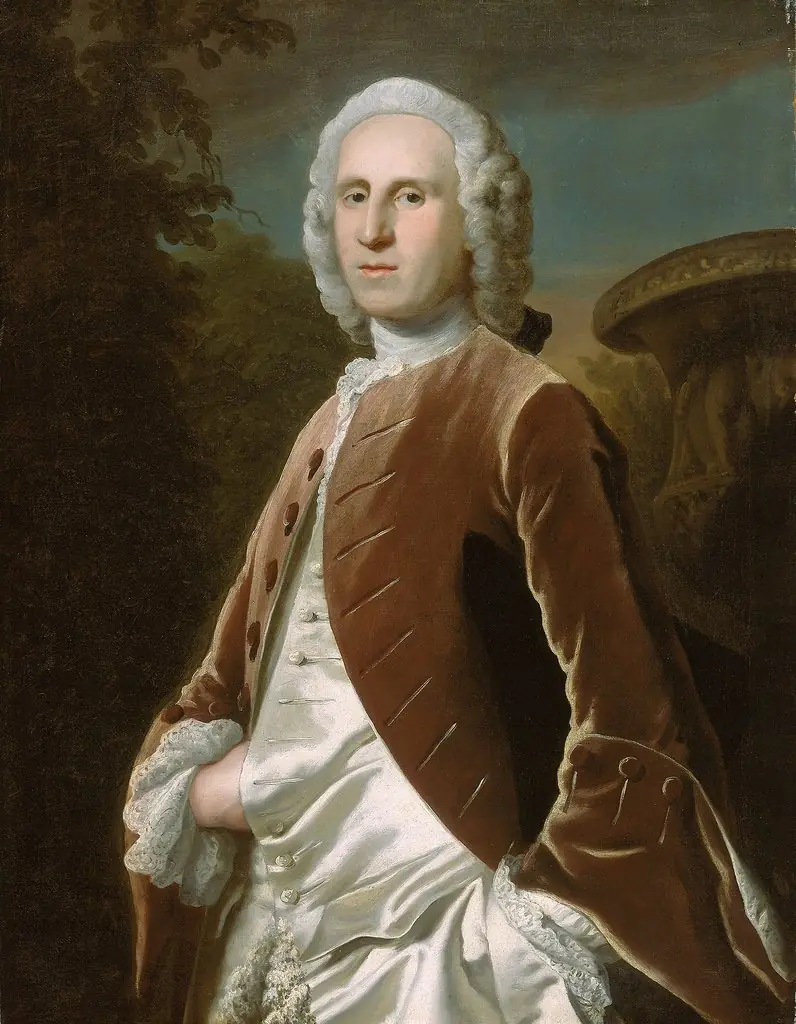
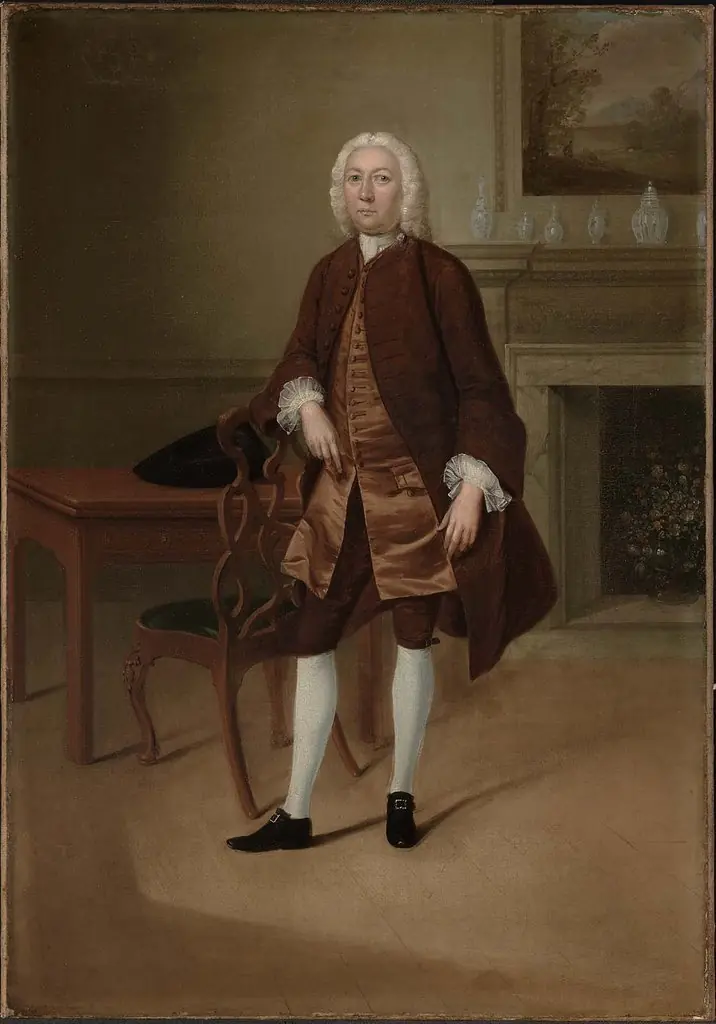
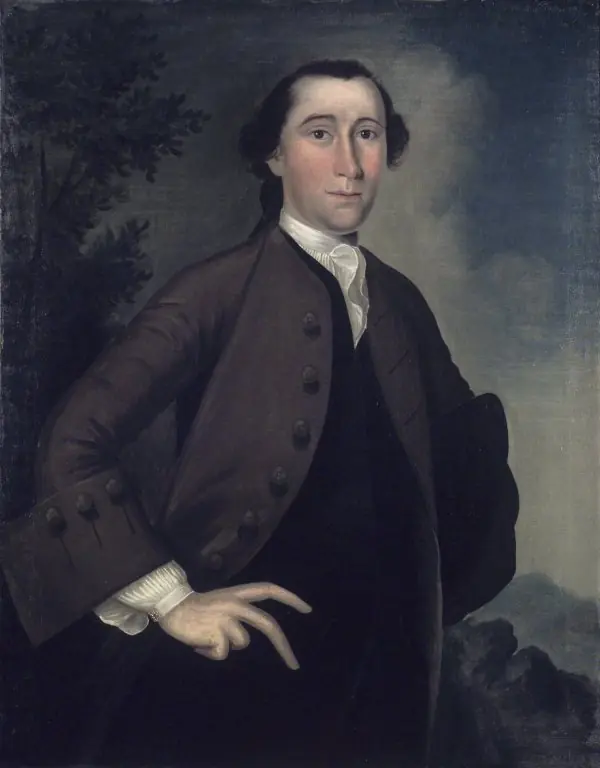
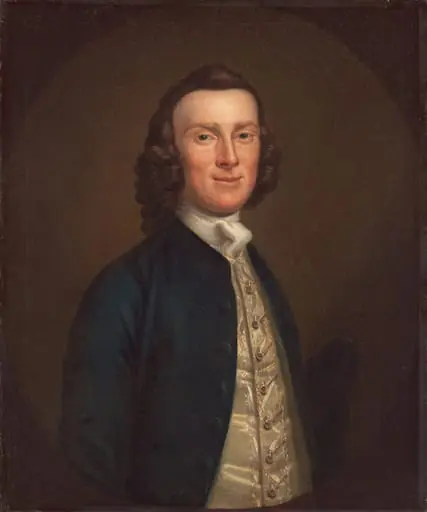
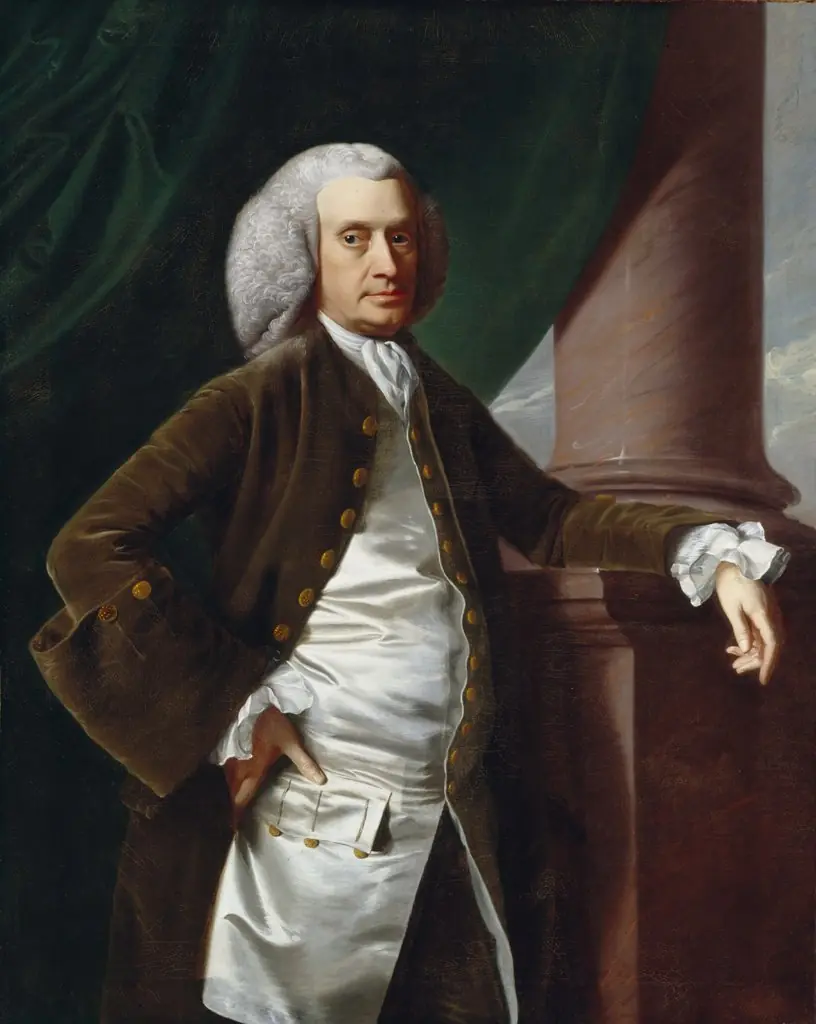
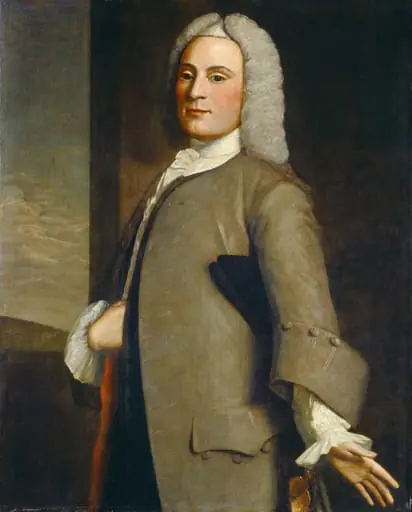
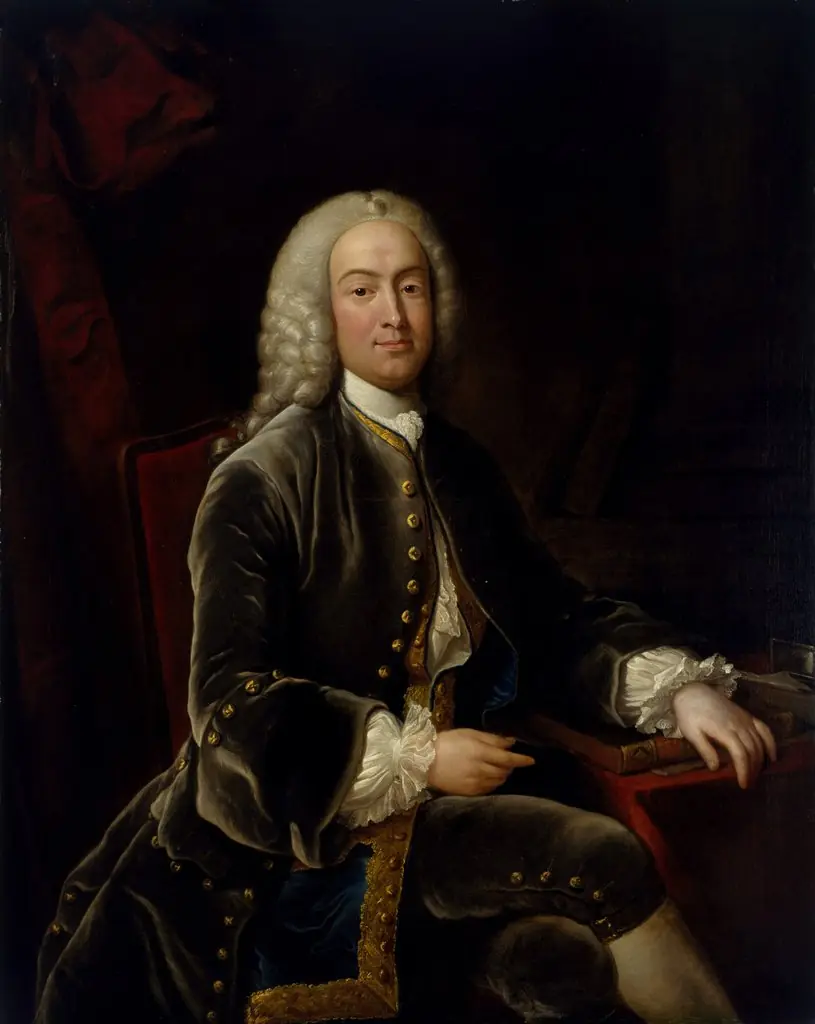
Dr. Lionel Chalmers is an oil painting by the Rococo painting artist Jeremiah Theus. It dates from 1756 and is held in the collection of the Museum of Fine Arts Boston.
About this work
Overview
Theus, active in the American South during the mid-18th century, applied oil paint with precision to render a formal, full-length likeness.
Painted in 1756 by Swiss-born artist Jeremiah Theus, this oil portrait captures Dr. Lionel Chalmers, a notable figure in colonial Charleston. Theus, active in the American South during the mid-18th century, applied oil paint with precision to render a formal, full-length likeness. The work reflects the regional demand for portraiture among the colonial elite, blending European conventions with local sensibilities.
Subject & Meaning
Dr. Lionel Chalmers is depicted in dignified stillness, his crossed arms and direct gaze conveying composure and authority. His attire—brown jacket, white shirt, black vest—signals social standing without ostentation. The serious expression and restrained posture suggest a man of professional gravitas, likely a physician or civic leader. The portrait functions as both personal representation and social affirmation within Charleston’s hierarchical society.
Technique & Style
Theus employed chiaroscuro to model the figure with subtle gradations of light and shadow, enhancing the three-dimensionality of the face and hands. The muted greenish-brown background recedes softly, isolating the subject without distraction. Brushwork is controlled yet fluid, particularly in the rendering of fabric textures and the fine detail of white hair. The composition adheres to formal portraiture traditions while avoiding excessive ornamentation.
History & Provenance
Commissioned during Theus’s tenure in Charleston, the portrait remained within local collections for generations. Its survival reflects the enduring interest in colonial-era portraiture. While specific ownership records are sparse, the painting’s preservation suggests it was valued by Chalmers’s descendants or associates. It now resides in a public collection, serving as a documented artifact of 18th-century Southern elite culture.
Context
In mid-1700s Charleston, portraiture was a marker of status among merchants, professionals, and landowners. Theus, trained in European traditions, catered to this clientele by adapting Rococo elegance to American restraint. Unlike European counterparts, his works avoid theatricality; instead, they emphasize quiet dignity. This portrait aligns with a broader trend of colonial Americans using art to assert identity and social position in a distant, yet increasingly self-aware, society.
Legacy
Theus’s portrait of Dr. Chalmers stands as a representative example of early American portraiture, illustrating how European techniques were localized in the colonies. It contributes to the historical record of Charleston’s professional class and the role of art in constructing personal and communal identity. Though not widely known today, the painting remains a key reference for scholars studying 18th-century visual culture in the American South.
Artist & collection

Artist
Jeremiah Theus (né Theüs; April 5, 1716 – May 17, 1774) was a Swiss-born American painter, primarily of portraits.