Artwork
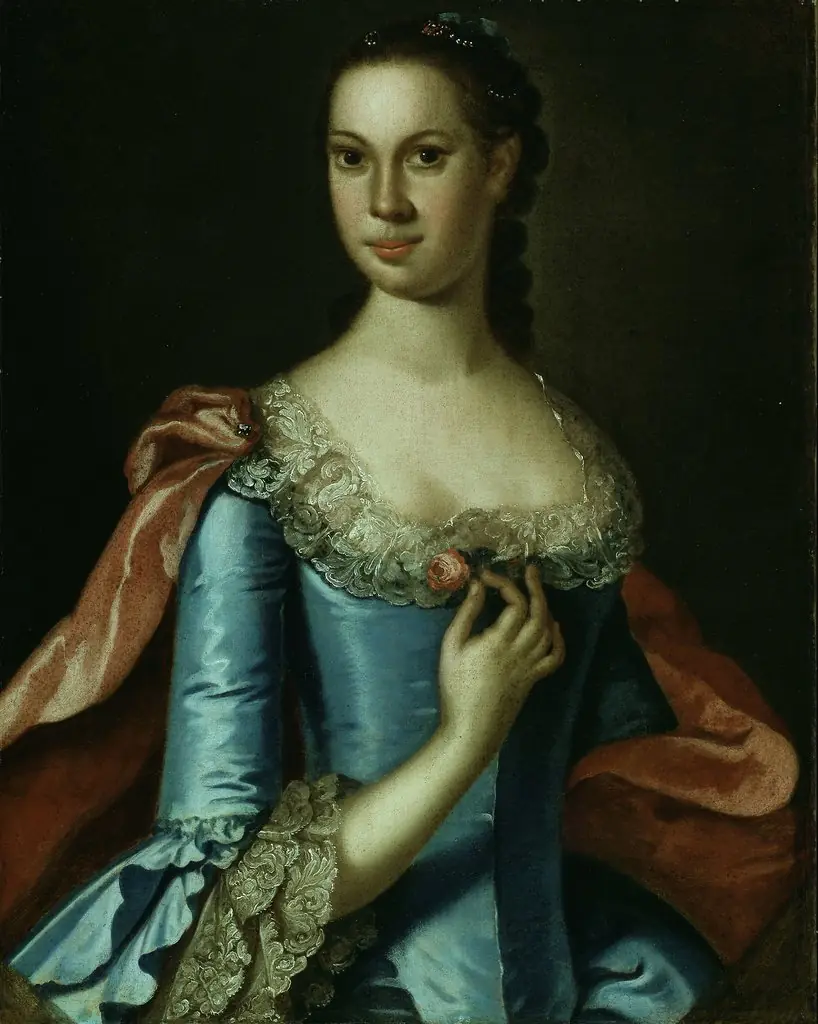
Mrs. Lionel Chalmers (Martha Logan)
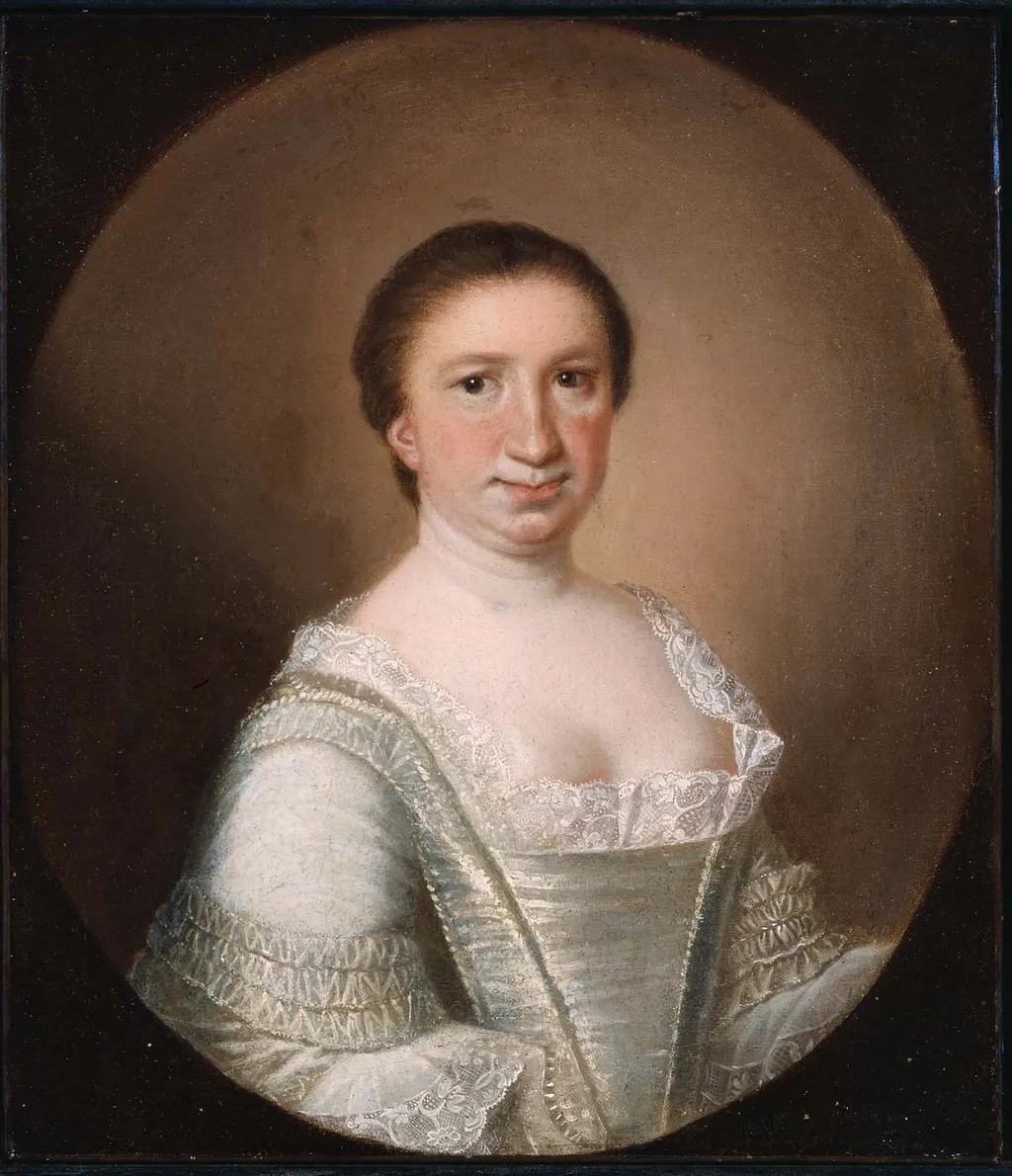
Mrs. Lionel Chalmers (Martha Logan) is an oil painting by the Rococo painting artist Jeremiah Theus. It dates from 1756 and is held in the collection of the Museum of Fine Arts Boston.
About this work
If you're interested in learning more about the artist who created this portrait, you might want to look up Jeremiah Theus.
This painting is a portrait of a woman, likely from the 18th century. She is depicted wearing an elegant white dress with lace details and has her dark hair pulled back. The background of the painting is a warm, muted color.
The woman's expression is calm and serene, and her gaze is directed slightly off to the side. The artist has captured the intricate details of her clothing and the softness of her features. The overall effect is one of quiet dignity and refinement.
If you're interested in learning more about the artist who created this portrait, you might want to look up Jeremiah Theus.
Overview
Jeremiah Theus, a Swiss-born artist active in Charleston during the mid-18th century, painted this portrait of Martha Logan, wife of Lionel Chalmers, in 1756. Working primarily in oil on canvas, Theus was among the most sought-after portraitists in the region, shaping the visual culture of South Carolina’s colonial elite. The work remains part of the Museum of Fine Arts, Boston’s collection, reflecting its enduring historical significance.
Subject & Meaning
The sitter, Martha Logan Chalmers, is portrayed with composed stillness, her gaze averted slightly, suggesting introspection rather than direct engagement. Her attire—white silk with delicate lace trim—signals wealth and social standing, while the restrained composition avoids overt display. The portrait conveys quiet refinement, aligning with ideals of feminine decorum among colonial gentry, where dignity was expressed through subtlety rather than grandeur.
Technique & Style
Theus employed soft brushwork to render the textures of lace, silk, and skin with precision, capturing the sheen of fabric and the gentle contours of the face. The muted, warm background isolates the figure without distraction, emphasizing her presence. His approach reflects Rococo sensibilities in its attention to detail and elegance, yet avoids theatricality, favoring a restrained, almost intimate realism suited to provincial tastes.
History & Provenance
Commissioned in 1756, the portrait likely originated in Charleston, where Theus dominated portrait painting for decades. It remained in the Chalmers family until entering the Museum of Fine Arts, Boston’s collection, though specific transitions are not fully documented. Its preservation reflects its value as a rare surviving example of colonial American portraiture from a region with limited artistic infrastructure at the time.
Context
In mid-18th-century Charleston, portraiture served as both personal commemoration and social assertion. With few trained artists in the South, Theus filled a critical niche, catering to merchants and planters seeking to affirm status through visual representation. This portrait reflects the transatlantic influence of European fashion and aesthetics, adapted to the material and cultural constraints of a colonial outpost.
Legacy
Theus’s body of work, including this portrait, provides essential insight into the visual language of colonial South Carolina’s upper class. Though not widely known outside regional art history, his paintings remain key references for understanding how identity, class, and taste were negotiated in early American society through the medium of portraiture.
Artist & collection

Artist
Jeremiah Theus (né Theüs; April 5, 1716 – May 17, 1774) was a Swiss-born American painter, primarily of portraits.

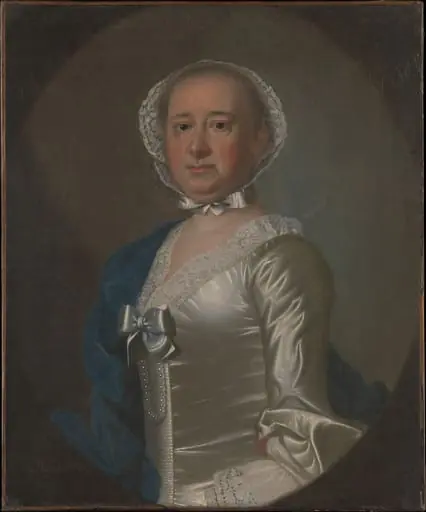
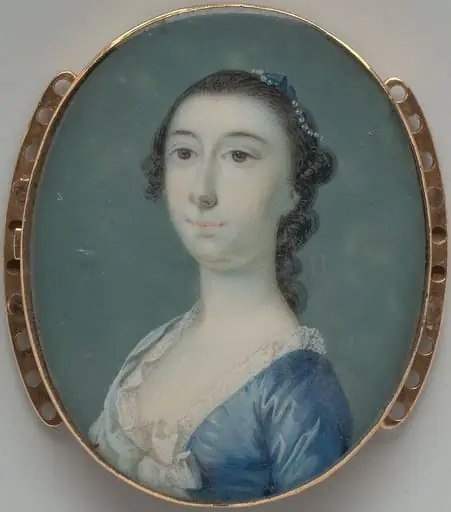
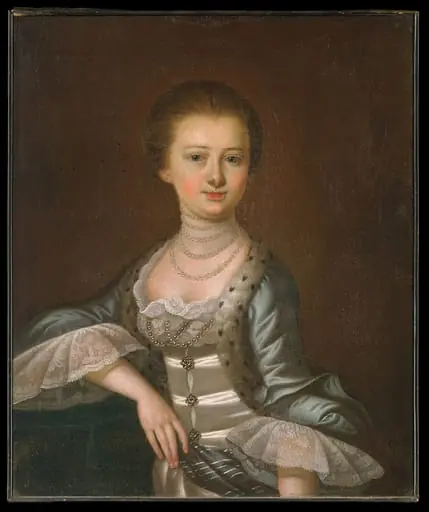
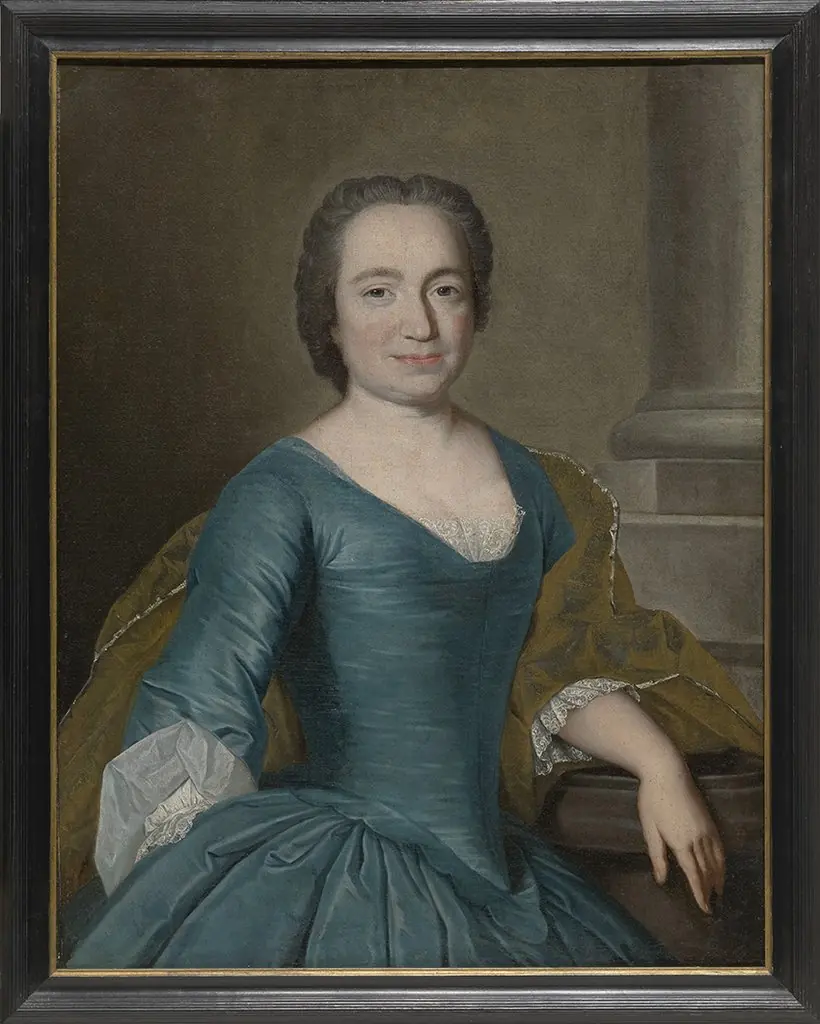 Portret van Maria de Hondt
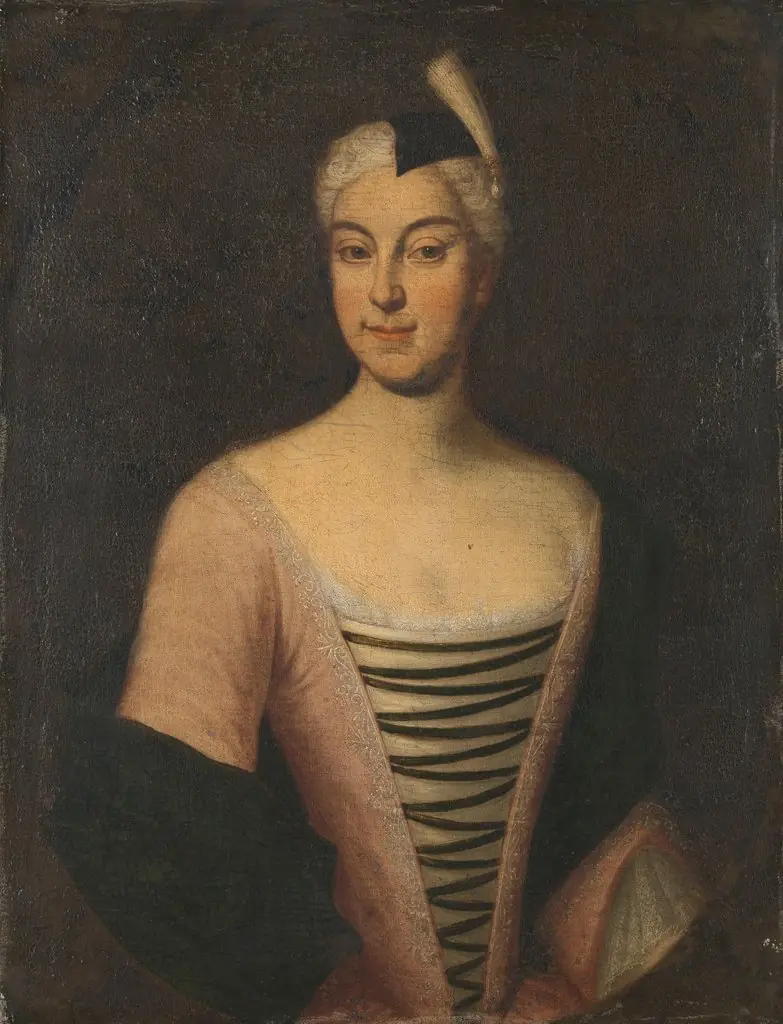 Portrait of a woman
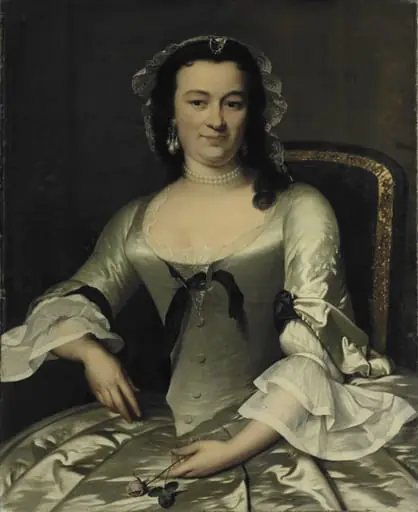 Portrait of Maria Henriëtte van de Pol, Wife of Willem Sautijn
 Mrs. William Carmichael
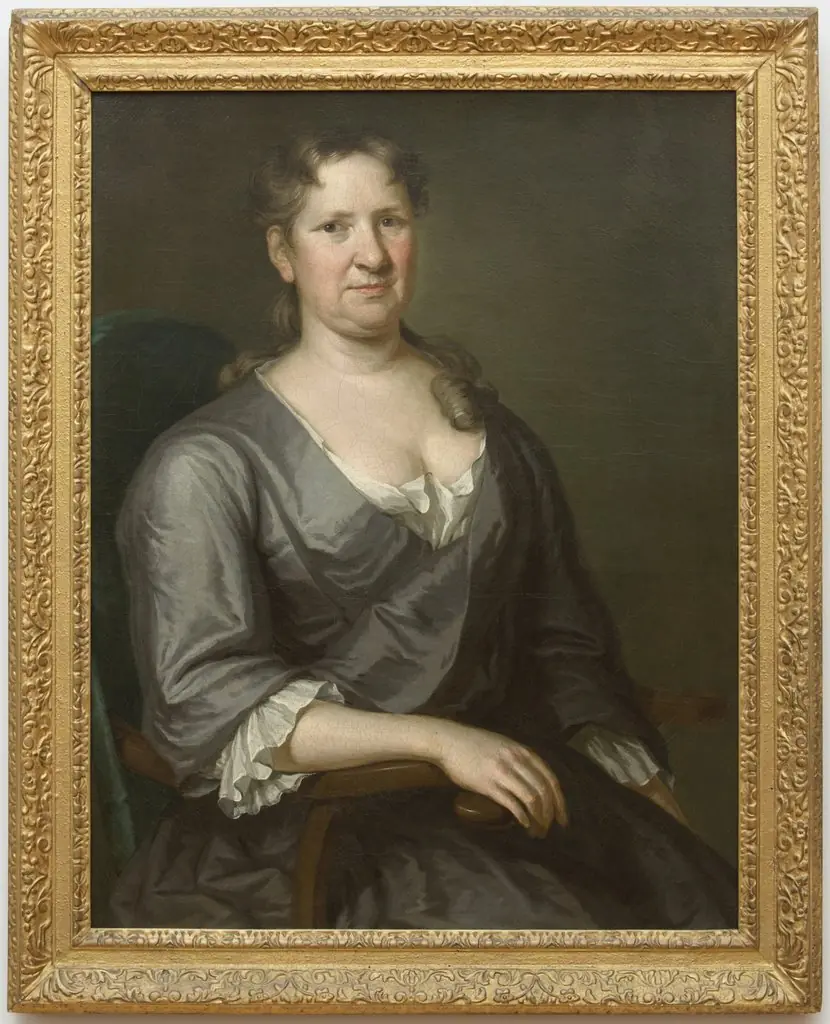 Mrs. John Pitts
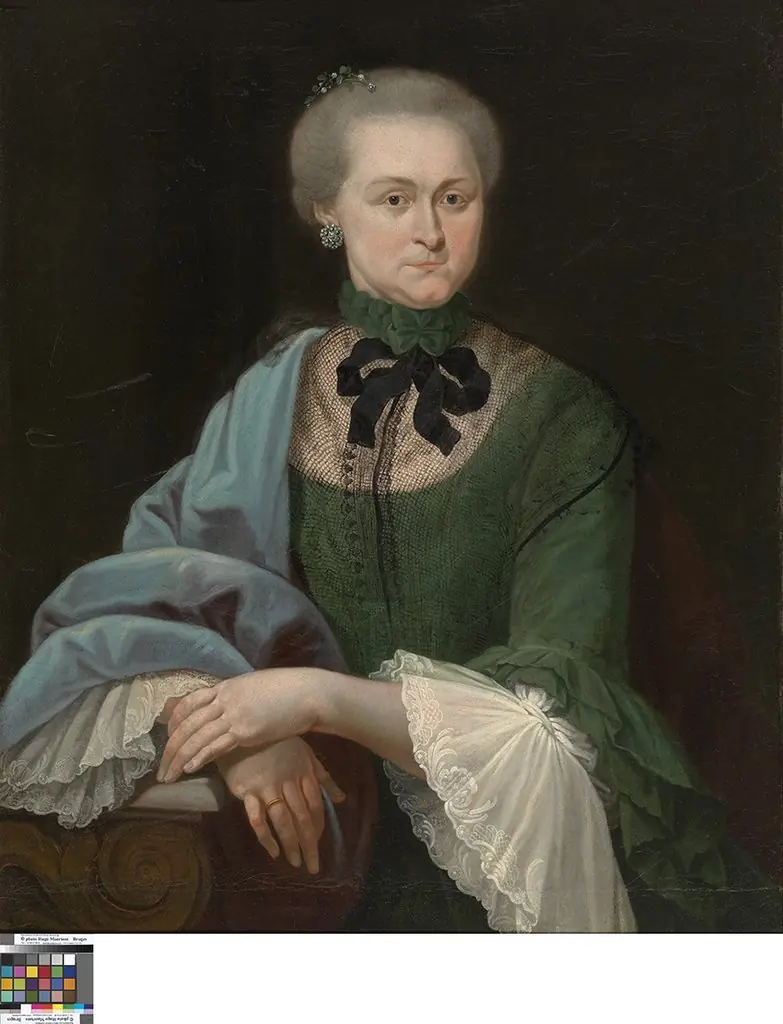 Portret van een vrouw
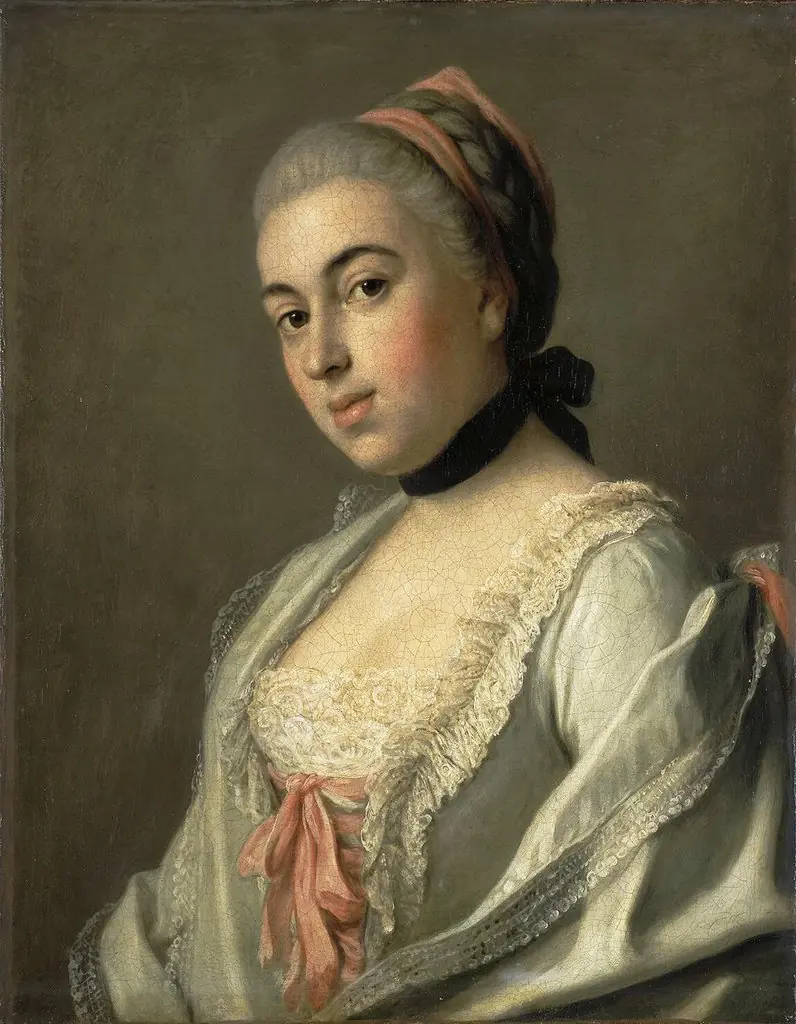 Portrait of Countess A.M. Vorontsova
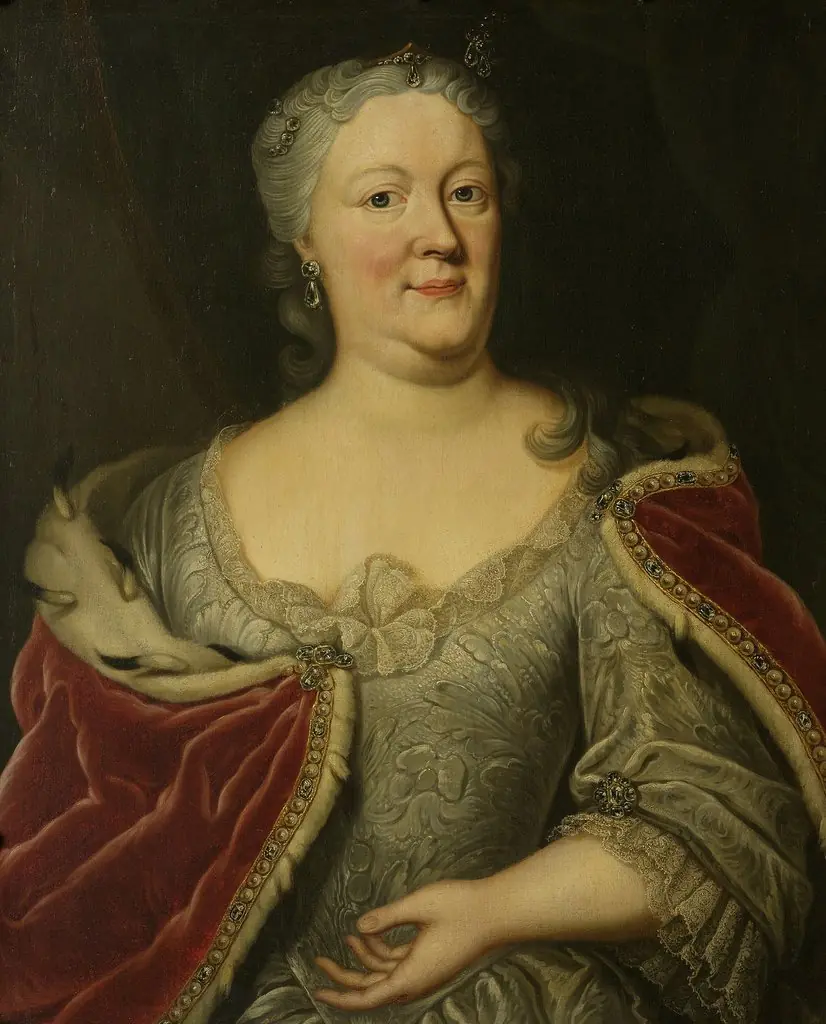 Portrait of Maria Louisa van Hessen-Kassel, called Maaike-Meu. Widow of the Stadtholder of Friesland John Willem Friso, Prince of Orange-Nassau
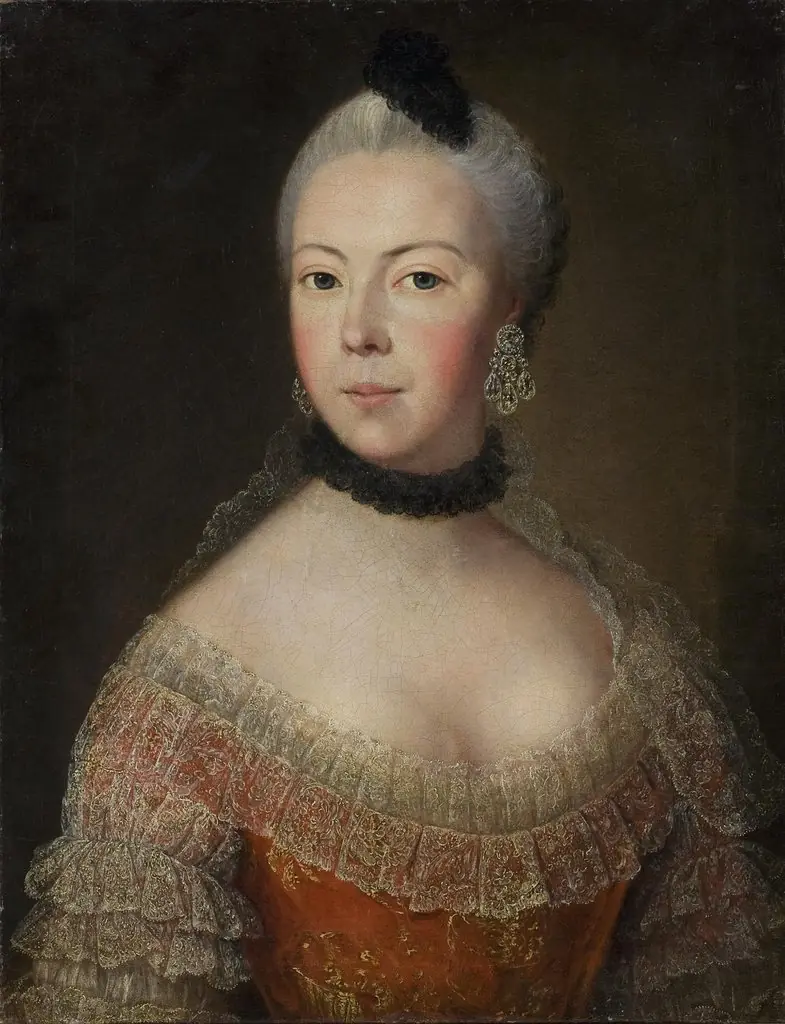 Portrait of Princess Anastasia Dolgorukaya, née Lodyzhenskaya (1736-1828)
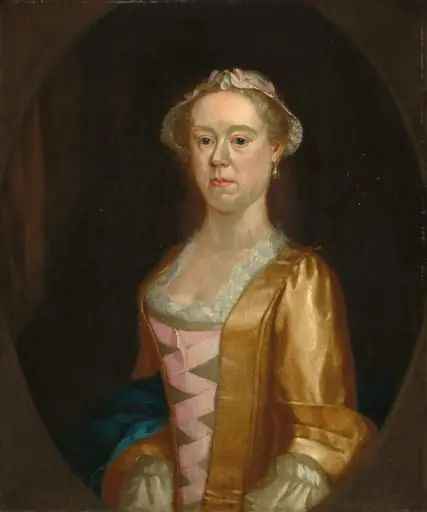 Portrait of a Lady
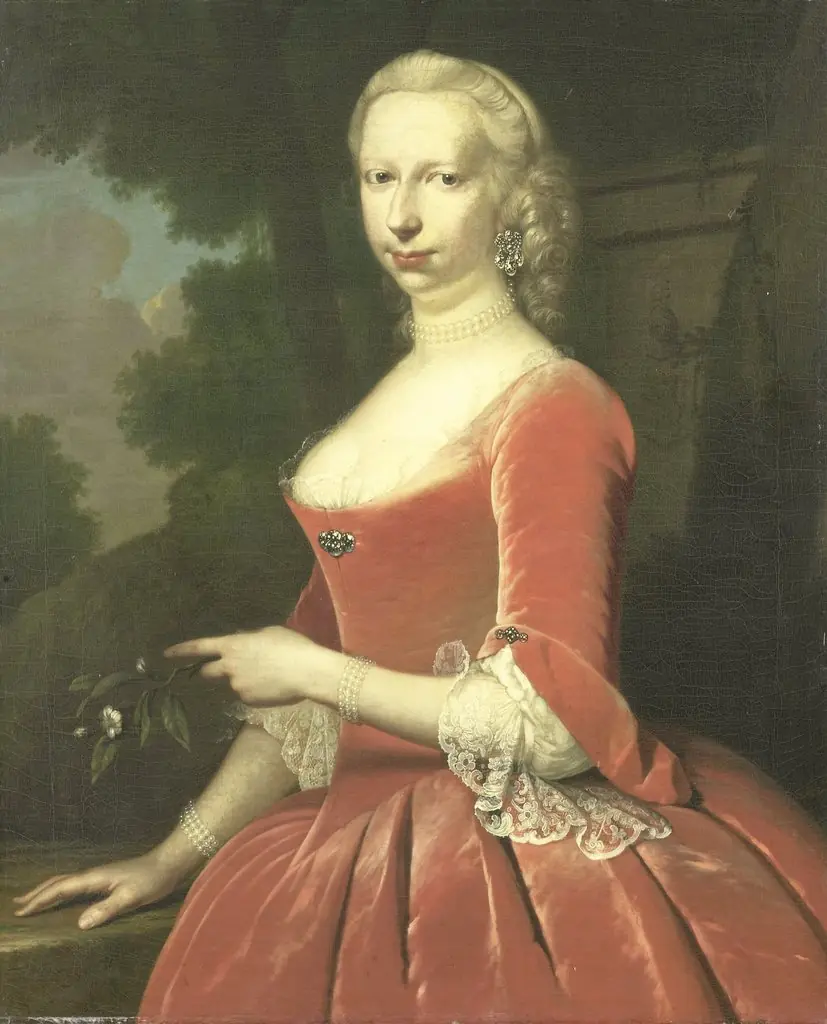 Portrait of a Woman