Artwork
Gesellschaftsstück
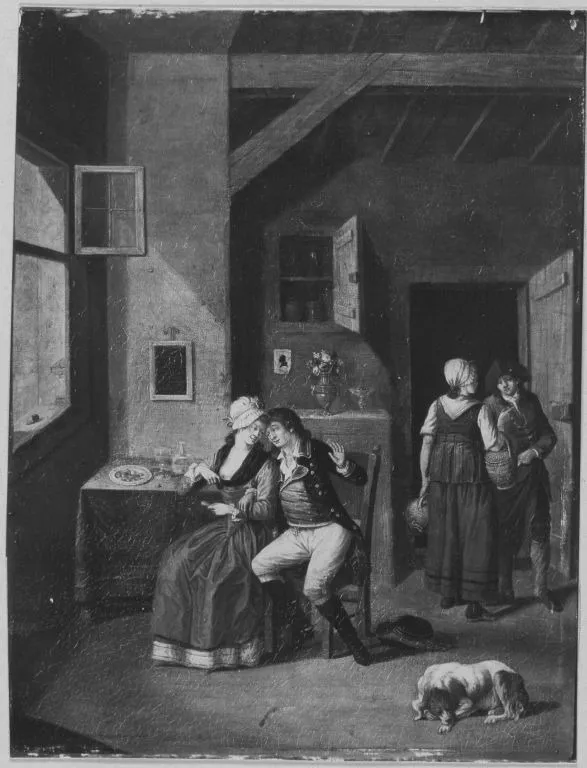
Gesellschaftsstück is an unspecified painting by the Rococo painting artist Jeremias Paul Schweyer. It dates from 1793 and is held in the collection of the Bavarian State Painting Collections.
About this work
Overview
The painting is part of the collection at the Alte Pinakothek in Munich, where it remains as an example of late 18th-century German domestic imagery.
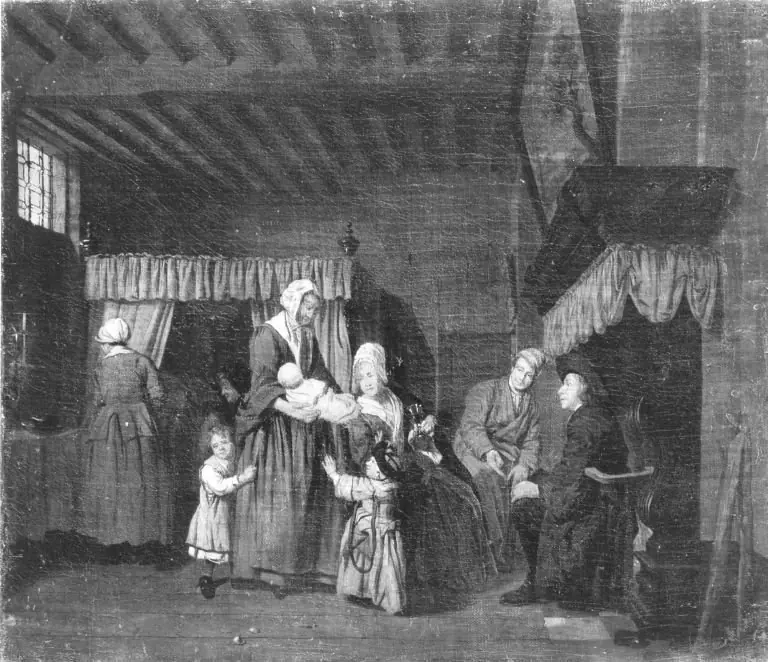
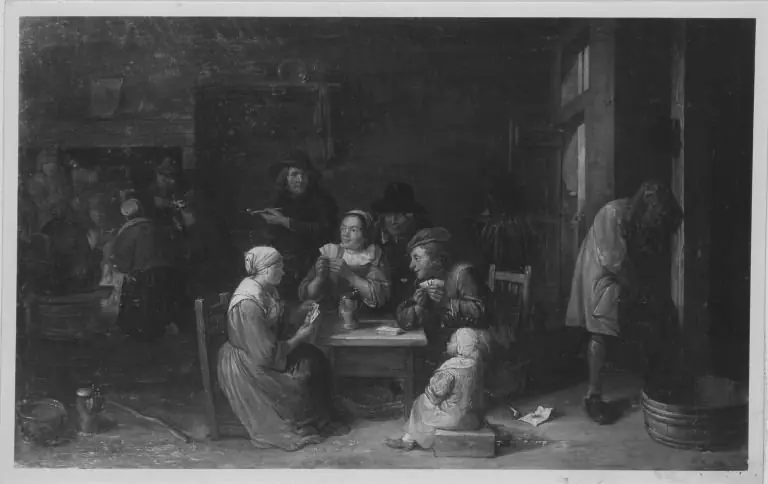
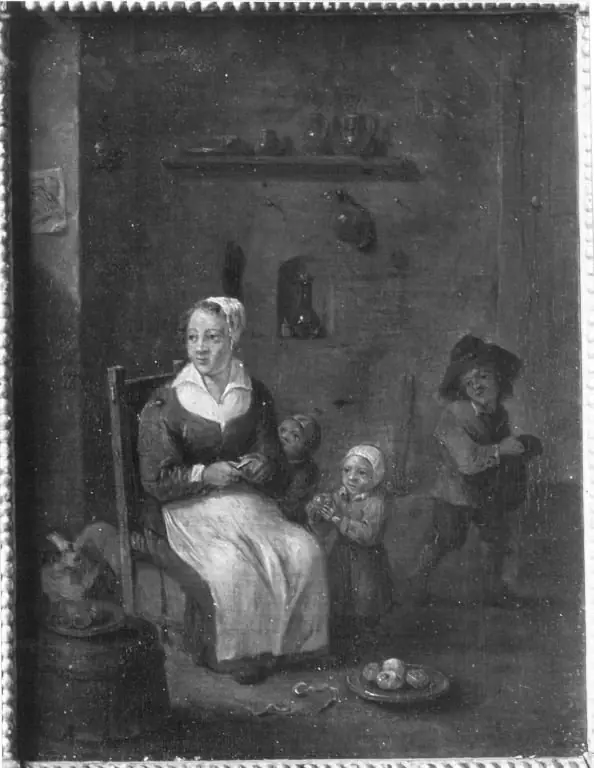
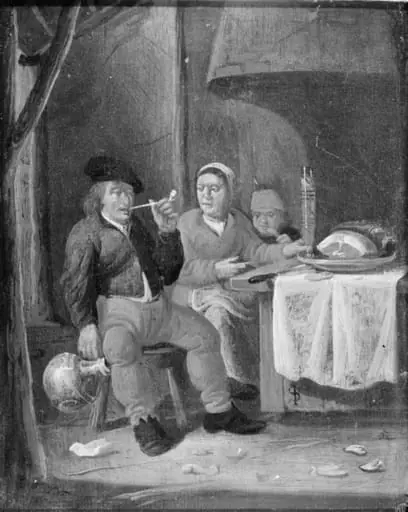
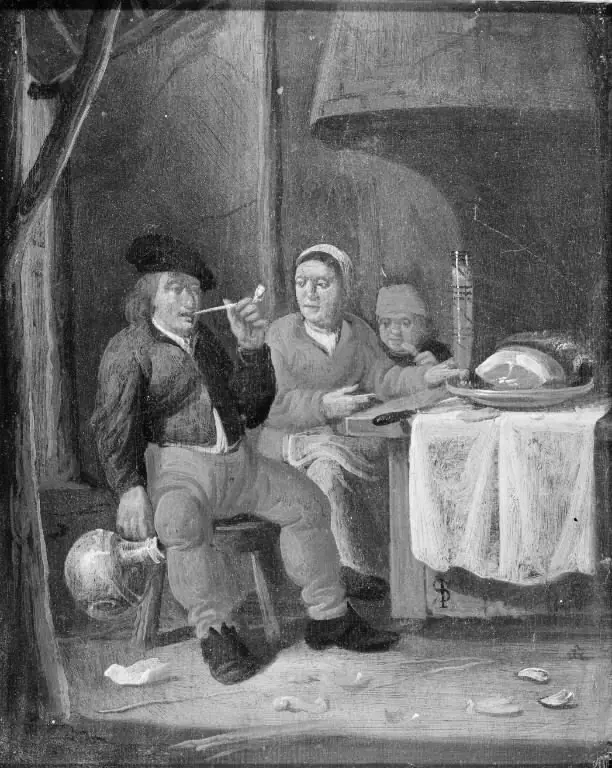
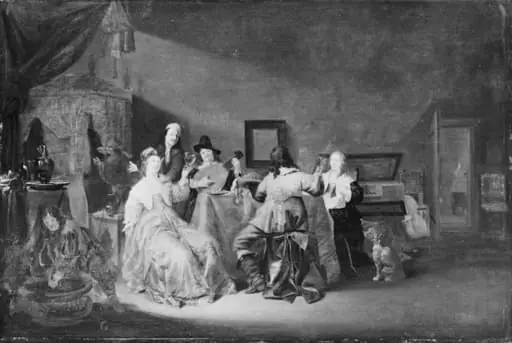
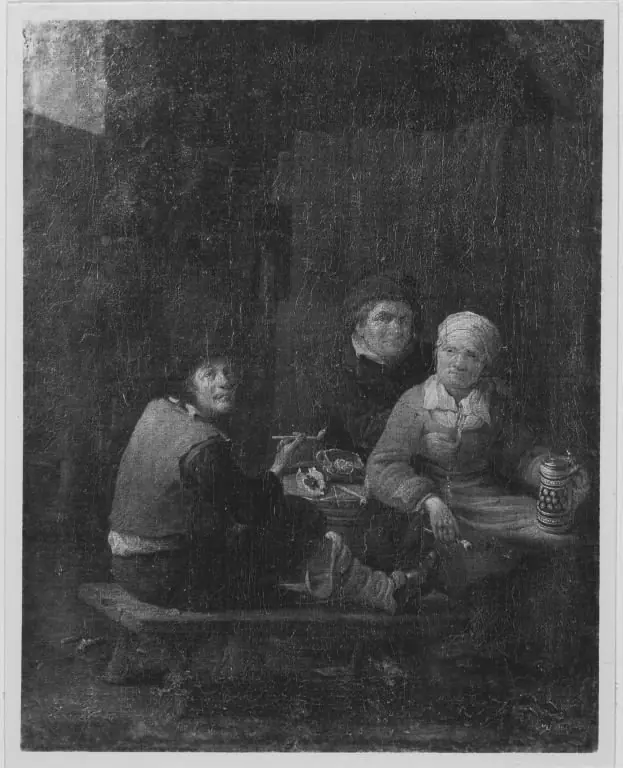
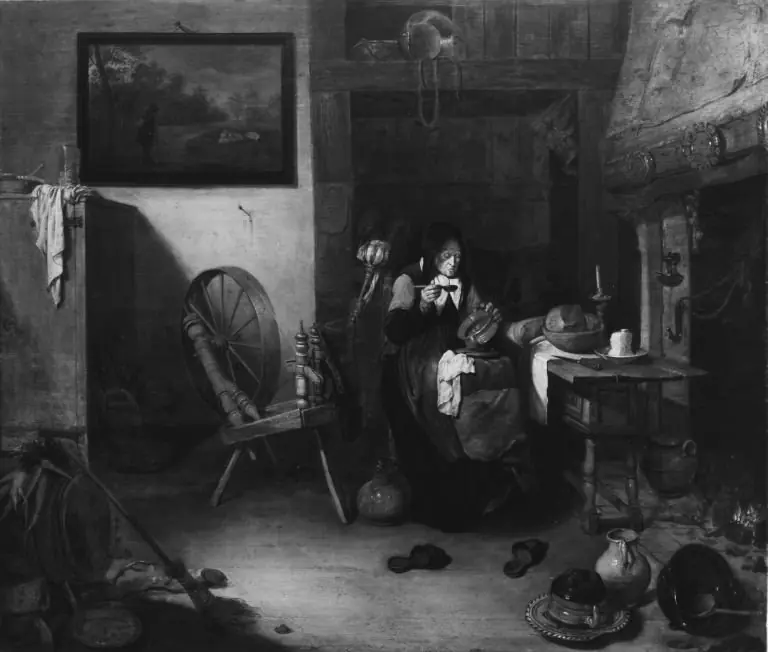
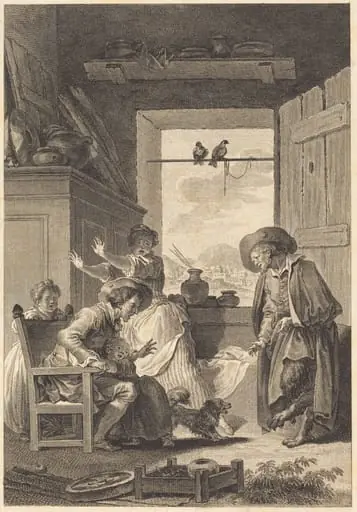
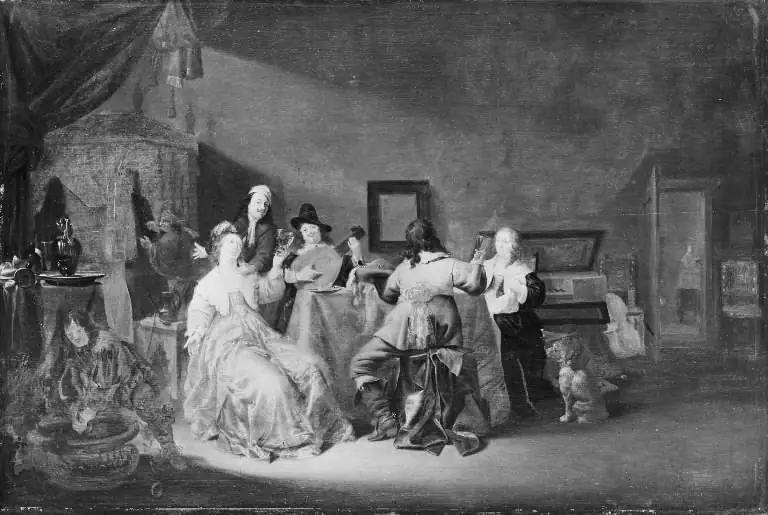
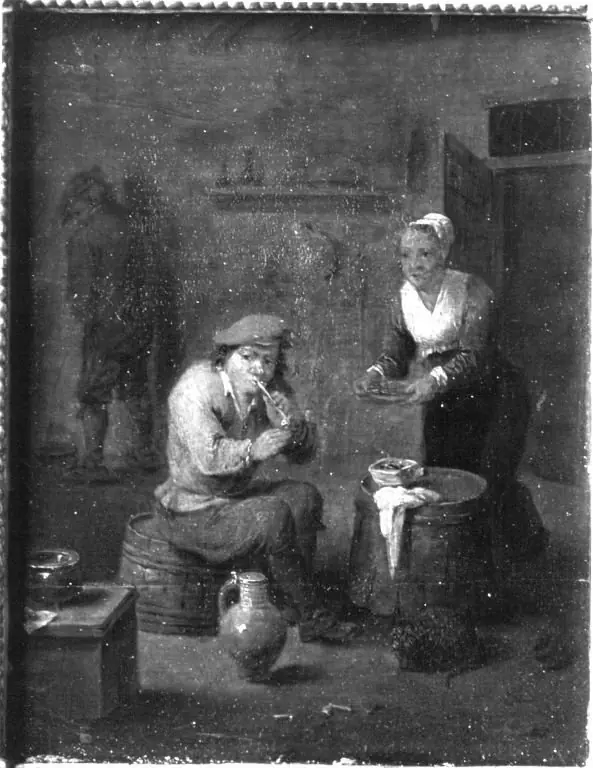
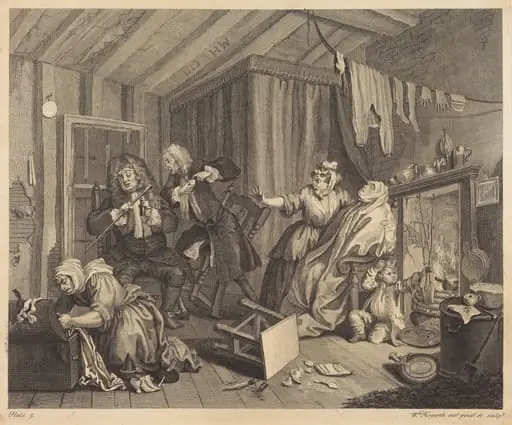
Painted in 1793 by Jeremias Paul Schweyer, this work is a genre scene titled Gesellschaftsstück. It captures a quiet domestic moment in a modest interior, featuring four figures and a dog. The composition centers on a table with a glass and plate, framed by a window on the left. The painting is part of the collection at the Alte Pinakothek in Munich, where it remains as an example of late 18th-century German domestic imagery.
Subject & Meaning
The scene portrays an ordinary social encounter: two figures seated at a table, a third standing quietly in the background, and a fourth entering the room. The dog, present but unobtrusive, adds a sense of lived-in familiarity. No dramatic action or narrative is implied; instead, the painting suggests the rhythm of daily life, emphasizing stillness and unspoken interaction among household members.
Technique & Style
Schweyer employs a restrained palette and precise brushwork to render textures of fabric, wood, and glass. Light enters from the left, softly modeling forms without dramatic contrast. The figures are rendered with quiet realism, their postures and attire reflecting contemporary middle-class dress. The composition is balanced but untheatrical, avoiding theatricality in favor of observational clarity.
History & Provenance
The painting has remained in institutional custody since at least the 19th century, entering the Alte Pinakothek’s collection as part of its broader effort to document German genre painting. No significant changes in ownership are recorded, and its preservation reflects its status as a representative work of regional artistic practice rather than a celebrated outlier.
Context
Created during the late Enlightenment, the painting aligns with a growing interest in everyday life as a subject for art. Unlike grand historical or mythological scenes, this work reflects a shift toward intimate, non-idealized domestic settings. Schweyer’s focus on ordinary interiors and unremarkable figures mirrors broader cultural trends valuing observation over ornamentation.
Legacy
Though not widely exhibited beyond regional collections, Gesellschaftsstück endures as a quiet testament to the genre painting tradition in German-speaking regions. It contributes to the historical record of how ordinary life was visually documented before the rise of photography, offering insight into social norms and material culture of the period.
Artist & collection