Artwork
Untitled
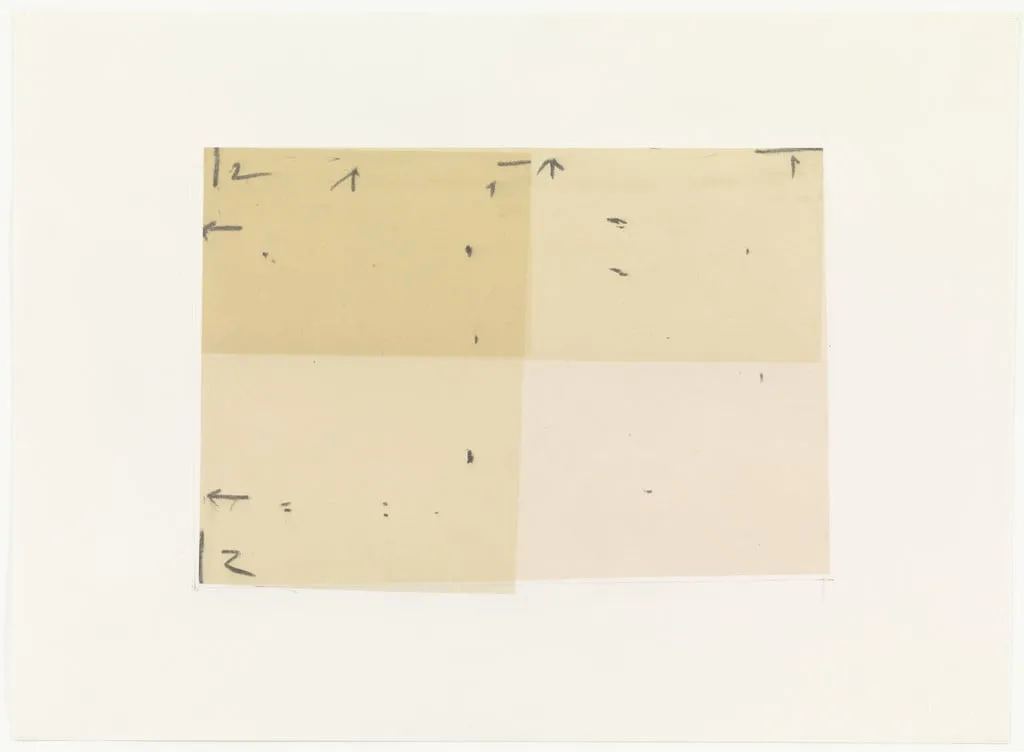
Untitled is a graphite drawing by Jill Baroff. It dates from 1997 and is held in the collection of the Museum of Modern Art.
About this work
Overview
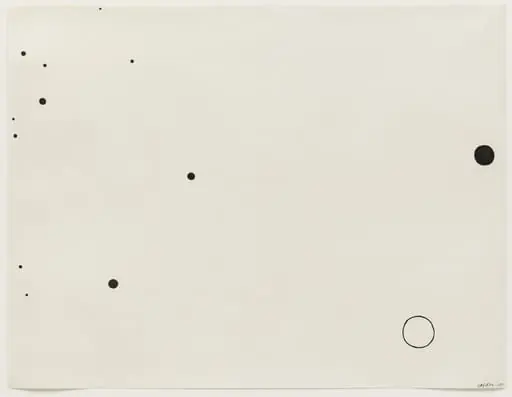
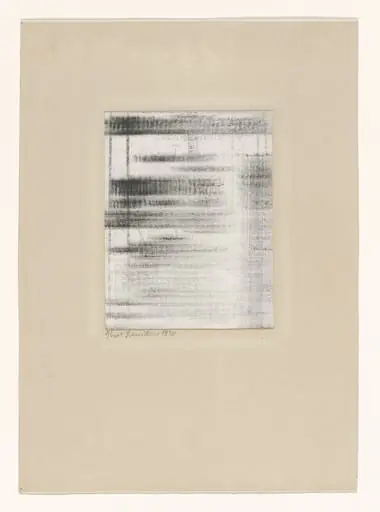
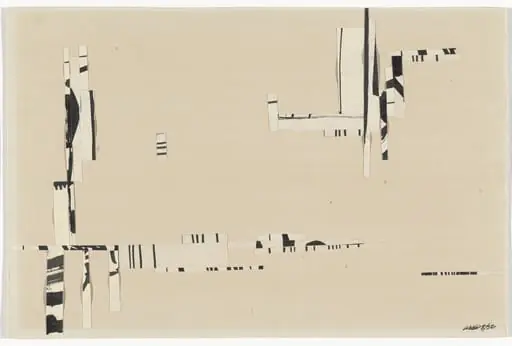
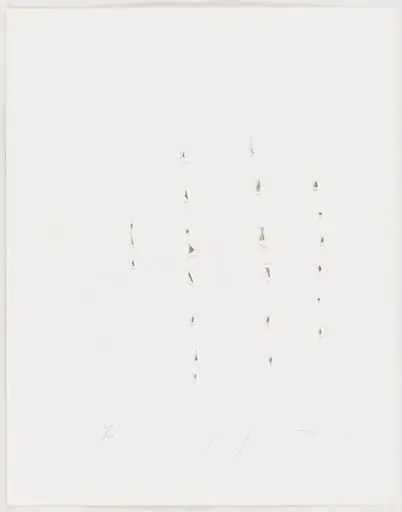
Its surface is marked by faint, irregular pencil strokes—dashes, dots, and faint curves—that suggest gesture without clear form.
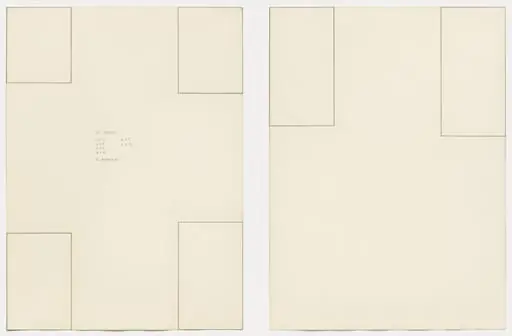
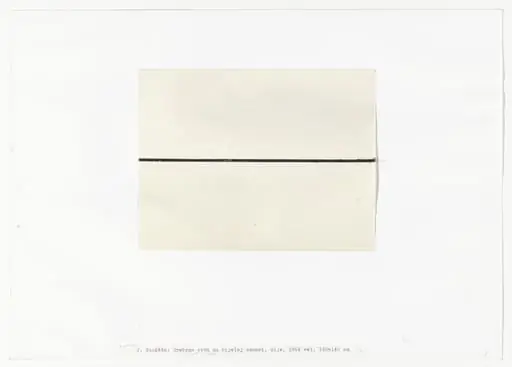
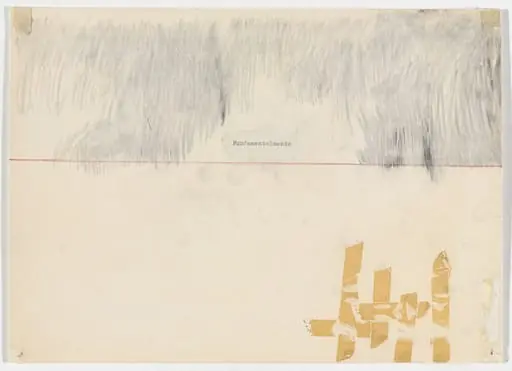
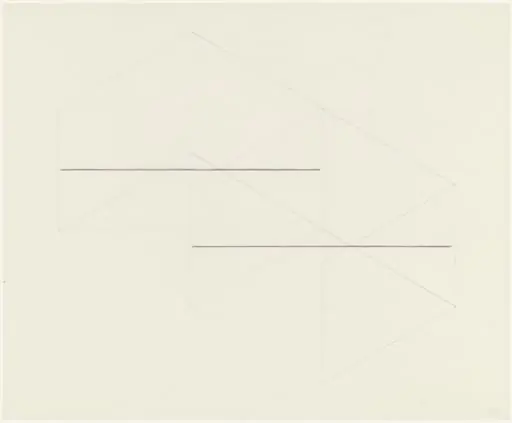
Jill Baroff created this drawing in 1997 using graphite on Japanese paper that has been cut into strips and reassembled. The work is mounted on a larger sheet of paper and measures as a subtle, light-beige rectangle. Its surface is marked by faint, irregular pencil strokes—dashes, dots, and faint curves—that suggest gesture without clear form. The texture of the handmade paper adds a tactile dimension, reinforcing the work’s quiet, deliberate construction.
Subject & Meaning
The drawing resists narrative or symbolic interpretation. No recognizable imagery appears; instead, the composition consists of minimal, non-representational marks. These gestures may imply motion, direction, or hesitation, but they offer no definitive reading. The ambiguity invites contemplation of mark-making itself, emphasizing process over meaning and presence over representation.
Technique & Style
Baroff assembled the support by cutting and pasting fragments of Japanese paper, creating a subtly uneven ground. Graphite was applied lightly, with strokes so faint they appear partially erased or worn. The technique prioritizes restraint and material sensitivity, blending the physicality of the paper with the delicacy of the pencil. The result is a surface that feels both constructed and spontaneous, grounded in quiet experimentation.
History & Provenance
The work entered the collection of The Museum of Modern Art in New York following its creation in 1997. It has not been widely exhibited, and little public documentation exists about its initial reception. Its inclusion in MoMA’s holdings reflects an institutional interest in understated, process-driven works from the late 1990s that challenge traditional notions of drawing.
Context
Made during a period when many artists were exploring minimalism, materiality, and the limits of drawing, Baroff’s work aligns with broader tendencies in contemporary art to prioritize subtlety over spectacle. The use of Japanese paper connects to traditions of East Asian aesthetics, while the fragmented composition echoes post-minimalist concerns with accumulation and impermanence.
Legacy
Though not widely known, the work contributes to a quieter lineage of contemporary drawing that values restraint and material presence. Its inclusion in MoMA’s collection signals its relevance to discussions about the boundaries of the medium. Baroff’s approach continues to influence artists interested in the poetic potential of the faint, the fragmentary, and the unassuming.
Artist & collection