Artwork
Untitled
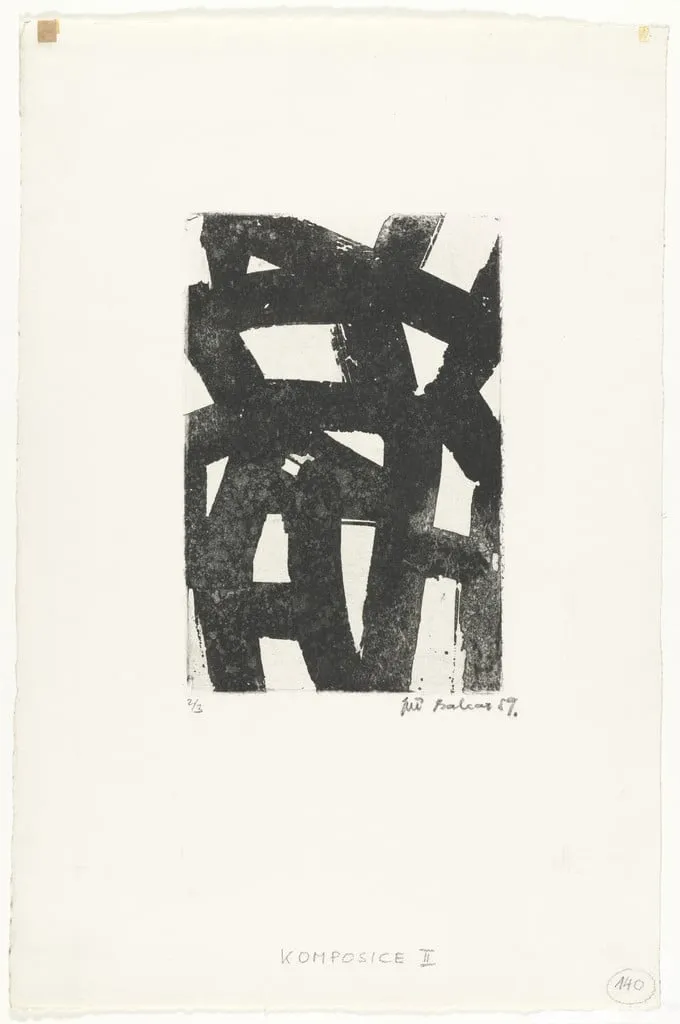
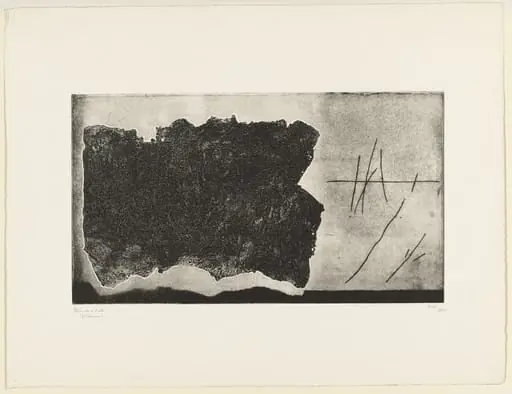
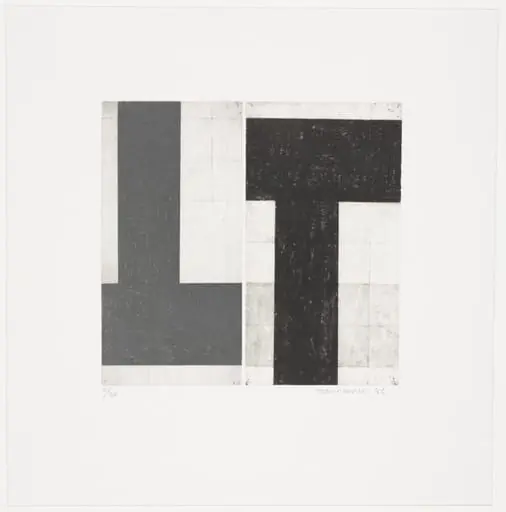
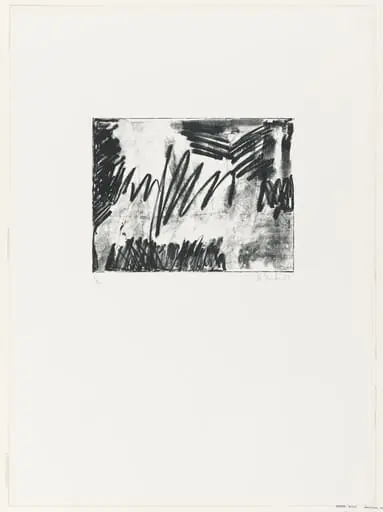
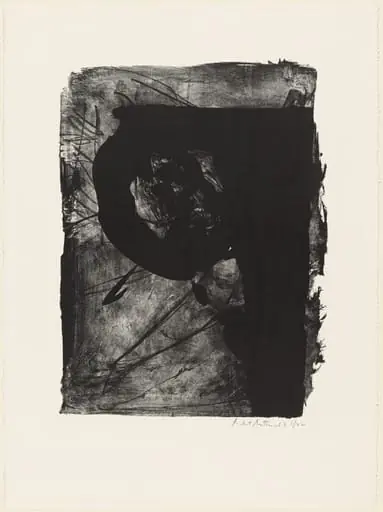
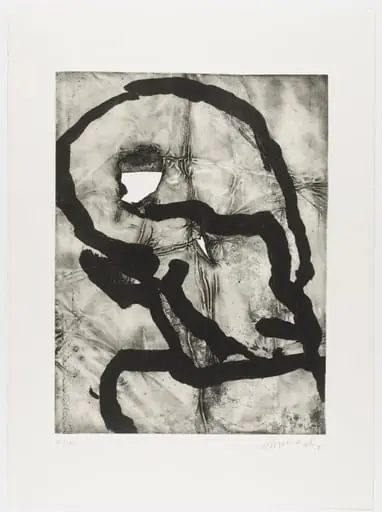
Untitled is an ink print by Jirí Balcar. It dates from 1959 and is held in the collection of the Museum of Modern Art. Jiří Balcar, a Czechoslovak graphic artist active in the mid-20th century, produced this aquatint print in 1959.
About this work
Overview
The work is part of The Museum of Modern Art’s collection, reflecting its inclusion within institutional narratives of postwar graphic expression.
Jiří Balcar, a Czechoslovak graphic artist active in the mid-20th century, produced this aquatint print in 1959. Though primarily recognized for his commercial posters and book designs, Balcar also engaged in fine art printmaking. The work is part of The Museum of Modern Art’s collection, reflecting its inclusion within institutional narratives of postwar graphic expression. Its unsigned title, later identified as *Kompozice III*, situates it within a series of abstract compositions.
Subject & Meaning
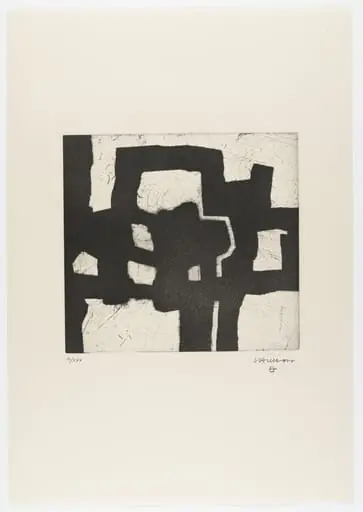
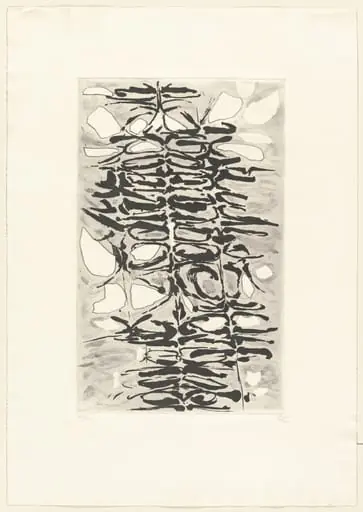
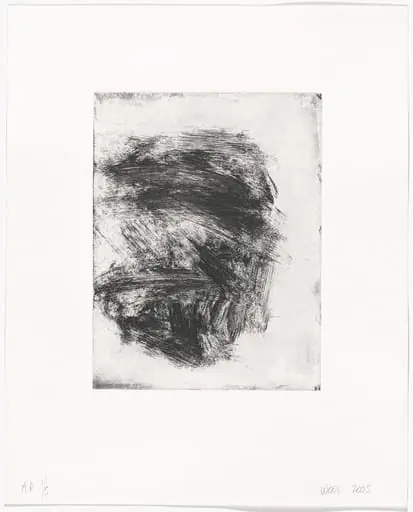
The print presents no representational imagery, instead favoring abstract forms composed of dense black shapes against a pale ground. Jagged, irregular edges suggest fragmentation or erosion, while splattered ink and sharply defined contours create visual tension. The title, meaning 'Composition III,' implies a formal exploration rather than narrative intent, aligning with broader mid-century tendencies toward non-objective expression in Eastern European art.
Technique & Style
Executed in aquatint, the print leverages tonal variation through etched resin grounds, allowing for rich black fields and subtle gradations. Thick, uneven lines and irregular splatters indicate a hand-driven, almost gestural approach, contrasting with the precision often associated with the medium. The use of sharp, cut-out-like edges suggests masking or resist techniques, blending controlled structure with spontaneous mark-making.
History & Provenance
Created in 1959 during Balcar’s active period in Prague, the print emerged from a cultural context where graphic arts flourished despite political constraints. It entered The Museum of Modern Art’s collection through acquisition or donation, likely as part of efforts to document international postwar printmaking. Balcar’s signature, placed deliberately in the corner, affirms authorship without seeking public recognition.
Context
Balcar worked within a Czechoslovak design milieu that valued functional aesthetics alongside artistic experimentation. While his commercial work dominated public visibility, prints like this reveal a parallel practice rooted in abstraction. The piece reflects broader European trends of the late 1950s, where artists used print media to explore form without ideological or narrative constraints, often under limited access to international art circuits.
Legacy
Though not widely exhibited outside institutional collections, this print contributes to understanding the breadth of Czechoslovak graphic art beyond propaganda or illustration. Balcar’s integration of commercial discipline with expressive printmaking offers a model of artistic duality common in socialist-era designers. The work remains a quiet example of how abstraction persisted in regional practices, often overlooked in Western-centric art histories.
Artist & collection
Artist
Jiří Balcar (26 August 1929 – 28 August 1968) was a Czechoslovak graphic artist, painter, illustrator, typographer and cartoonist. He was famous for designing movie posters and book covers.