Artwork
Untitled
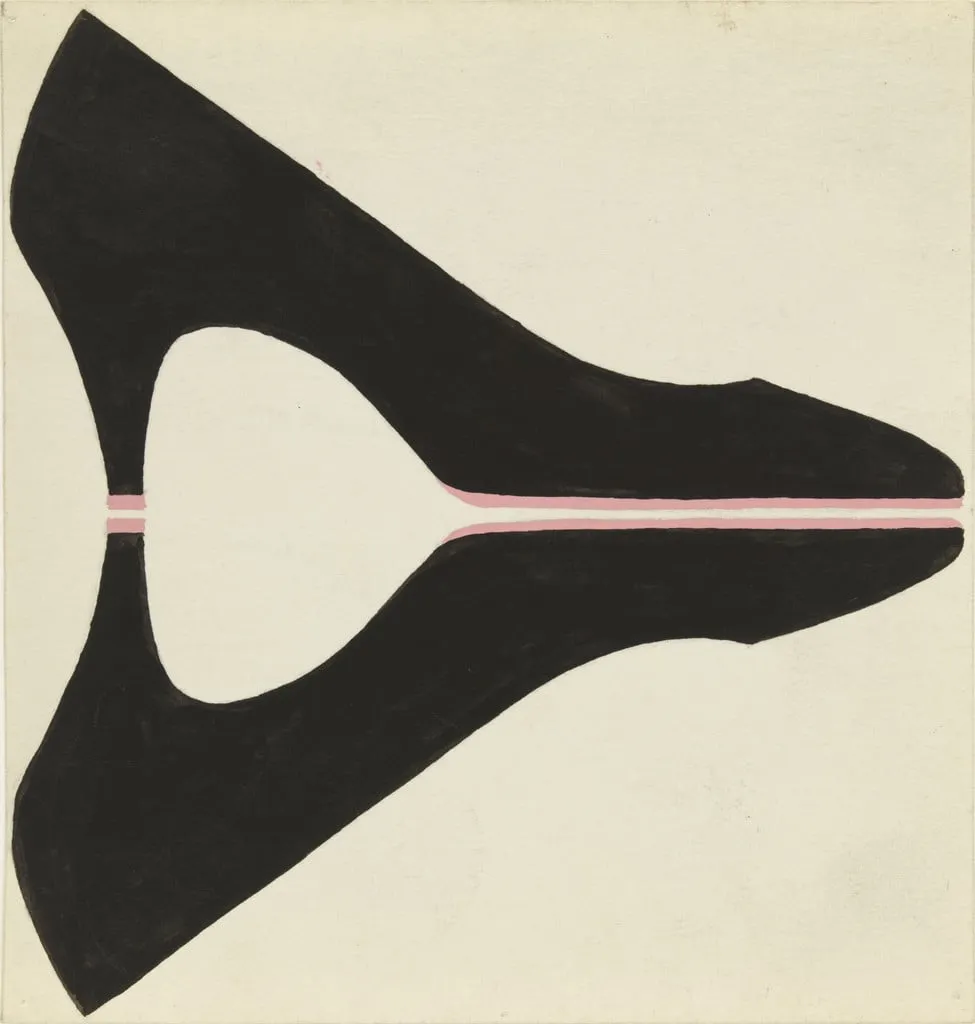
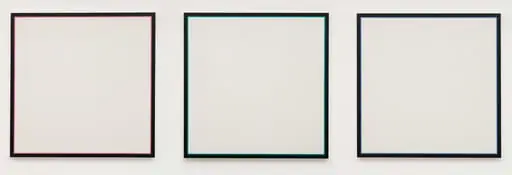
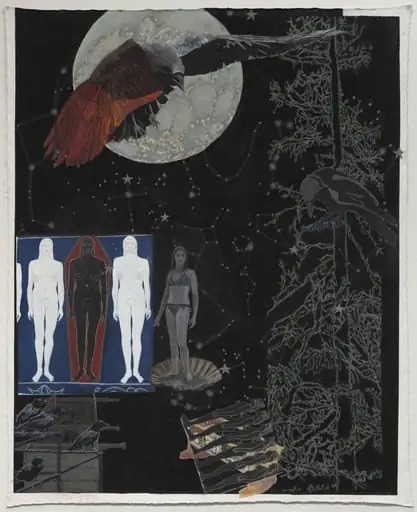
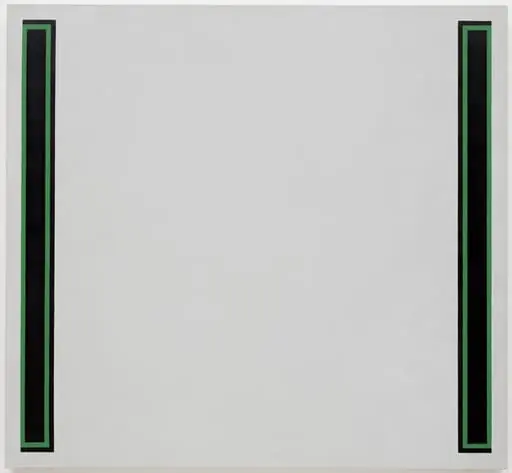
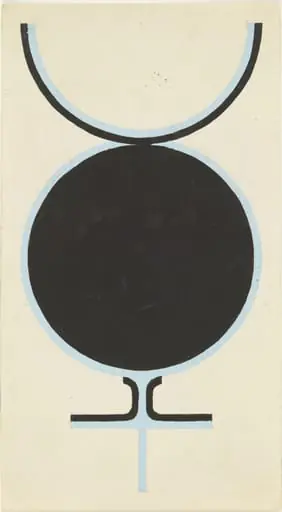
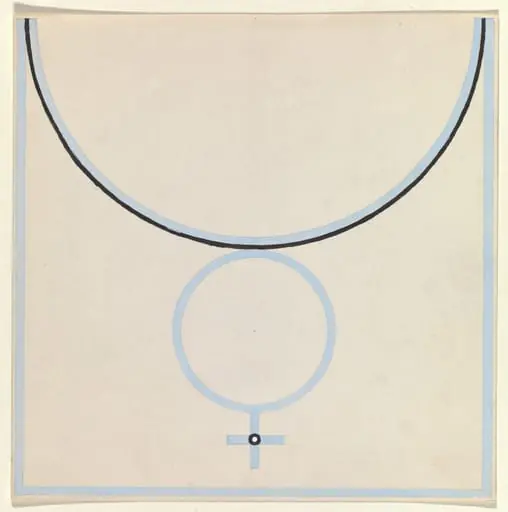
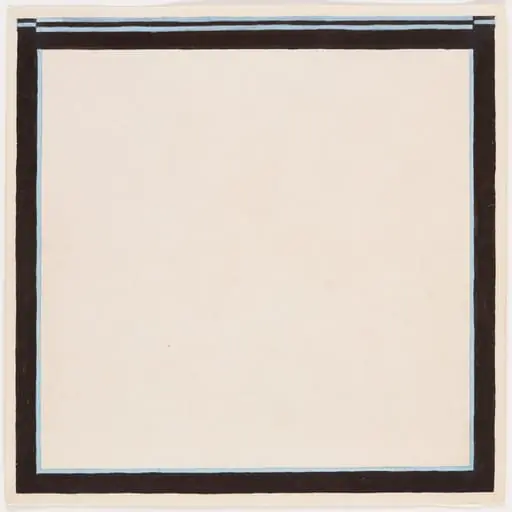
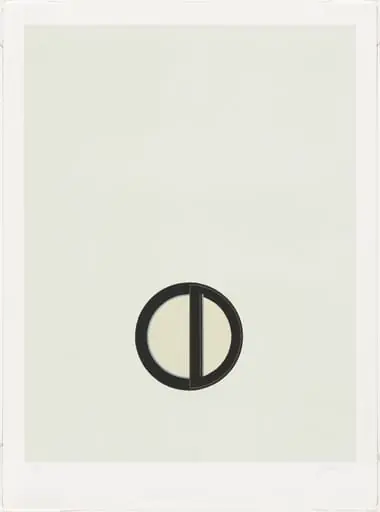
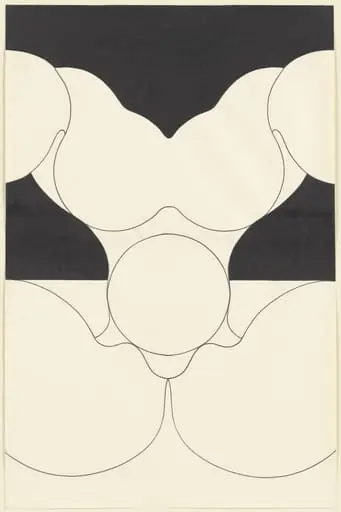
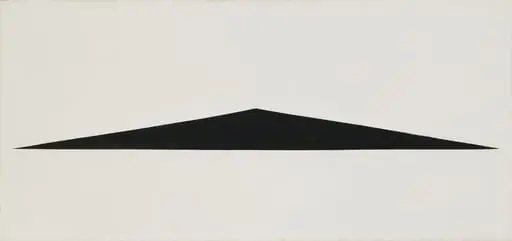
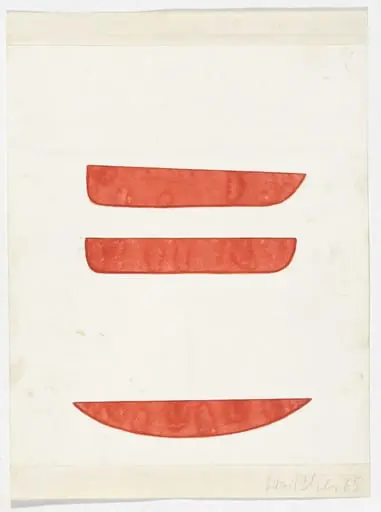
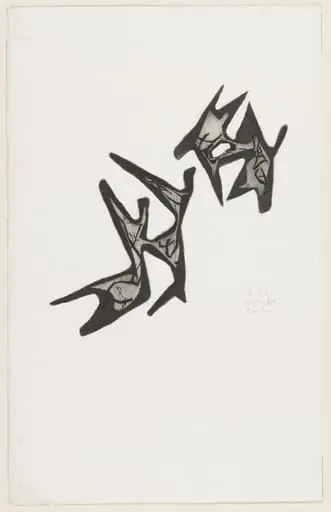
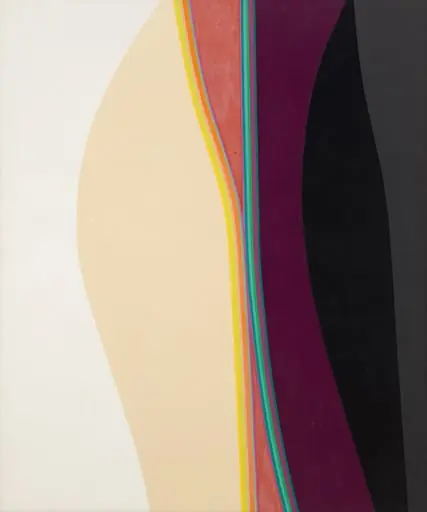
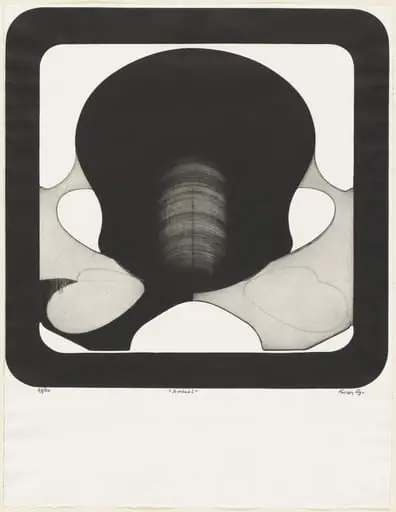
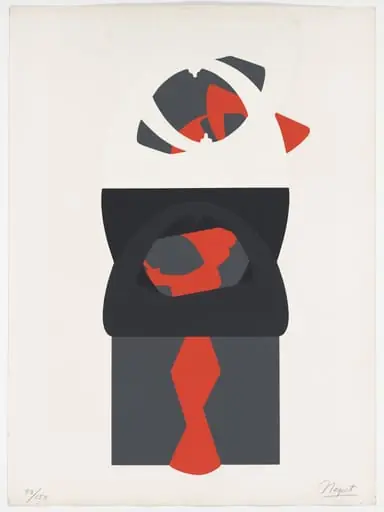
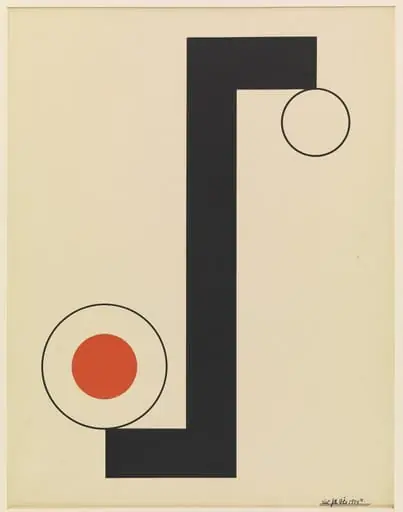
Untitled is a gouache drawing by Jo Baer. It dates from 1960 and is held in the collection of the Museum of Modern Art.
About this work
You see a small square of paper with a soft gray wash and a few pencil lines—some straight, some wobbly.
You see a small square of paper with a soft gray wash and a few pencil lines—some straight, some wobbly.
Baer made this in 1960, when most artists were filling canvases with bright colors and bold shapes. Here, she keeps it quiet. The gray isn’t even; it fades at the edges, like a breath on glass. The lines feel accidental, as if she drew them without lifting her hand.
If you like how simple marks can feel alive, look up the technique: gouache.
Overview
Created in 1960, this small drawing by Jo Baer combines gouache and pencil on paper. The recto features a muted gray wash with faint pencil marks, while the verso contains additional pencil work. Unlike the dominant abstract expressionist style of the time, Baer’s approach is restrained, emphasizing subtlety over spectacle. The work is held in the collection of The Museum of Modern Art, reflecting its significance in the evolution of minimalist drawing practices.
Subject & Meaning
The work resists clear narrative or symbolic content. Its quiet composition—soft gray tones and hesitant lines—invites contemplation of material presence rather than representation. The ambiguity of the marks suggests an interest in process over meaning, aligning with emerging minimalist concerns. The absence of bold form or color shifts focus to the physicality of the paper and the trace of the artist’s hand.
Technique & Style
Baer applied gouache thinly, allowing the paper’s texture to show through and the wash to fade unevenly at the margins. Pencil lines, some deliberate, others tremulous, appear uncorrected, as if drawn in continuous motion. This restrained technique prioritizes material honesty and imperfection, contrasting with the saturated, gestural styles prevalent in 1960s abstraction. The use of gouache, typically opaque, is rendered here with watercolor-like transparency.
History & Provenance
Made in 1960, the drawing emerged during a transitional period in Baer’s career, before her full commitment to geometric minimalism. It entered The Museum of Modern Art’s collection as part of its broader effort to document experimental drawing practices of the era. Its preservation in a major institution underscores its role as an early indicator of Baer’s shift toward reductive aesthetics.
Context
In 1960, American art was dominated by large-scale, emotionally charged abstractions. Baer’s small, quiet work stood in deliberate contrast, anticipating the minimalist turn toward neutrality and reduction. Her choice to work on paper, with muted tones and unassuming marks, challenged prevailing norms of scale and expression, positioning her within a quieter, more introspective current in postwar art.
Legacy
This drawing foreshadows Baer’s later investigations into perceptual boundaries and monochrome fields. Its understated presence contributed to a broader reevaluation of drawing as a site for conceptual inquiry, not just preparation. It remains a touchstone for artists exploring minimalism’s quiet possibilities, demonstrating how restraint can carry significant formal weight.
Artist & collection

Artist
Josephine Gail Baer was an American painter associated with minimalist art. She began exhibiting her work at the Fischbach Gallery, New York, and other venues for contemporary art in the mid-1960s. In the mid-1970s, she…