Artwork
Rural Festival
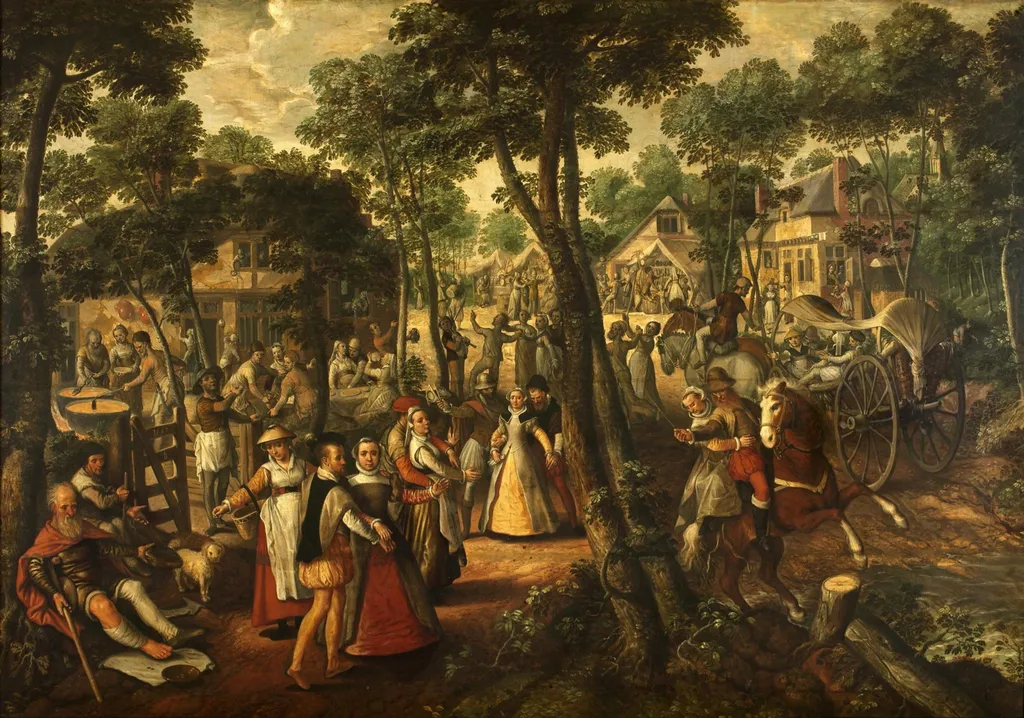
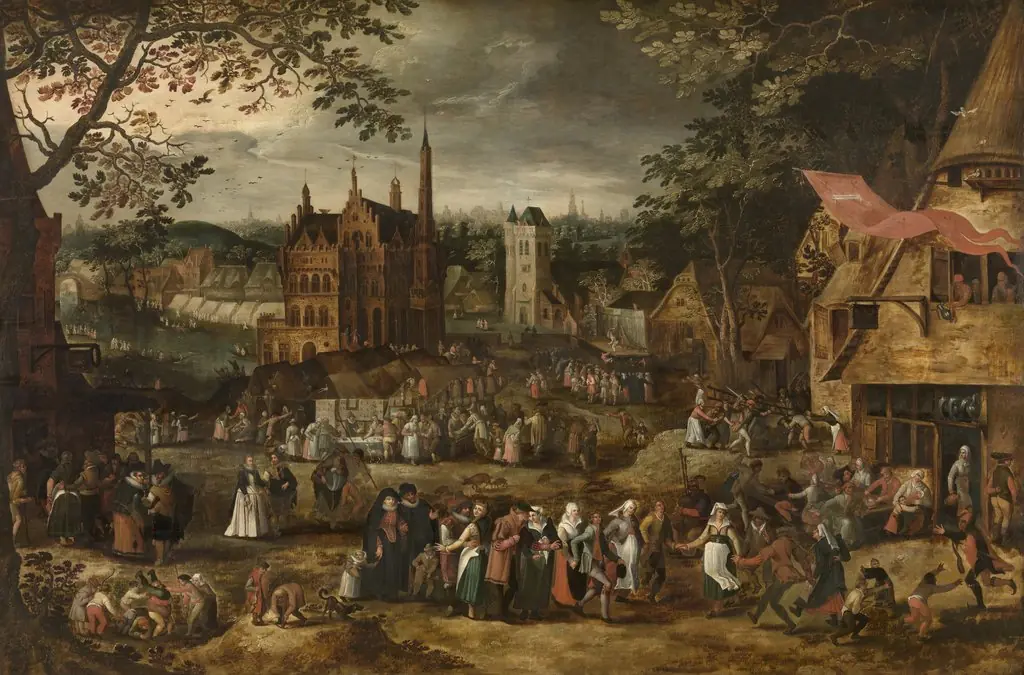
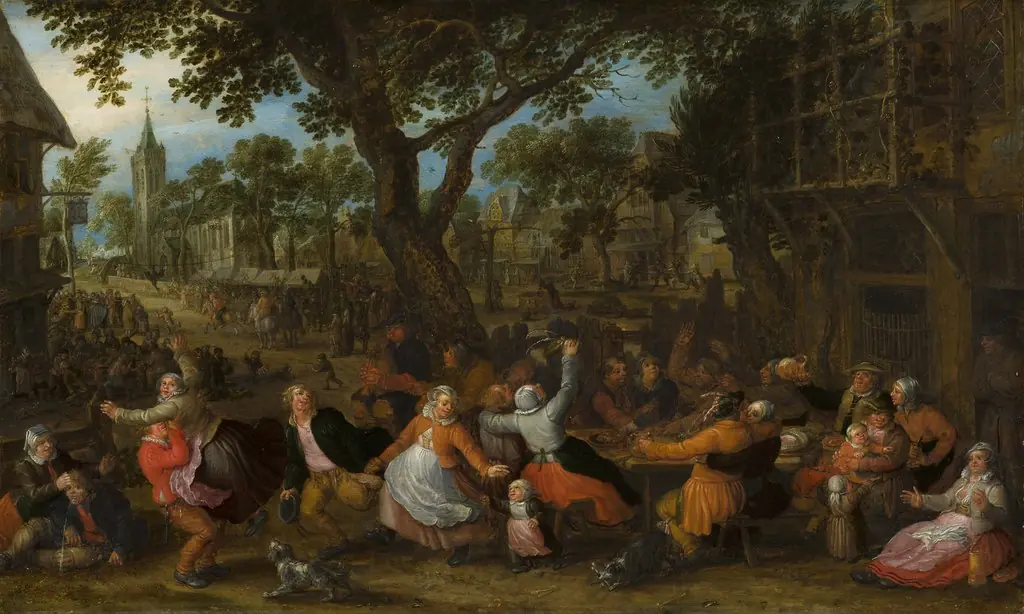
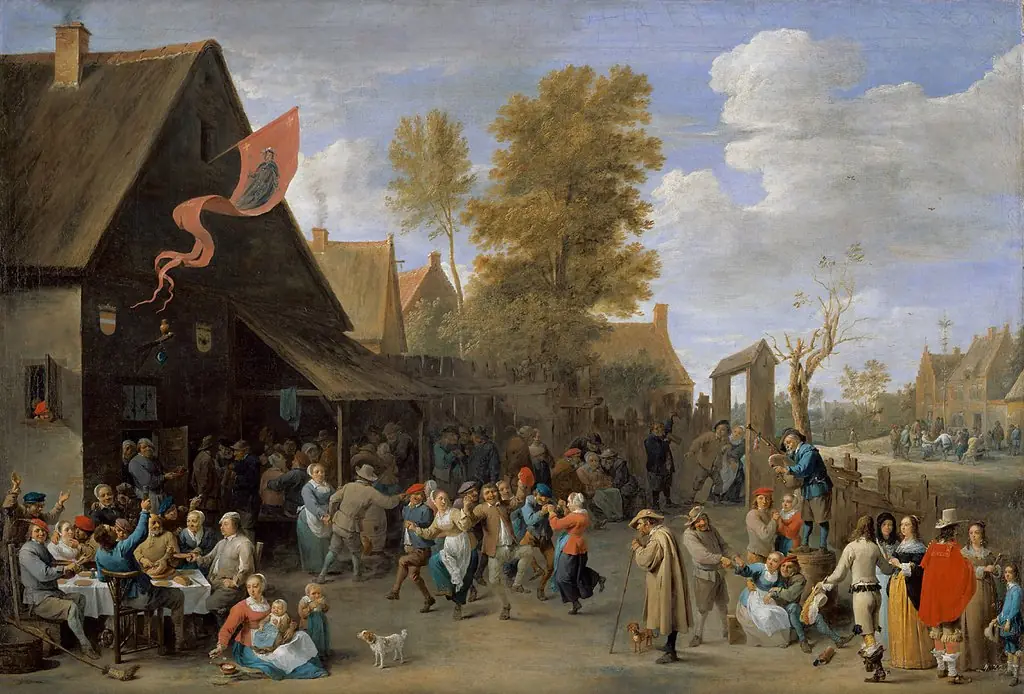
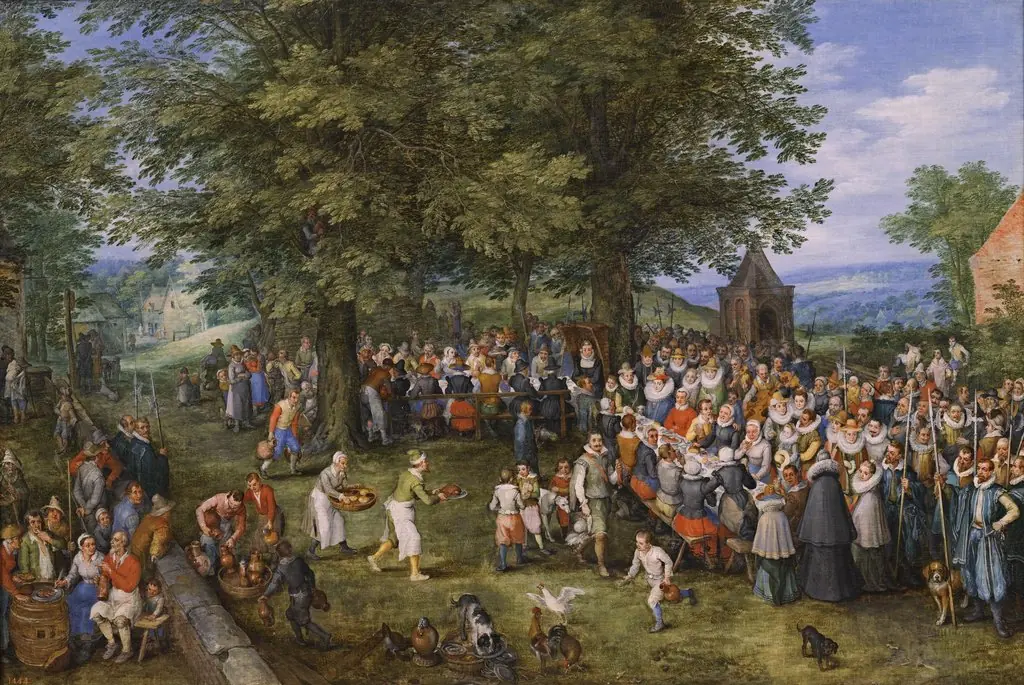
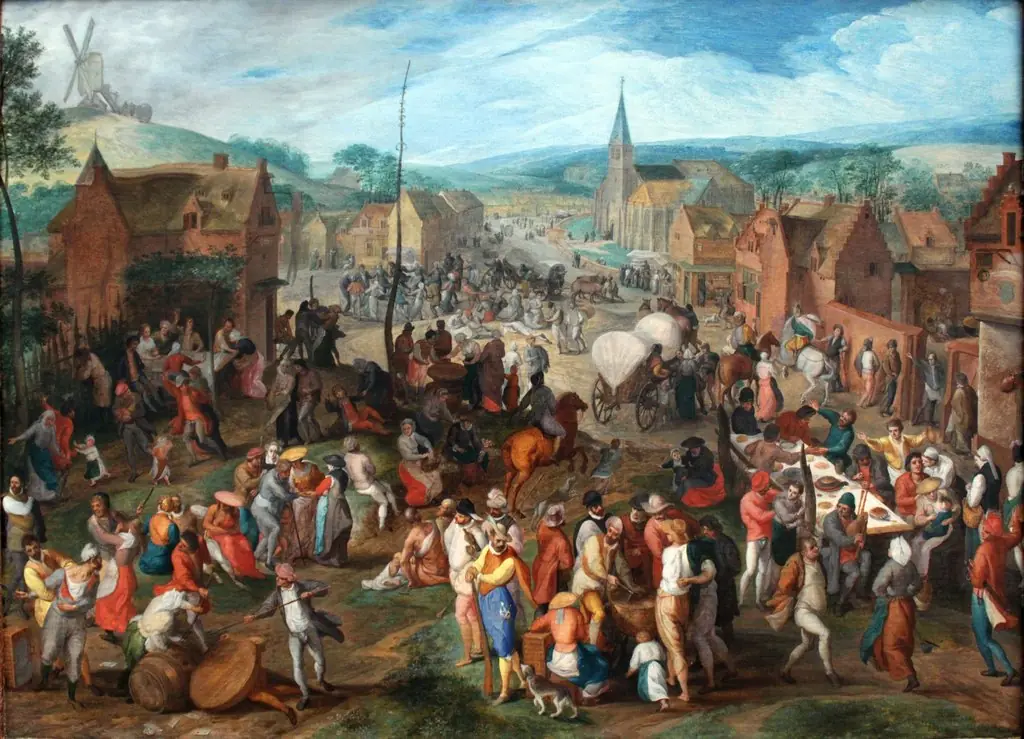
Rural Festival is an oil painting by the Northern Renaissance artist Joachim Beuckelaer. It dates from 1563 and is held in the collection of the Hermitage Museum.
About this work
Overview
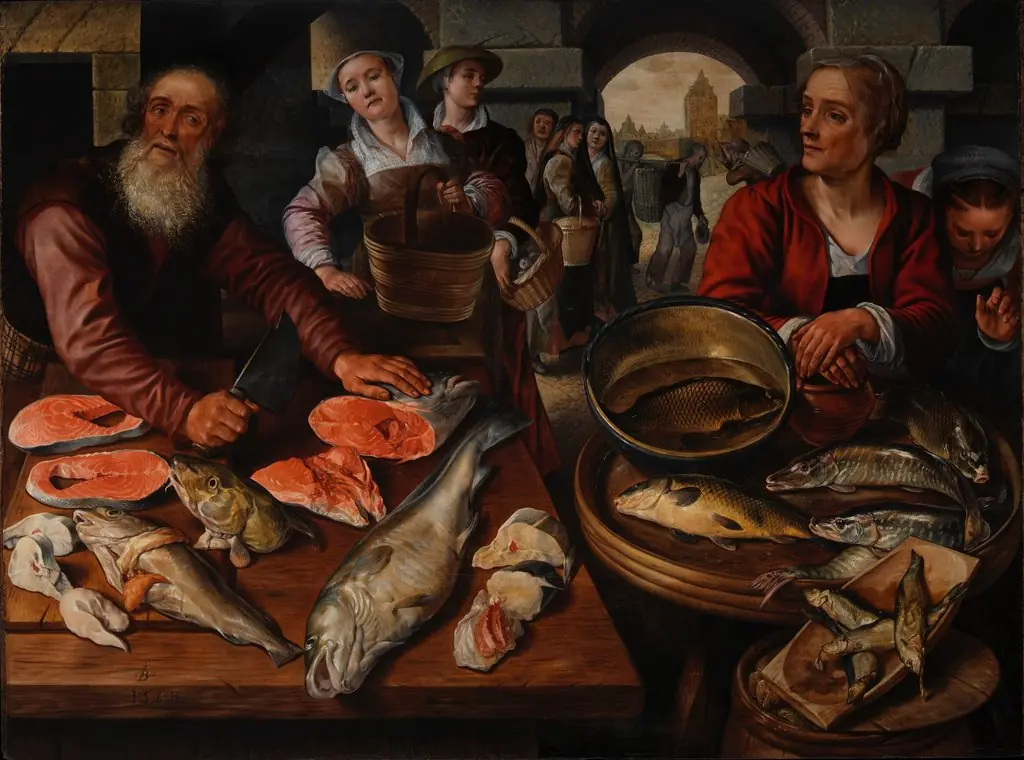
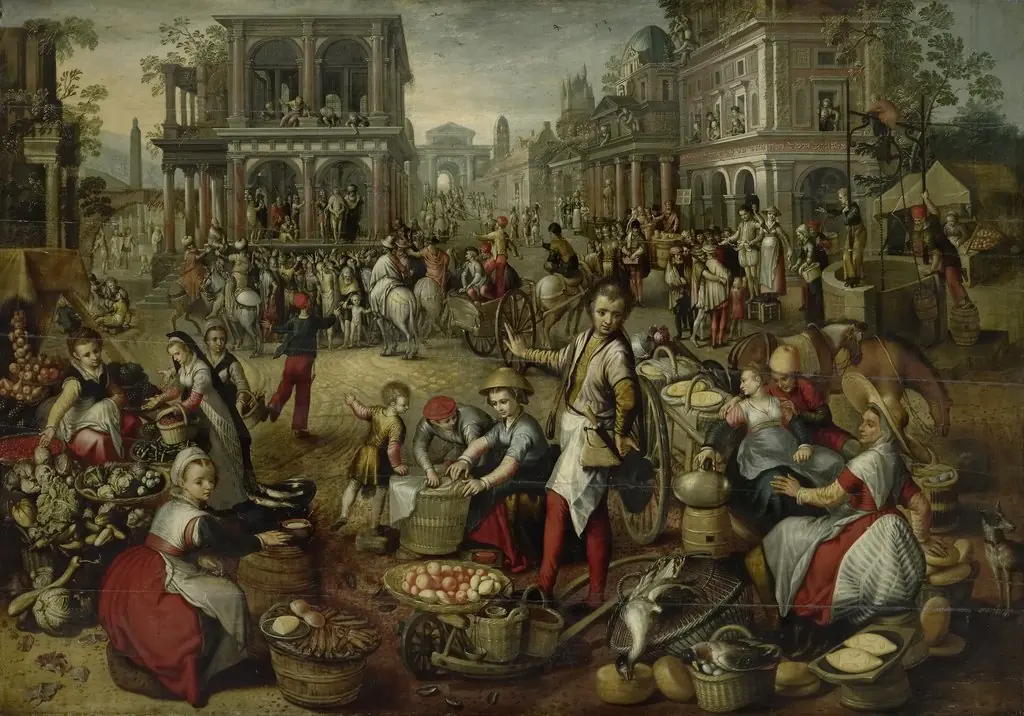
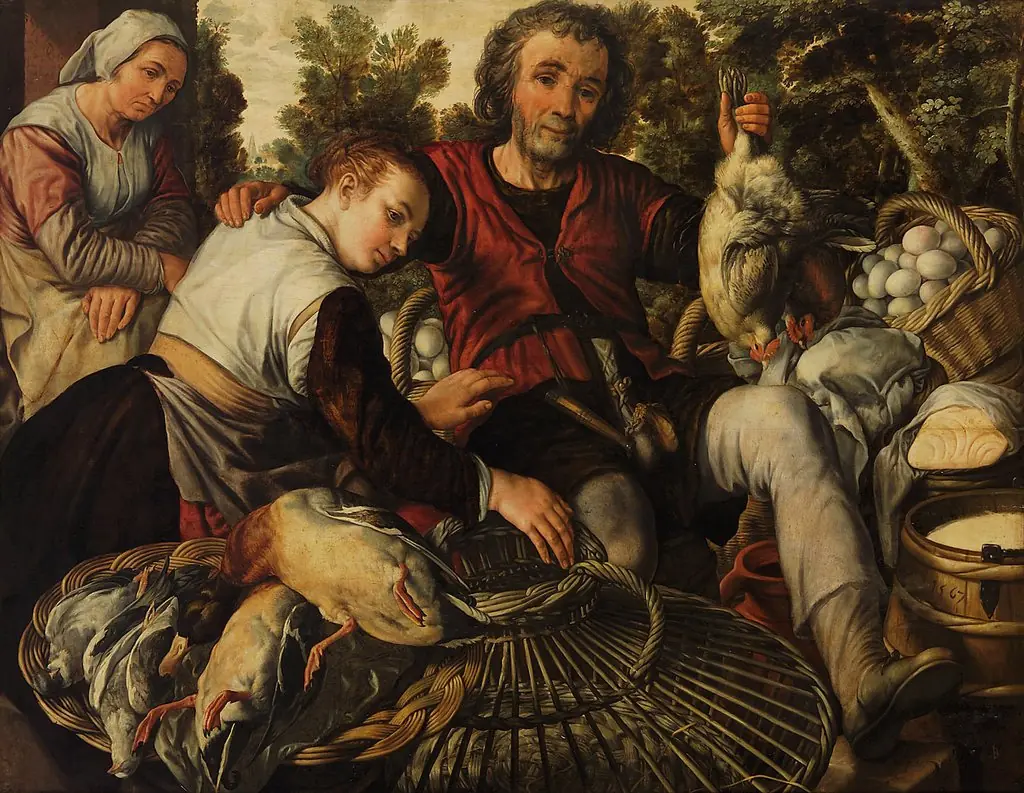
Painted in 1563 by Joachim Beuckelaer, *Rural Festival* is an oil-on-panel work depicting a lively outdoor gathering in a rural setting.
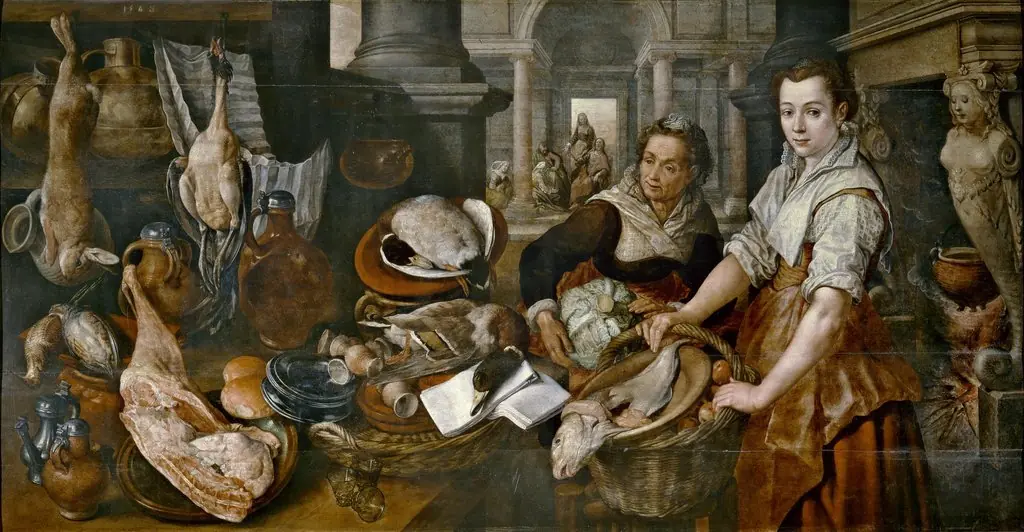
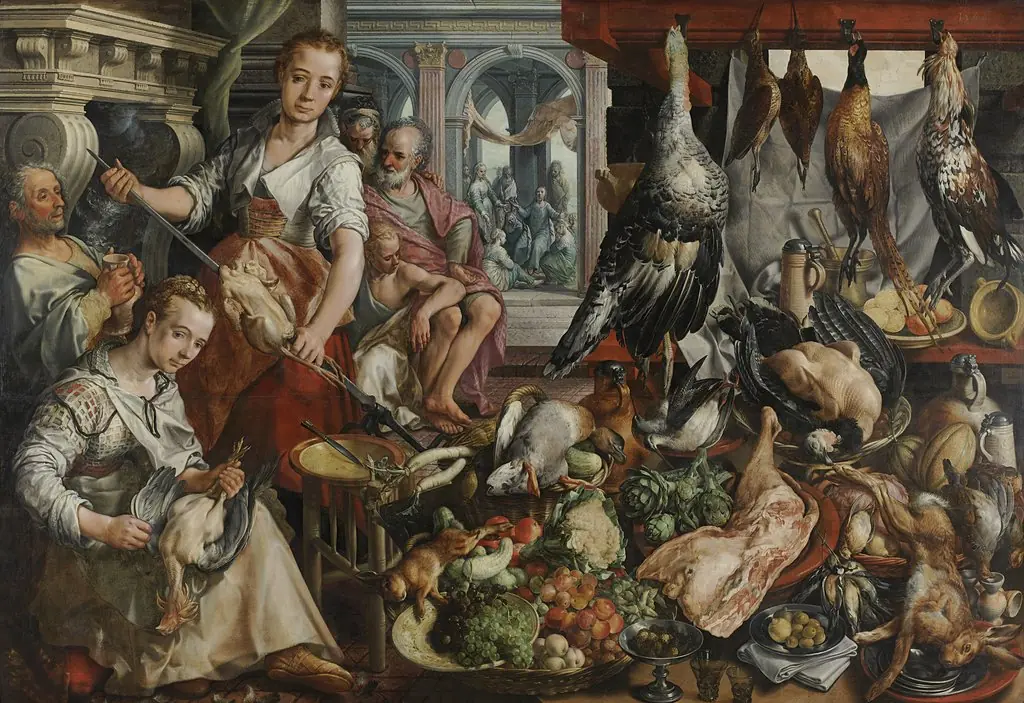
Painted in 1563 by Joachim Beuckelaer, *Rural Festival* is an oil-on-panel work depicting a lively outdoor gathering in a rural setting. It reflects the artist’s focus on scenes of daily life, particularly those centered around food and communal activity. Belonging to the Northern Renaissance, the painting exemplifies genre painting through its unidealized portrayal of ordinary people engaged in routine tasks and social interaction.
Subject & Meaning
The scene captures a village festival with figures eating, conversing, and moving among tables laden with food, livestock, and household goods. No single narrative dominates; instead, the painting presents a mosaic of quiet, unremarkable moments—eating, watching, resting—that together suggest the rhythm of rural life. The inclusion of animals and makeshift tents reinforces the transient, communal nature of the event.
Technique & Style
Beuckelaer employed glazing techniques to build subtle depth in textures, particularly in fabrics, skin tones, and food surfaces. Warm, earthy hues—rich reds, muted greens, and golden browns—create a cohesive atmosphere under soft, diffused light. The composition is densely populated yet carefully organized, with figures arranged in receding planes to maintain visual clarity despite the complexity.
History & Provenance
The painting has been part of the State Hermitage Museum’s collection since at least the 19th century. Its origins trace to Beuckelaer’s workshop in Antwerp, where he produced similar scenes for urban patrons interested in rural life. While its early ownership is undocumented, its survival through centuries reflects its enduring appeal as an example of Northern European genre painting.
Context
In mid-16th-century Flanders, depictions of marketplaces and peasant gatherings gained popularity among middle-class collectors. Beuckelaer’s works responded to this demand, blending moral undertones with detailed realism. His paintings often juxtaposed abundance with humility, aligning with broader religious and social values of the time while anticipating the emergence of independent still life as a genre.
Legacy
Beuckelaer’s attention to material detail and spatial organization influenced later Dutch and Flemish painters who specialized in genre scenes and still life. *Rural Festival* stands as an early example of how everyday life could be rendered with precision and quiet dignity, helping to shift artistic focus from religious or mythological subjects toward the observable world of common people.
Own this work as a print
Artist & collection

Artist
Joachim Beuckelaer (c. 1533 – c. 1570/4) was a Flemish painter specialising in market and kitchen scenes with elaborate displays of food and household equipment. His development of the genre of market and kitchen scenes…