Artwork
Anbetung der Hirten
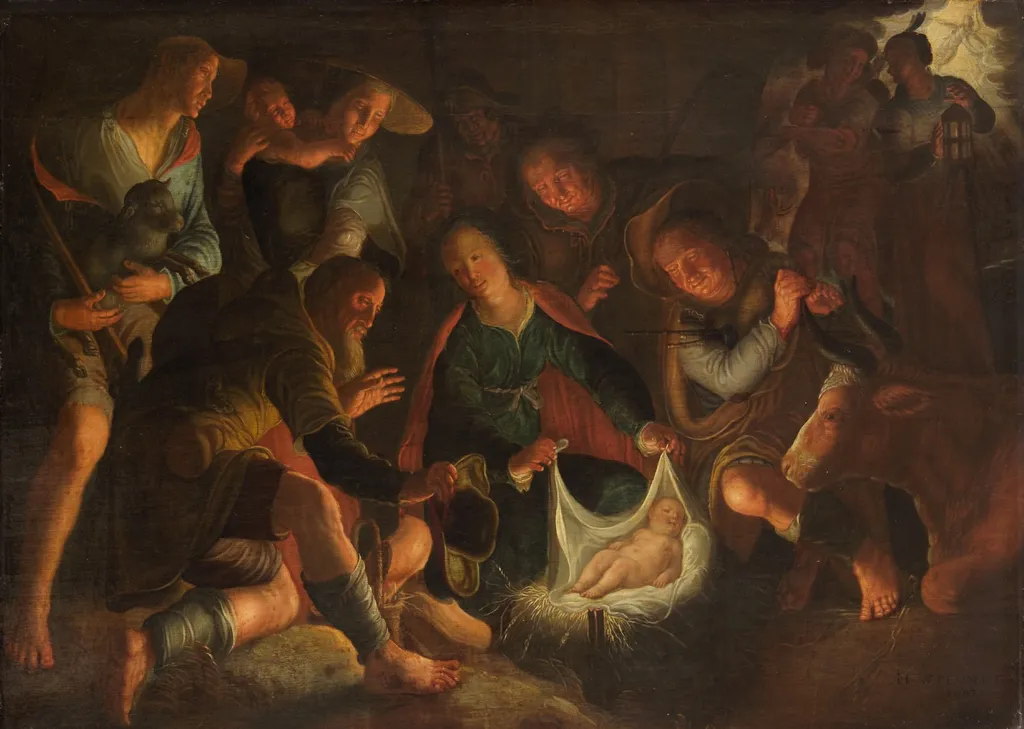
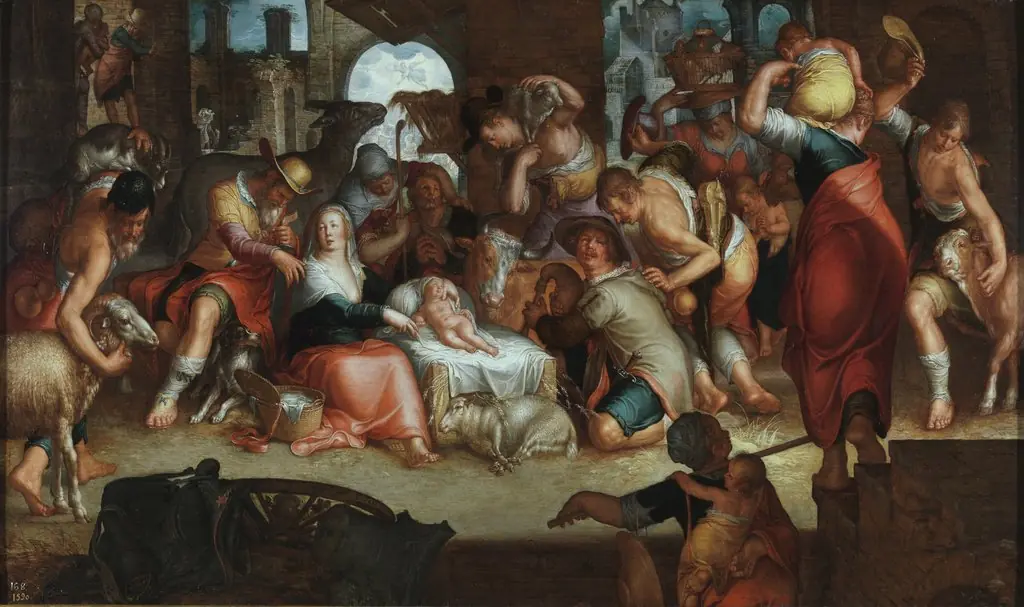
Anbetung der Hirten is an unspecified painting by the Early Baroque Italian artist Joachim Wtewael. It dates from 1622 and is held in the collection of the Kunsthistorisches Museum.
About this work
Overview
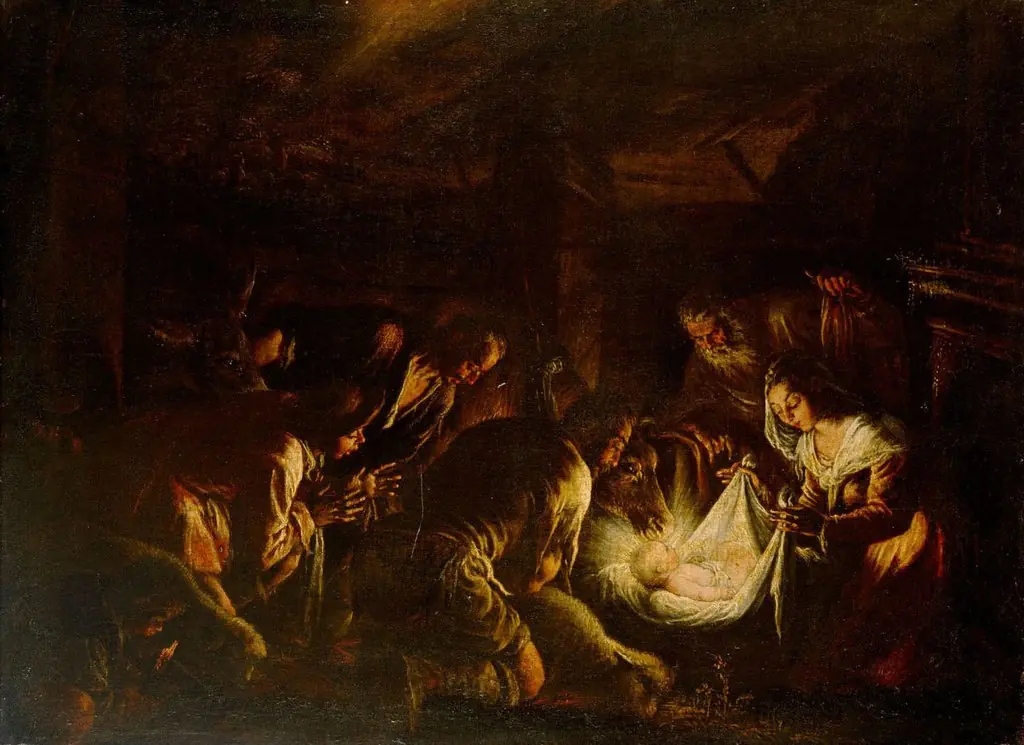
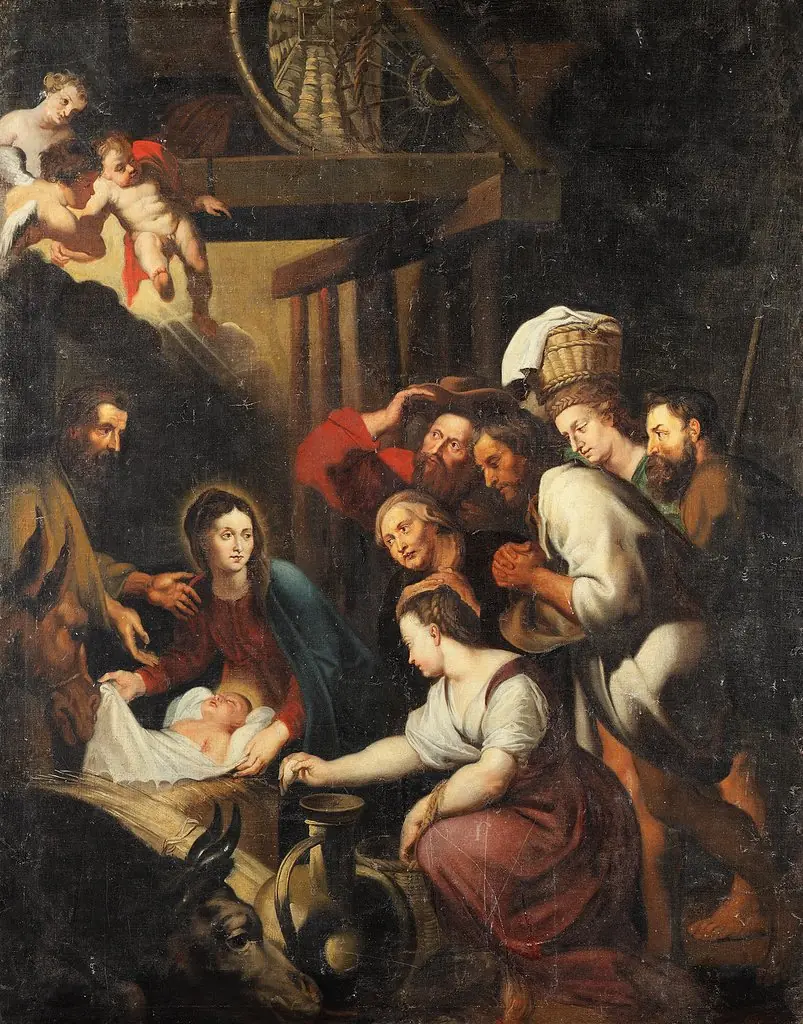
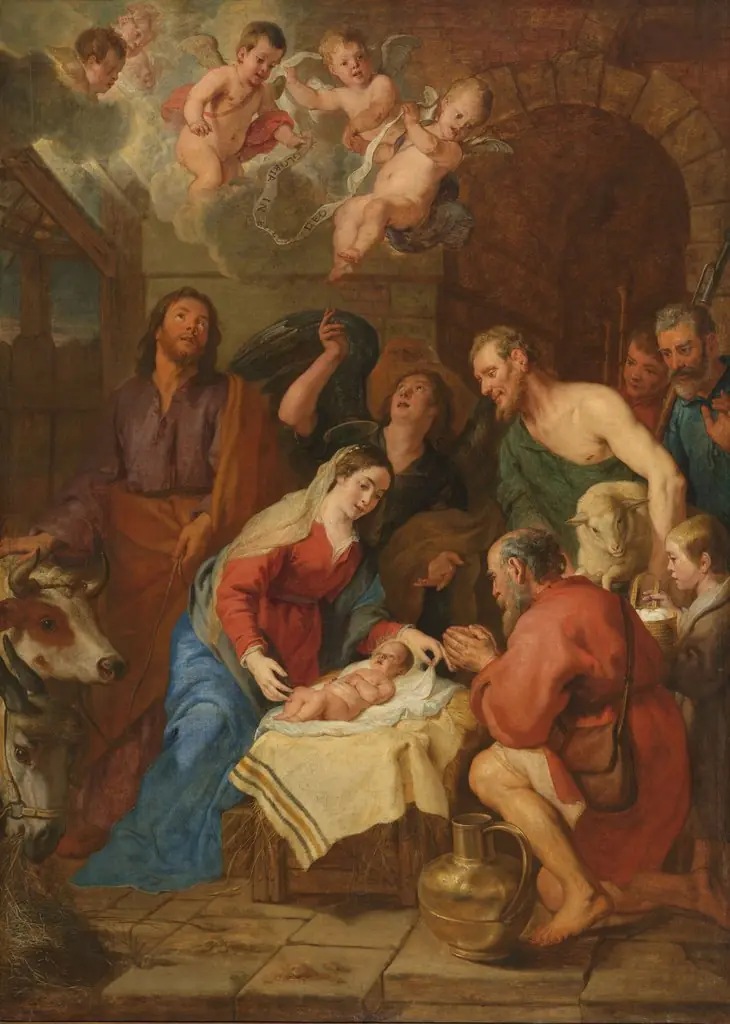
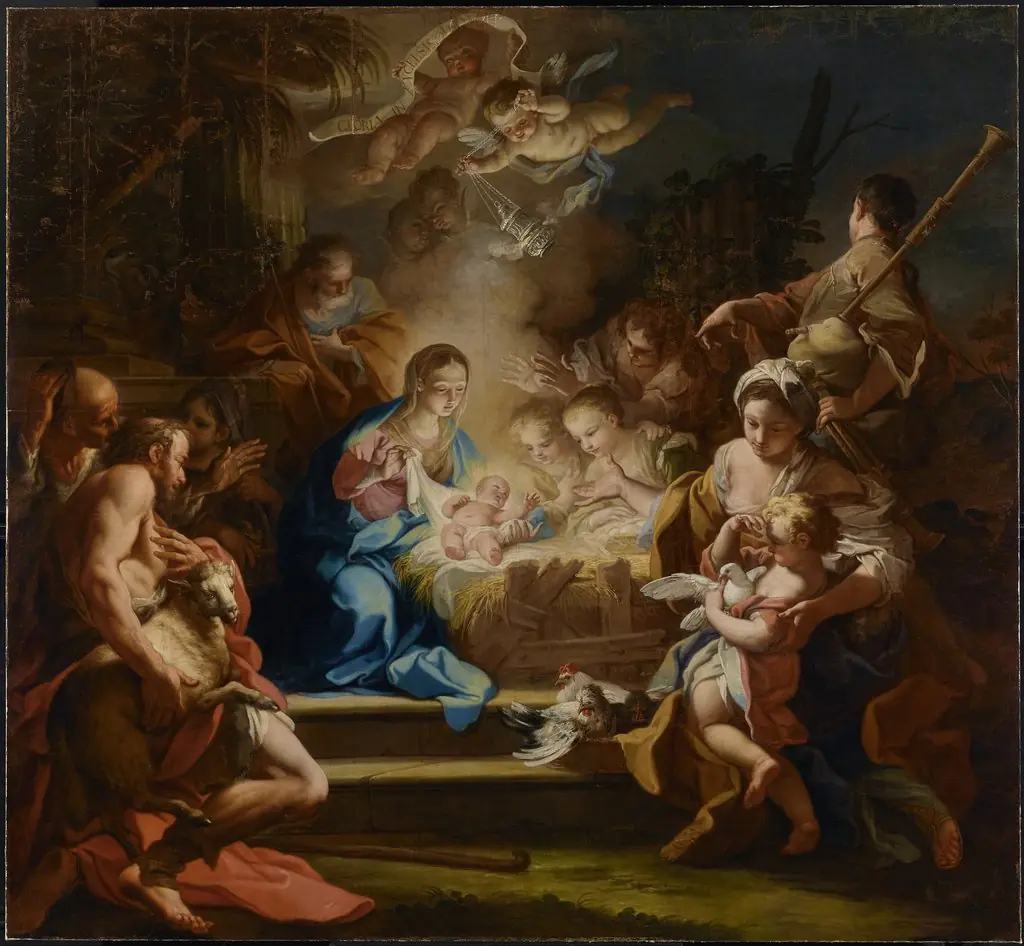
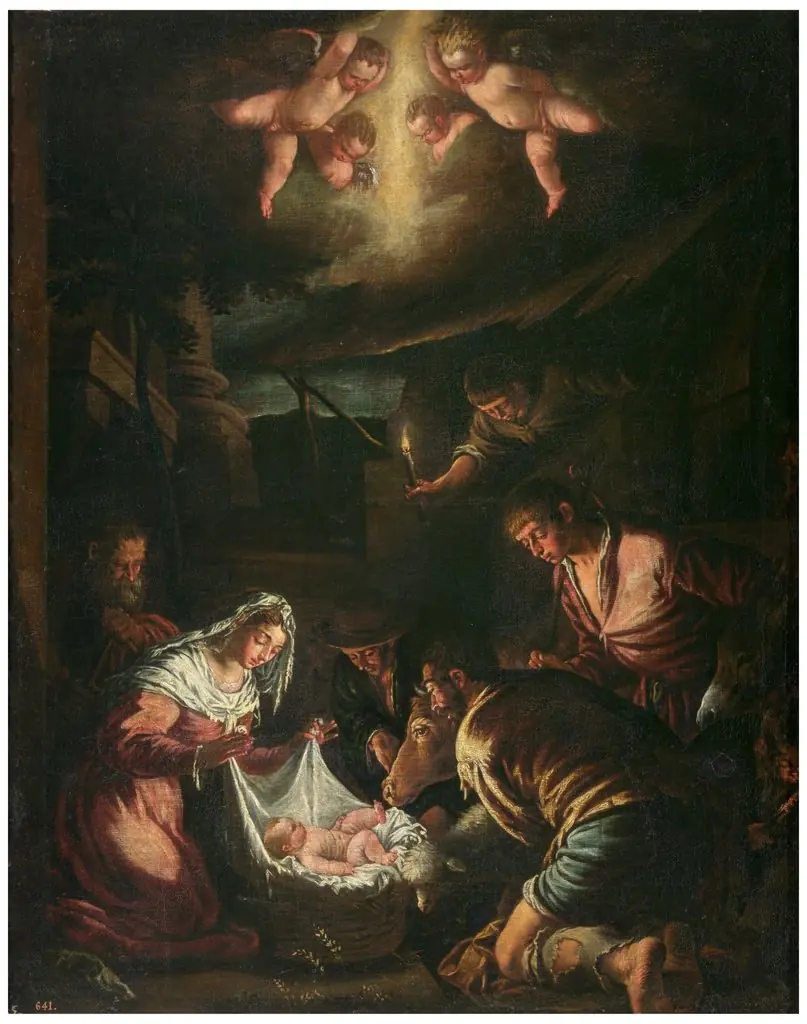
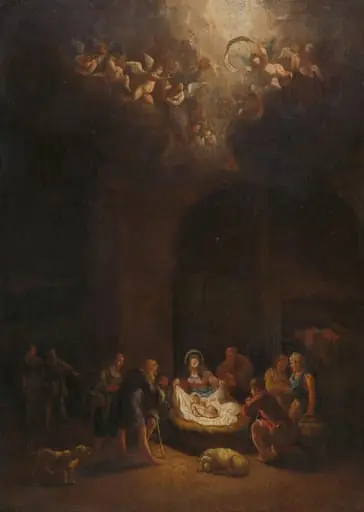
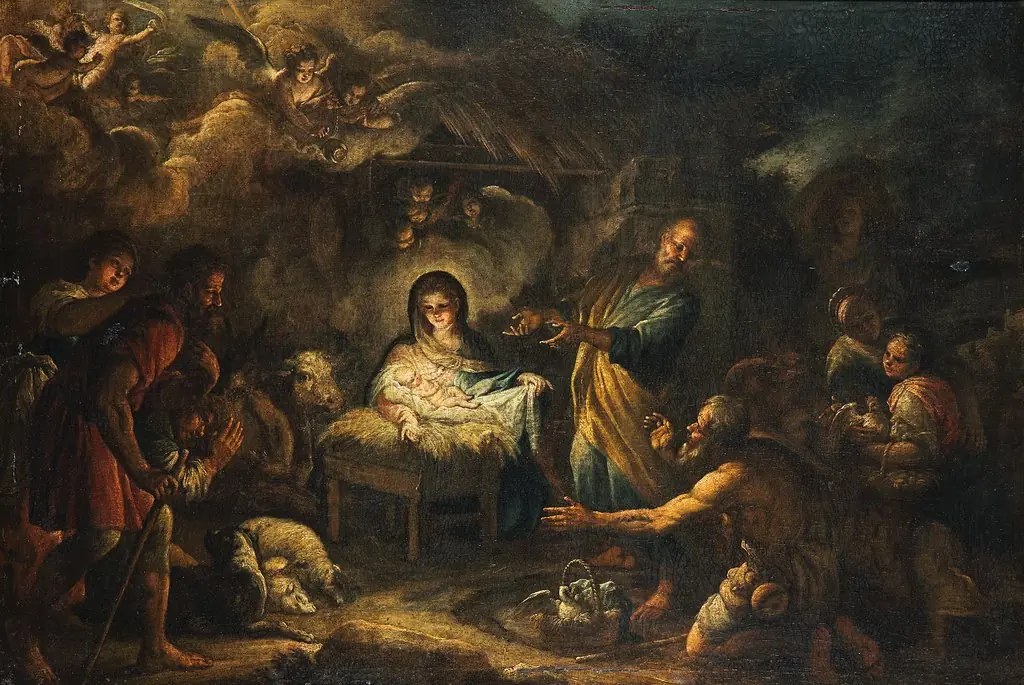
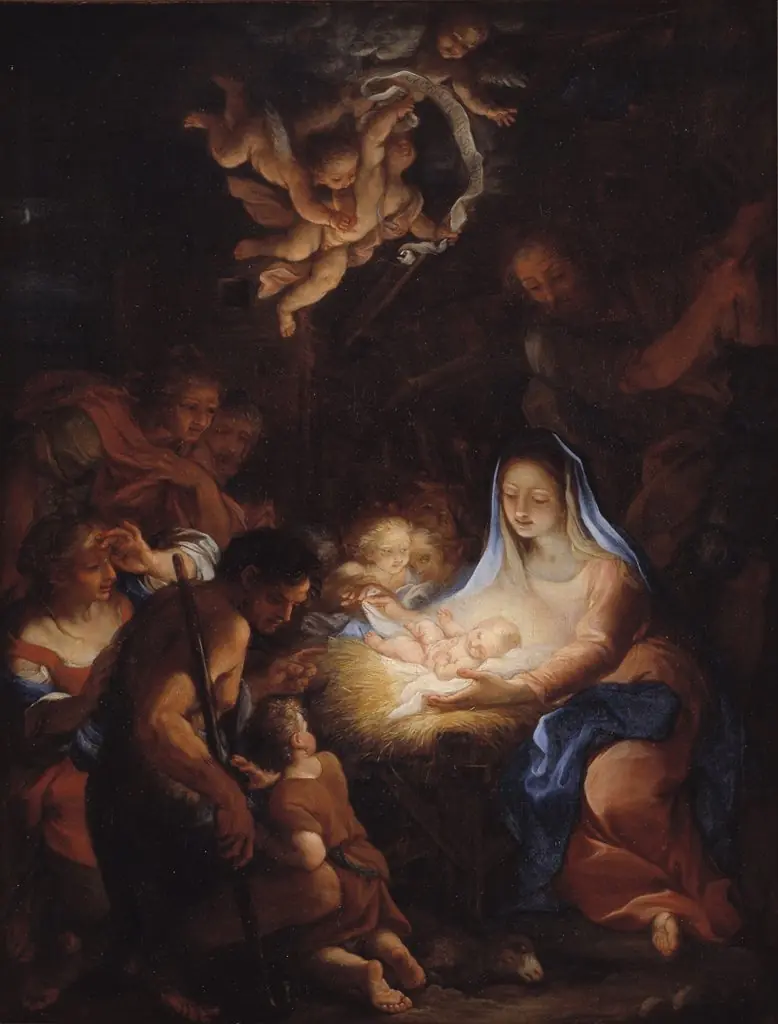
Created in 1622 by the Dutch artist Joachim Wtewael, *Anbetung der Hirten* presents a nocturnal nativity scene centered on the infant Christ. The composition, now part of the Kunsthistorisches Museum’s collection, combines a modest stable setting with a group of shepherds gathered around the newborn, illuminated by a subtle, dramatic light source.
Subject & Meaning
The painting depicts the traditional biblical moment of shepherds adoring the newborn Jesus, emphasizing themes of humility and divine revelation. The figures, dressed in period costume, convey a mixture of curiosity and reverence as they lean toward the infant, whose gently glowing visage draws the viewer’s focus toward the spiritual significance of the encounter.
Technique & Style
Wtewael employs a pronounced chiaroscuro, contrasting deep shadows with bright highlights to heighten the scene’s theatricality. Despite the early Baroque influence evident in the lighting, the work retains his characteristic Mannerist elegance: elongated poses, polished surfaces, and intricate drapery that set it apart from the more naturalistic tendencies of his contemporaries.
History & Provenance
Beyond his artistic career, Wtewael was a successful flax merchant and served as a councilor in Utrecht, maintaining a distinct Mannerist approach throughout his life. *Anbetung der Hirten* entered the Kunsthistorisches Museum’s holdings in the 20th century, where it remains a representative example of his religious output and the cross‑regional stylistic currents of the early 17th century.
Artist & collection
Artist
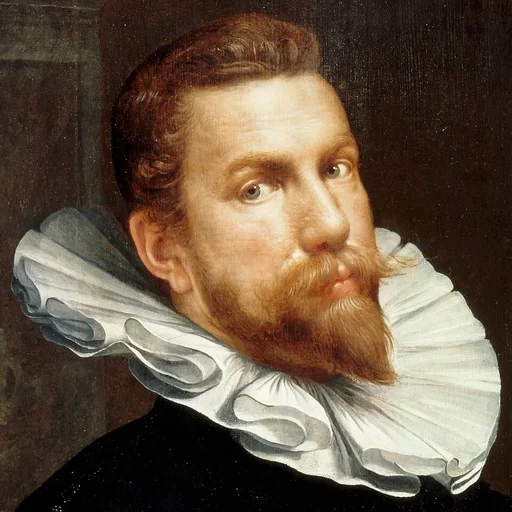
Joachim Anthoniszoon Wtewael (Dutch pronunciation: ; 1566 – 1 August 1638), also known as Uytewael (pronounced ), was a Dutch Mannerist painter and draughtsman, as well as a highly successful flax merchant, and town councillor of Utrecht.