Artwork
The Adoration of the Shepherds
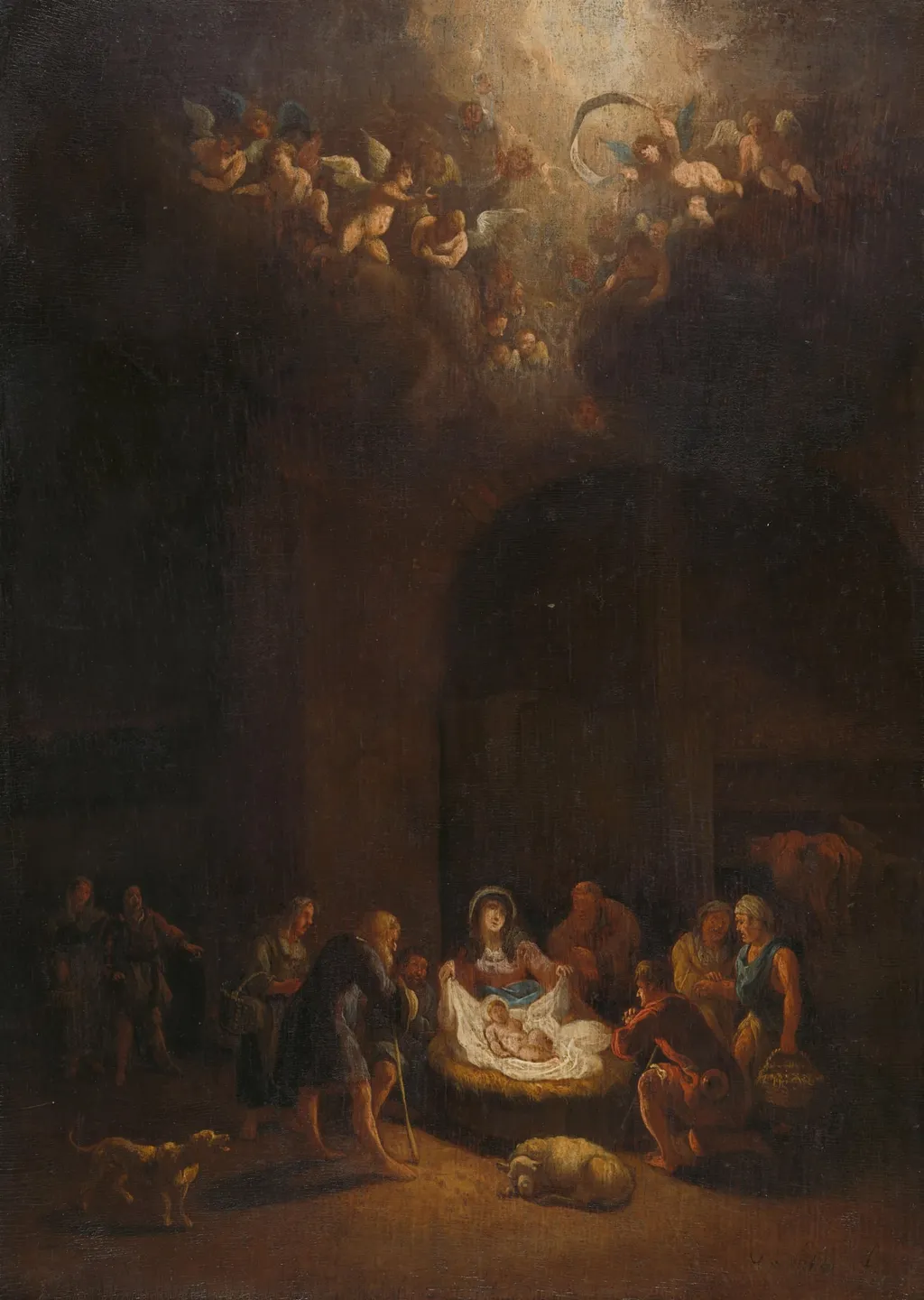
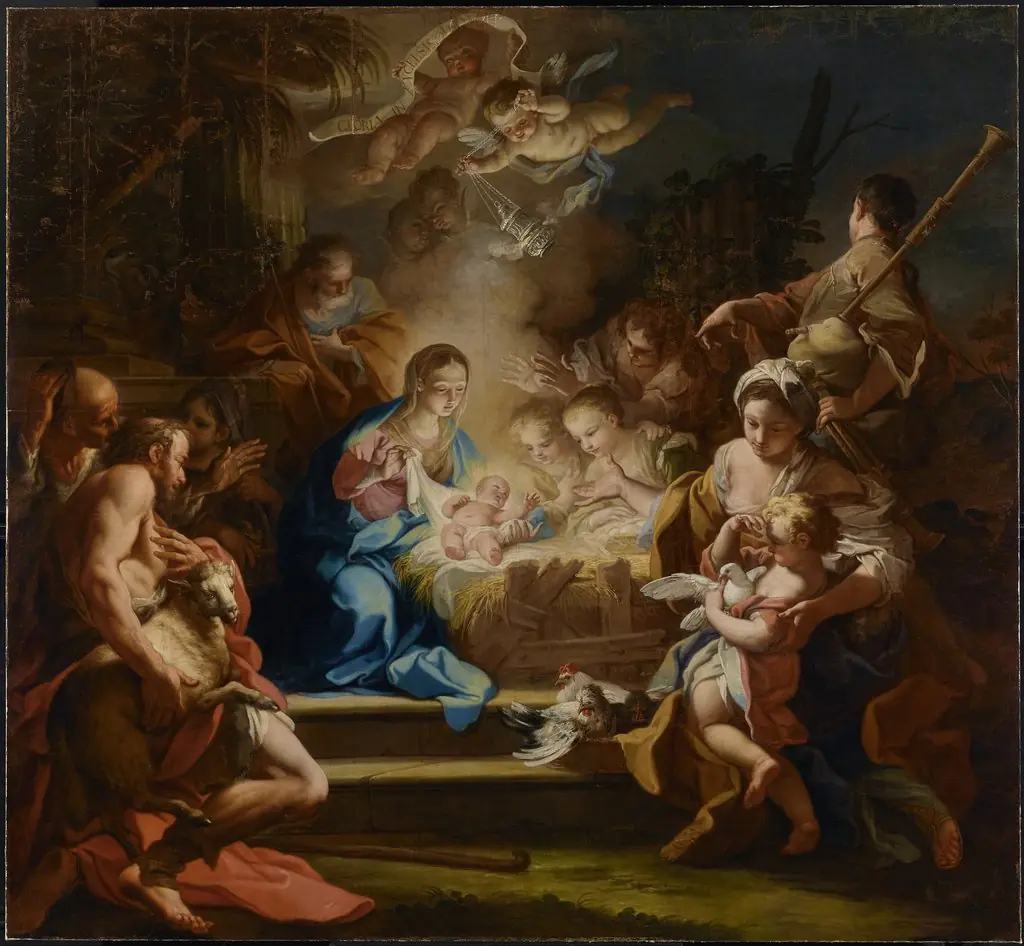
The Adoration of the Shepherds is an unspecified painting by the Rococo painting artist Unknown. It dates from 1680 and is held in the collection of the Rijksmuseum. The work depicts a nocturnal nativity scene in which shepherds gather around a luminous manger.
About this work
Overview
The work depicts a nocturnal nativity scene in which shepherds gather around a luminous manger. Mary lifts a cloth to reveal the infant Christ, while angels hover above the stable’s roof. The composition is balanced, with the glowing child as the sole light source, casting a warm glow on the surrounding figures.
Subject & Meaning
The painting focuses on the intimate moment of adoration, emphasizing the humility of the shepherds and the divine presence of the newborn. The angels above suggest heavenly approval, linking the earthly scene to a celestial realm and underscoring the theological theme of incarnation.
Technique & Style
A single, internal light source creates a chiaroscuro effect: the infant’s radiance turns nearby faces golden, while the surrounding space remains in deep shadow. This contrast heightens the sense of quiet reverence and gives the scene a tangible, three‑dimensional quality without elaborate staging.
History & Provenance
The canvas was produced as a pendant to another nativity painting, matching it in size and night‑sky background. Both were intended to be displayed together, forming a paired narrative of the birth of Christ.
Context
Created within a tradition of Baroque religious art, the piece reflects contemporary interest in dramatic lighting to convey spiritual intensity. Its composition aligns with other works that use the infant’s light to symbolize divine illumination amidst darkness.
Artist & collection

 Domestic Scene
 Giacomo and Cardinal Marco, investing Andrea, Abbot of San Zeno, with his Benefice
 The Nymph of Fontainebleau
 Portrait of a Woman
 Madonna and Child with Saints in the Enclosed Garden
 Venus and Minerva
 Family Group of Four on Sofa
 Wall painting from Room H of the Villa of P. Fannius Synistor at Boscoreale
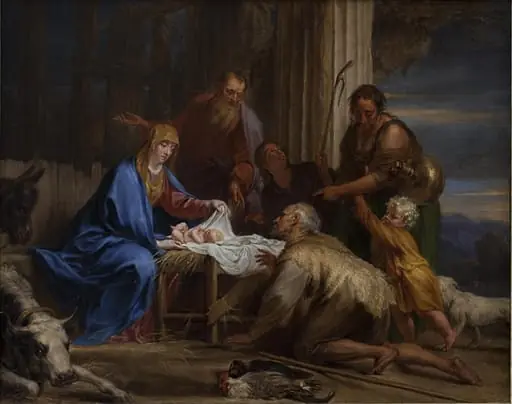 The Adoration of the Shepherds
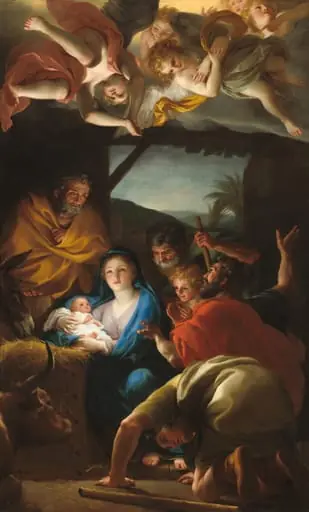 The Adoration of the Shepherds
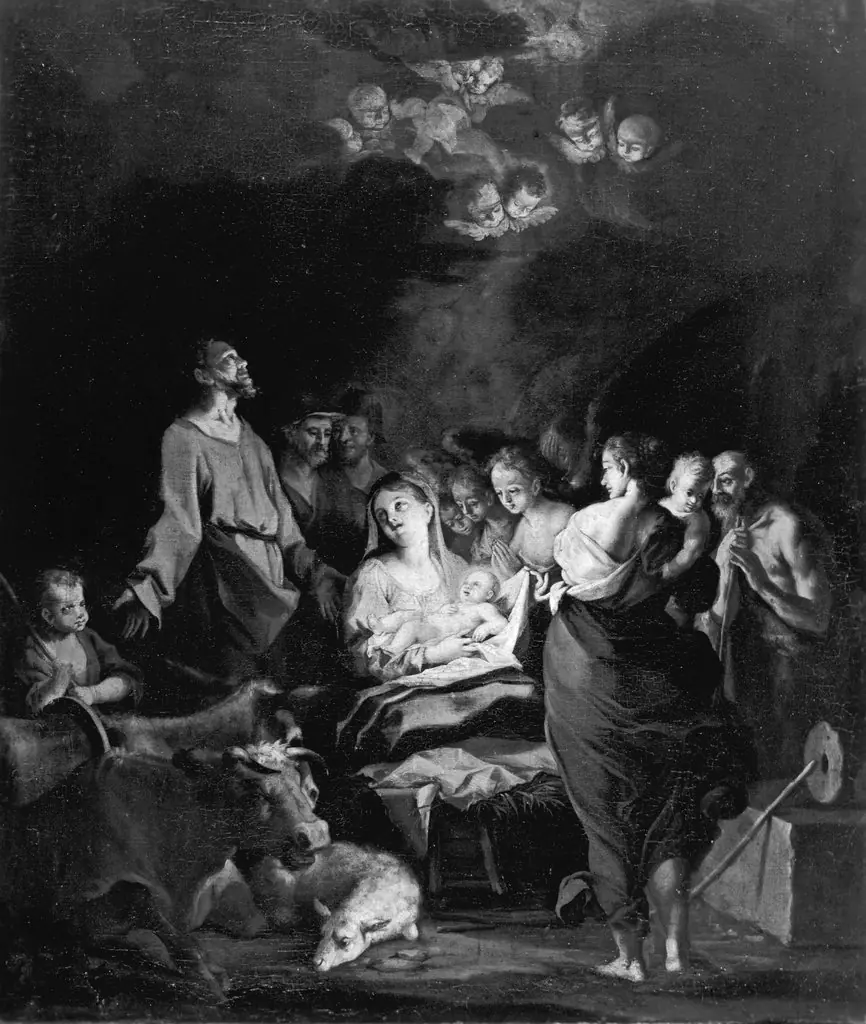 The Adoration of the Shepherds
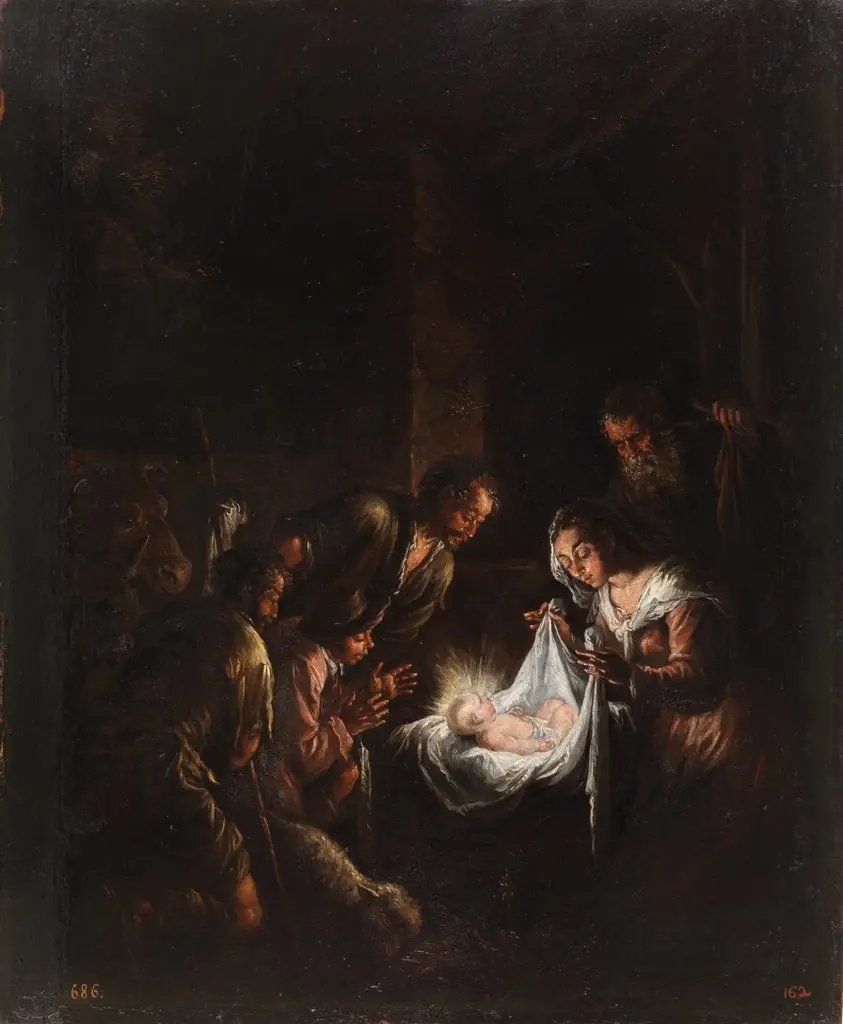 Adoration of the Shepherds
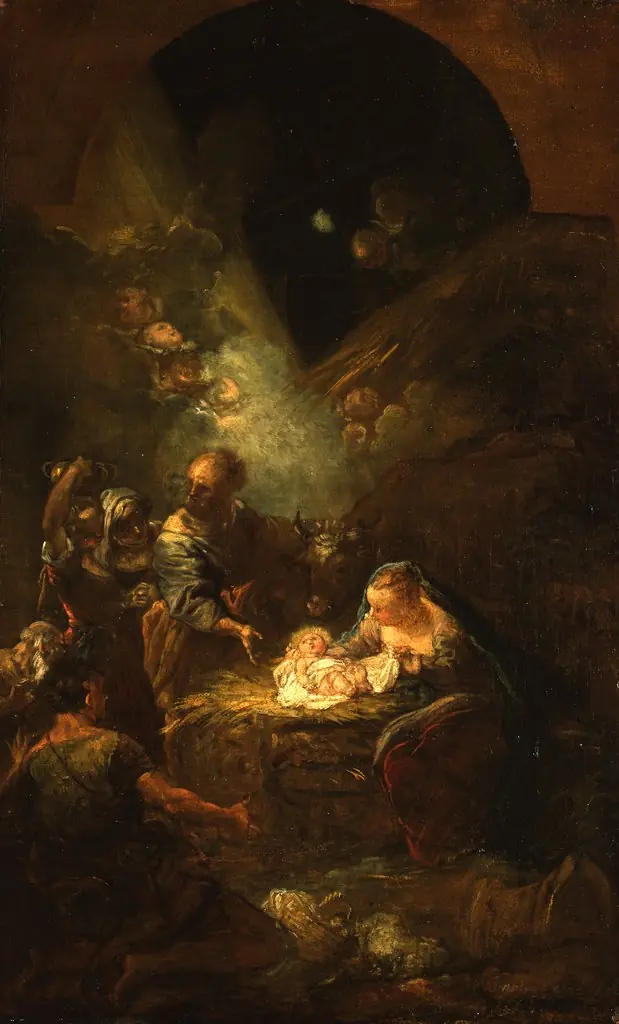 Adoration of the Sheperds
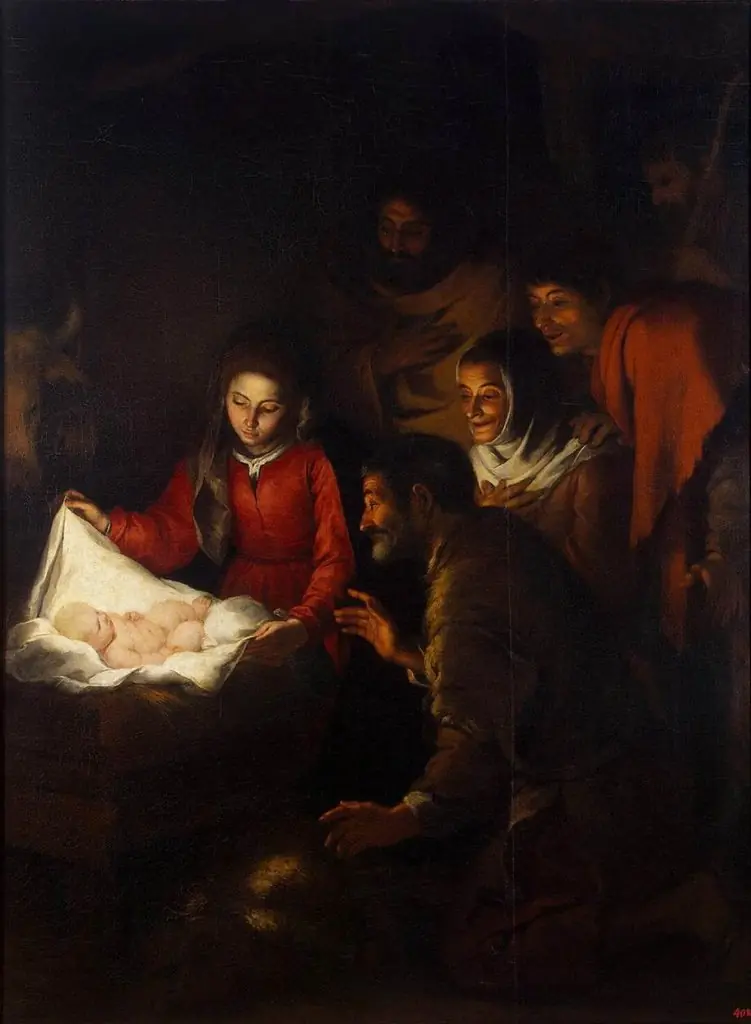 Adoration of the Shepherds
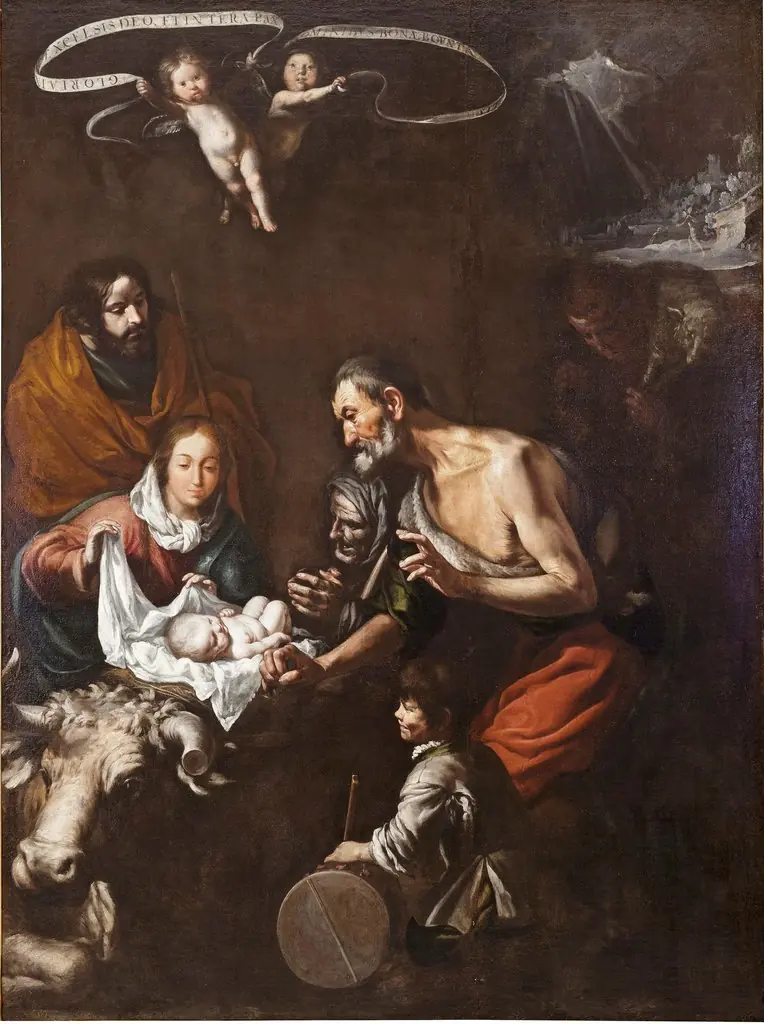 The Adoration of the Shepherds
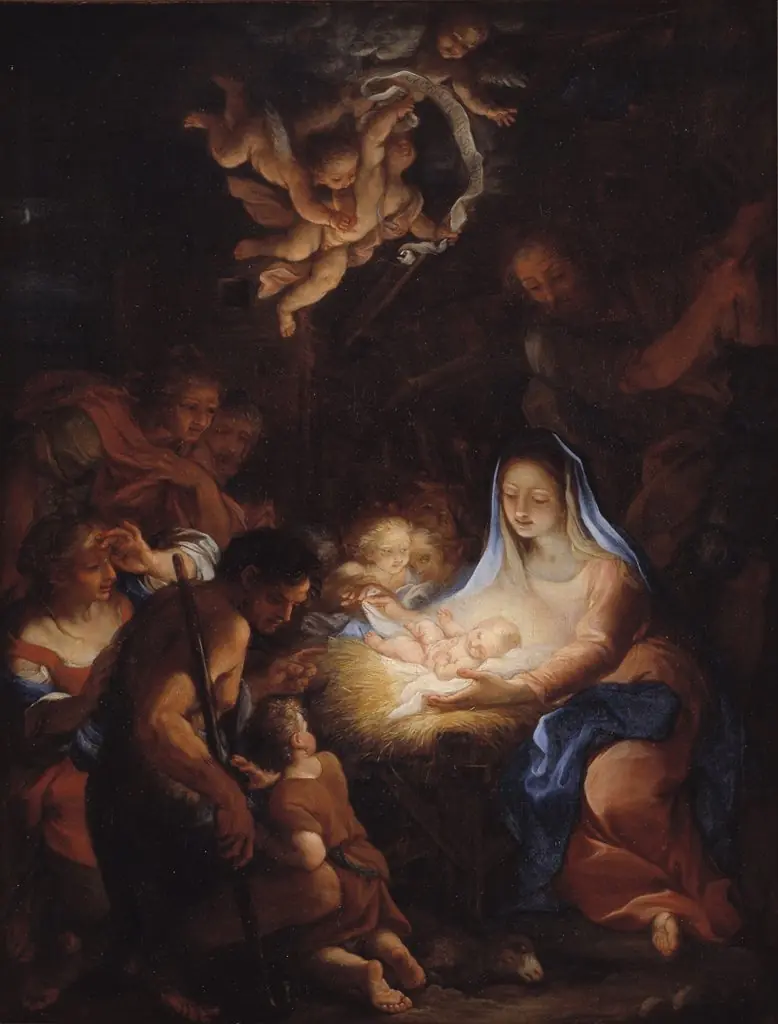 The Adoration of the Shepherds
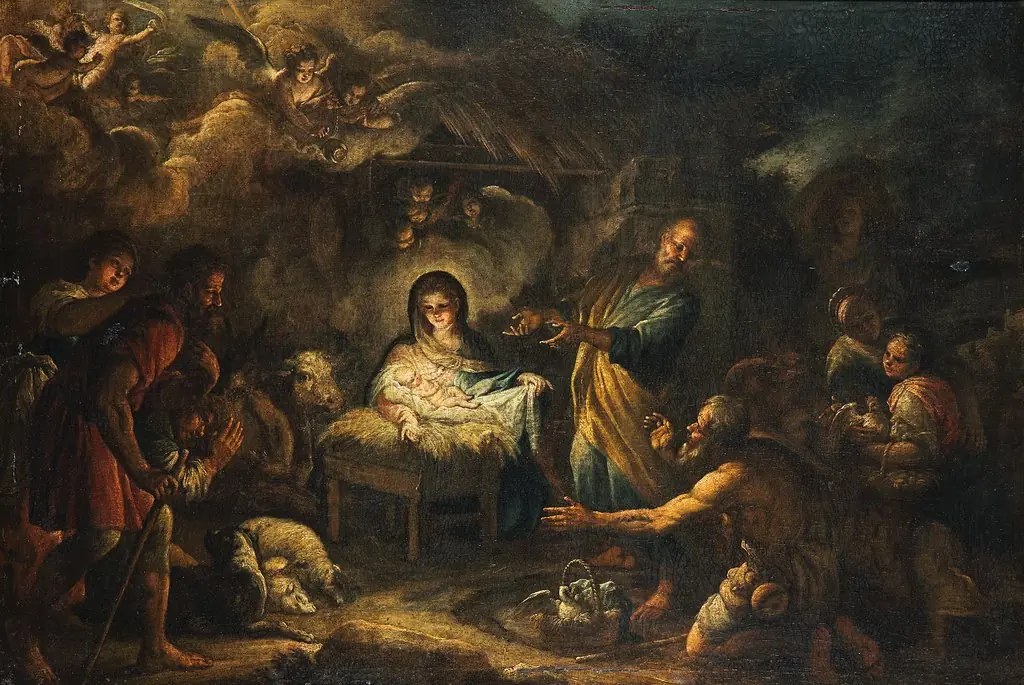 Adoration of the Sheperds
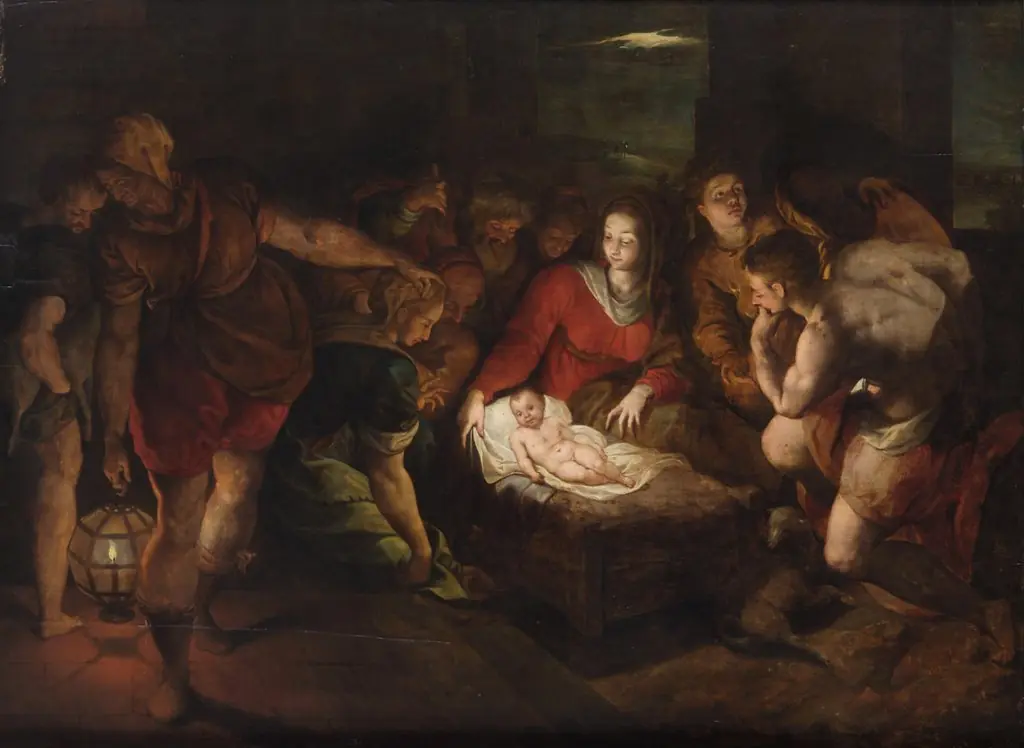 Anbetung der Hirten
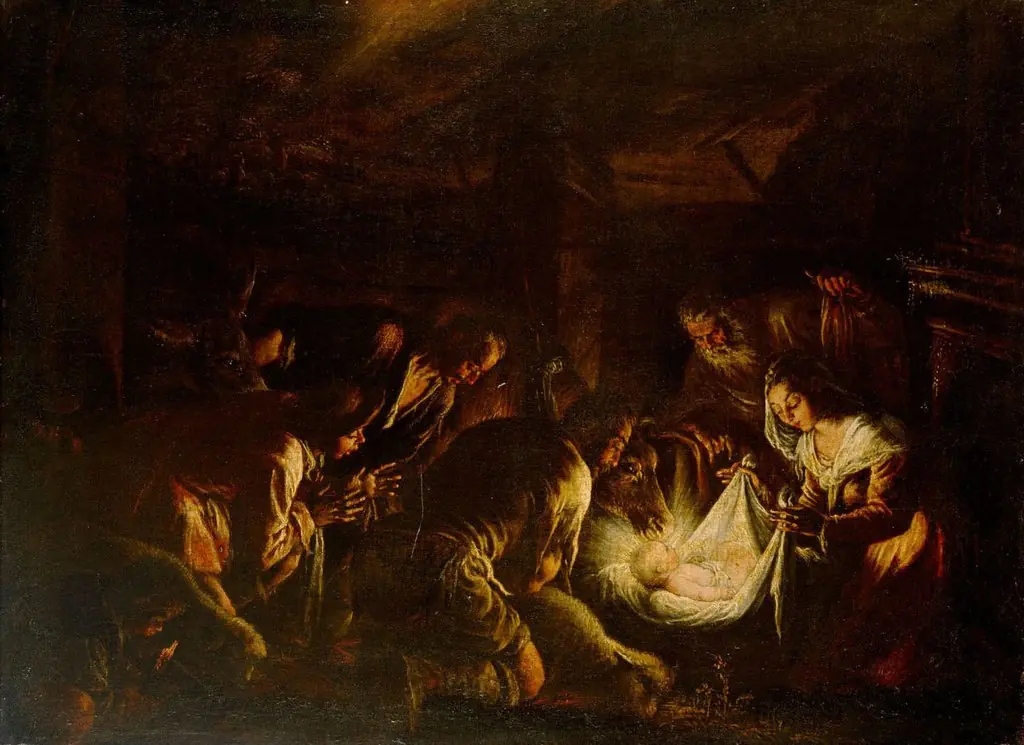 Adoration of the Shepherds
 The Adoration of the Shepherds