Artwork
Untitled
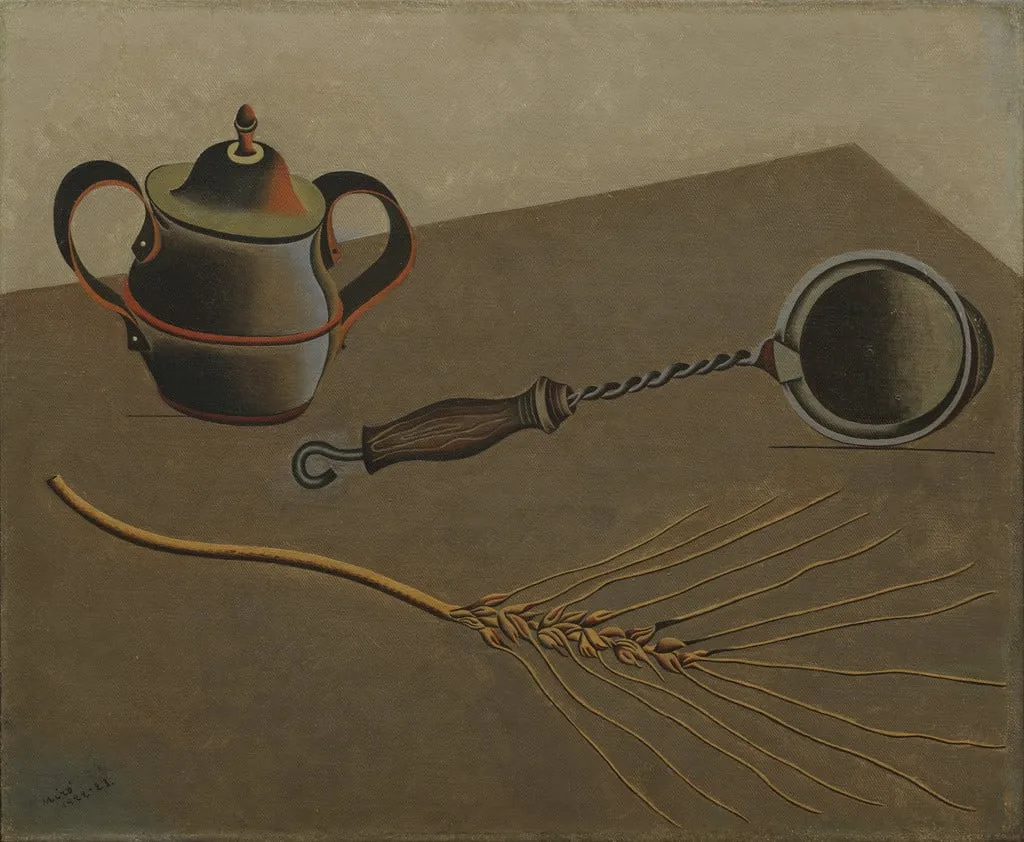
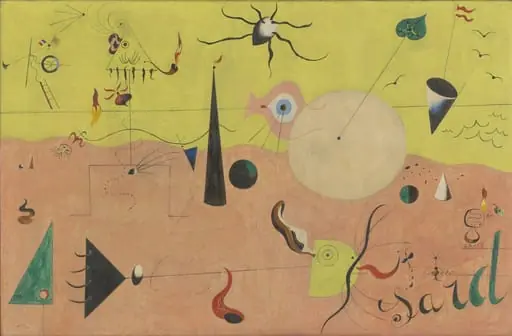
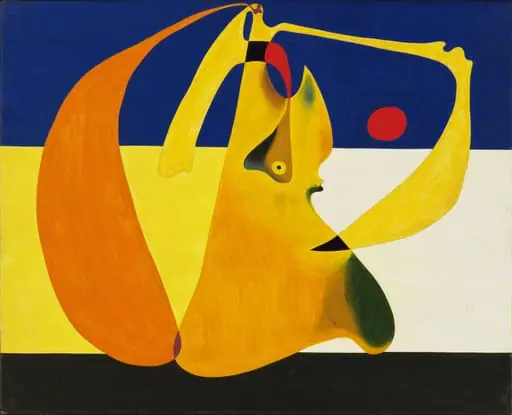
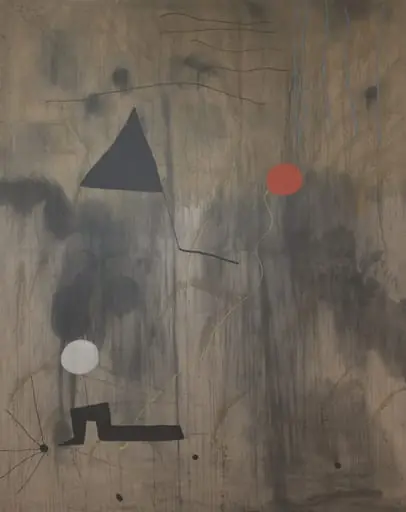
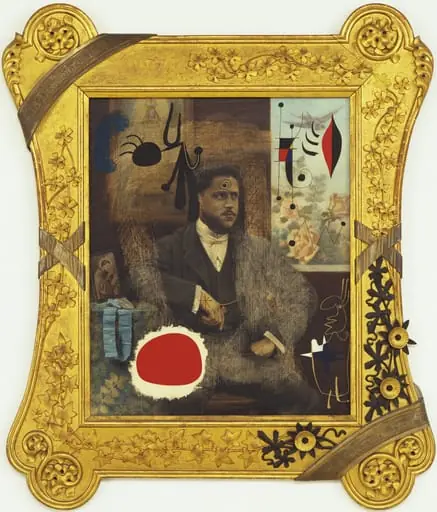
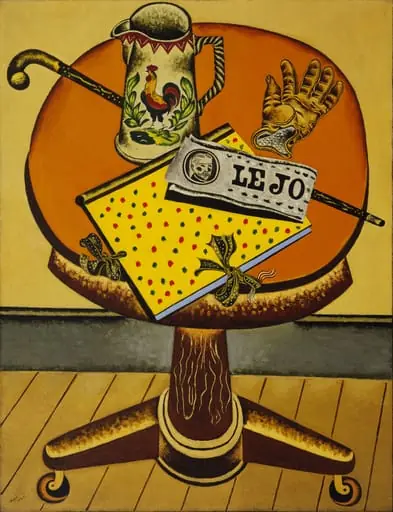
Untitled is an oil painting by the Surrealist artist Joan Miró. It dates from 1922 and is held in the collection of the Museum of Modern Art.
About this work
Overview
The composition presents ordinary domestic objects in an unfamiliar arrangement, suggesting a quiet disruption of perception rather than overt dream logic.
Joan Miró’s *Untitled* (1922) is an oil painting on canvas that belongs to his early experimental phase. Though often linked to Surrealism, the work predates his full engagement with the movement and reveals a personal visual language emerging from Fauvist color and Expressionist form. The composition presents ordinary domestic objects in an unfamiliar arrangement, suggesting a quiet disruption of perception rather than overt dream logic.
Subject & Meaning
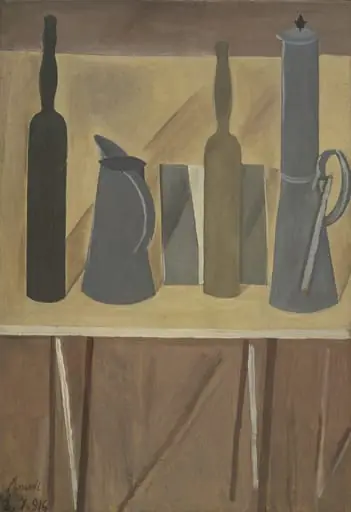
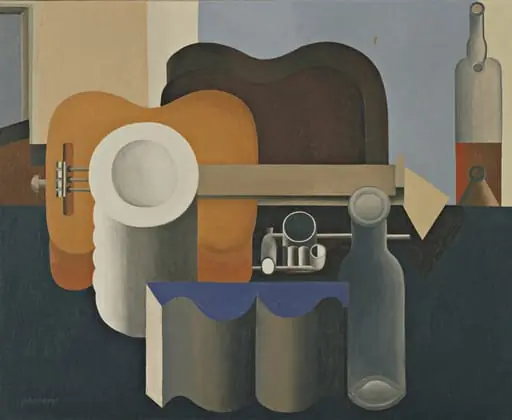
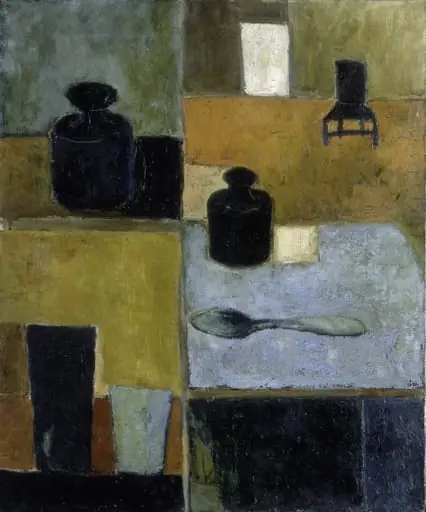
The painting depicts a teapot with two handles, a wooden-handled strainer, and a bundle of wheat, all arranged on a flat plane. These items, drawn from daily life, are rendered without narrative context, creating a sense of dislocation. Their simplified, almost childlike forms suggest a fascination with the mundane as a vessel for deeper, unspoken associations—perhaps reflecting Miró’s interest in memory, childhood, or the subconscious.
Technique & Style
Miró applied oil paint with restrained brushwork, favoring flat planes and muted tones—browns, grays, and a single reddish-orange accent—against a neutral background. Forms are outlined with clarity but lack modeling or shadow, flattening space and emphasizing symbolic presence over realism. The objects appear suspended in ambiguity, neither fully grounded nor abstracted, reflecting a transitional style between representation and invention.
History & Provenance
Created in 1922 during Miró’s time in Catalonia, the work was acquired by The Museum of Modern Art in New York in the mid-20th century. It is among the earliest of his paintings in the museum’s collection, documenting his development before his formal association with Surrealist circles in Paris. Its inclusion reflects MoMA’s early interest in avant-garde European artists reshaping modern painting.
Context
In the early 1920s, Miró was moving away from academic training and exploring new modes of expression influenced by Catalan folk art, Catalan modernisme, and emerging avant-garde ideas. While not yet fully Surrealist, this work anticipates his later preoccupation with symbolic objects and psychological space. It aligns with broader European trends seeking to dissolve rational order in favor of intuitive, personal imagery.
Legacy
This painting stands as an early indicator of Miró’s lifelong commitment to reimagining the familiar through poetic distortion. Its quiet strangeness influenced later generations of artists interested in the symbolic potential of everyday things. Though less known than his later biomorphic abstractions, it remains a key document in understanding the origins of his unique visual vocabulary.
Artist & collection
Artist
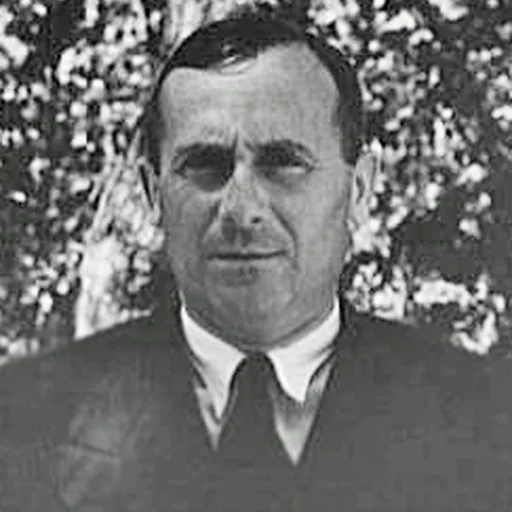
Joan Miró i Ferrà ( mirr-OH, US also mee-ROH, Catalan: ; 20 April 1893 – 25 December 1983) was a Catalan painter, sculptor and ceramist from Spain.