Artwork
El pasatiempo
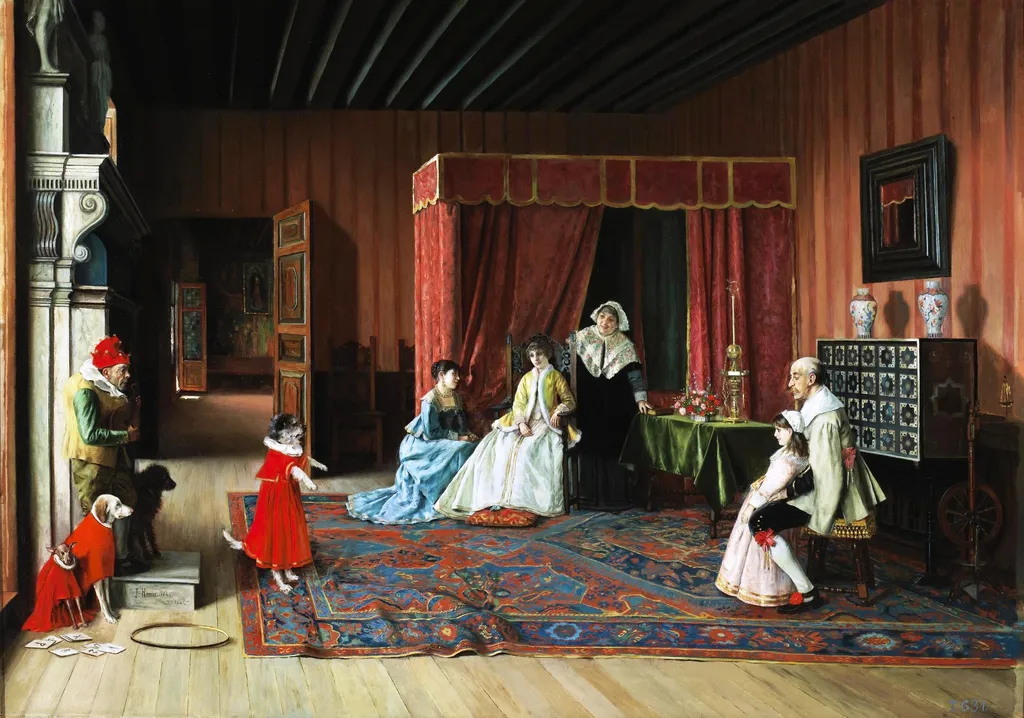
El pasatiempo is an oil painting by the Post-Impressionist artist Joaquín María Herrer y Rodríguez. It dates from 1892 and is held in the collection of the Museo del Prado.
About this work
Overview
El pasatiempo, executed in oil in 1892 by the Spanish painter Joaquín María Herrer y Rodríguez, presents an interior scene rendered with meticulous attention to furnishings and décor. The composition centers on a domestic space that includes a bed, a Bargueño desk, and a mirror, all set against richly draped curtains and a patterned rug.
Subject & Meaning
The work captures a moment of leisure within a well-appointed room, populated by figures in period attire and accompanied by dogs. The inclusion of everyday objects such as the desk and mirror suggests a focus on the routines and comforts of bourgeois life in late‑19th‑century Spain.
Technique & Style
Herrer y Rodríguez employs a refined oil technique, layering thin glazes to achieve luminous colour on the textiles and a subtle modelling of flesh. The precise rendering of textile patterns and wood grain reflects the academic realism prevalent among Spanish painters of the era.
History & Provenance
Since its creation, El pasatiempo has been part of the collection of the Museo del Prado in Madrid, where it remains on display. The painting’s accession to the national museum underscores its recognition as a representative example of Herrer y Rodríguez’s oeuvre.
Context
The late 1800s in Spain saw a renewed interest in genre scenes that documented contemporary domesticity. Herrer y Rodríguez’s choice of a tranquil interior aligns with this trend, offering a visual record of interior design, fashion, and pet ownership among the middle class of the period.
Own this work as a print
Artist & collection
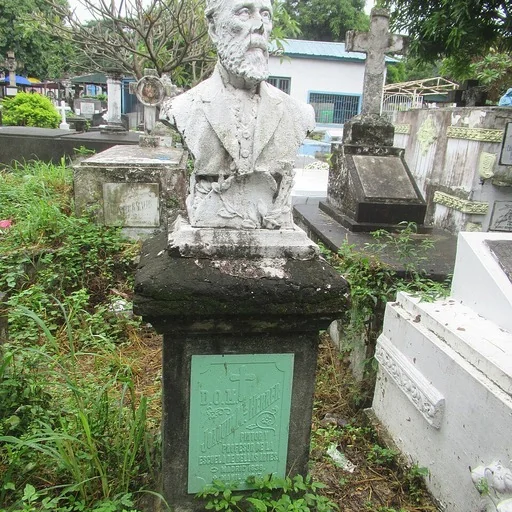
Artist
Joaquín María Herrer y Rodríguez
Joaquín María Herrer y Rodríguez (1840–1917) was an artist, born in Madrid.
