Artwork
Anna Margaretha van Petcum (1676-1745), Wife of Johan Arnold Zoutman
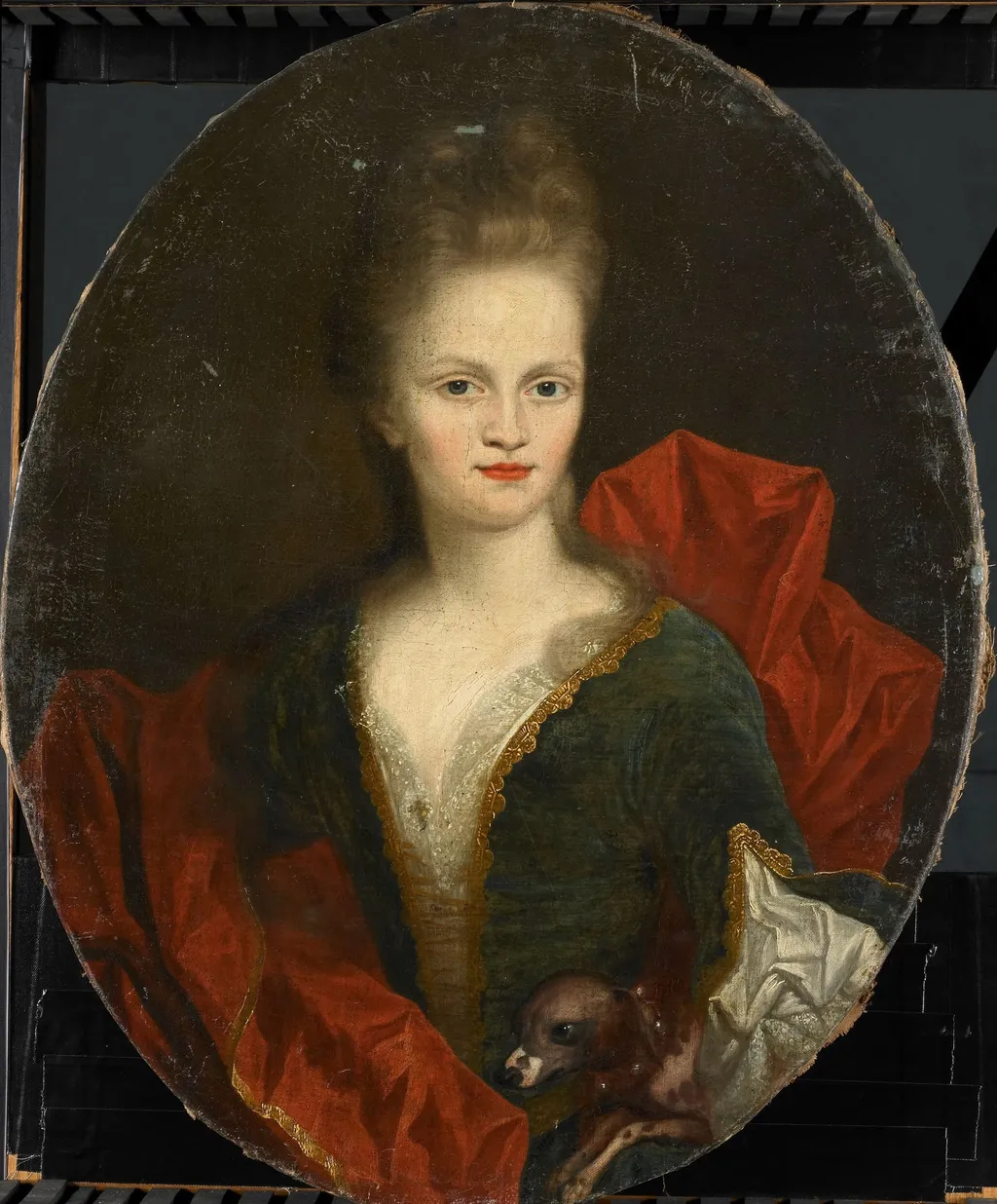
Anna Margaretha van Petcum (1676-1745), Wife of Johan Arnold Zoutman is an unspecified painting by the Dutch Golden Age artist Johan van Diest. It dates from 1705 and is held in the collection of the Rijksmuseum.
About this work
Overview
This oval portrait depicts Anna Margaretha van Petcum, wife of Johan Arnold Zoutman, seated with a small dog on her lap, set against a plain, dark background that draws focus to the subject and her animal companion.
Subject & Meaning
The portrait captures Anna Margaretha van Petcum in a domestic, intimate setting, emphasizing her personal life through the inclusion of a pet, which adds a layer of warmth and humanity to her portrayal.
Technique & Style
Executed in a period characterized by formal portraiture, this work distinguishes itself with a sense of naturalism, particularly in the lively depiction of the dog, which contrasts with the more subdued, dark tones of the subject's attire and the background.
History & Provenance
Unfortunately, specific details regarding the painting's history and provenance prior to its current location are not provided in the available information.
Context
Created during a time when portraiture often prioritized stiffness and formality, this piece stands out for its informal, personal touch, reflecting a shift towards more naturalistic and intimate representations of sitters.
Legacy
The painting's approach to capturing the subject's humanity influences later portrait traditions, emphasizing the importance of subtle, personal details in conveying character.
Artist & collection

 Mrs Heath, relative of Mr Thos. Townshend
 Portrait of Frouck, Barones van Aylva, Wife of Hans Willem van Aylva after 1658
 Portrait of Emerantia van Citters (1666-94), sister of Anna van Citters
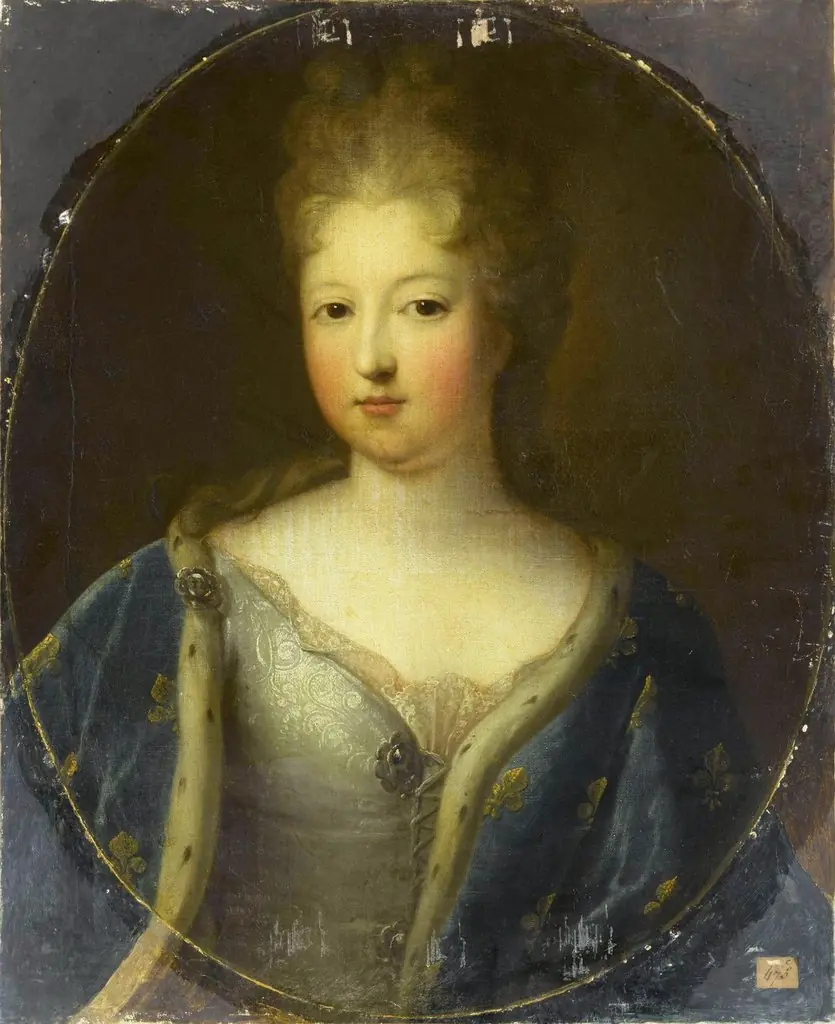 Portrait of Françoise-Marie de Bourbon
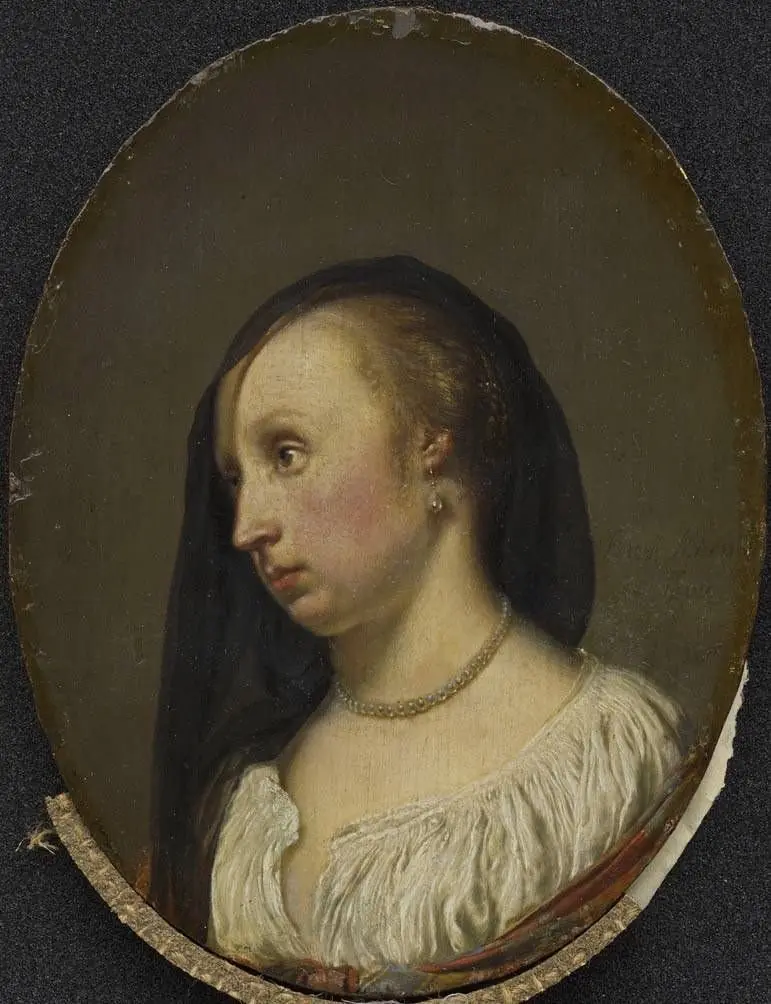 Portrait of the Wife of the Artist, Cunera van der Cock
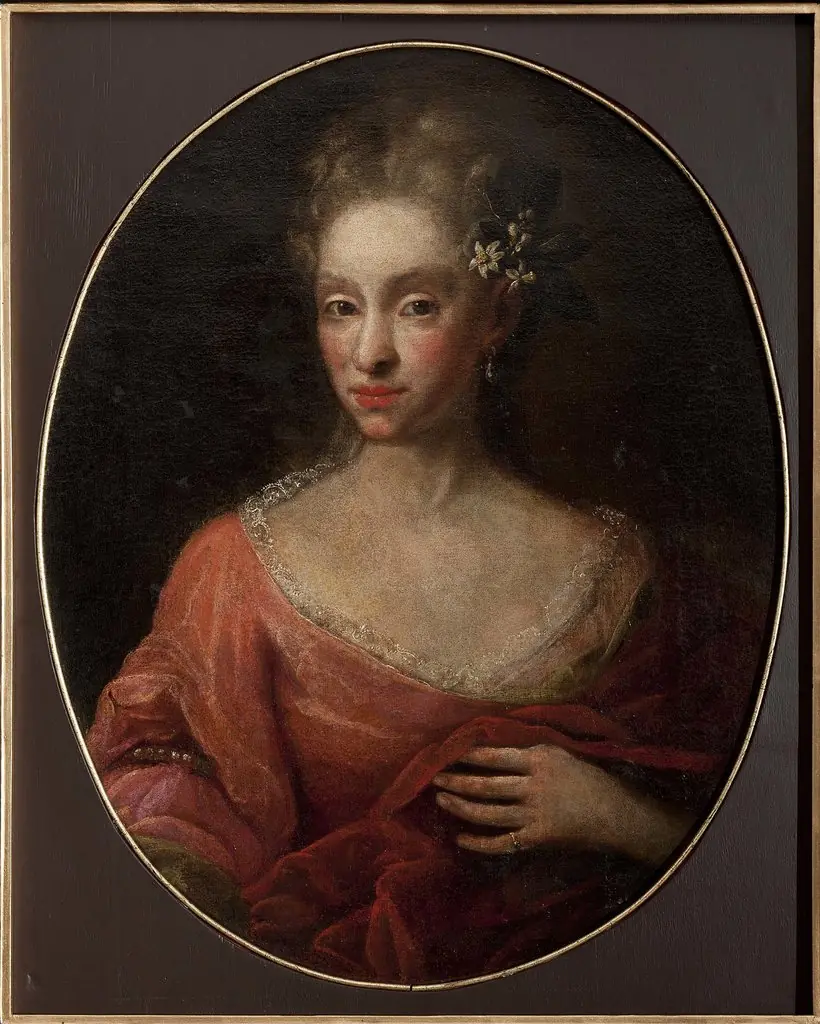 Portrait of Urszula Dembińska née Morsztyn (1746–1825)
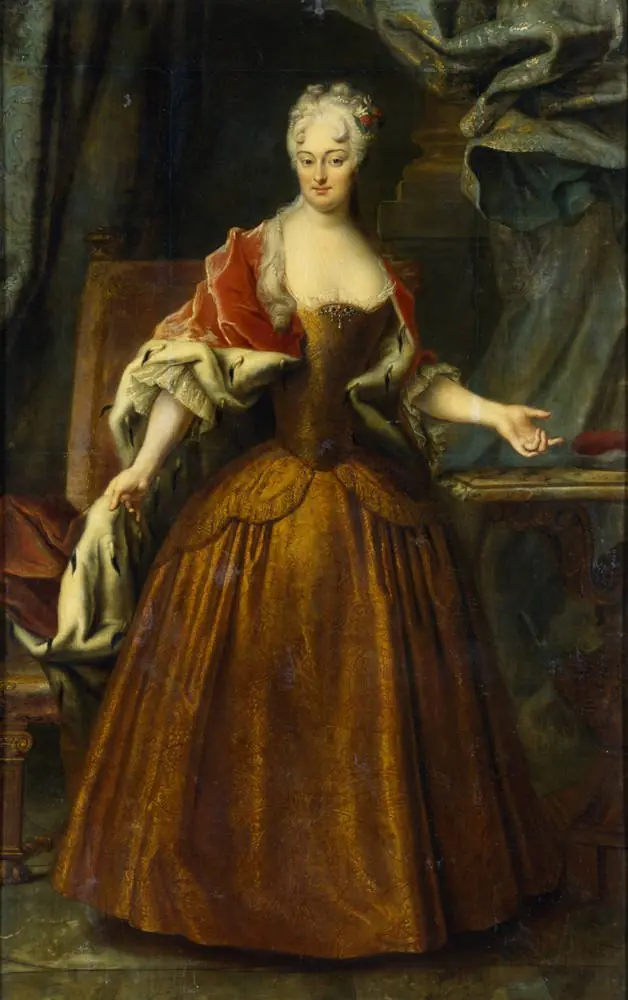 Sophie, Markgräfin von Brandenburg-Bayreuth, geb. Herzogin Sachsen-Weißenfels (1684-1752)
 Untitled
 Portrait of Mrs. Kruszewska née Komorowska
 Jeune femme (Lady in blue) (Mujer joven vestida de azul)