Artwork
Bust of a child in a flower-decorated niche
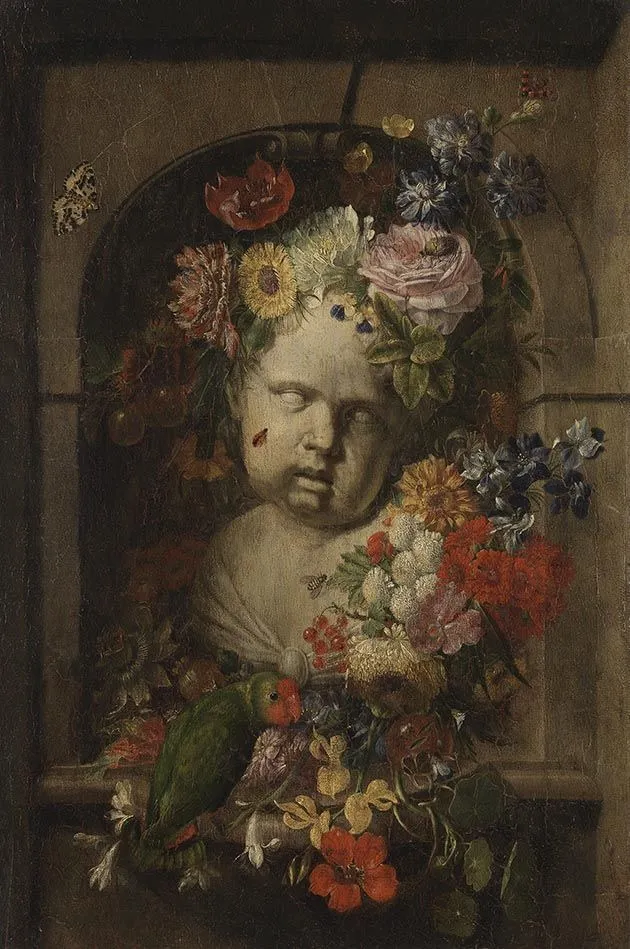
Bust of a child in a flower-decorated niche is an oil painting by the Rococo painting artist Johann Adalbert Angermayer. It dates from 1703 and is held in the collection of the Bavarian State Painting Collections.
About this work
Overview
Though classified as a still life, the subject blends human form with botanical elements, creating a quiet, meditative composition.
Painted in 1703 by Johann Adalbert Angermayer, this oil work presents a child’s bust nestled within a floral niche. Though classified as a still life, the subject blends human form with botanical elements, creating a quiet, meditative composition. Angermayer, active in Prague, was known for intimate cabinet paintings that emphasized detail and naturalism, often designed for private collections rather than public display.
Subject & Meaning
The child, eyes closed and expression still, appears neither alive nor deceased, suspended in a moment of calm. Surrounded by blooming and wilting flowers, insects flit among the foliage, suggesting the passage of time and the fragility of life. The arrangement evokes themes of transience and innocence, common in early 18th-century Northern European still life traditions, where nature’s cycles mirrored human mortality.
Technique & Style
Angermayer employed fine brushwork and layered glazes to achieve lifelike textures in petals, leaves, and skin. The subtle gradations of color and delicate rendering of light on dew-kissed surfaces reflect a mastery of optical realism. Insects are rendered with precision, enhancing the scene’s immediacy. The composition’s intimacy and attention to botanical detail align with the cabinet painting tradition, prioritizing close observation over grand narrative.
History & Provenance
The painting entered the collection of the Alte Pinakothek in Munich, where it remains today. Angermayer, a member of Prague’s Old Town Painter Guild between 1707 and 1727, likely created this work during his early career. Its survival and preservation suggest it was valued by collectors of the period, possibly as part of a paired set, a common practice for small-scale still lifes meant to be viewed in private interiors.
Context
In early 18th-century Central Europe, still lifes featuring flowers, insects, and human elements were popular among aristocratic patrons seeking refined, contemplative imagery. Angermayer’s work fits within a broader trend where naturalism served moral or philosophical ends. The inclusion of a child’s likeness within a floral setting echoes vanitas motifs, blending personal sentiment with symbolic depth in a culture attentive to life’s impermanence.
Legacy
Though Angermayer is not widely known outside regional art histories, this painting exemplifies the quiet sophistication of Central European cabinet painting. Its preservation in a major European collection underscores its significance as a representative work of its type. The piece continues to inform studies of early Baroque still life, particularly in how it merges human presence with natural detail to evoke quiet contemplation.
Artist & collection
Artist
Johann Adalbert Angermayer (Czech: Jan Vojtěch Angermayer; 9 November 1674 – 18 October 1740) was a Czech painter.

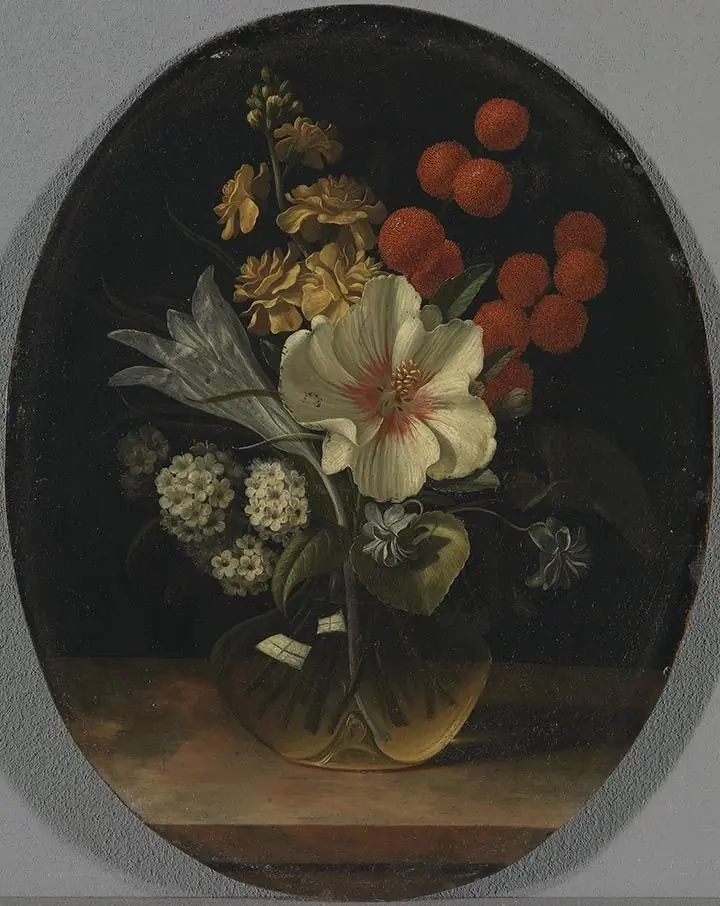
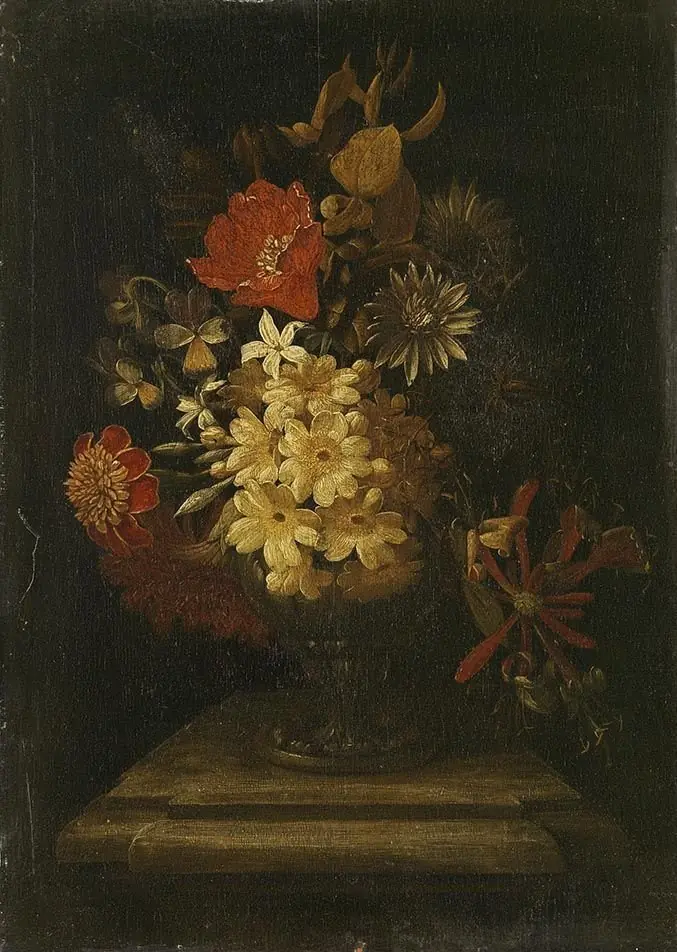
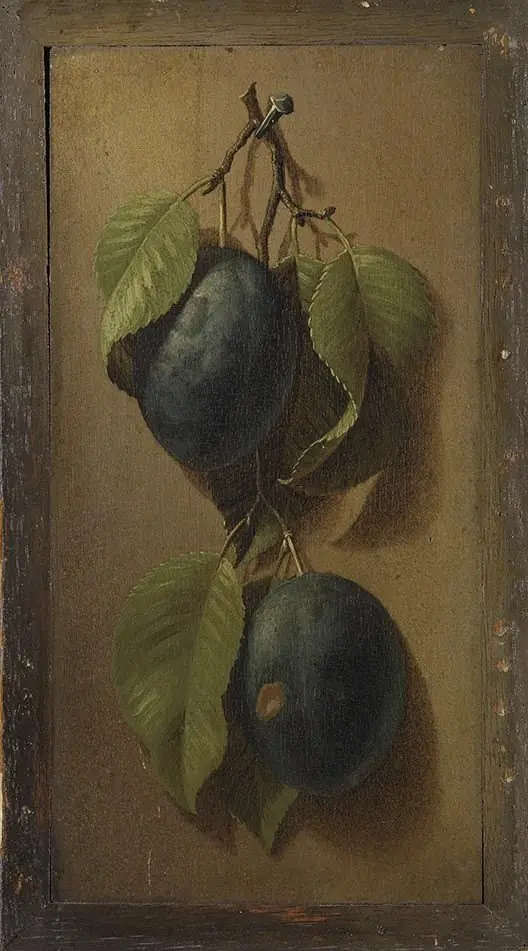
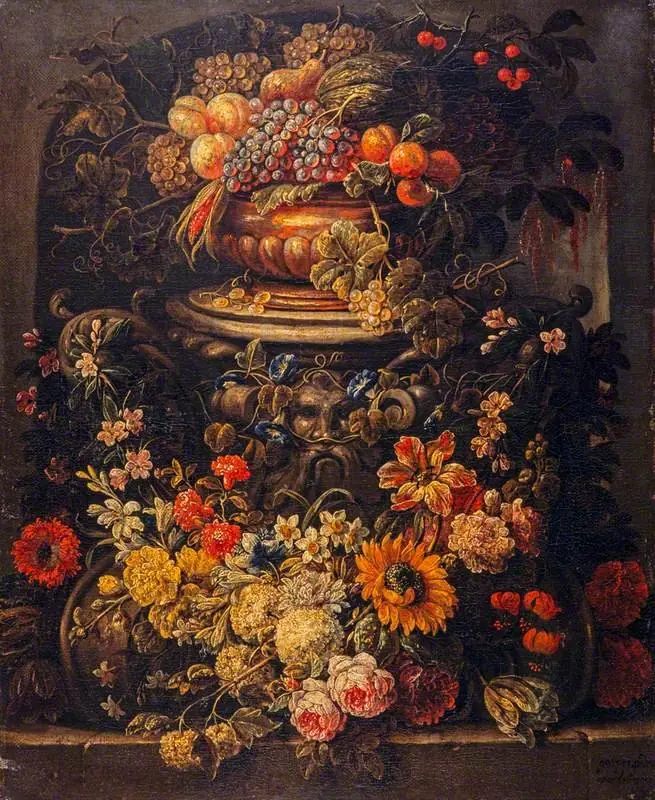 Still-life with Fruit and Flowers
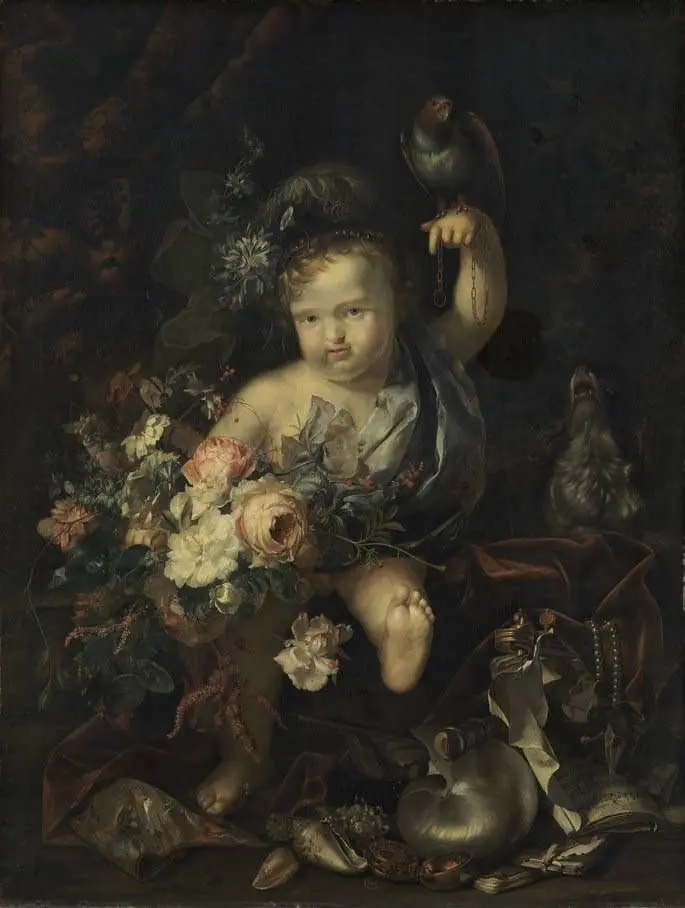 Cherub with Flowers and Parrot
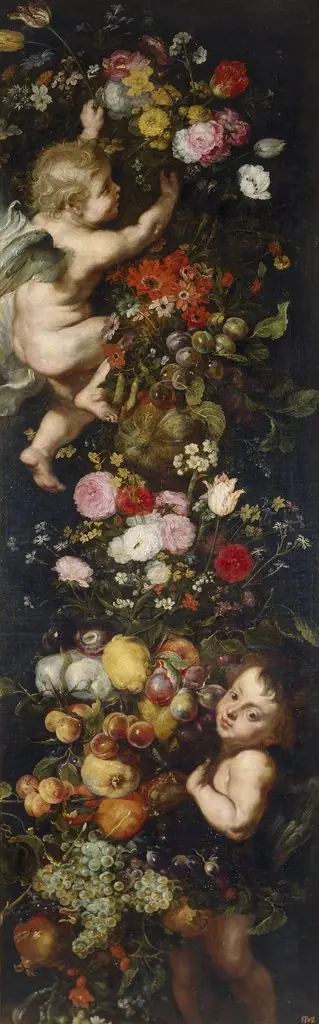 Festón de flores y frutas y angelotes
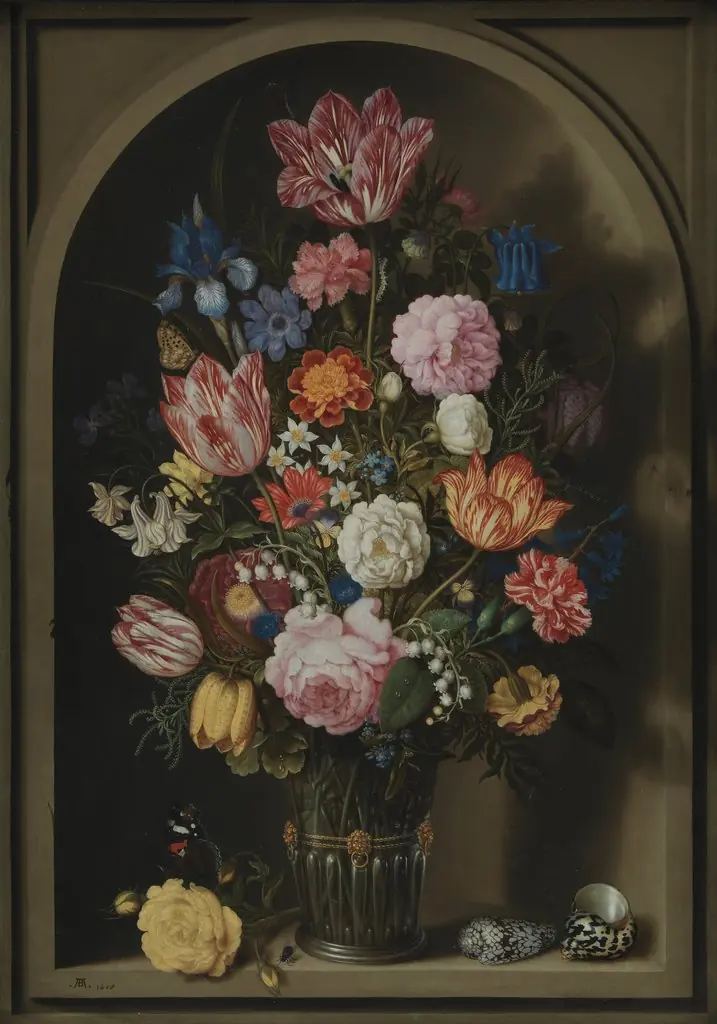 Bouquet of Flowers in a Stone Niche
 Bouquet of Flowers in a Stone Niche
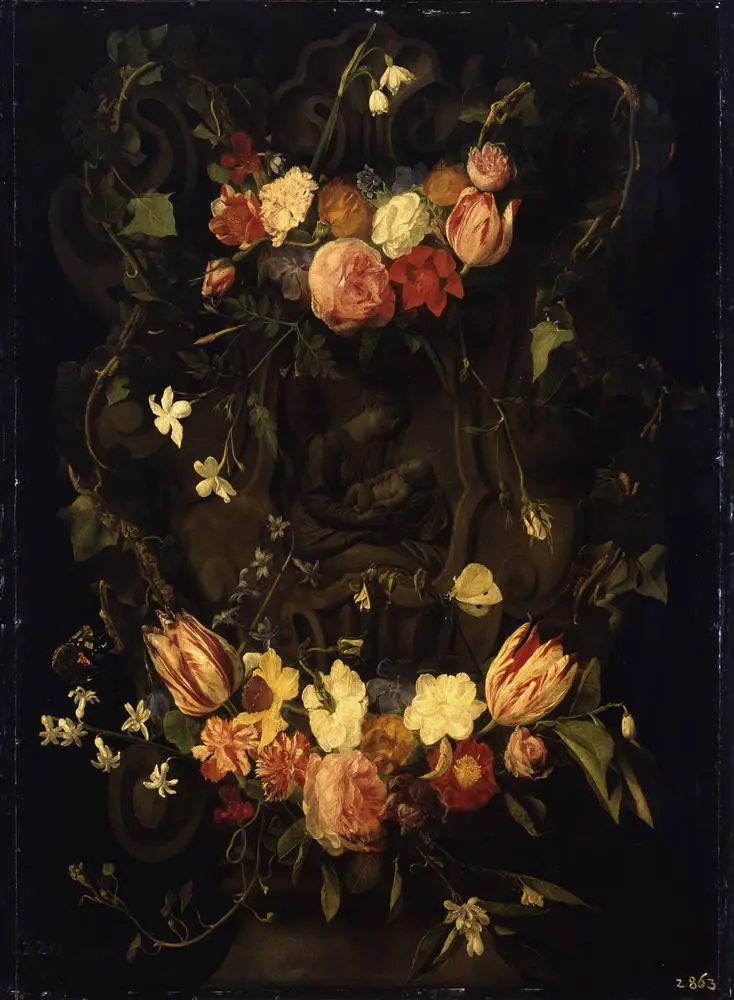 Sculpted cartouche adorned with flowergarlands with a representation of the Virgin and Christ-child
 Stone Cartouche with Fruit and Flower Garland