Artwork
View of the valley of the Elbe
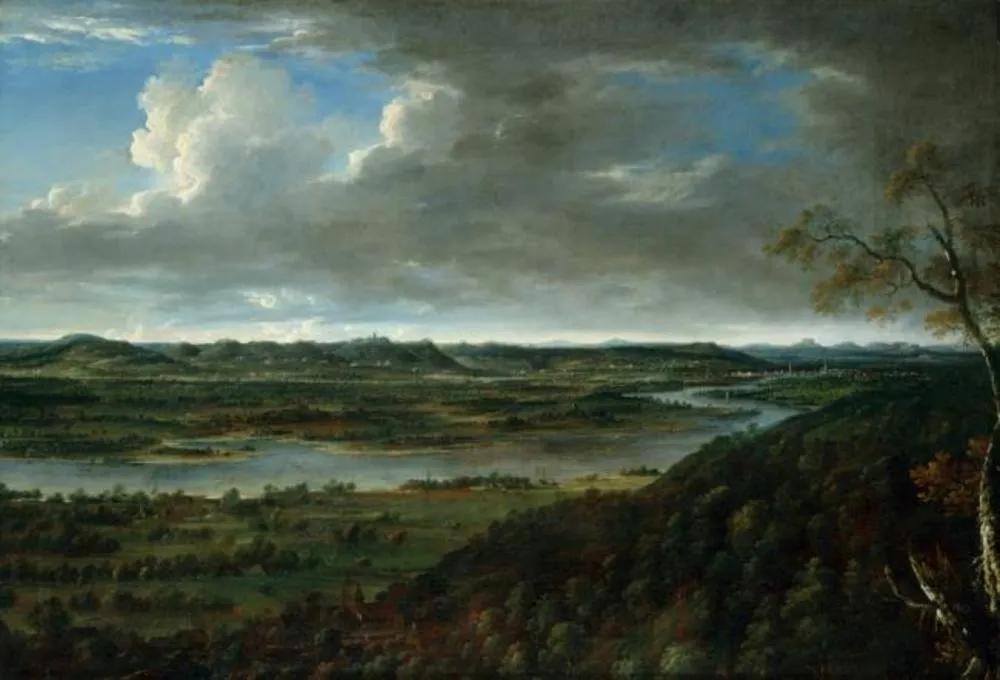
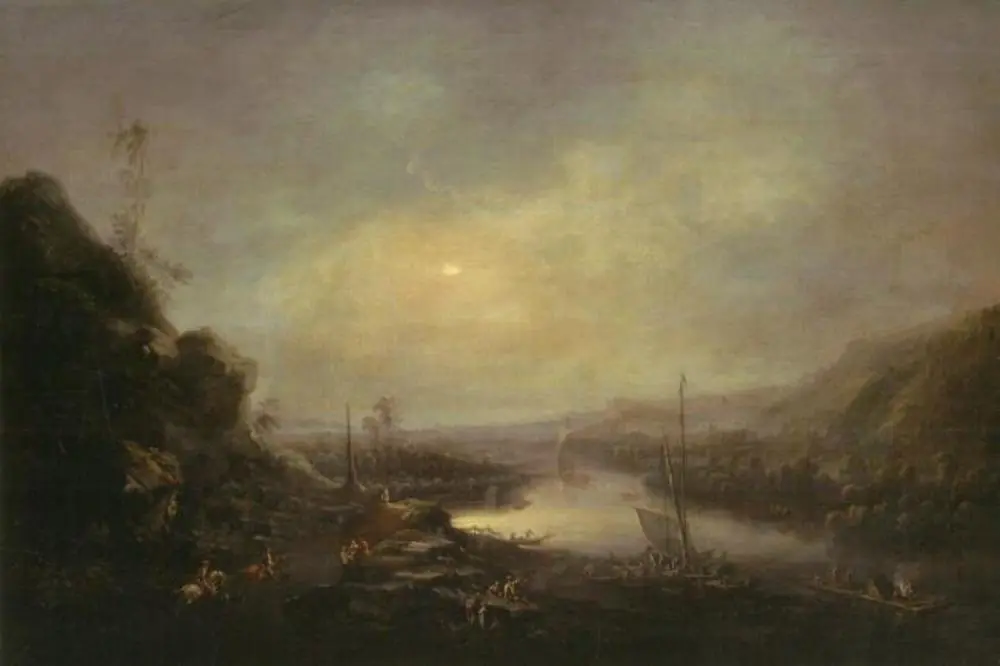
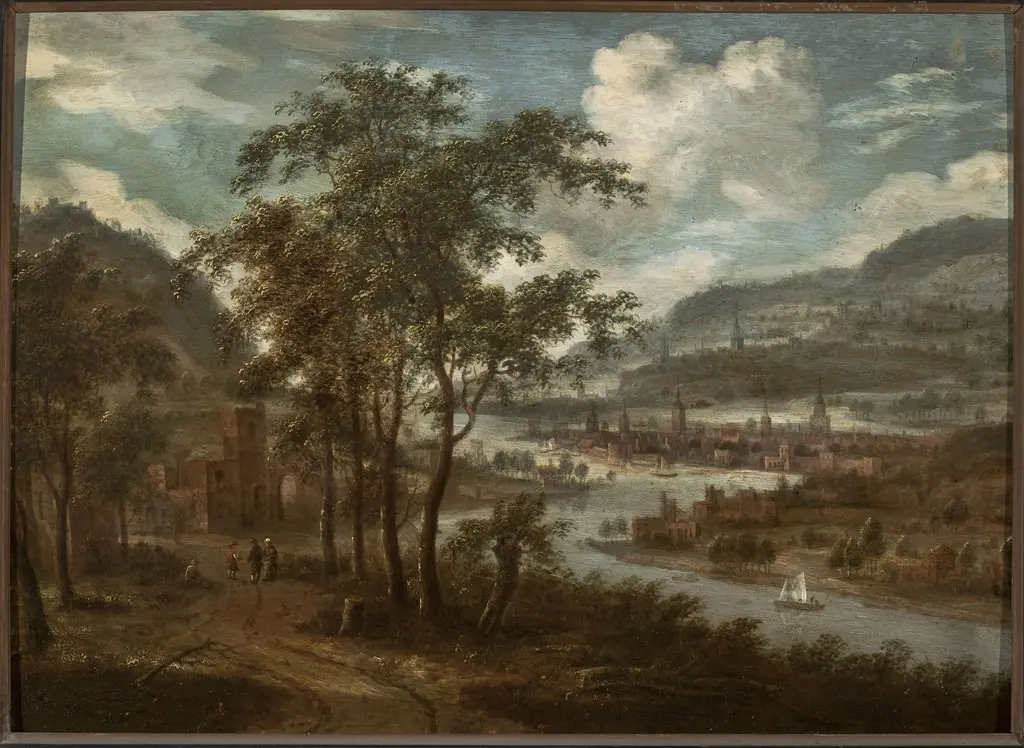
View of the valley of the Elbe is an oil painting by the Rococo painting artist Johann Alexander Thiele. It dates from 1721 and is held in the collection of the Staatliche Kunstsammlungen Dresden.
About this work
Overview
The work depicts a quiet stretch of the Elbe River as it flows through a broad valley, framed by gentle hills and scattered trees.
Johann Alexander Thiele painted View of the valley of the Elbe in 1721 using oil on panel. The work depicts a quiet stretch of the Elbe River as it flows through a broad valley, framed by gentle hills and scattered trees. It resides in the Gemäldegalerie Alte Meister in Dresden, where it represents early 18th-century German landscape painting. The composition emphasizes spatial depth and atmospheric tone rather than narrative detail.
Subject & Meaning
The painting presents a tranquil, unpopulated stretch of the Elbe Valley, offering no human figures or architectural landmarks. Its quietude suggests an appreciation for natural order and seasonal stillness. The absence of activity invites contemplation, aligning with contemporary German aesthetic values that favored serene, observed nature over dramatic or mythological themes.
Technique & Style
Thiele employed oil paint to build subtle gradations of light and shadow, enhancing the sense of depth across the valley. The cloudy sky is rendered with soft transitions, while the foreground trees are defined with restrained brushwork to anchor the viewer’s gaze. Atmospheric perspective is carefully managed, with cooler tones receding into the distance, a technique common in Northern European landscape traditions of the period.
History & Provenance
Created in 1721, the painting entered the collection of the Dresden Gemäldegalerie Alte Meister in the 18th century, likely through the Saxon court’s acquisitions of regional artists. Its continuous presence in the gallery since then reflects its recognized status among contemporary Saxon painters, though Thiele’s broader oeuvre remains less documented than that of his better-known peers.
Context
Thiele worked during a time when Dresden was becoming a center for landscape art under the patronage of the Saxon electors. While Italianate idealized landscapes dominated elite taste, artists like Thiele focused on local topography with observational accuracy. This painting reflects a growing interest in depicting native scenery with quiet realism, distinct from the grander traditions of the Italian Renaissance.
Legacy
View of the valley of the Elbe stands as a representative example of early 18th-century German landscape painting, valued for its restrained composition and sensitivity to natural light. Though Thiele did not achieve widespread fame, his works contributed to the development of a regional tradition that prioritized quiet observation over theatricality, influencing later Saxon artists focused on native scenery.
Artist & collection

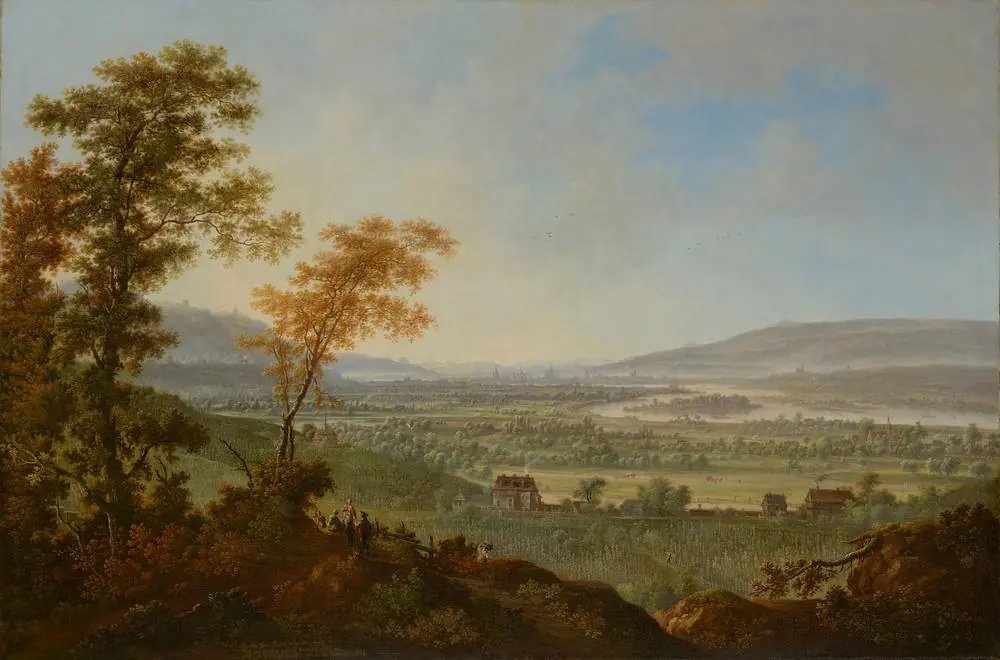 View of Dresden from the Loessnitzhöhen
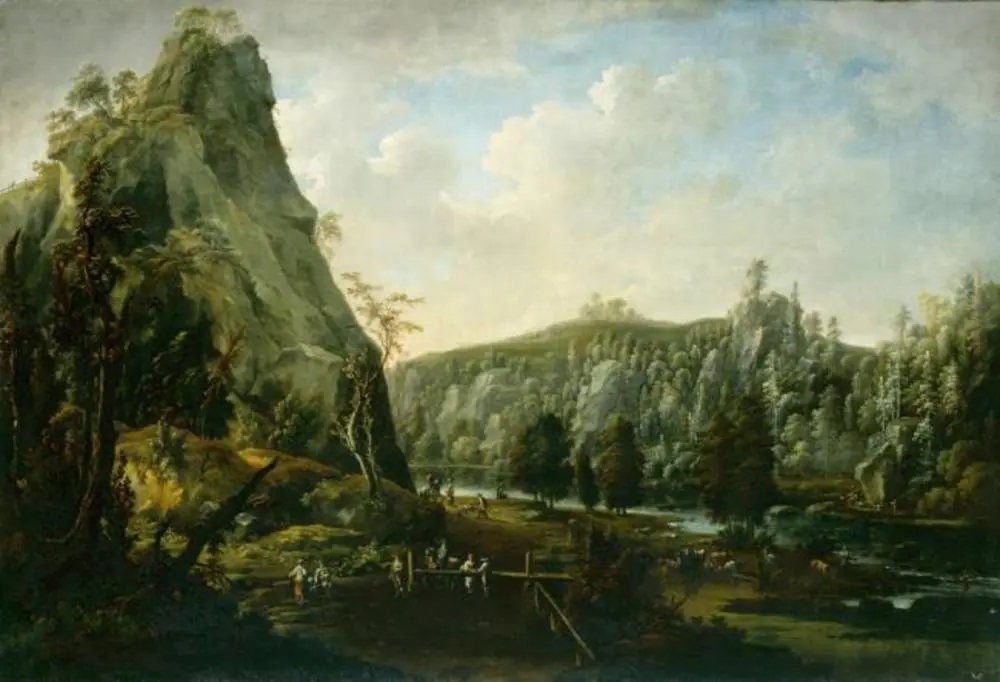 View of the so-called 'Plauensche Grund', a popular place for daytrips near Dresden
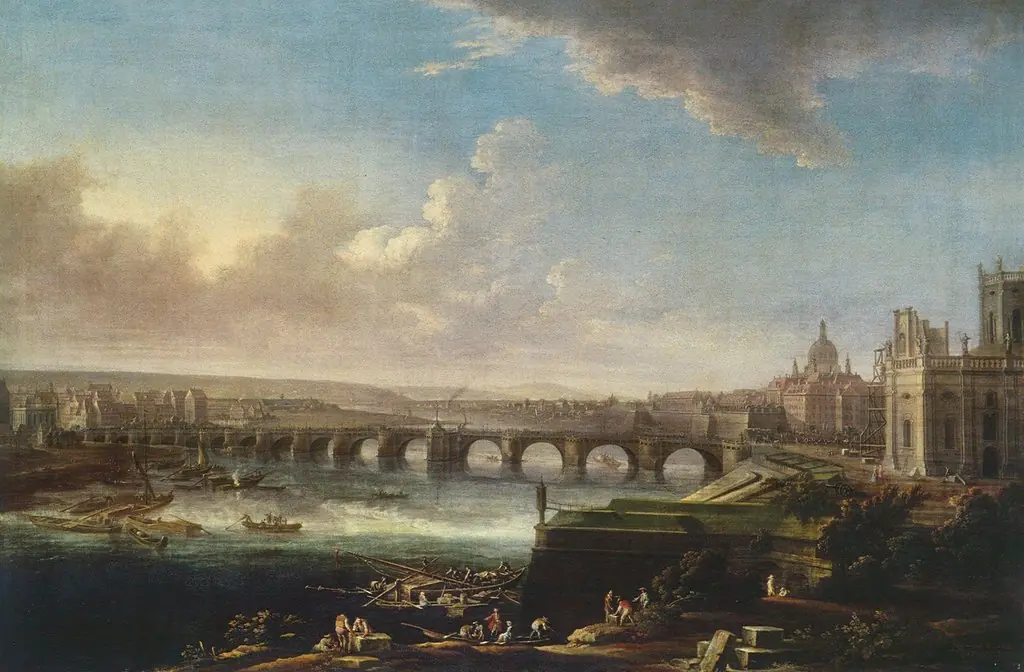 View of Dresden with the Augustus Bridge
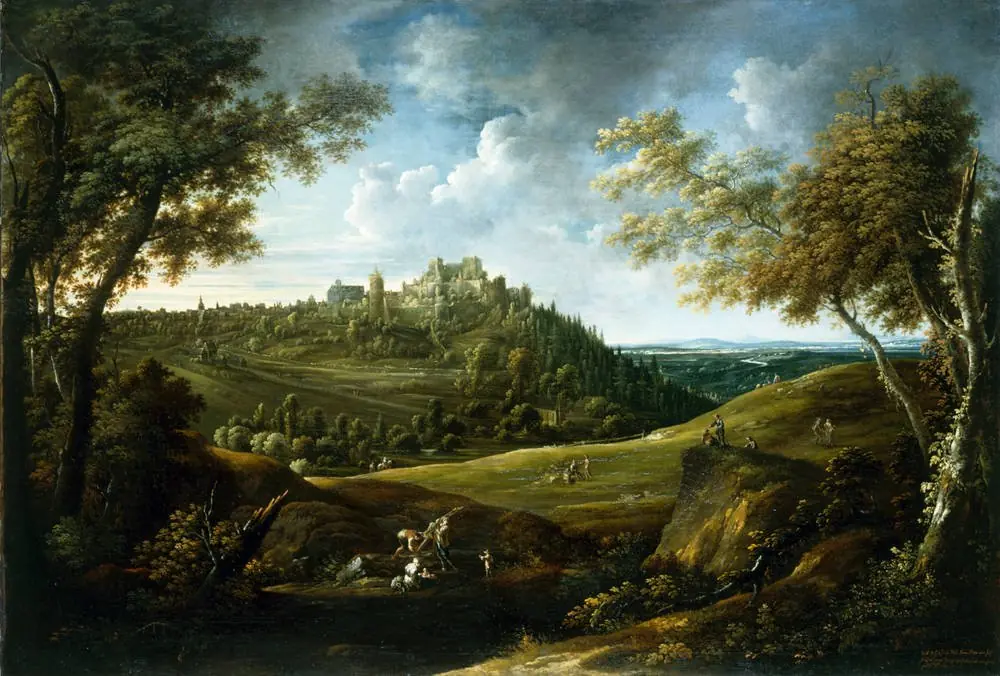 Burg und Stadt Frauenstein
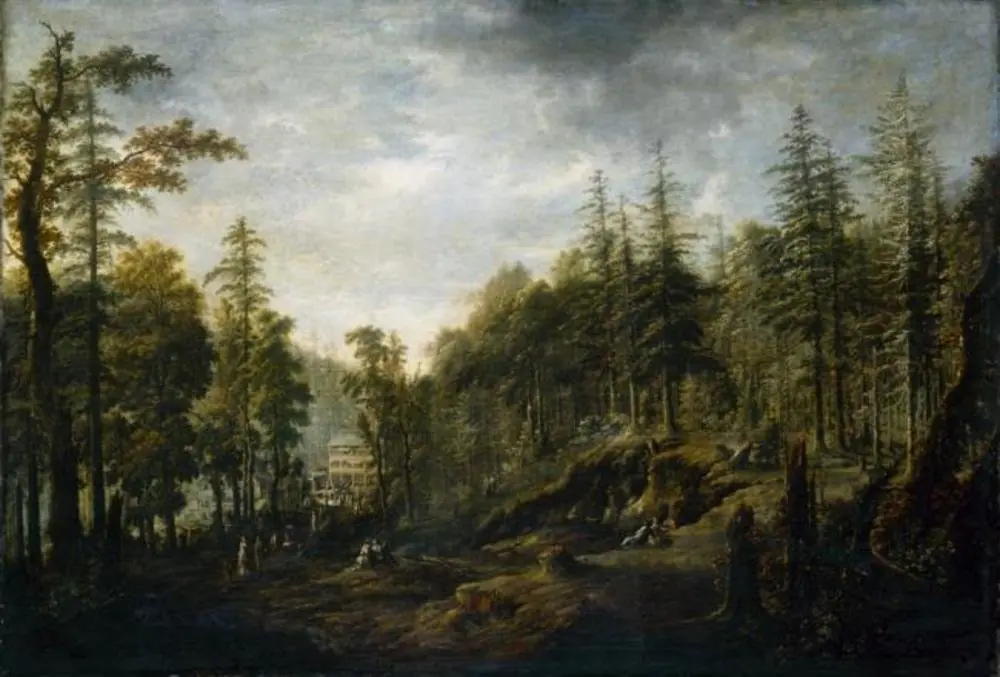 View of the Spa 'Augustusbad' at Radeberg
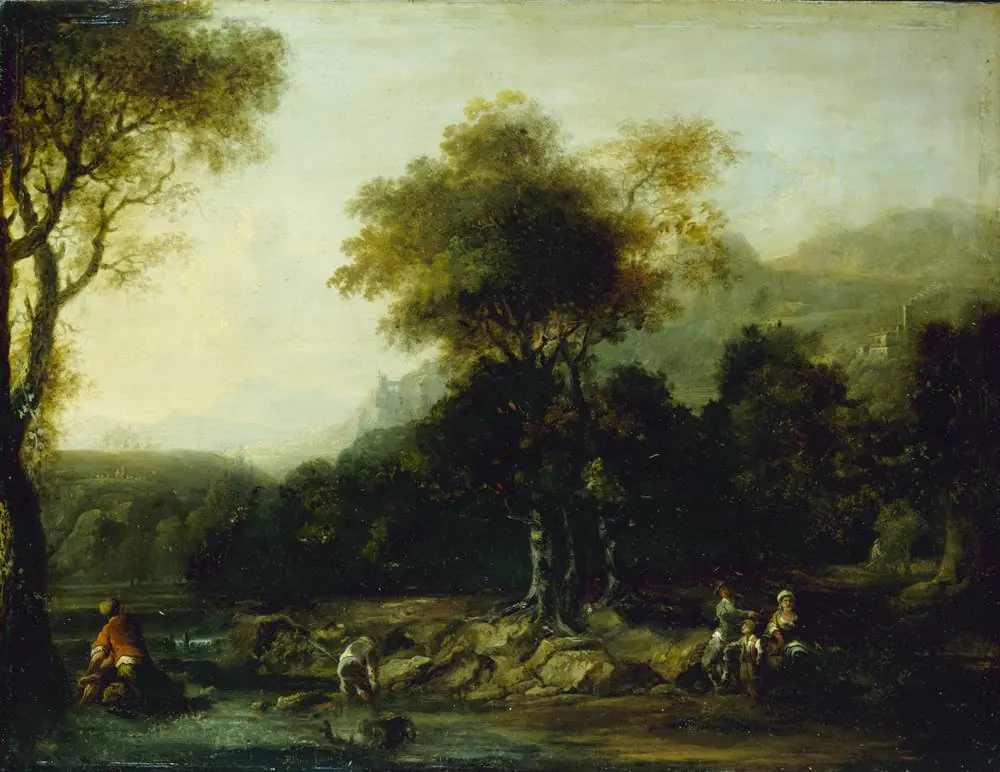 Flusslandschaft mit Fischern
 View of the river Elbe at Sörnenwitz with the sun rising in the frosty morning
 Mihail Kogălniceanu
 Flachlandschaft
 Panoramic Landscape with a Village
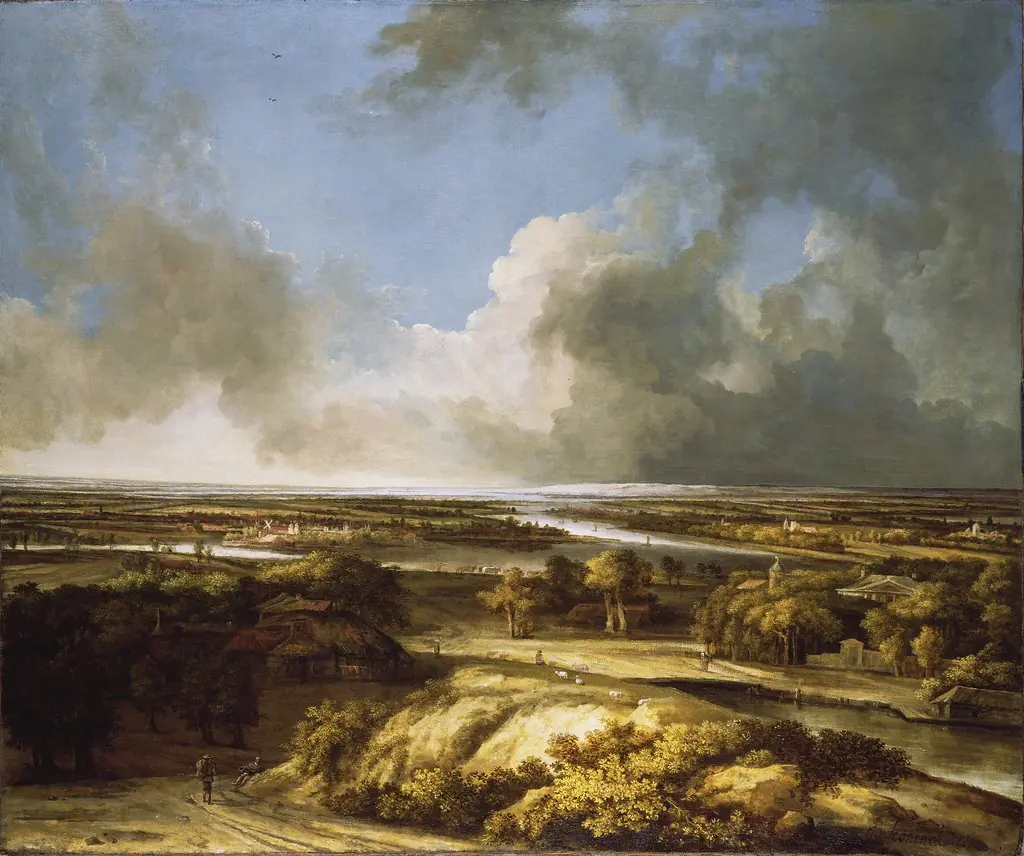 A Panoramic Landscape
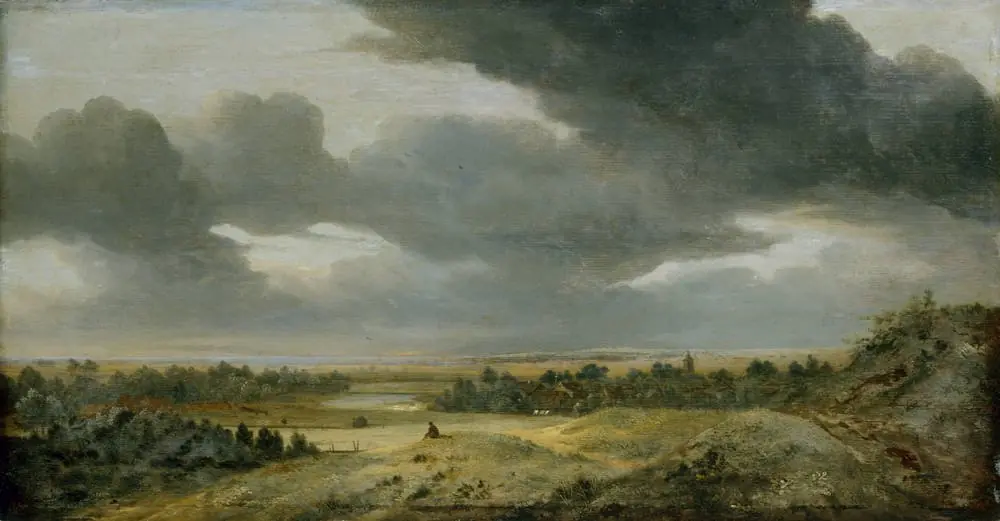 View from the dunes across the Dutch plain
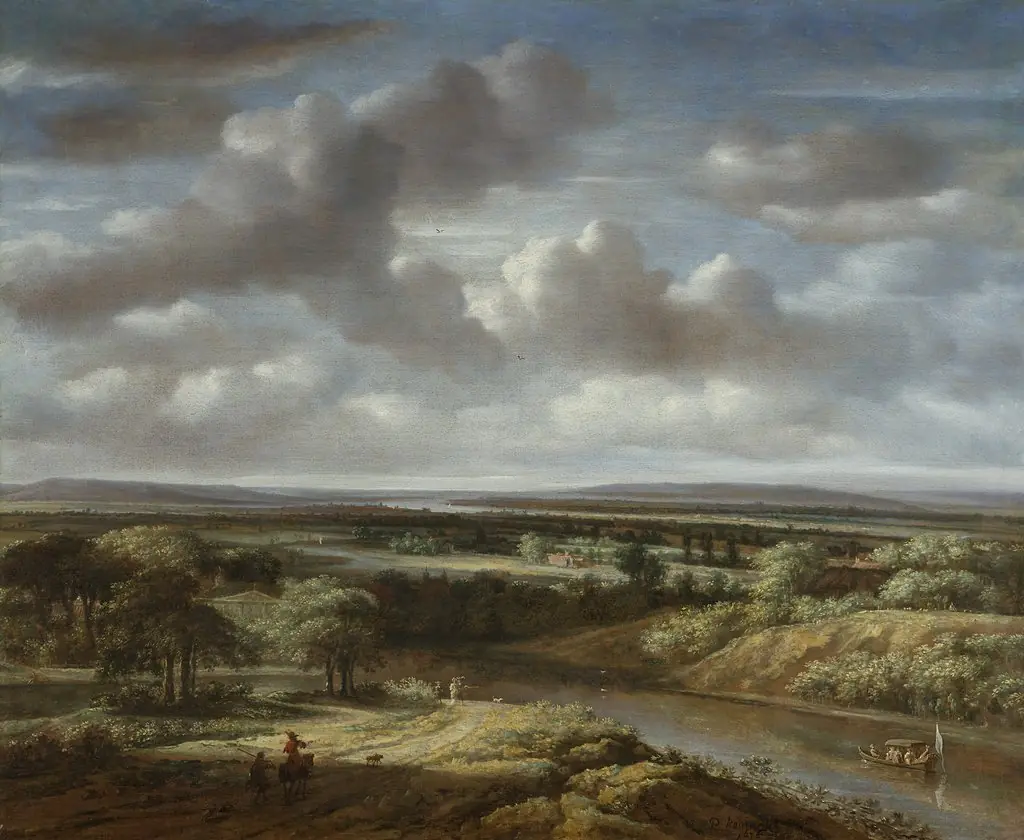 River landscape
 Peisaj olandez
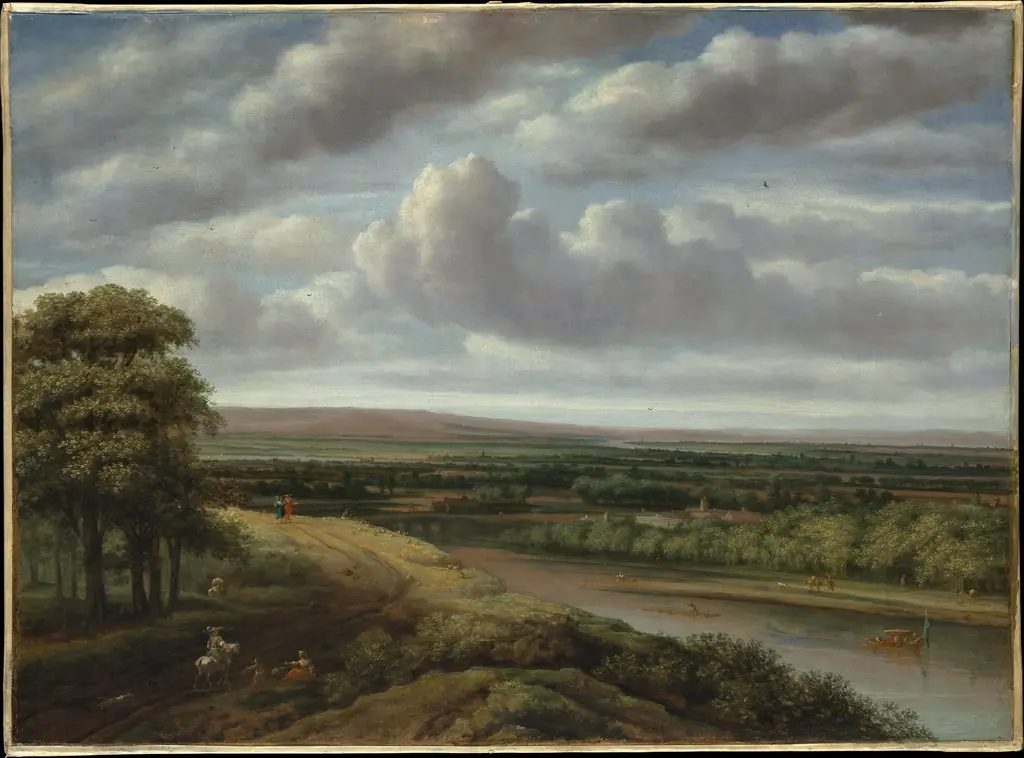 An Extensive Wooded Landscape
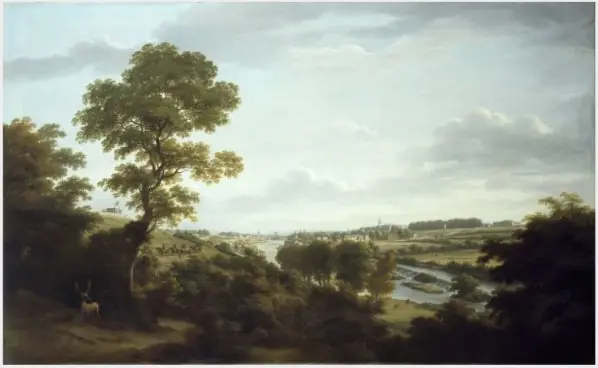 A View of Dublin from Chapelizod
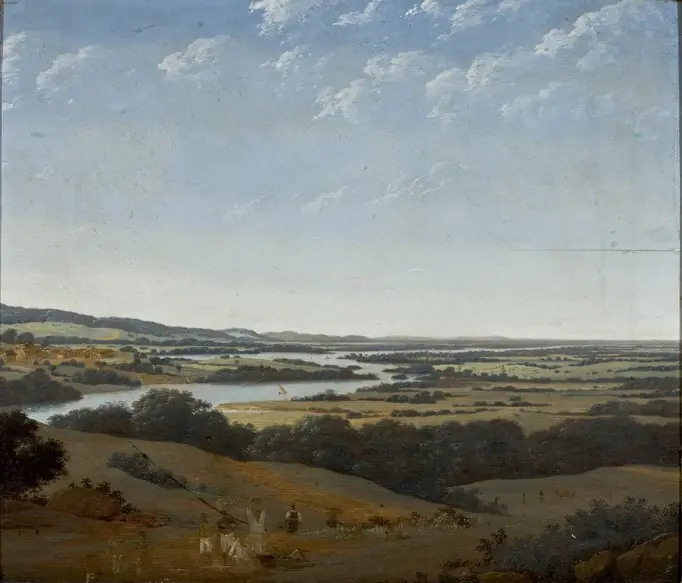 River Landscape in Pernambuco
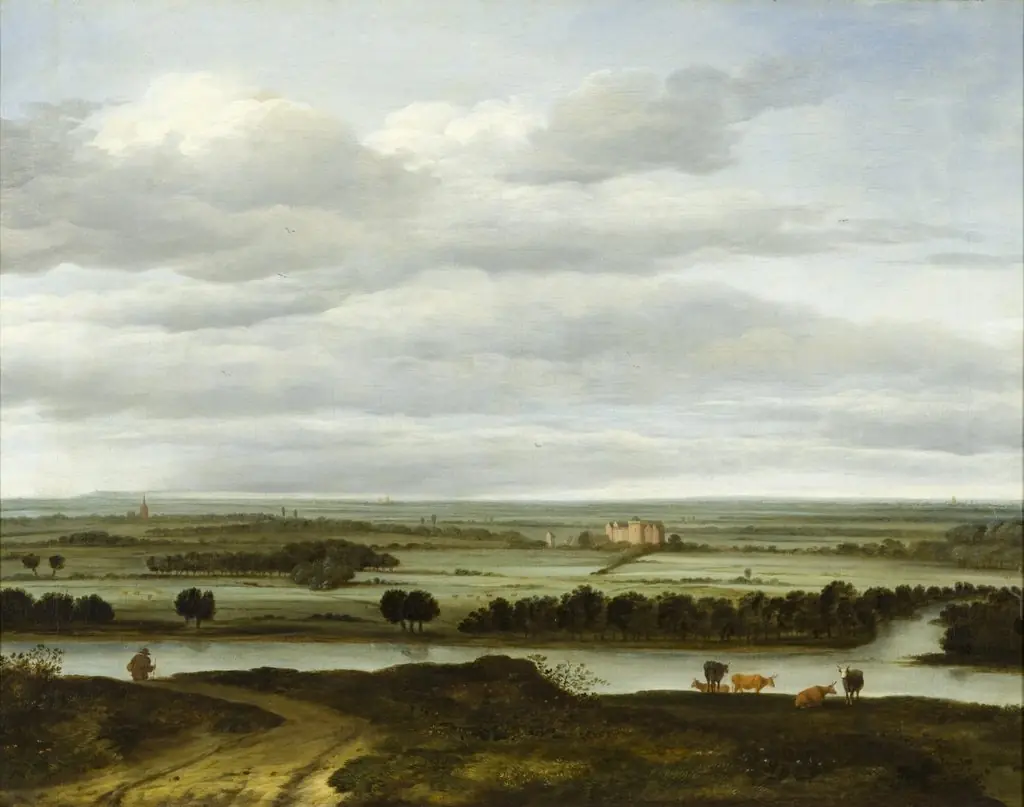 Panoramic Landscape near Rhenen with the Huis ter Lede
 View of a river valley