Artwork
A View of Dublin from Chapelizod
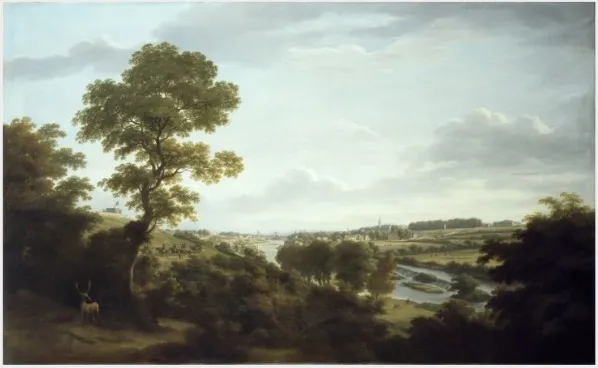
A View of Dublin from Chapelizod is an oil painting by William Ashford. It dates from 1798 and is held in the collection of the National Gallery of Ireland.
About this work
Overview
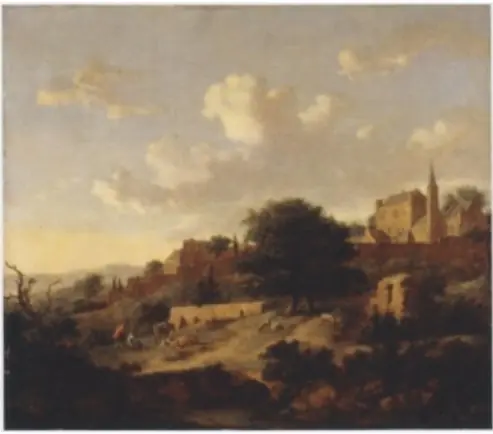
Painted in 1798 by William Ashford, this oil on canvas depicts a quiet western approach to Dublin, viewed from Chapelizod.
Painted in 1798 by William Ashford, this oil on canvas depicts a quiet western approach to Dublin, viewed from Chapelizod. Ashford, an English artist who relocated to Ireland as a teenager, turned increasingly to landscape painting after 1772. The work is one of several topographical views he produced of the Dublin region, reflecting his interest in documenting the local scenery with precision and calm observation.
Subject & Meaning
The scene captures a tranquil stretch of the River Liffey, framed by open fields and distant urban structures. A large tree anchors the left foreground, while the skyline of Dublin recedes behind low hills. The composition suggests a moment of stillness, neither celebratory nor critical—offering a measured record of the city’s expansion into its rural surroundings during a period of political and social change in Ireland.
Technique & Style
Ashford employed traditional oil painting methods to render subtle shifts in light and atmosphere. The sky, rendered in muted grays, softens the contrast between land and horizon. Brushwork is restrained, favoring smooth transitions over dramatic texture. The perspective is carefully constructed to guide the eye from foreground foliage toward the urban edge, reflecting his training in topographical accuracy and compositional balance.
History & Provenance
The painting entered the collection of the National Gallery of Ireland in the 19th century, likely through institutional acquisition or donation. It has remained in public ownership since, with no documented private ownership after its creation. Ashford’s role as president of the Royal Hibernian Academy helped establish his works as part of Ireland’s emerging artistic heritage, ensuring their preservation in national collections.
Context
Created in the year of the United Irishmen Rebellion, the painting offers a quiet counterpoint to the era’s political turbulence. While Dublin was undergoing rapid urban growth and social upheaval, Ashford’s view emphasizes continuity and natural order. His landscapes formed part of a broader trend among British and Irish artists to record the changing Irish countryside, often for patrons interested in property, geography, or national identity.
Legacy
Ashford’s work contributed to the development of Irish landscape painting as a distinct tradition. Though not widely known outside Ireland, his precise, unembellished depictions of Dublin’s environs provided a visual archive for later generations. *A View of Dublin from Chapelizod* remains a key example of late 18th-century topographical art, valued for its documentary clarity and restrained aesthetic.
Artist & collection
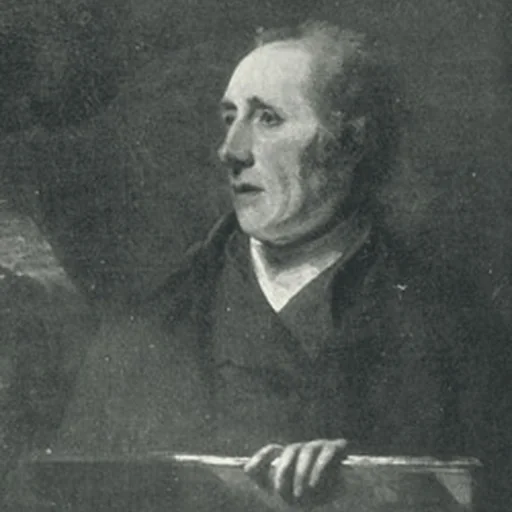
Artist
William Ashford (1746 – 17 April 1824) was an English painter who worked exclusively in Ireland, where he lived from the age of 18, having initially gone there to take up a post with the Ordnance Office.

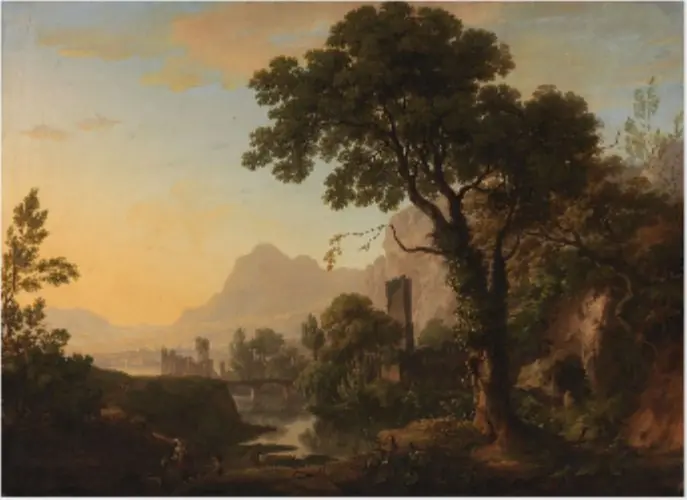 An Idyllic Landscape
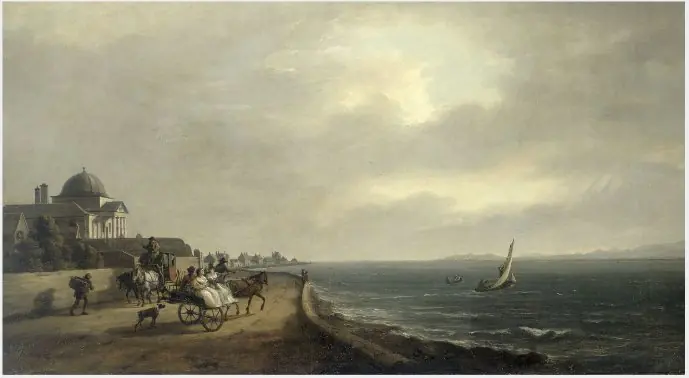 The Royal Charter School, Clontarf, County Dublin
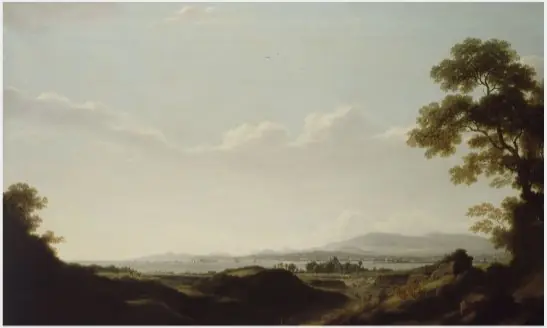 A View of Dublin from Clontarf
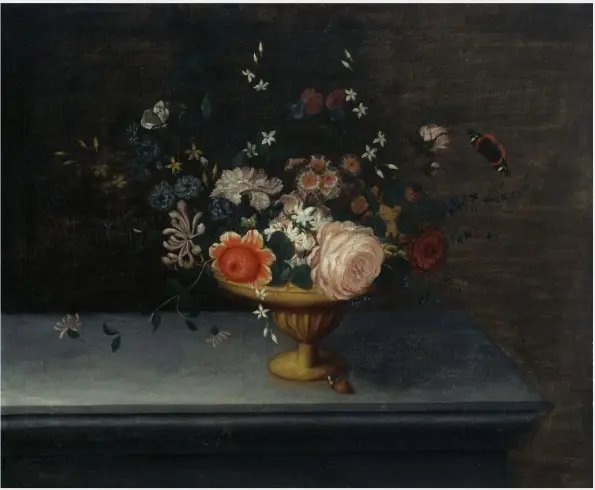 A Group of Flowers
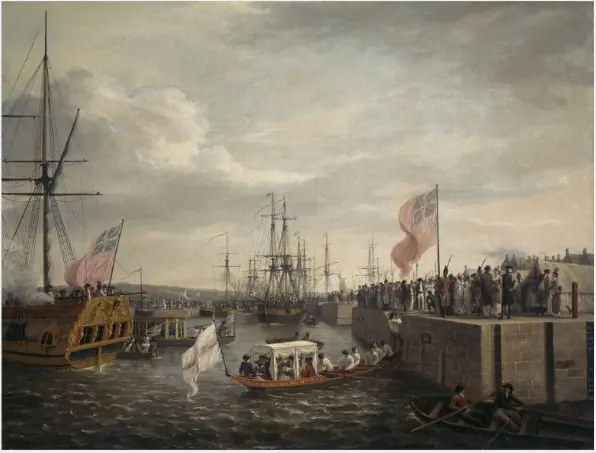 Opening of the Ringsend Docks, Dublin, 23 April 1796, with Lord Camden Conferring Knighthood on Mr John Macartney
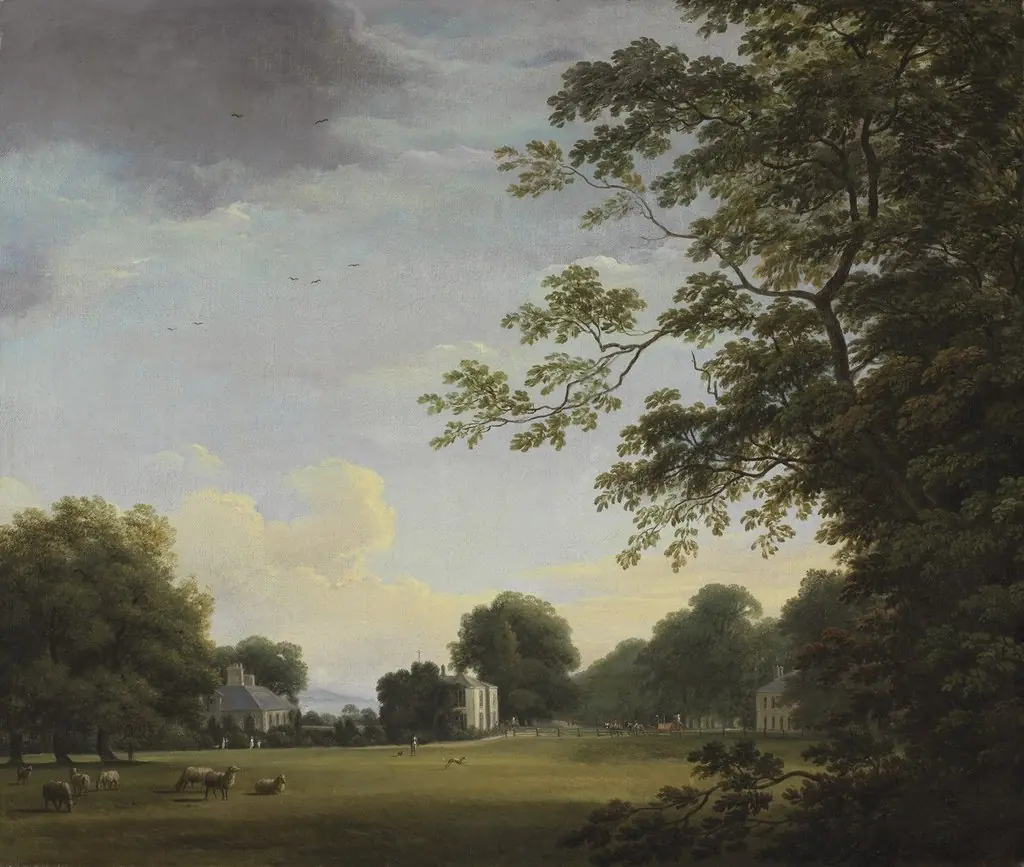 View in Mount Merrion Park
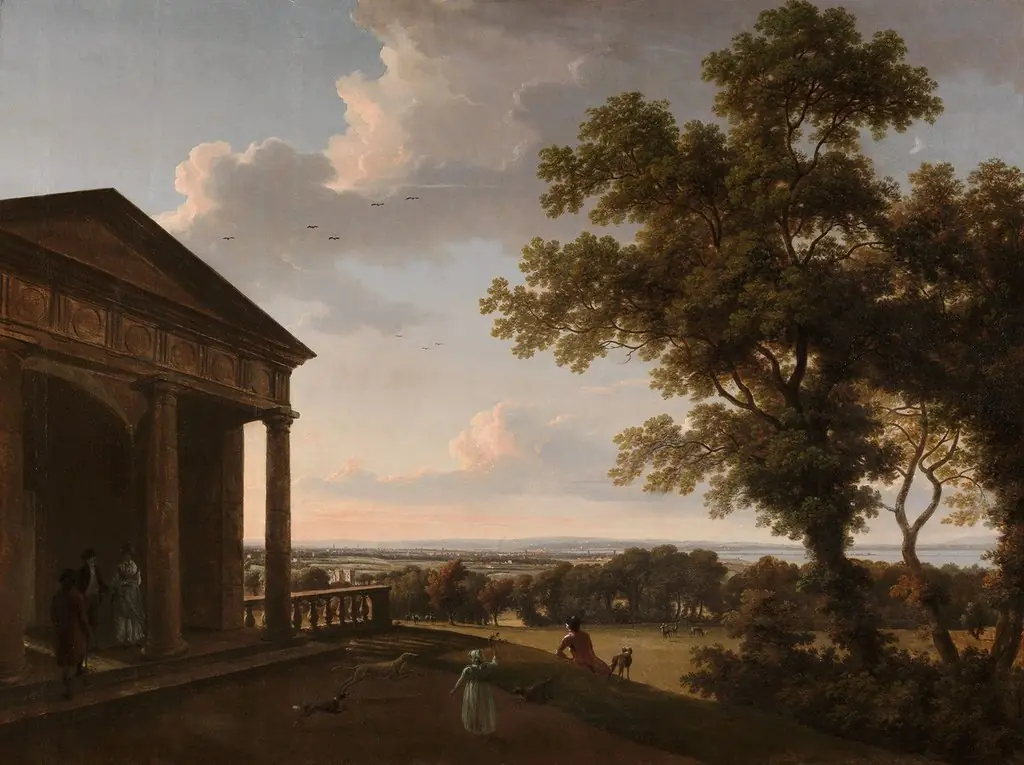 View in Mount Merrion Park (1804)
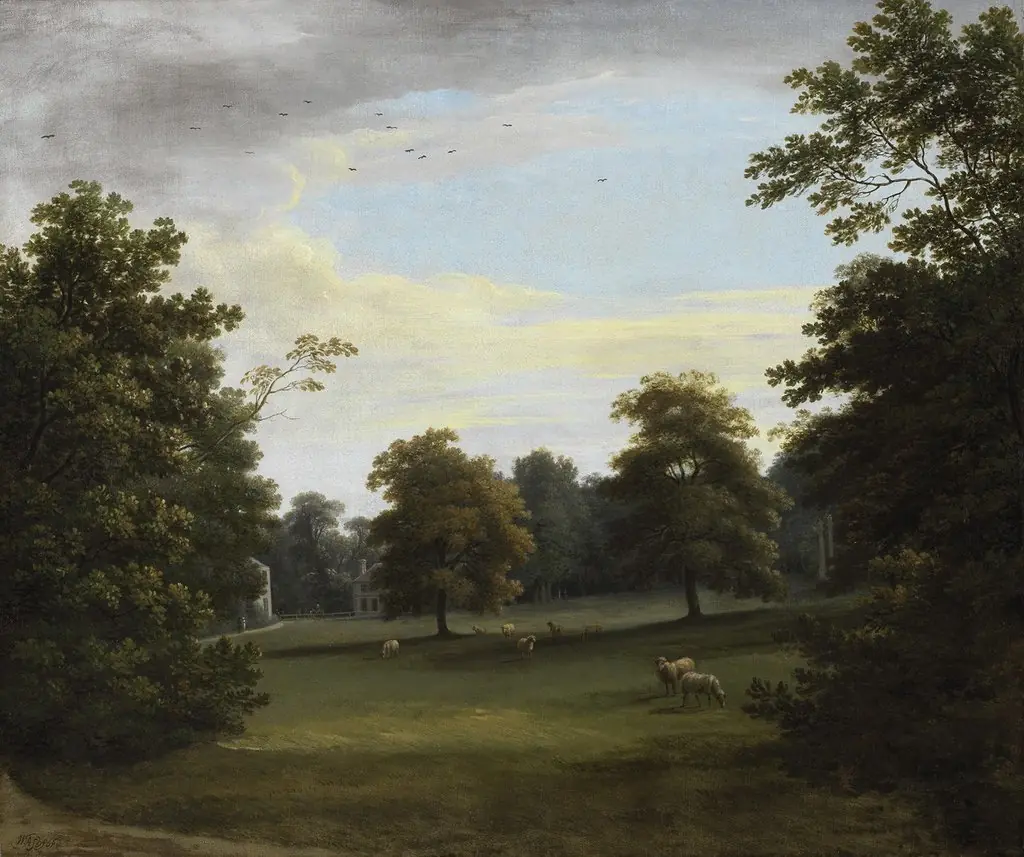 View in Mount Merrion Park
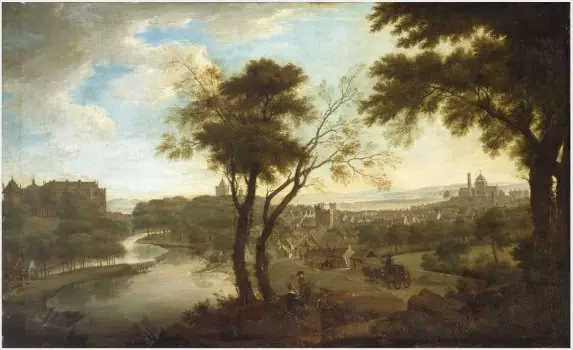 A Panorama of Kilkenny
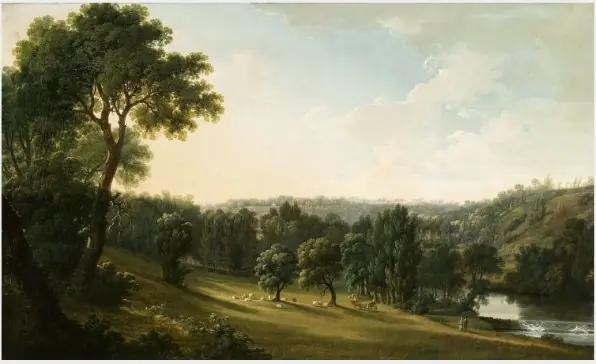 A View in Lucan House Demesne
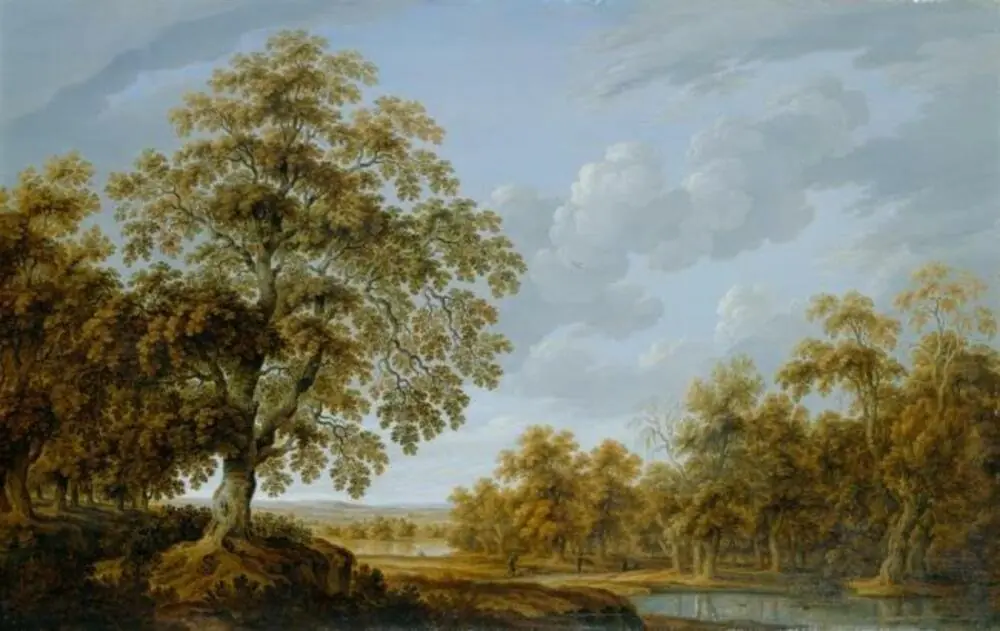 River landscape
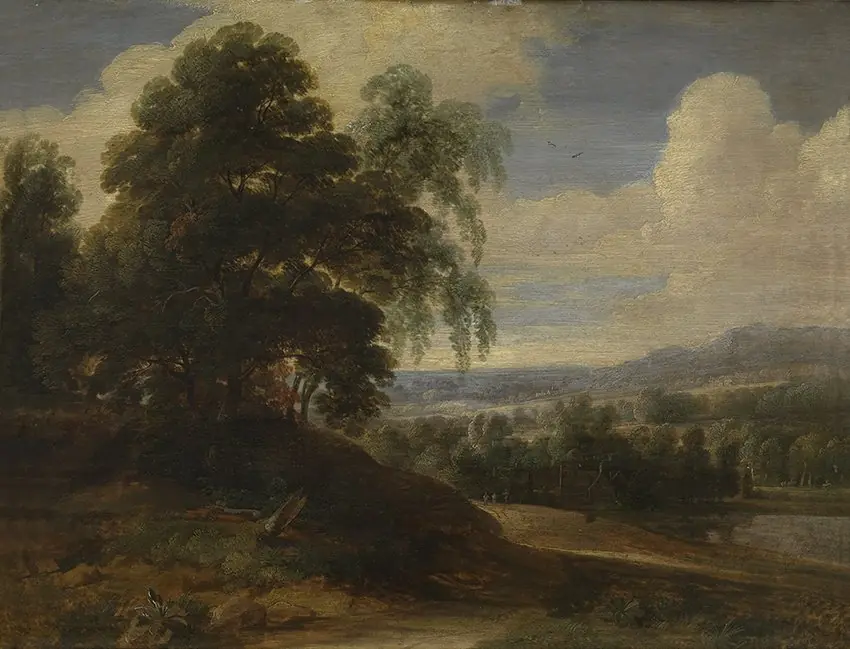 Landschap
 The Ferry Boat
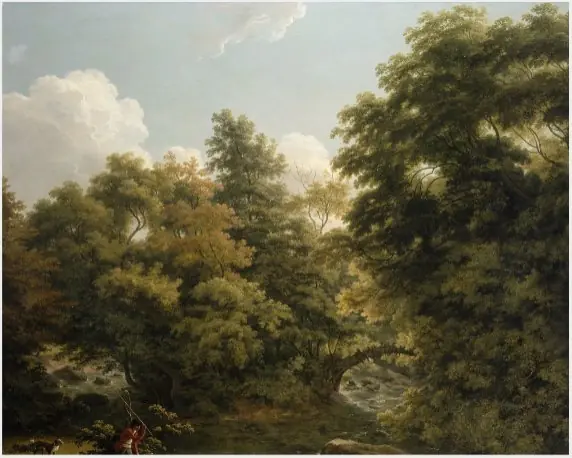 The River in the Demesne at Charleville
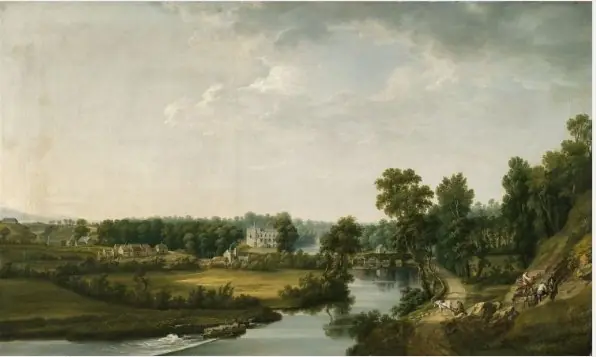 Lucan House and Demesne with Figures Quarrying Stone, County Dublin
 Boslandschap met rivier
 Landscape with Sheep and a Château
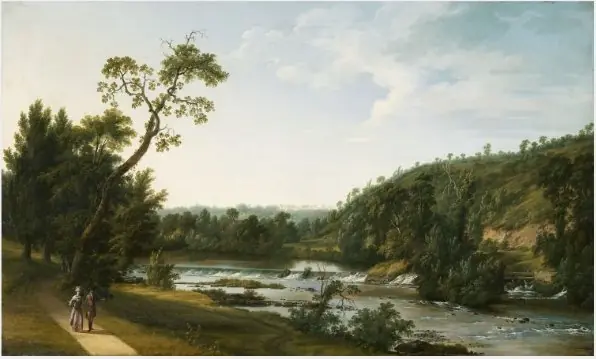 The River Liffey in Lucan House Demesne
 View of a Fortified City