Artwork
Studienkopf
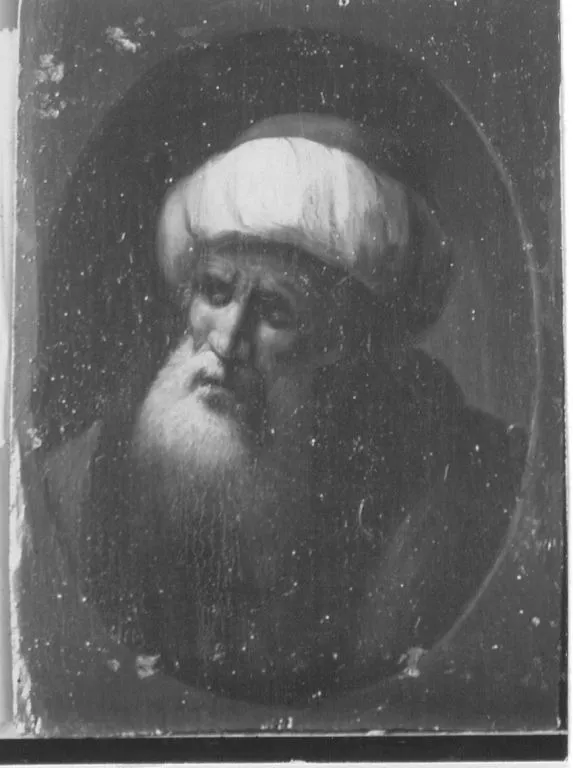
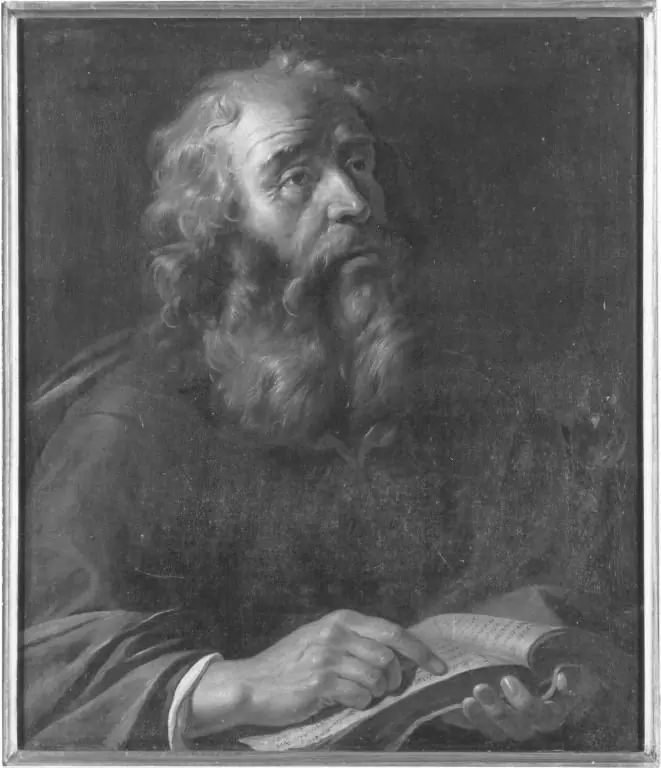
Studienkopf is an unspecified painting by the Rococo painting artist Johann Andreas Herrlein. It dates from 1759 and is held in the collection of the Bavarian State Painting Collections.
About this work
Overview
Painted in 1759 by Johann Andreas Herrlein, this study head is a portrait focused on an elderly man with a prominent white beard and turban.
Painted in 1759 by Johann Andreas Herrlein, this study head is a portrait focused on an elderly man with a prominent white beard and turban. Executed in oil on canvas, it resides in the Alte Pinakothek in Munich. The composition isolates the figure against a deep, unmodulated background, drawing attention entirely to the face and head. The work functions as a study in expression and texture rather than a formal portrait.
Subject & Meaning
The subject appears to be an elderly man of Middle Eastern or North African appearance, rendered with an air of quiet authority. The turban and beard suggest cultural or religious identity, though no specific historical figure is identified. The direct gaze invites contemplation, evoking themes of age, experience, and introspection without narrative context. The absence of clothing beyond the headgear emphasizes the psychological presence over social status.
Technique & Style
Herrlein employs chiaroscuro to model the face with sharp contrasts between light and shadow, enhancing the three-dimensionality of the features. The texture of the beard and turban is rendered with fine, deliberate brushwork, capturing the softness of wool and the crisp folds of fabric. The dark background isolates the figure, heightening the intensity of the lighting and reinforcing the study-like nature of the piece.
History & Provenance
The painting entered the collection of the Alte Pinakothek in Munich, where it has remained since at least the 19th century. Its origins prior to institutional acquisition are undocumented. As a study head, it likely served as an exercise in character rendering or a preparatory work, though no related compositions are known. Its survival suggests it was valued for its technical precision.
Context
In mid-18th-century Germany, artists often produced character studies to refine their ability to convey emotion and identity through facial expression. Herrlein, active in Augsburg, was part of a tradition that valued observational precision over idealization. This work reflects the broader European interest in ethnographic types, though here the focus remains on psychological presence rather than cultural documentation.
Legacy
Though not widely exhibited or reproduced, the painting endures as an example of 18th-century German academic study. It illustrates the continued relevance of chiaroscuro in portraiture beyond the Baroque period and demonstrates how artists used isolated heads to explore human expression. Its quiet intensity continues to engage viewers through its restrained, focused execution.
Artist & collection
Artist
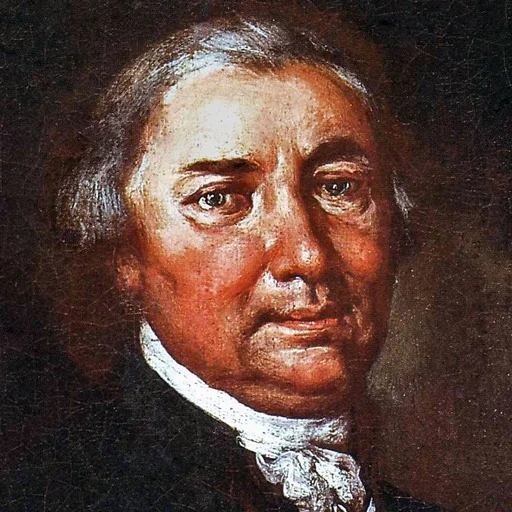
Johann Andreas Herrlein (1723–1796) was an artist, born in Münnerstadt.

 Bildnis eines alten Mannes
 Bärtiger Greisenkopf (?)
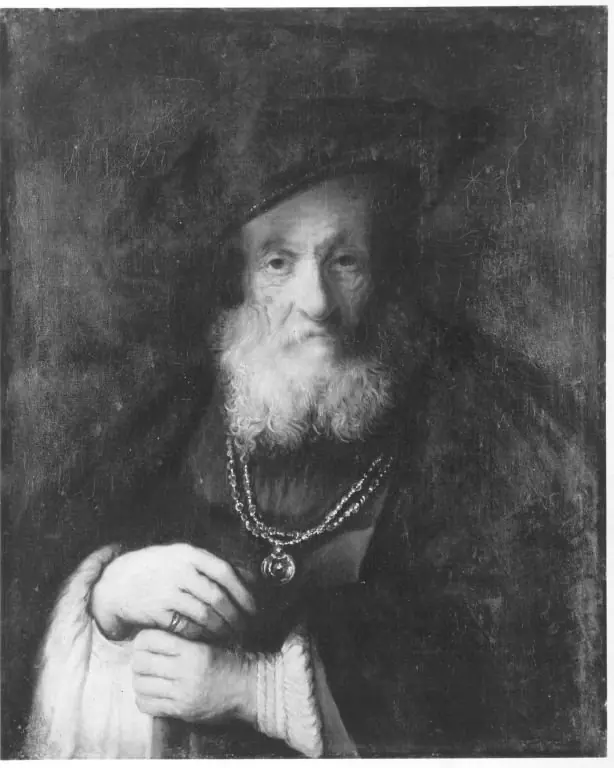 Bildnis eines alten Mannes (Kopie nach)
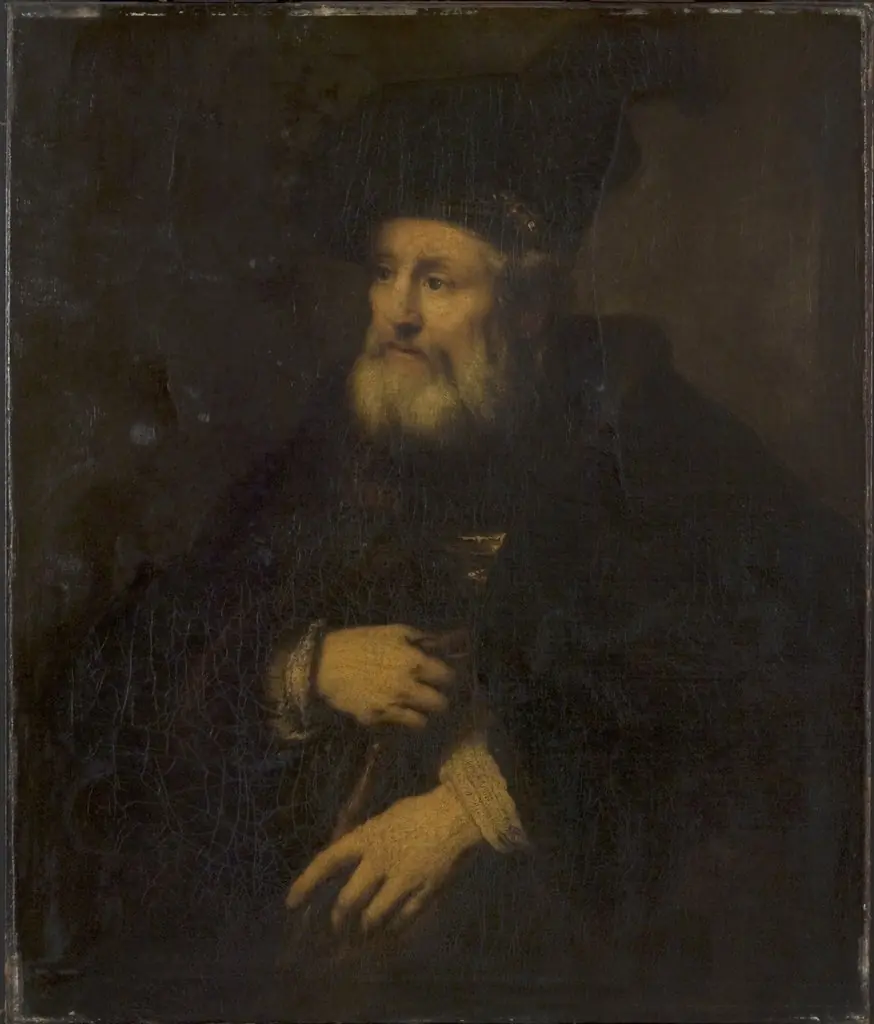 Old Man in Fanciful Costume Holding a Stick
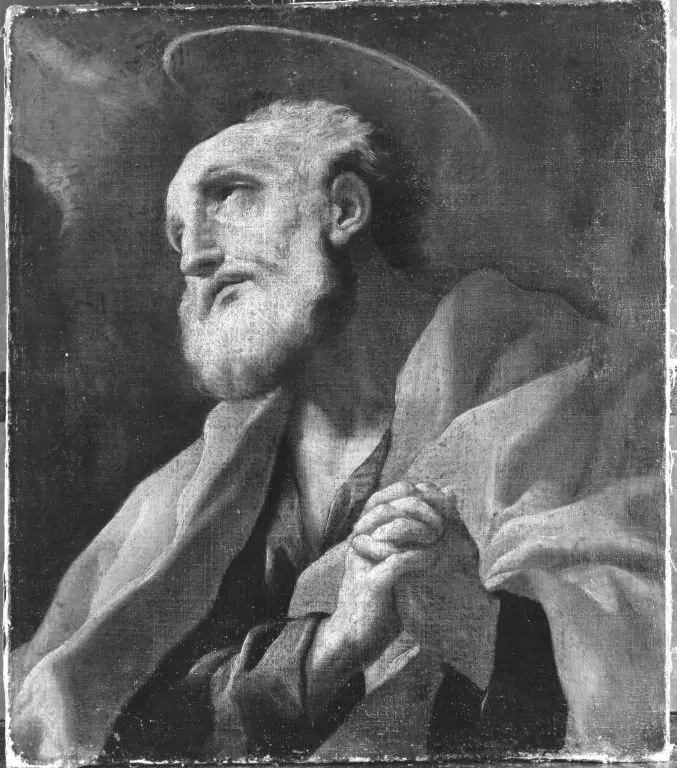 Hl. Petrus
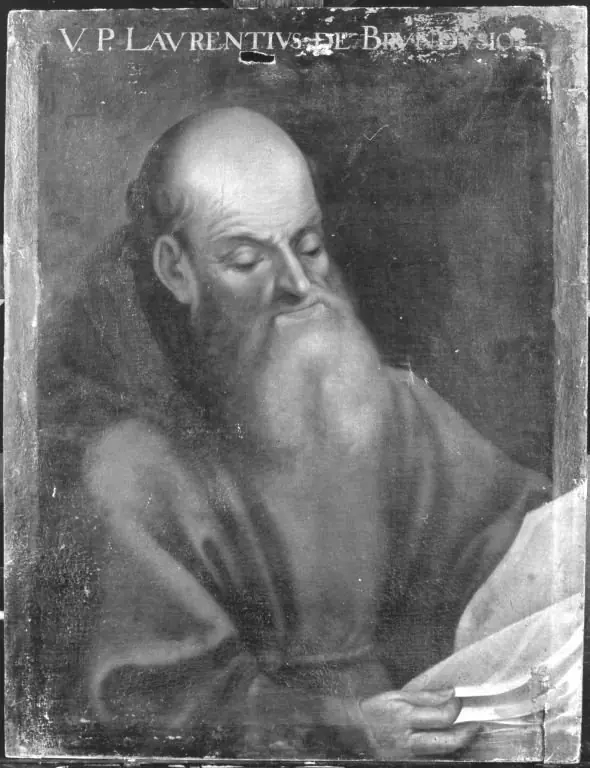 Bildnis des Lorenzo di Brindisi
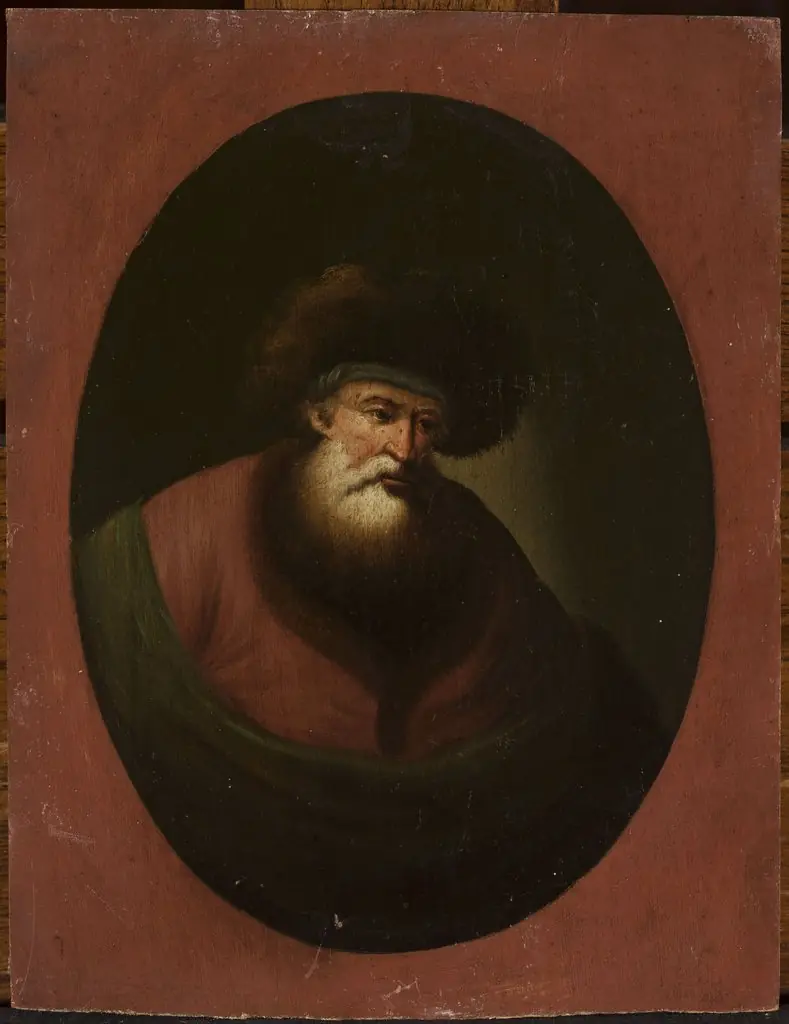 Old man with green fabric
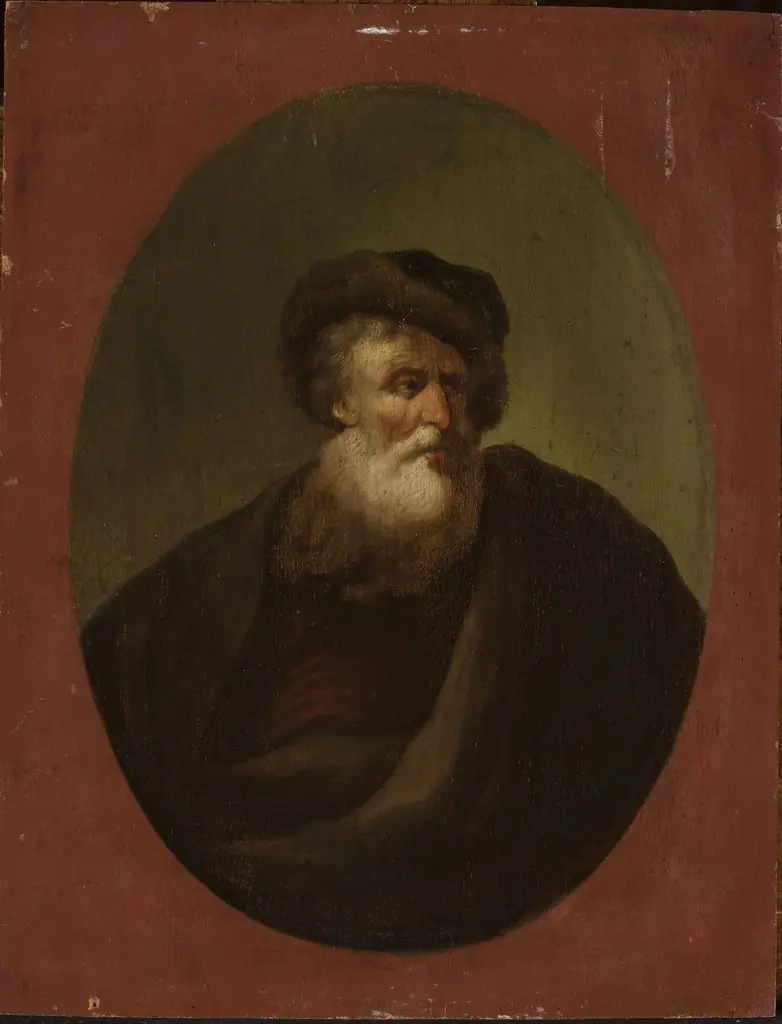 Old man looking to the right
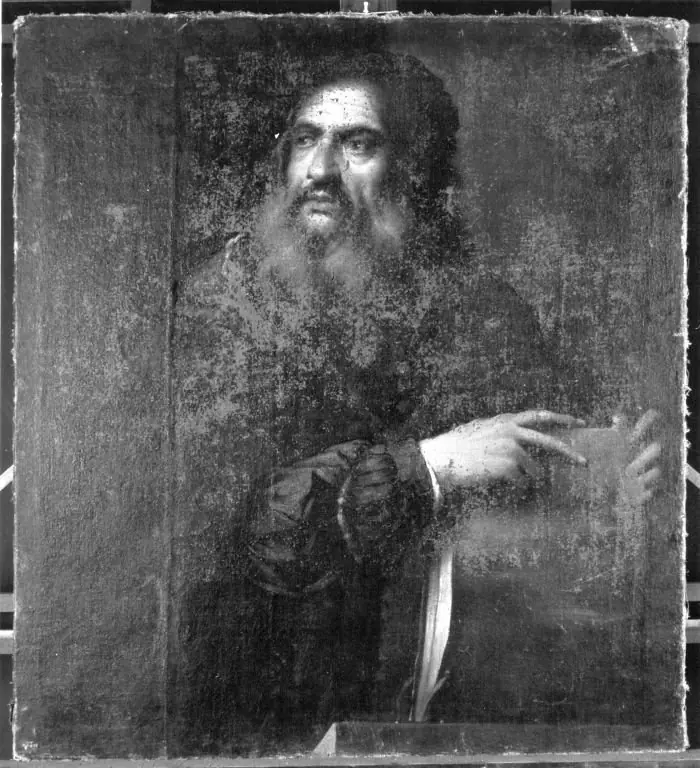 Bildnis eines alten Mannes (Philosophen) (Werkstatt)
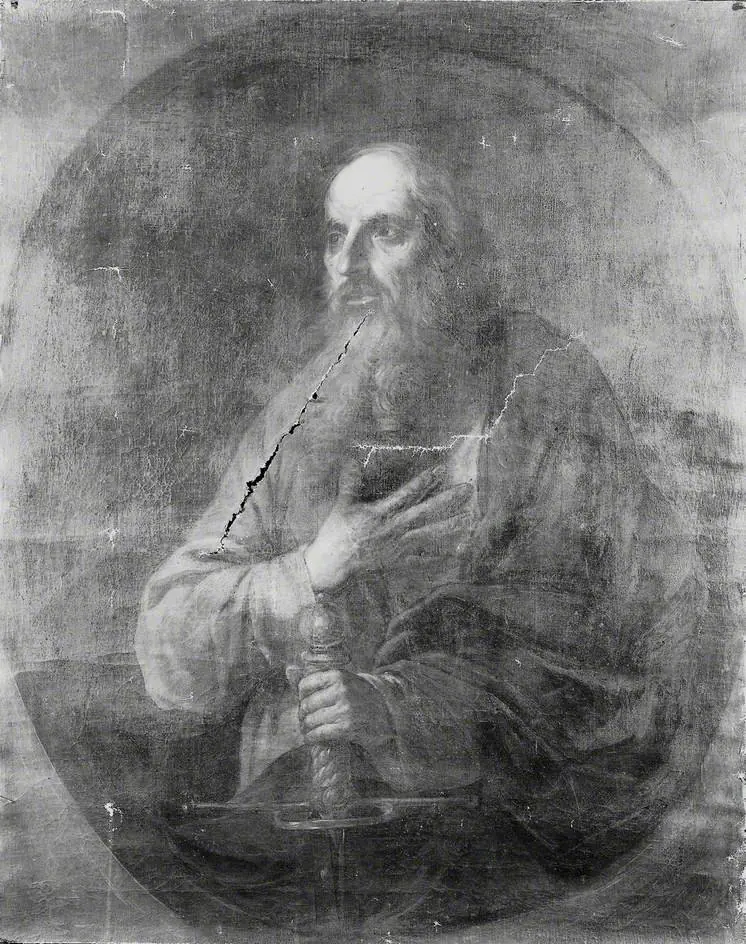 St Paul
 Der Apostel Paulus (?)