Artwork
Bildnis eines alten Mannes
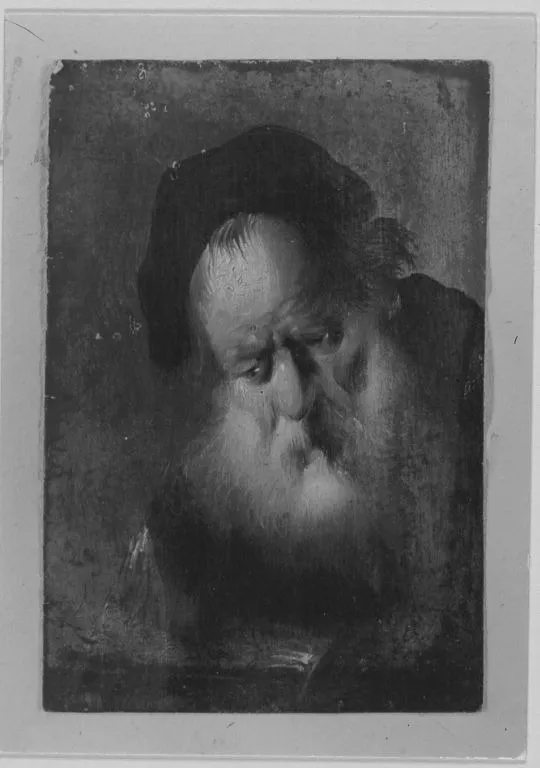
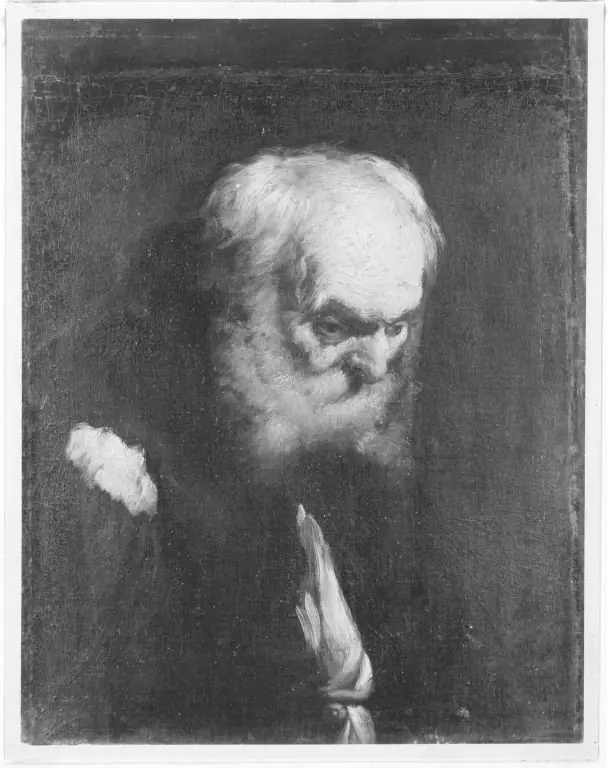
Bildnis eines alten Mannes is an unspecified painting by the Rococo painting artist Januarius Zick. It dates from 1763 and is held in the collection of the Bavarian State Painting Collections.
About this work
Overview
Zick, active in southern Germany, worked at the intersection of painting and architecture during the late Baroque era.
Painted in 1763 by Johann Rasso Januarius Zick, this portrait captures an elderly man with quiet intensity. Zick, active in southern Germany, worked at the intersection of painting and architecture during the late Baroque era. The work belongs to the Alte Pinakothek’s collection and exemplifies his focus on human presence over ornamental flourish, distinguishing it from more decorative Rococo trends of the time.
Subject & Meaning
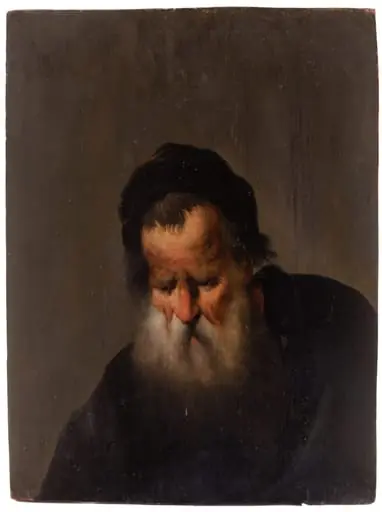
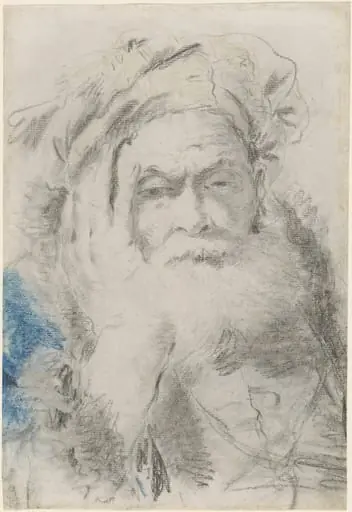
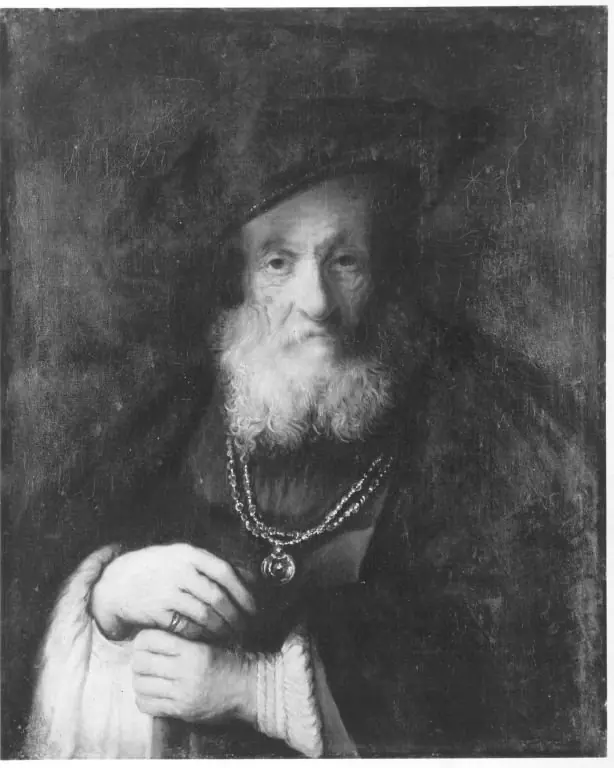
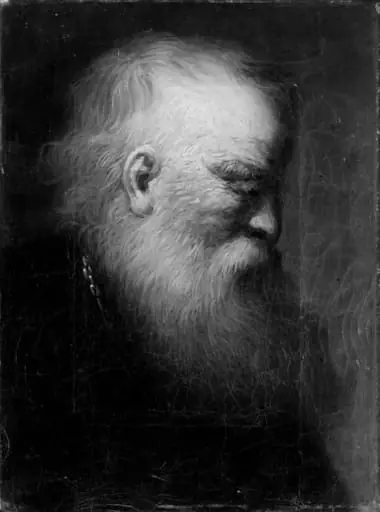
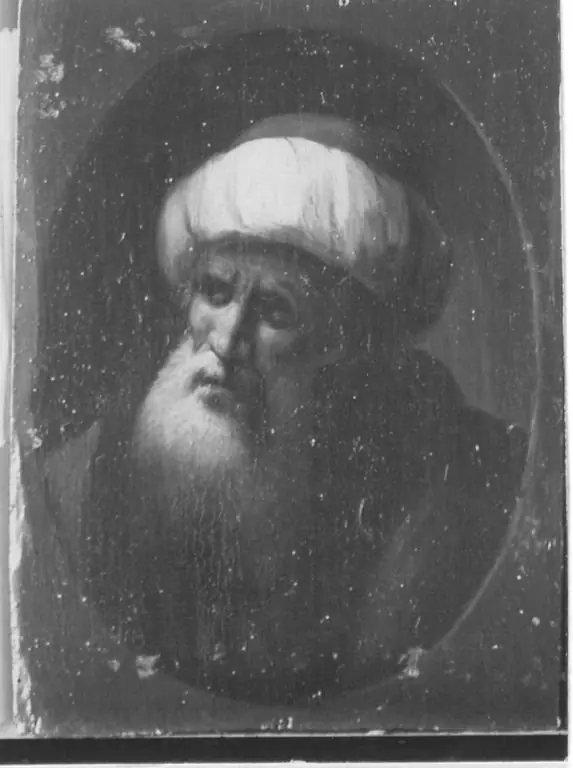
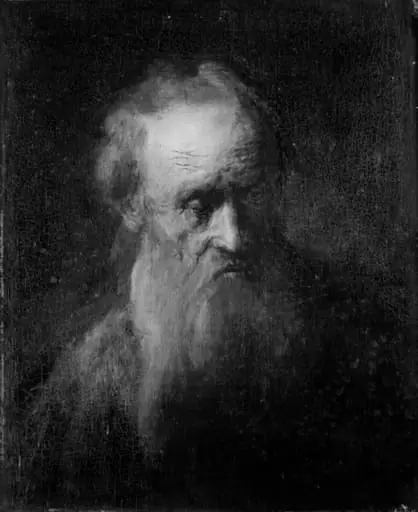
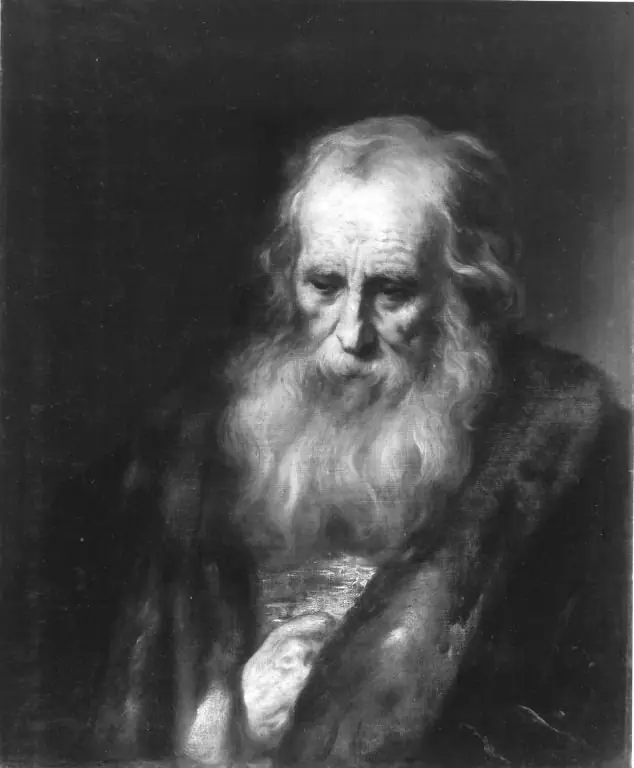
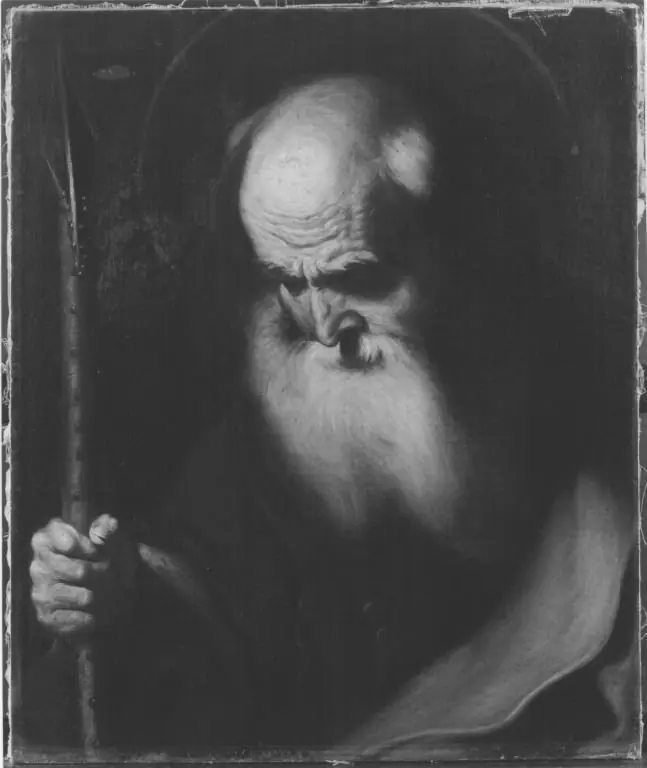
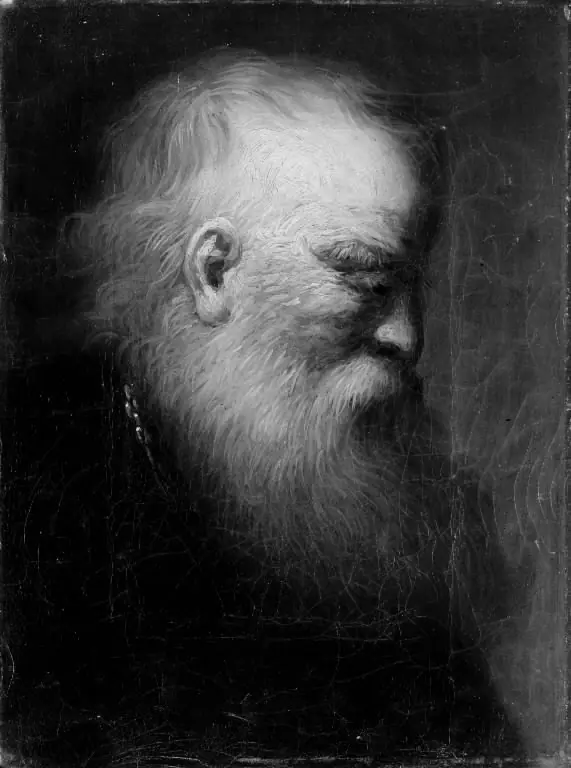
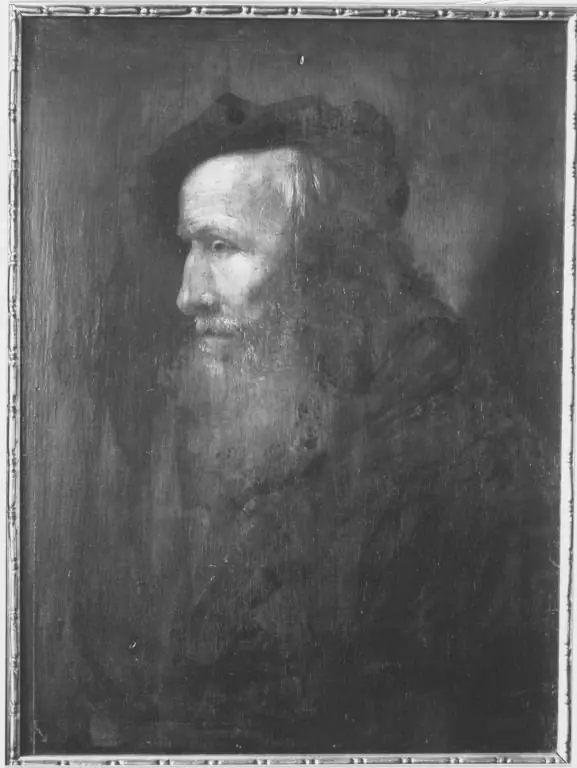
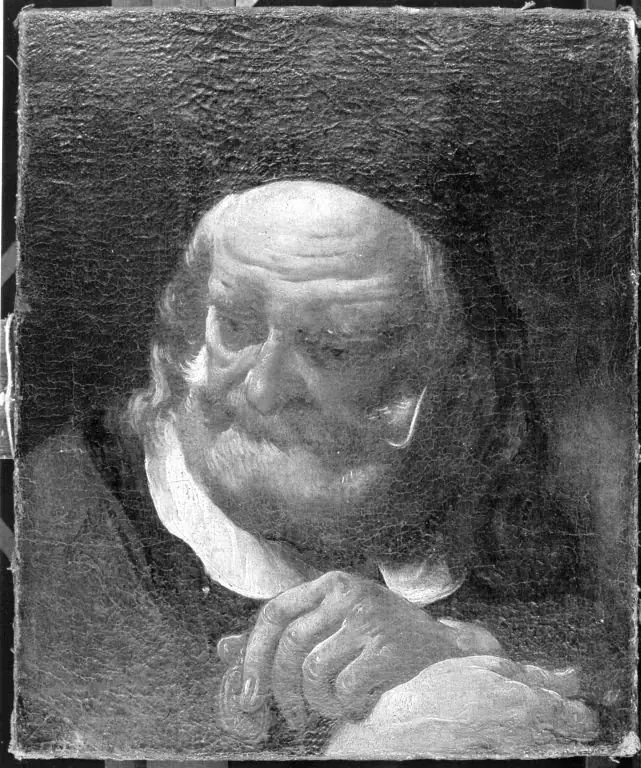
The subject is an older man, his face marked by time, with long white hair and beard. He wears a dark hat and simple shirt, suggesting modest status. His downward gaze and solemn expression convey introspection rather than grandeur. The absence of symbols or context invites contemplation of inner life, aligning with a tradition of psychological portraiture that values quiet dignity over external display.
Technique & Style
Zick employs chiaroscuro to model the face with subtle gradations of light and shadow, enhancing the texture of skin, hair, and fabric. The dark background isolates the figure, directing attention to his features. Brushwork is precise yet unembellished, avoiding the fluidity typical of Rococo. The palette is restrained—earthy tones dominate, with minimal contrast—emphasizing realism over theatricality.
History & Provenance
The painting was completed in 1763, during Zick’s active years in Swabia and Bavaria. It entered the Alte Pinakothek’s collection in the 19th century, likely through state acquisitions or donations from noble patrons. No earlier ownership records are widely documented, but its preservation suggests it was valued within regional artistic circles for its restrained realism.
Context
While the Rococo style favored lightness and ornament, Zick’s work reflects a lingering Late-Baroque emphasis on structure and emotional gravity. In southern German art circles, portraiture often served religious or civic functions, yet this piece stands apart by focusing on an anonymous individual. It reflects a shift toward individualized representation, even amid prevailing decorative norms.
Legacy
Though Zick is better known for frescoes and architectural designs, this portrait endures as a quiet testament to his skill in capturing human presence. It contributes to a broader understanding of 18th-century German painting beyond grand historical or mythological themes. The work remains a reference for studies of regional portraiture and the persistence of Baroque sensibilities into the late 1700s.
Artist & collection
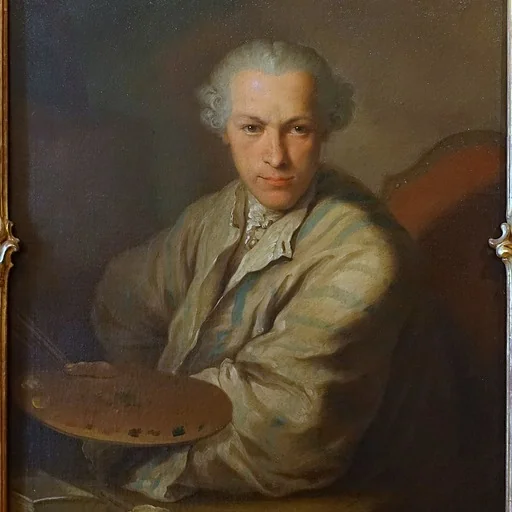
Artist
Johann Rasso Januarius Zick (6 February 1730 – 14 November 1797) was a German painter and architect. He is considered to be one of the main masters of the Late-Baroque.