Artwork
Alte Frau mit einem Dukaten
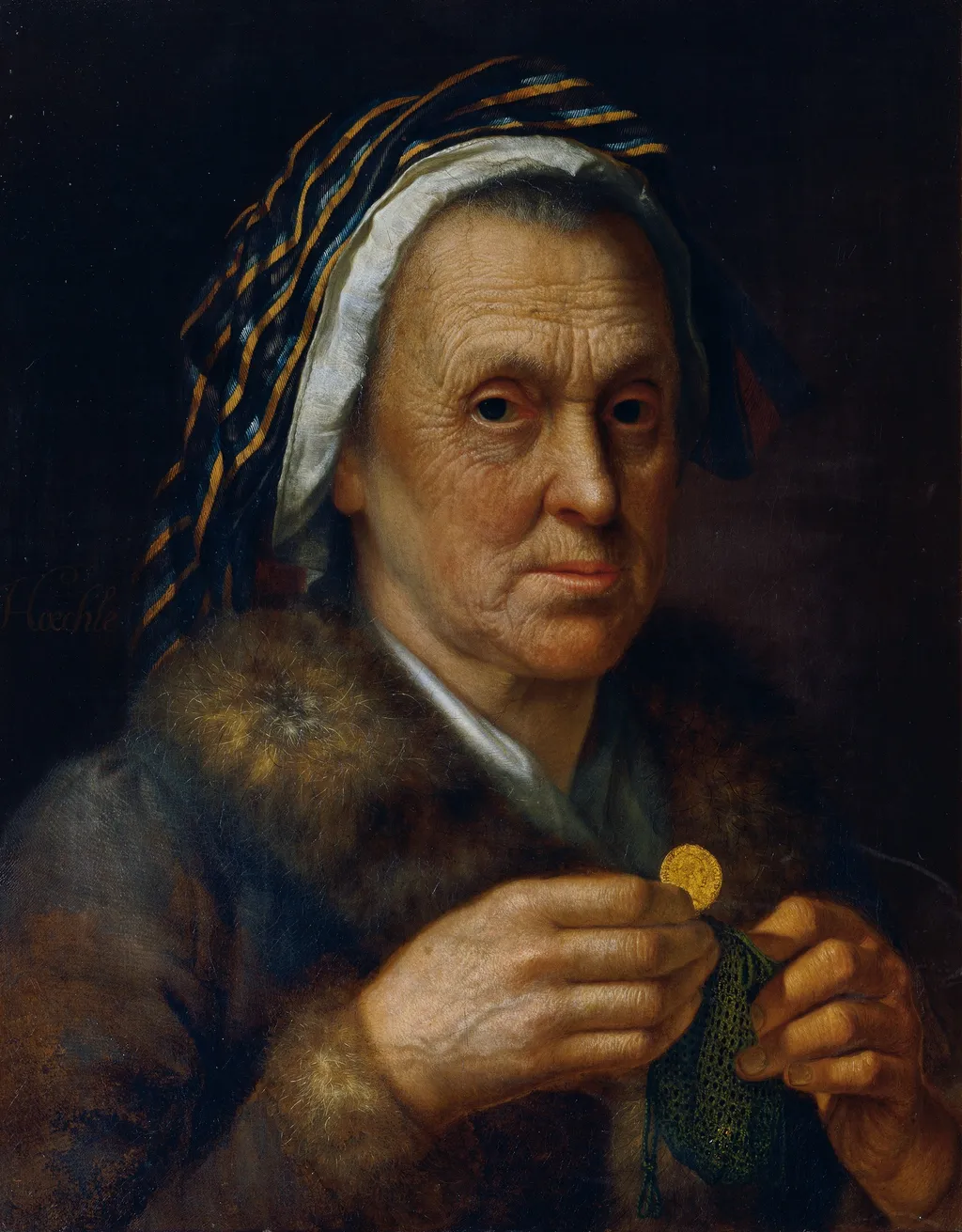
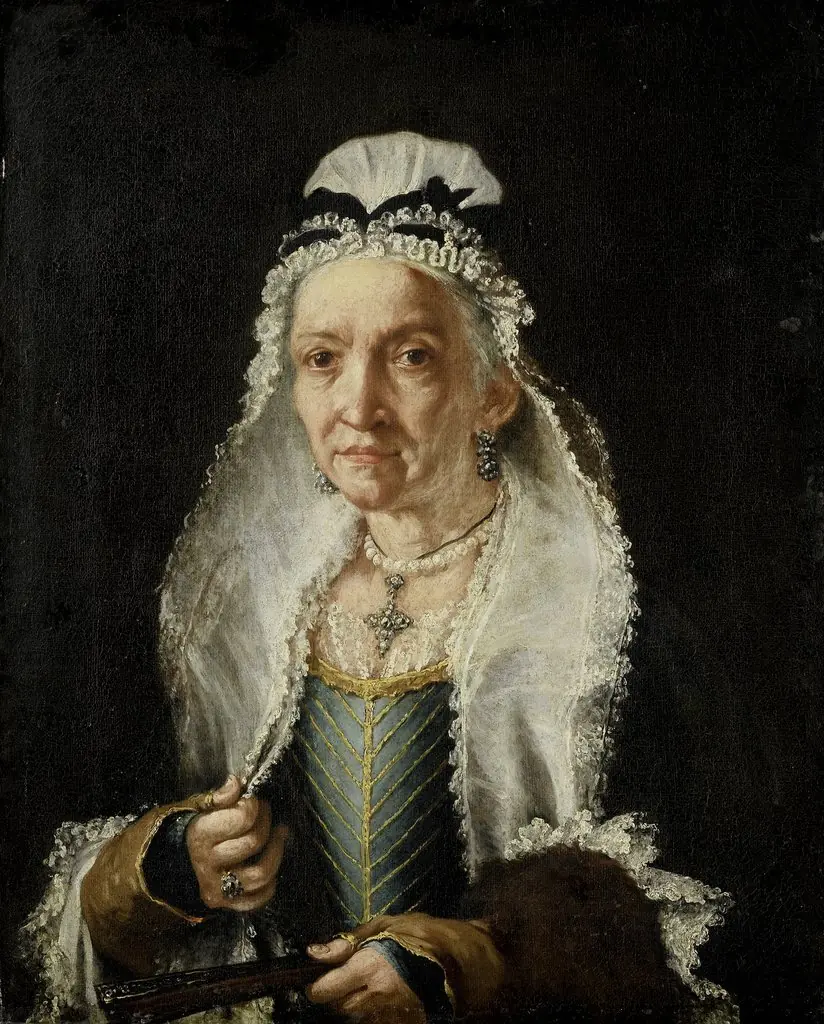
Alte Frau mit einem Dukaten is an oil painting by Johann Baptist Hoechle. It dates from 1803 and is held in the collection of the Kunsthistorisches Museum.
About this work
Overview
Painted around 1803 by Johann Baptist Hoechle, this oil on canvas portrait depicts an elderly woman in quiet contemplation.
Painted around 1803 by Johann Baptist Hoechle, this oil on canvas portrait depicts an elderly woman in quiet contemplation. The work is part of the collection at the Kunsthistorisches Museum in Vienna. Its modest scale and intimate composition reflect a focus on individual character rather than grand narrative. The subject’s expression and posture suggest a moment of private reflection, grounded in everyday reality.
Subject & Meaning
The woman, likely a member of the lower or middle class, holds a gold coin in her right hand while clutching a folded green fabric in her left. Her downward gaze and weathered features convey a sense of quiet dignity and lived experience. The coin may symbolize personal value, labor, or economic necessity, while the fabric hints at domestic life. Together, they frame her as a figure of quiet resilience, not idealized but rendered with solemn attention.
Technique & Style
Hoechle employs chiaroscuro to model the woman’s face with subtle gradations of light and shadow, emphasizing the texture of her skin and the folds of her headscarf. Brushwork is restrained, favoring realism over ornamentation. The dark background isolates her form, drawing focus to her expression and hands. The palette is muted, with warm tones in the skin and the gold coin contrasting against cooler grays and greens, enhancing the painting’s somber tone.
History & Provenance
The painting entered the Kunsthistorisches Museum’s collection in the 19th century, likely through acquisition or donation from a Viennese private collection. Its attribution to Hoechle is supported by stylistic parallels with his other known portraits. No significant alterations or restorations are documented, and the work has remained in stable condition since its inclusion in the museum’s holdings.
Context
Created during the early 19th century, the portrait aligns with a growing interest in ordinary individuals as subjects of art, moving beyond aristocratic or mythological themes. In Vienna, where Hoechle worked, such intimate portraiture reflected broader cultural shifts toward empathy for the common person. The painting’s quiet realism echoes contemporaneous trends in German-speaking regions, where attention to psychological depth was gaining ground.
Legacy
Though not widely exhibited outside Austria, the painting contributes to the understanding of regional portraiture in the Napoleonic era. It stands as an example of how lesser-known artists captured the dignity of everyday life with technical precision and emotional restraint. Its preservation in a major museum ensures its continued role in studies of 19th-century visual culture beyond the canon of celebrated names.
Own this work as a print
Artist & collection

 Portrait of an Old Woman
 Alte Frau mit violettem Kopftuch
 Old Woman Knitting a Sock
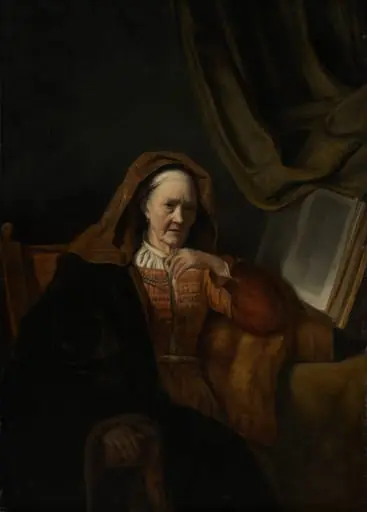 Woman with a Pearl Necklace
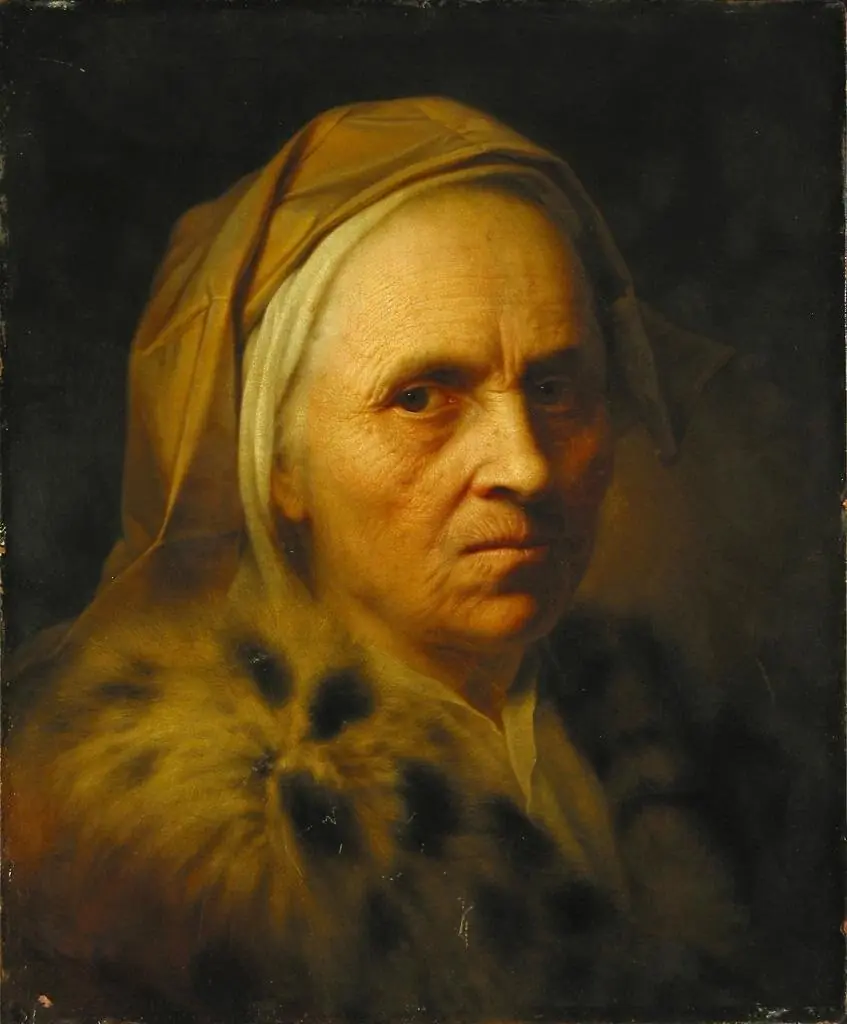 Portrait of an old woman
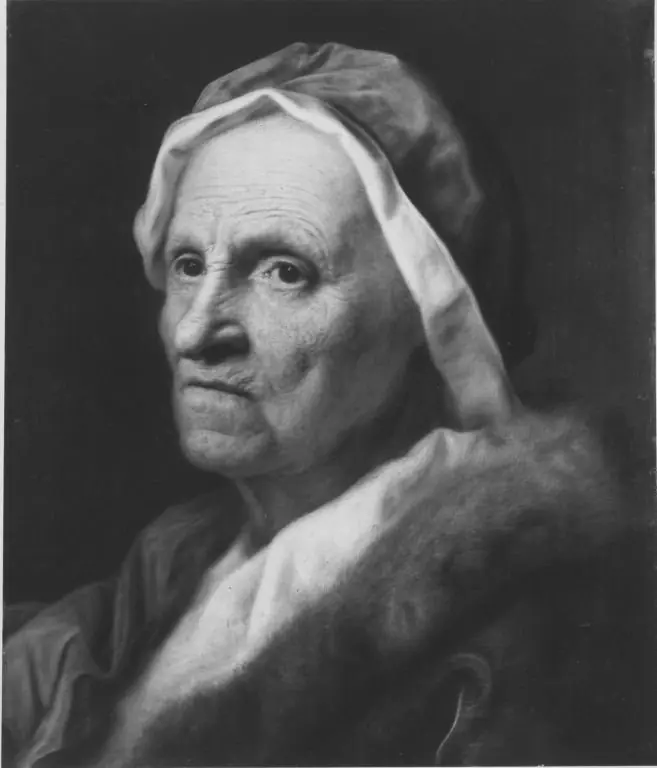 Portrait of an old woman with fur
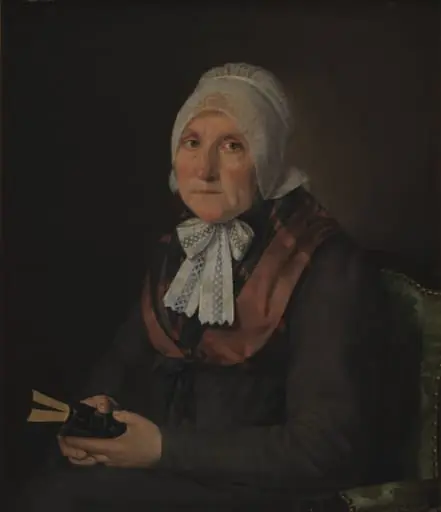 Maria Magdalena Jensen, née Jessen, the Artist's Mother
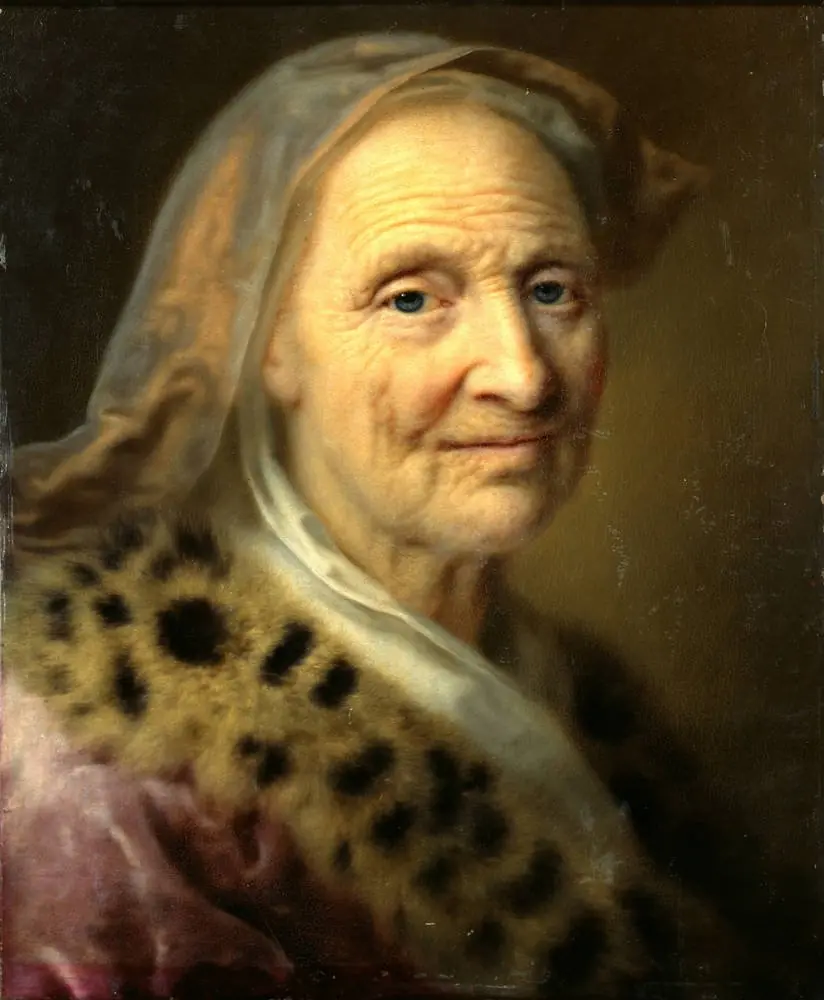 Alte Frau mit goldgelbem Kopftuch
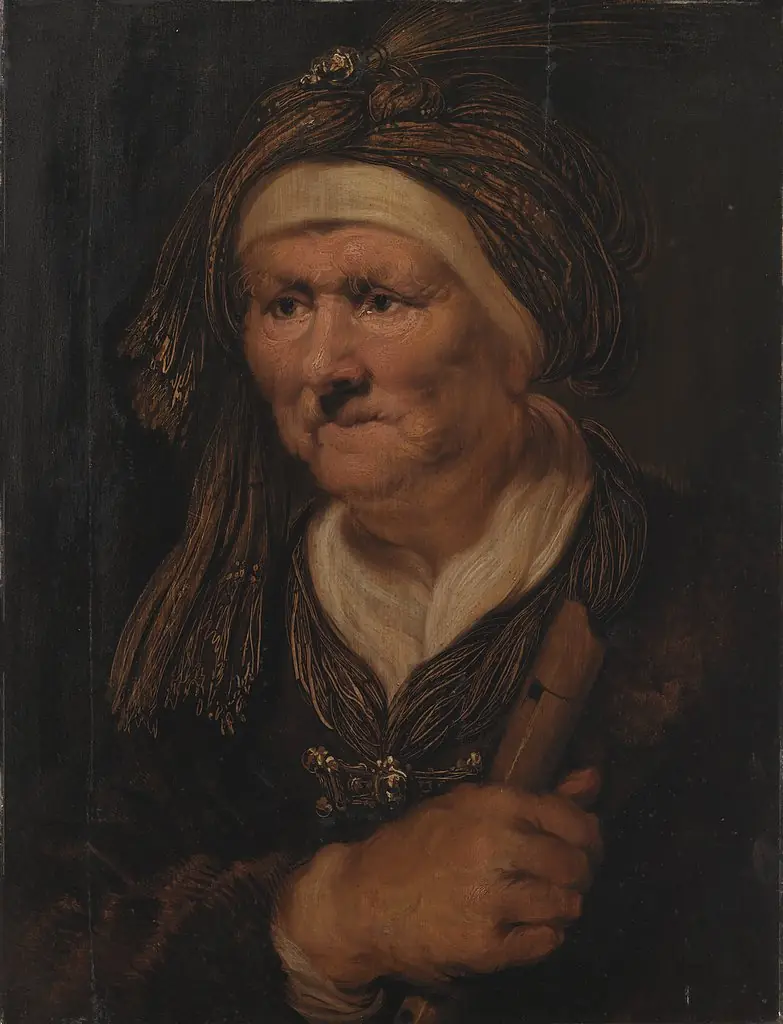 En gammel kone. Allegorisk fremstilling af hørelsen
 Portrait of an Old Woman, Wife of Christian Jacobsen Drakenberg, née Bagge (?)
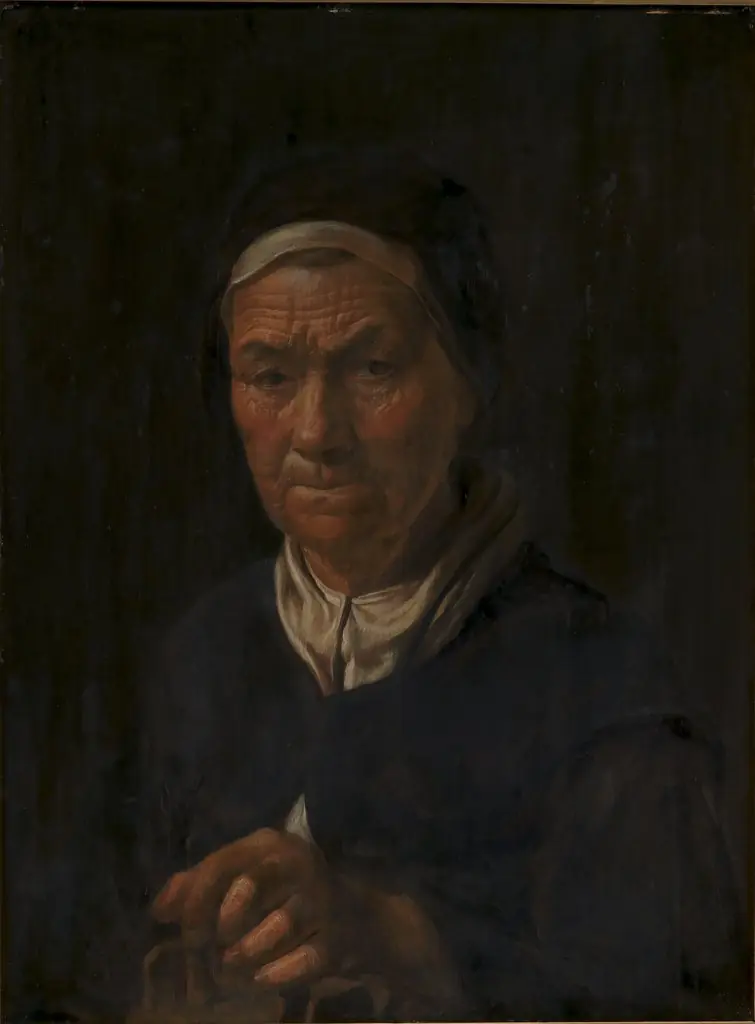 Portrait of an Old Woman, Wife of Christian Jacobsen Drakenberg, née Bagge (?)
 Portrait of an Old Lady