Artwork
Alte Frau mit violettem Kopftuch
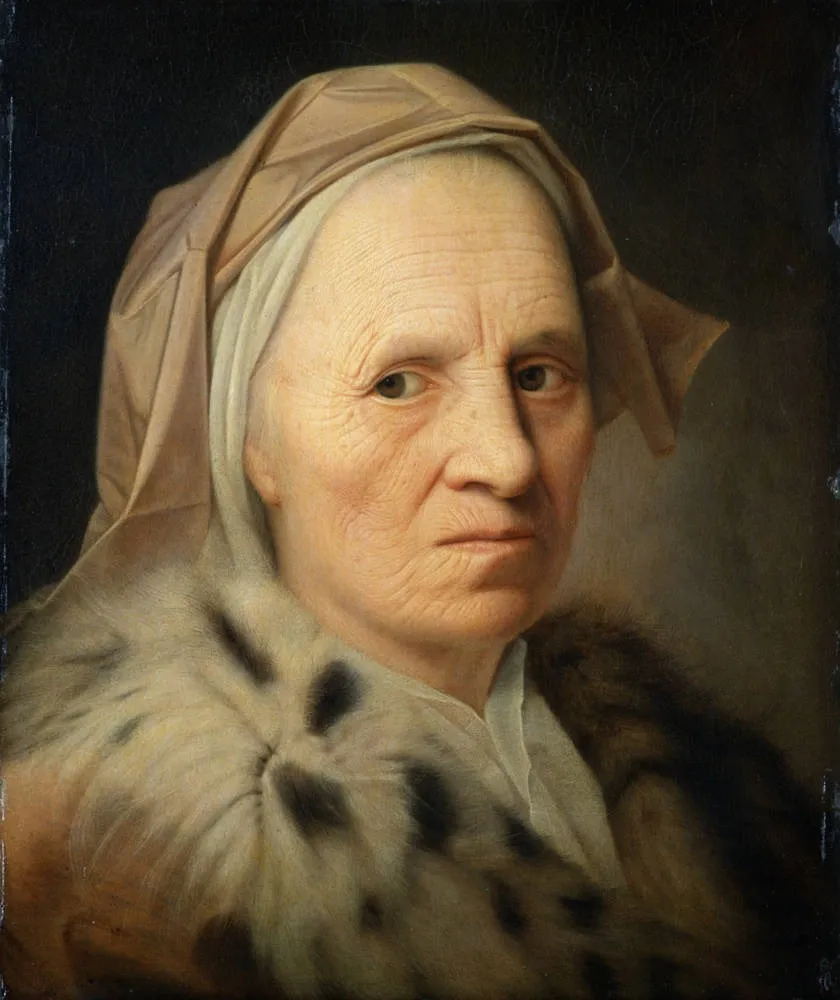
Alte Frau mit violettem Kopftuch is an oil painting by the Rococo painting artist Balthasar Denner. It dates from 1720 and is held in the collection of the Staatliche Kunstsammlungen Dresden.
About this work
Overview
Denner specialized in intimate, highly detailed portraits, often concentrating on facial features while leaving costume details to assistants.
Painted in 1720 by the German artist Balthasar Denner, this work depicts an elderly woman in half-length format on a copper panel. Denner specialized in intimate, highly detailed portraits, often concentrating on facial features while leaving costume details to assistants. The choice of copper as a support allowed for fine brushwork and a luminous finish, aligning with his reputation for precision. The painting resides in the Gemäldegalerie Alte Meister in Dresden.
Subject & Meaning
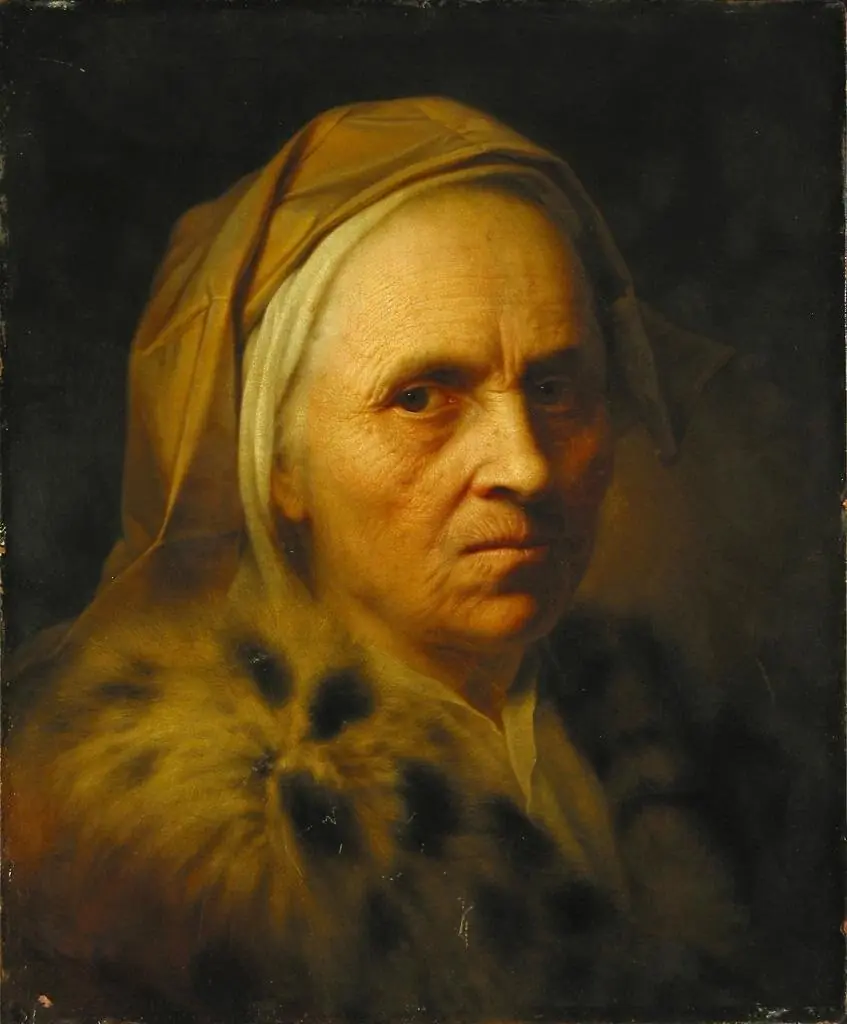
The subject is an older woman, her face marked by time—deeply lined skin, thin eyebrows, and a furrowed brow. Her pale eyes and neutral mouth convey quiet composure rather than emotion. The violet headscarf and dark fur collar suggest modest means and practical attire. There is no narrative or symbolic context; the focus is on the dignity of aging, rendered without idealization, reflecting a shift toward honest portraiture in early 18th-century Germany.
Technique & Style
Denner employed fine brushstrokes to capture minute textures: the weave of the headscarf, the sheen of fur, and the translucency of aged skin. The copper panel’s smooth surface enhanced his ability to render subtle gradations of tone. Backgrounds are muted and dark, isolating the figure and intensifying the focus on facial detail. Clothing is rendered with less precision than the face, consistent with Denner’s practice of delegating non-facial elements to workshop assistants.
History & Provenance
The painting was completed in 1720 and entered the collection of the Gemäldegalerie Alte Meister in Dresden, where it remains today. While its early ownership is undocumented, its inclusion in the gallery’s core holdings suggests early recognition of Denner’s technical skill. The work has not been widely exhibited outside Germany, preserving its status as a quiet example of regional portraiture rather than a celebrated public artifact.
Context
Created during the early Rococo era, the painting diverges from the period’s ornamental tendencies. Instead of elegance or frivolity, Denner offers a restrained, almost austere realism. His focus on elderly sitters—often common people—contrasts with aristocratic portraiture dominant elsewhere in Europe. This approach reflects a growing interest in individual character and the human condition, particularly in northern German artistic circles.
Legacy
Denner’s portraits, including this one, influenced later realist painters in Germany and the Netherlands who valued unembellished observation. His technique on copper became a model for achieving fine detail without the drying delays of oil on canvas. Though not widely known outside specialist circles, his work remains a touchstone for studies of 18th-century portraiture and the depiction of aging in art.
Artist & collection

Artist
Balthasar Denner (15 November 1685 – 14 April 1749) was a German painter, highly regarded as a portraitist.


 Old woman
 Portrait of an Old Woman
 Portrait of an old woman with fur
 Portrait of an old woman in a white cap
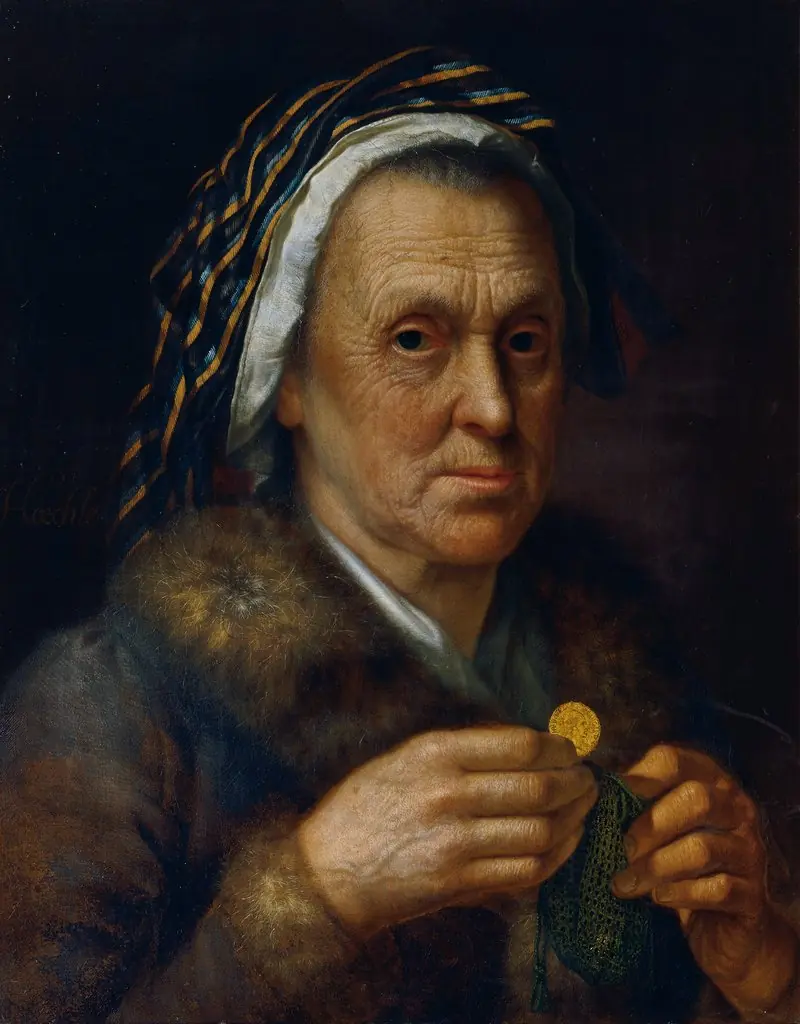 Alte Frau mit einem Dukaten
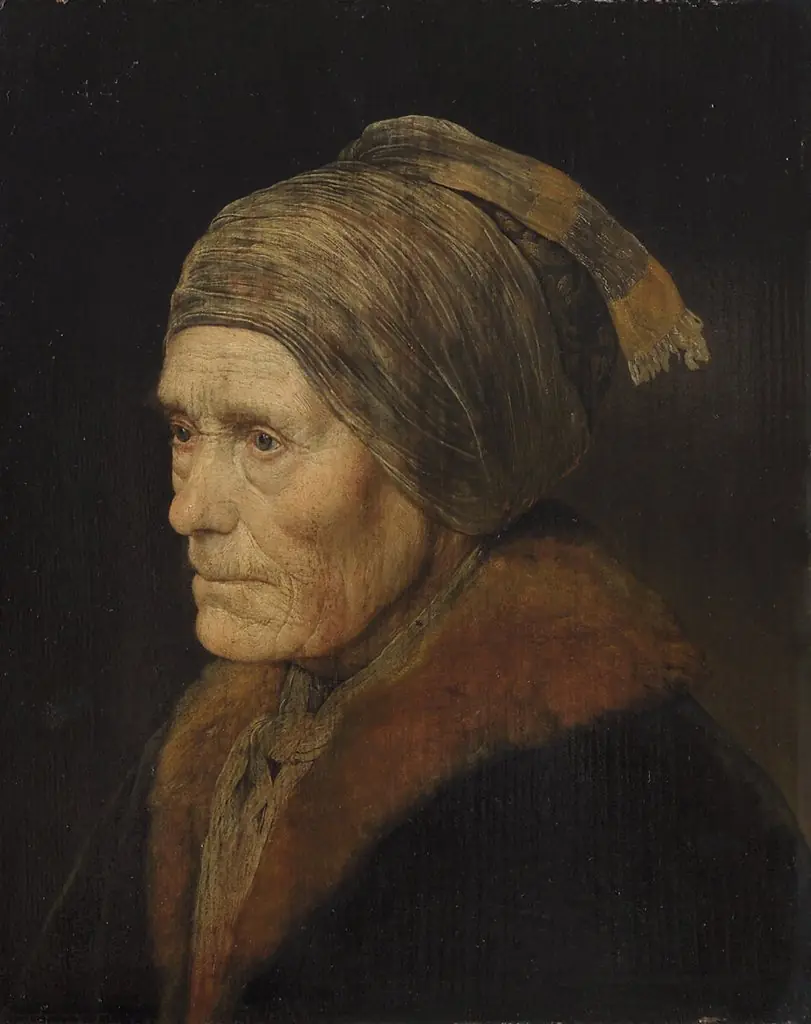 Portrait of an old woman
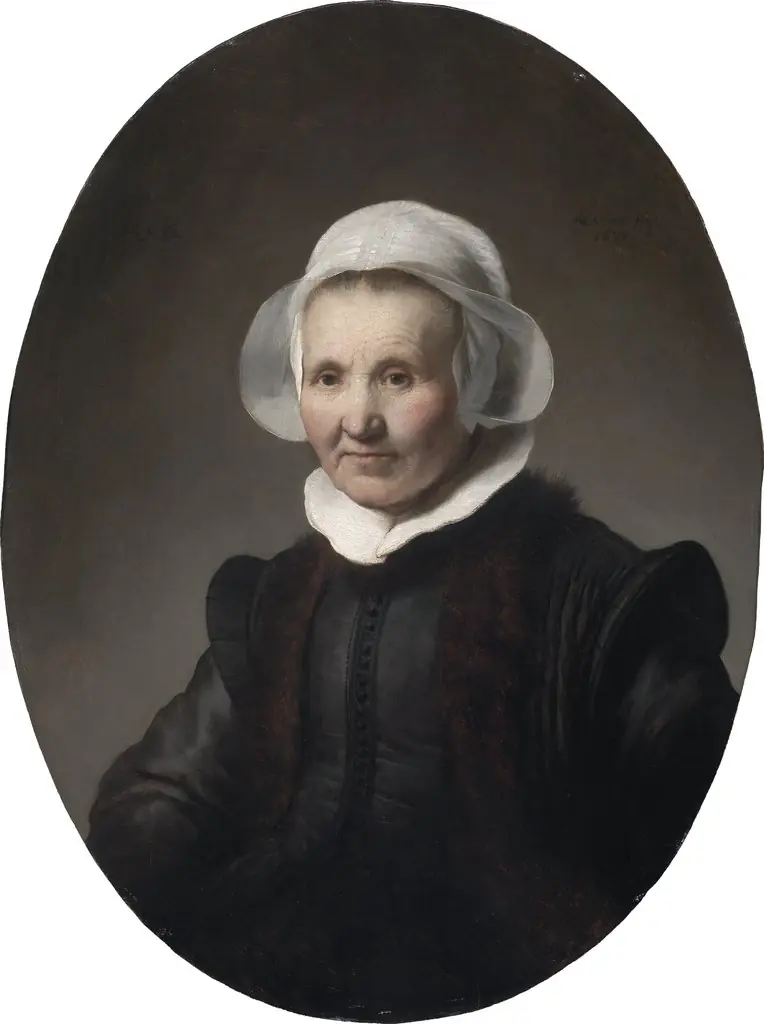 Portrait of a 62-year-old Woman, possibly Aeltje Pietersdr Uylenburgh
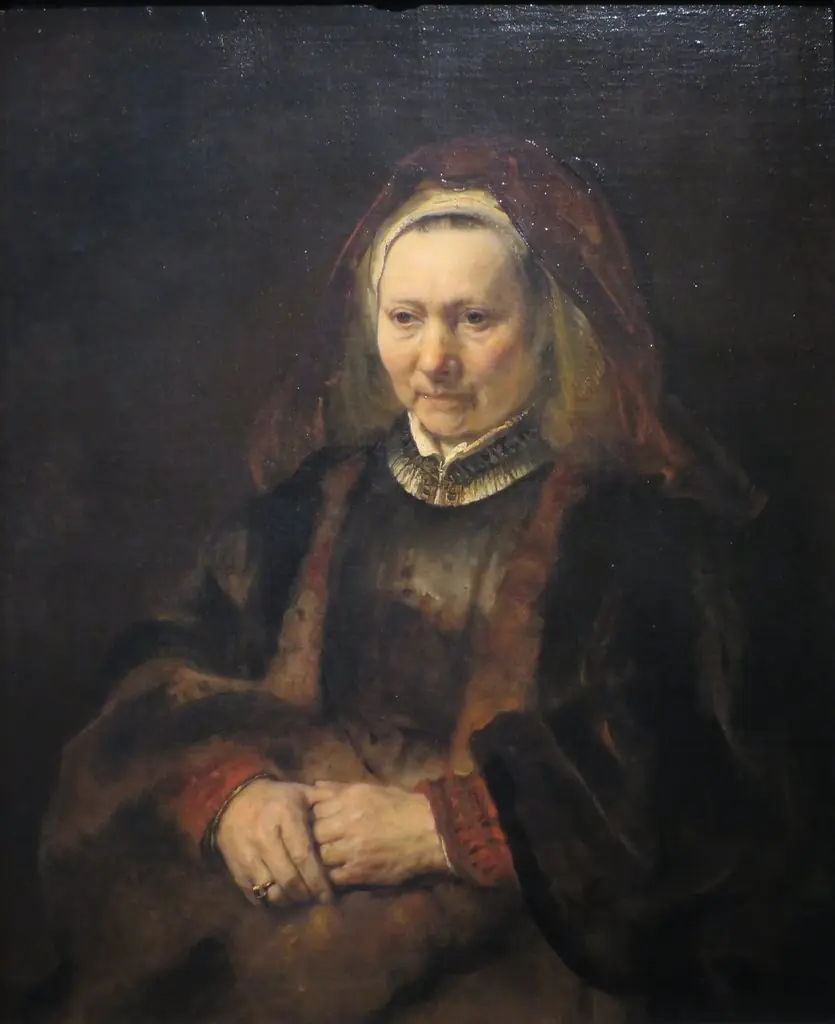 Portrait of an Old Woman in a Fur Robe
 Portrait of a woman
 Woman with a Pearl Necklace
 Alte Frau mit goldgelbem Kopftuch