Artwork
Portrait of the Munich actor Anton Huck (ca. 1740-1820)
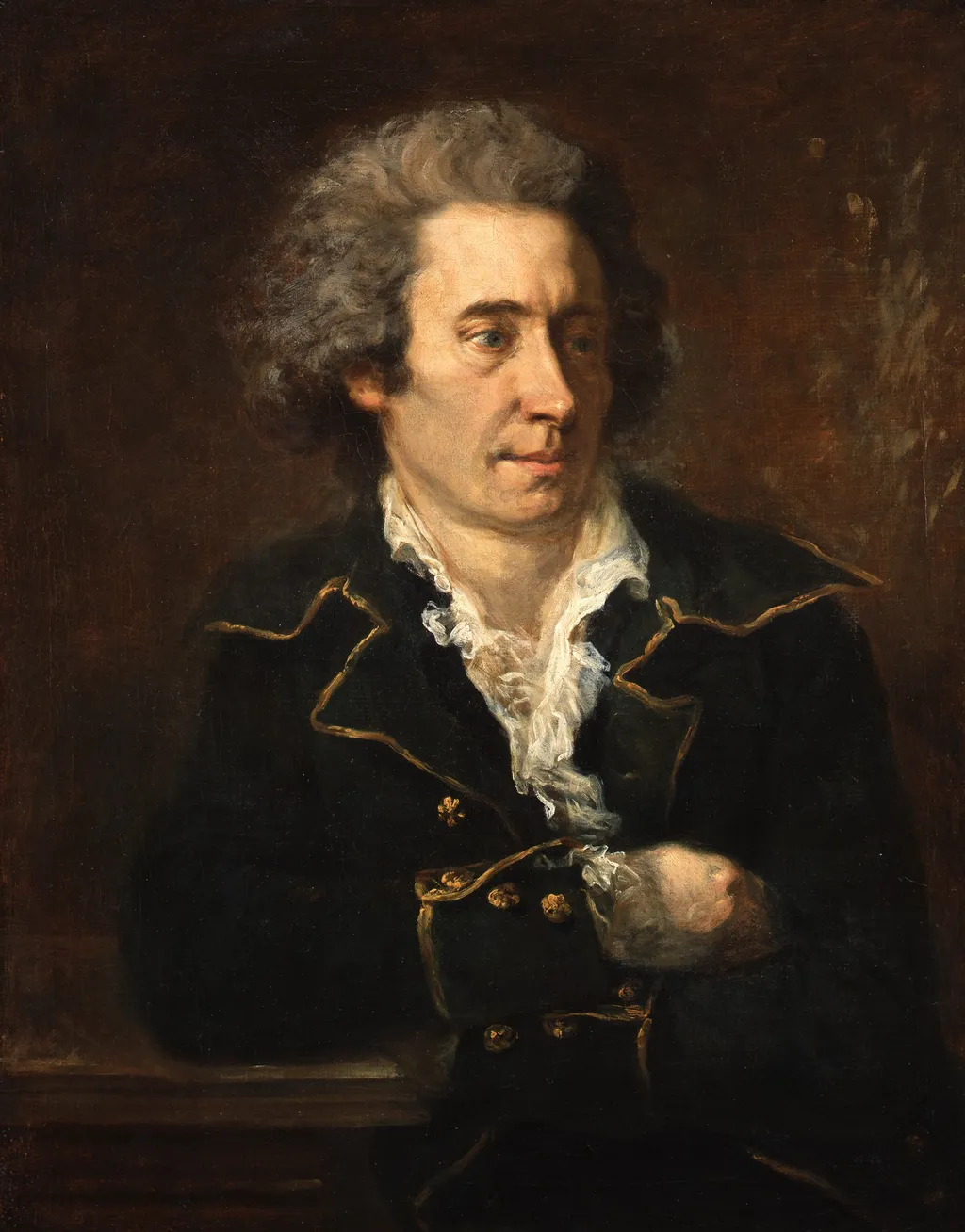
Portrait of the Munich actor Anton Huck (ca. 1740-1820) is an oil painting by the Biedermeier artist Johann Georg Edlinger. It dates from 1796 and is held in the collection of the Gemäldegalerie Berlin. Created in 1796, this oil portrait shows the Munich actor Anton Huck, rendered from the waist up.
About this work
The man's attire and hairstyle are characteristic of the late 18th century, and the painting's style is reminiscent of European portraiture from that era.
The painting depicts a man with curly, dark hair, wearing a black coat with gold trim and a white ruffled shirt. He is shown from the waist up, facing the viewer with a neutral expression. The background is dark, with subtle shading that suggests depth.
The man's attire and hairstyle are characteristic of the late 18th century, and the painting's style is reminiscent of European portraiture from that era. The use of chiaroscuro, a technique that emphasizes contrasts between light and dark, adds depth and dimension to the image.
The painting is a fine example of Johann Georg Edlinger's work, showcasing his skill in capturing the subtleties of human expression and the nuances of light and shadow.
Overview
Created in 1796, this oil portrait shows the Munich actor Anton Huck, rendered from the waist up. The sitter faces the viewer with a composed, neutral expression, his dark, curly hair and white ruffled shirt contrasting with a black coat edged in gold. A dark, subtly modeled background recedes behind him, giving the work a restrained, intimate presence typical of late‑eighteenth‑century portraiture.
Subject & Meaning
Anton Huck, a well‑known stage performer in Munich, is presented in the attire of his profession, suggesting both his public role and personal dignity. The lack of overt theatrical props focuses attention on his character and the actor’s own identity, inviting viewers to consider the individual behind the performance rather than a specific role.
Technique & Style
The painter employs chiaroscuro to model the figure, allowing light to illuminate the face and clothing while the surrounding darkness recedes. Fine brushwork captures the texture of the gold trim and the softness of the ruffled shirt. The handling of light and shadow reflects the lingering influence of Rembrandt on the artist’s approach to volume and atmosphere.
History & Provenance
Johann Georg Edlinger, an Austrian portraitist who served as court painter in Munich, executed the work during his tenure there. After remaining in private hands for some time, the painting entered the collection of the Gemäldegalerie in Berlin, where it is currently displayed as part of the museum’s holdings of Biedermeier‑era portraiture.
Context
The portrait belongs to the Biedermeier period, a time when middle‑class patrons favored realistic, modest depictions of individuals. Edlinger’s training under the French‑born court painter Desmarées equipped him with a blend of Central European and French portrait conventions, which he applied to local figures such as Huck, thereby documenting the cultural milieu of late‑18th‑century Munich.
Own this work as a print
Artist & collection
Artist
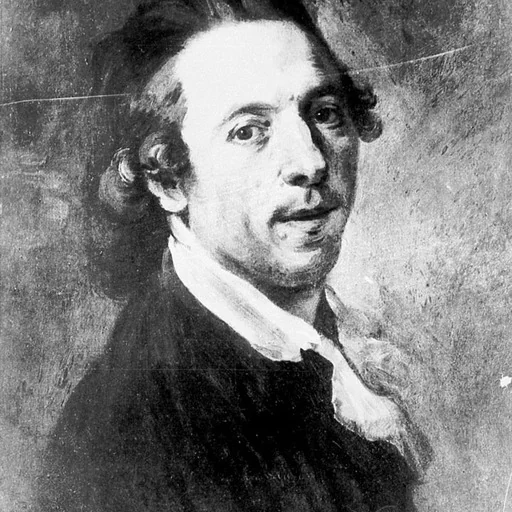
Johann Georg Edlinger (1 March 1741 – 15 September 1819) was an Austrian portrait painter.

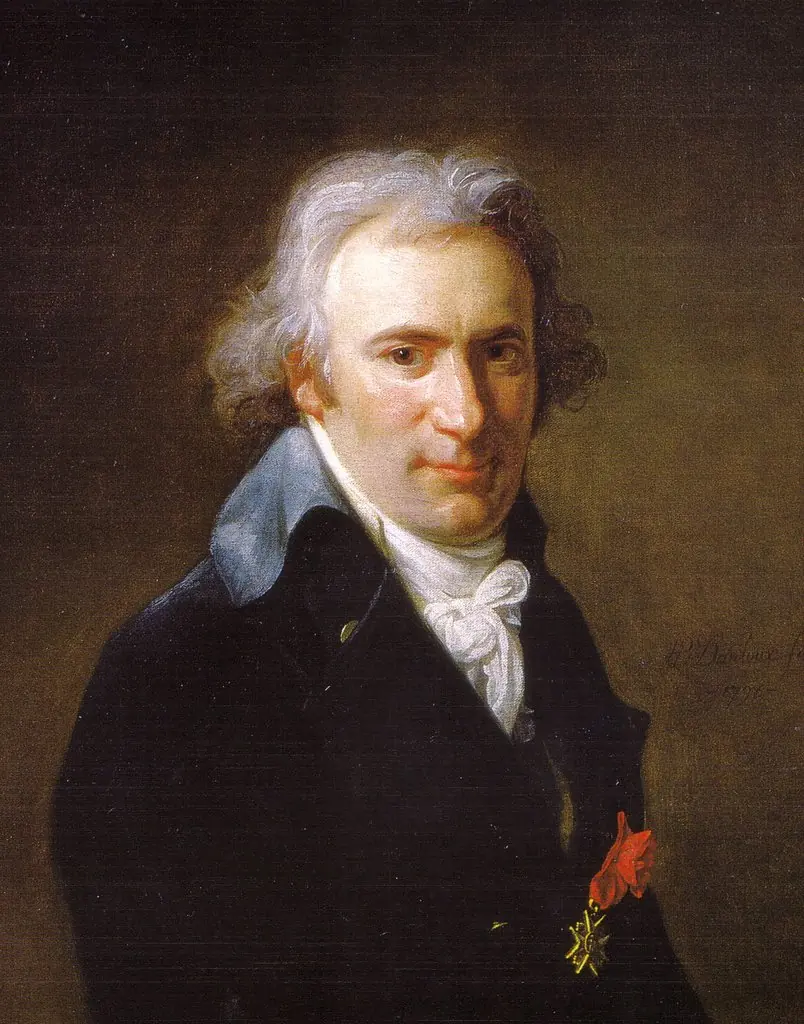 Jean-Baptiste Canthaney, known as Cléry, valet de chambre to Louis XVI (1759-1809)
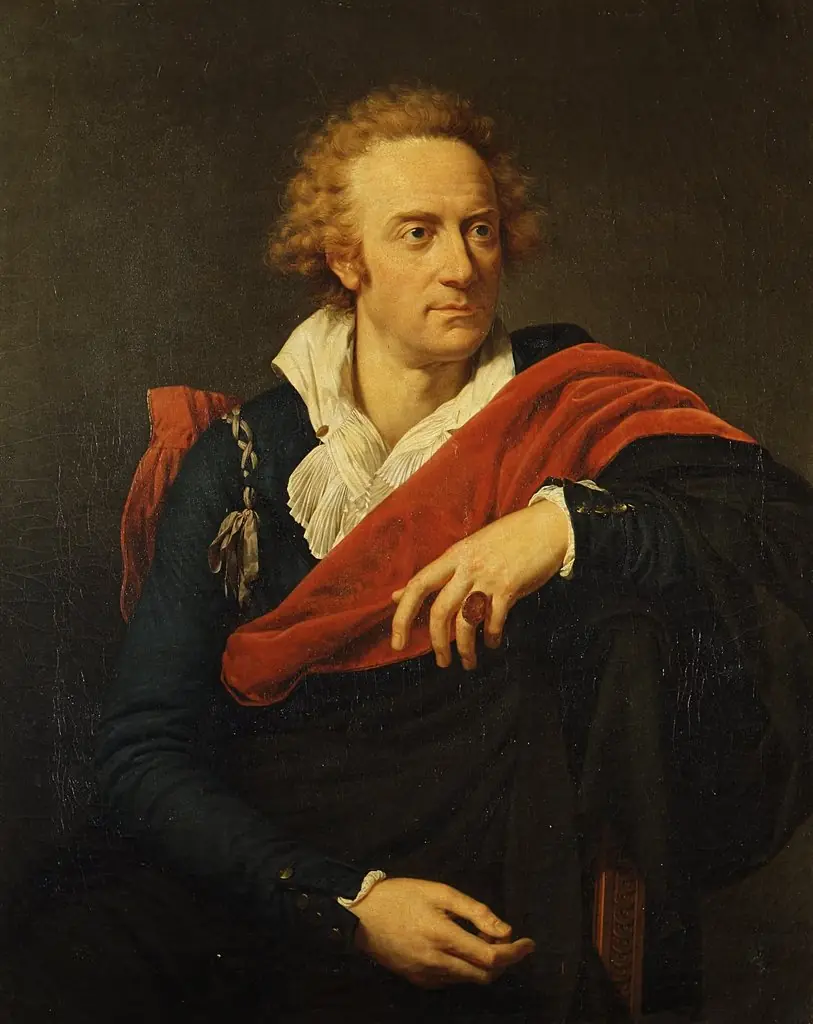 Portrait of Vittorio Alfieri
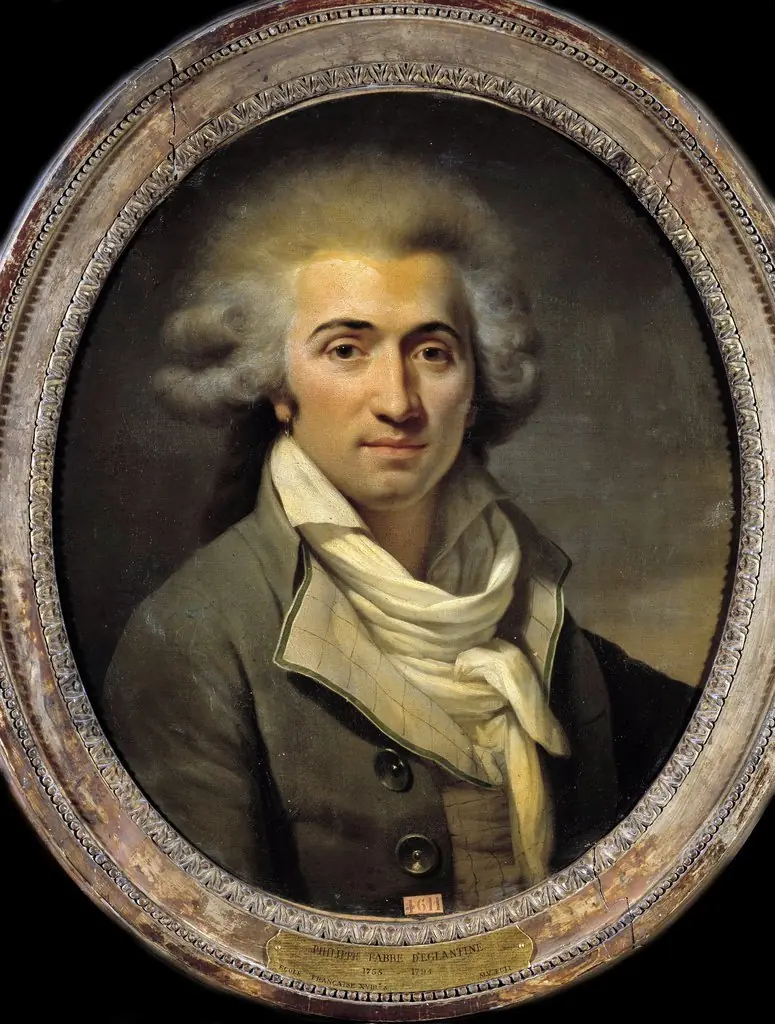 Philippe François Nazaire Fabre named 'Eglantine' (1750-1794)
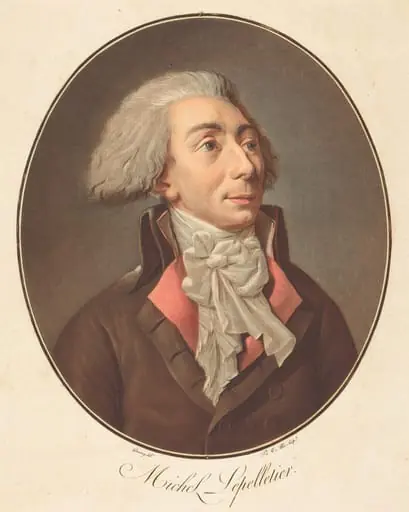 Michel Lepelletier
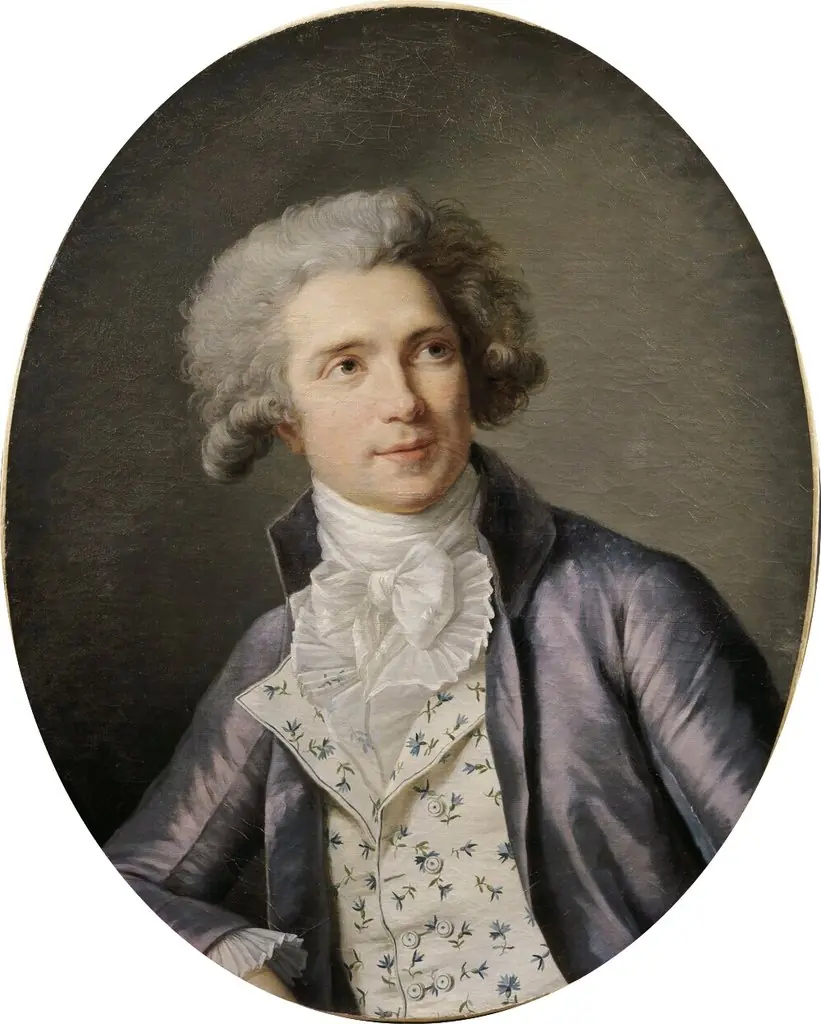 Portrait of François-Guillaume Ménageot
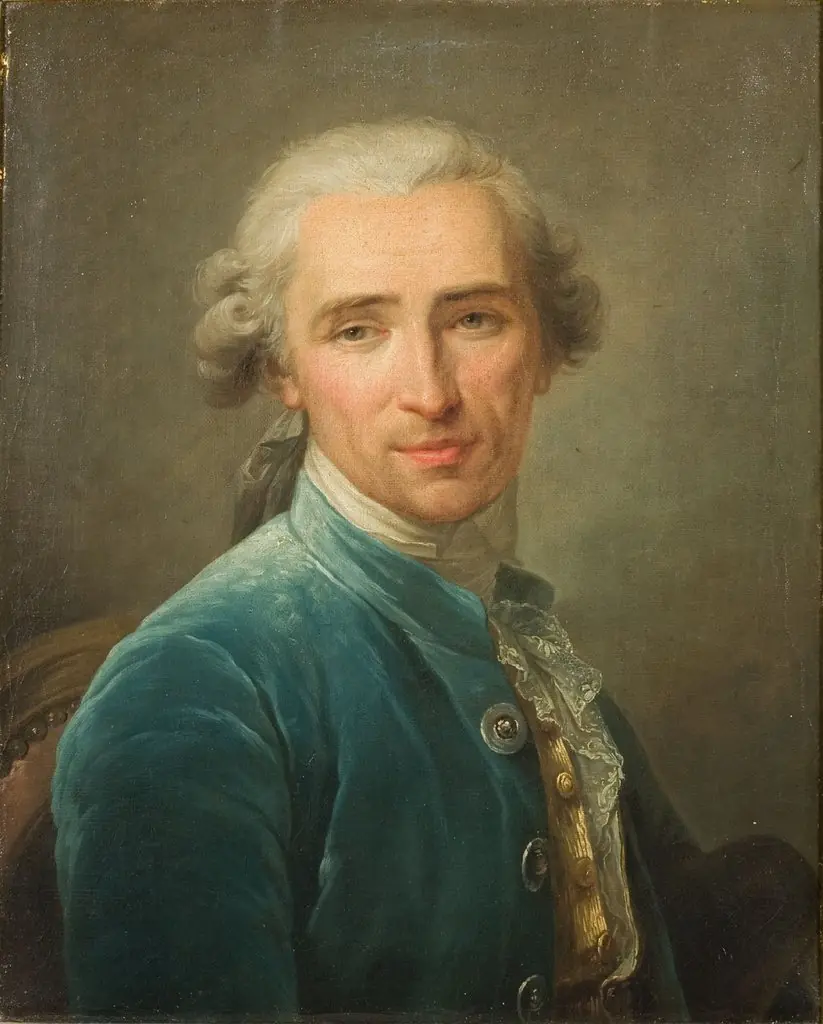 Portrait de Joseph Benoît Suvée
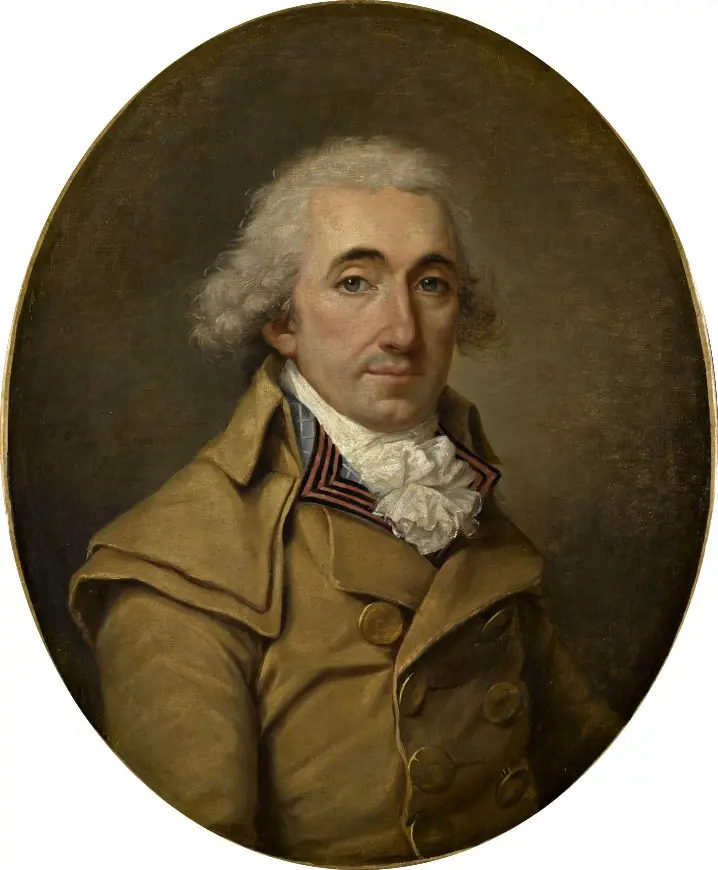 Charles-Antoine d'Artenay
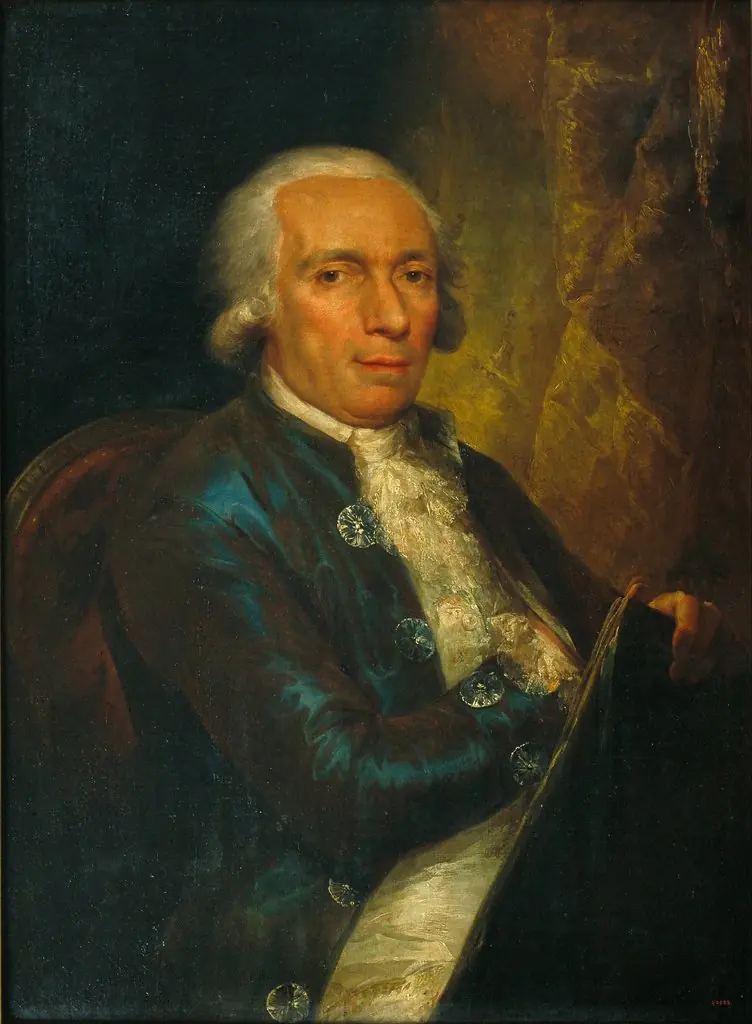 Portrait of the Engraver Pasqual Pere Moles, first director of the Escola de Llotja
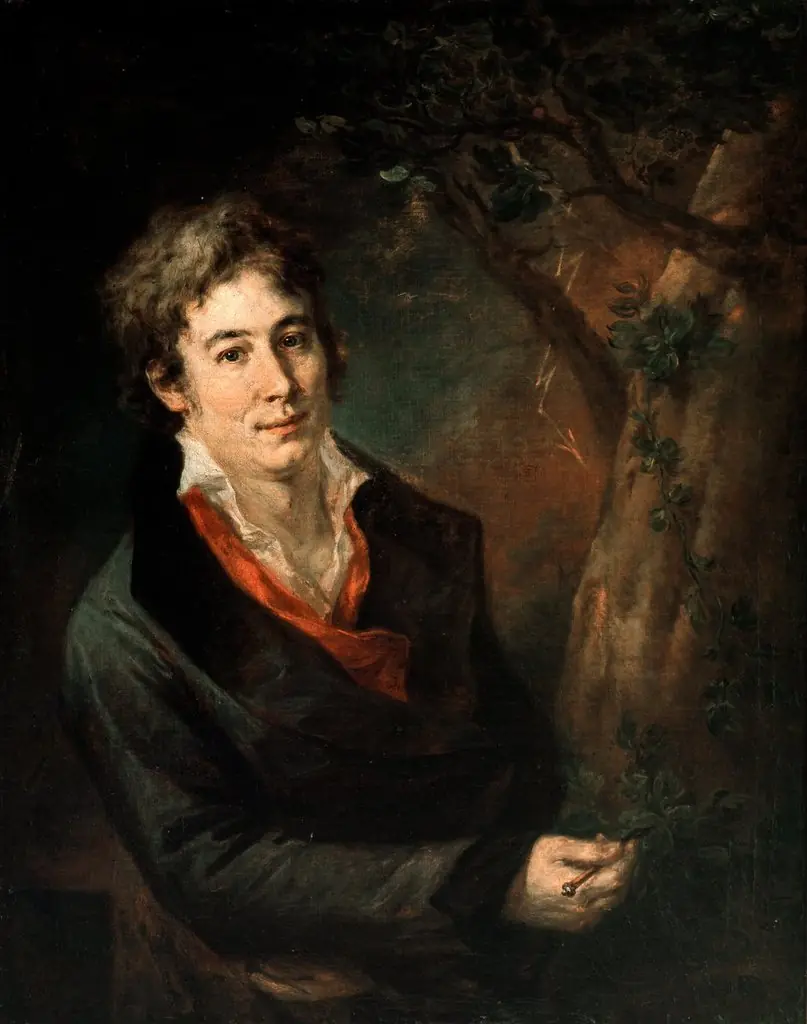 Portrait of Ugo Foscolo, italian poet (1778-1827)
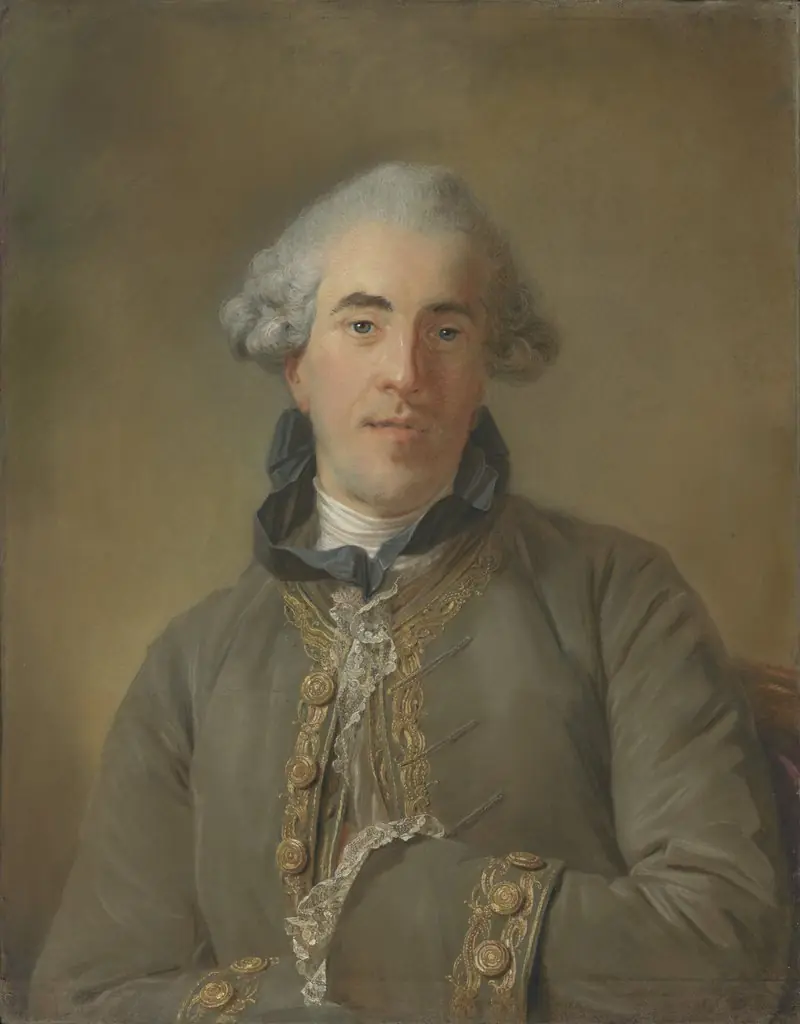 Portrait of Théophile Van Robais