Artwork
Gustaf Abraham Piper (1692-1761), generalmajor, landshövding i Österbotten, g.m. 1. Eleonora Gustaviana Tungel, 2. friherrinnan Märta Christina Margareta Sture
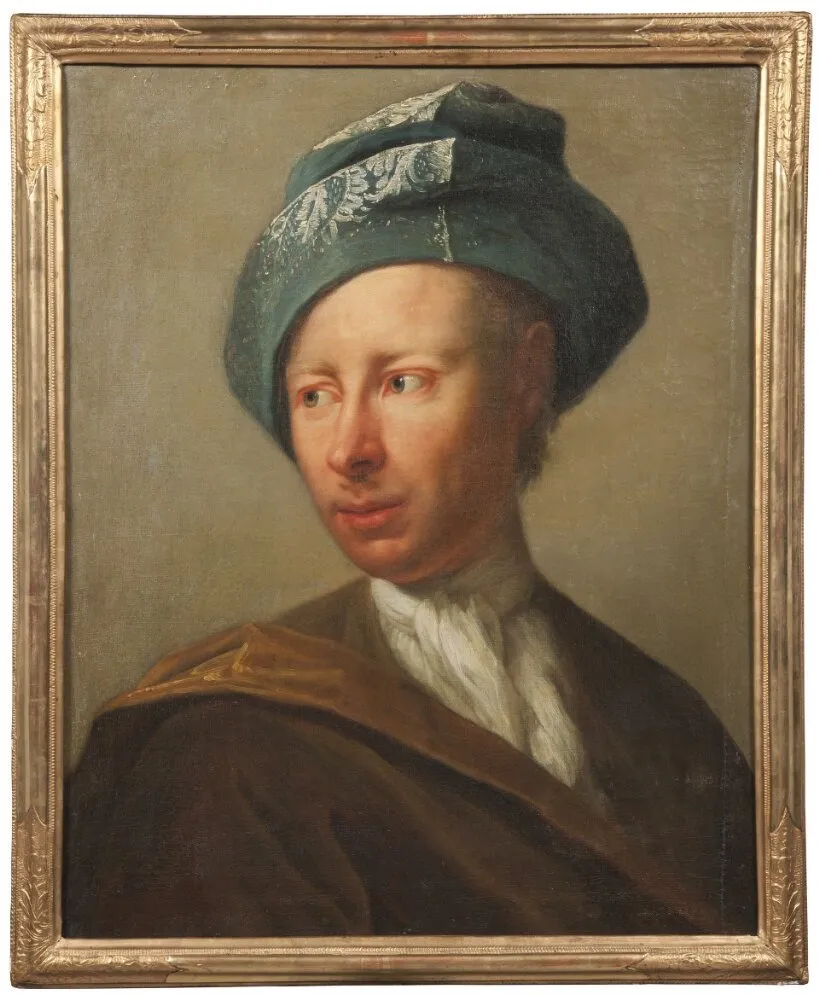
Gustaf Abraham Piper (1692-1761), generalmajor, landshövding i Österbotten, g.m. 1. Eleonora Gustaviana Tungel, 2. friherrinnan Märta Christina Margareta Sture is an oil painting by the Rococo painting artist Johann Gottfried Tannauer. It dates from 1716 and is held in the collection of the Nationalmuseum.
About this work
He wears a blue hat adorned with a white pattern, a brown robe over a white shirt, and a brown cape draped over his shoulder.
This portrait features a man with a serious expression, gazing to the left. He wears a blue hat adorned with a white pattern, a brown robe over a white shirt, and a brown cape draped over his shoulder. The background is a muted brown color.
The subject's attire suggests a formal or official setting, possibly from the 18th century. The artist's use of oil paint and the style of the portrait evoke a sense of realism and attention to detail.
To learn more about the artist behind this work, look up Johann Gottfried Tannauer.
Overview
The oil painting presents Gustaf Abraham Piper, a Swedish generalmajor and later governor of Österbotten, rendered by the German artist Johann Gottfried Tannauer around 1716. Executed in the early Rococo period, the work is part of the Nationalmuseum’s collection and exemplifies the formal portraiture typical of early eighteenth‑century European courts.
Subject & Meaning
Piper is shown with a composed, forward‑looking gaze, his expression conveying the gravitas of a senior military officer. His attire—a blue hat with white detailing, a brown over‑robe, and a draped cape—signals official rank and the ceremonial dress of a high‑ranking officer in the Swedish army of the era.
Technique & Style
Tannauer employed oil on canvas to achieve a smooth, lifelike surface, emphasizing fine details in fabric and facial features. The palette of muted browns and blues, together with subtle chiaroscuro, reflects the Rococo’s move toward refined realism while retaining a restrained elegance appropriate to a portrait of authority.
History & Provenance
The portrait was likely commissioned shortly after Piper’s promotion to generalmajor, aligning with Tannauer’s activity in Russia following his 1711 relocation. It entered the Nationalmuseum’s holdings in the twentieth century, where it remains a documented example of cross‑national artistic exchange between Sweden and the German‑Russian diaspora.
Context
During the early 1700s, Swedish military leaders often sought portraiture to affirm status and loyalty to the crown. Tannauer, known for his work among Russian aristocracy, brought a continental sensibility to such commissions, blending German portrait traditions with the decorative tendencies emerging in Northern Europe.
Artist & collection
Artist
Johann Gottfried Tannauer, or Dannhauer (1680–1733–37) was a German painter, portraitist and miniaturist who worked in Russia after 1711.

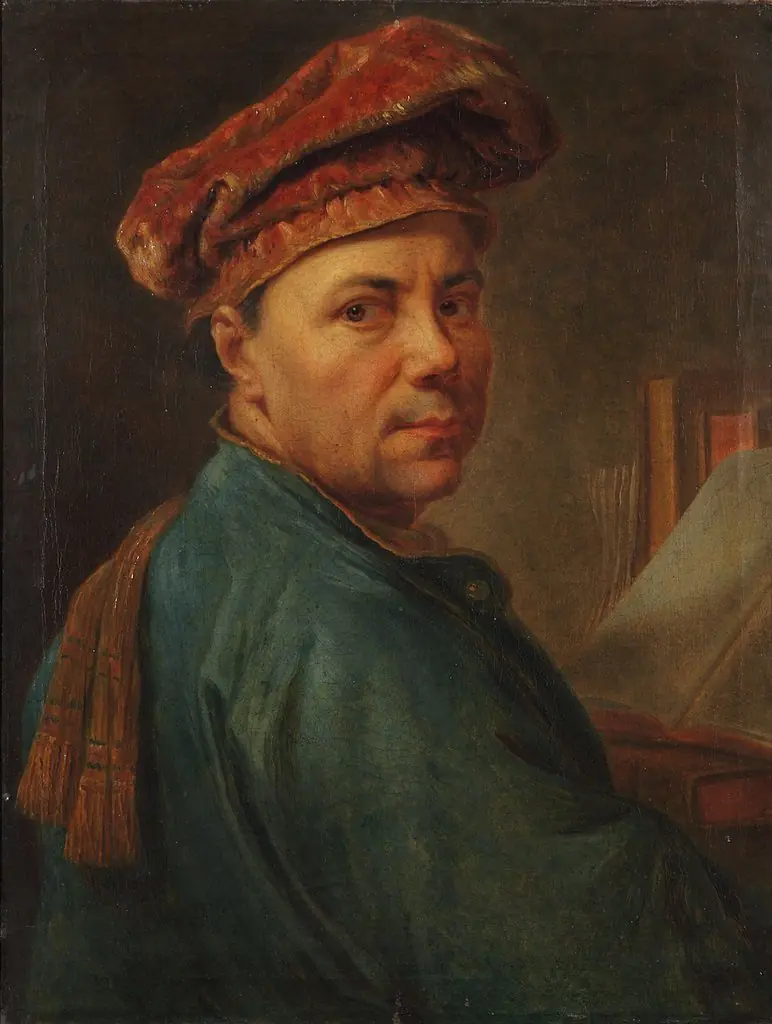 Self-Portrait
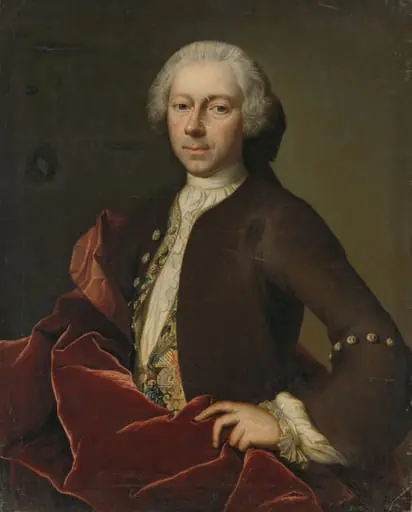 Portrait of Pieter Parker, Alderman, Burgomaster and Councilor of Goes
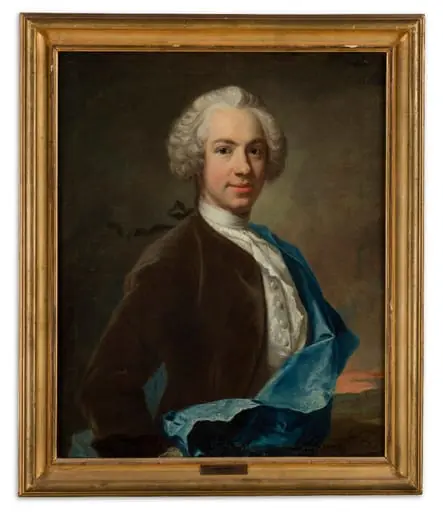 Kanslianeuvos Carl Fredrik Eckleff
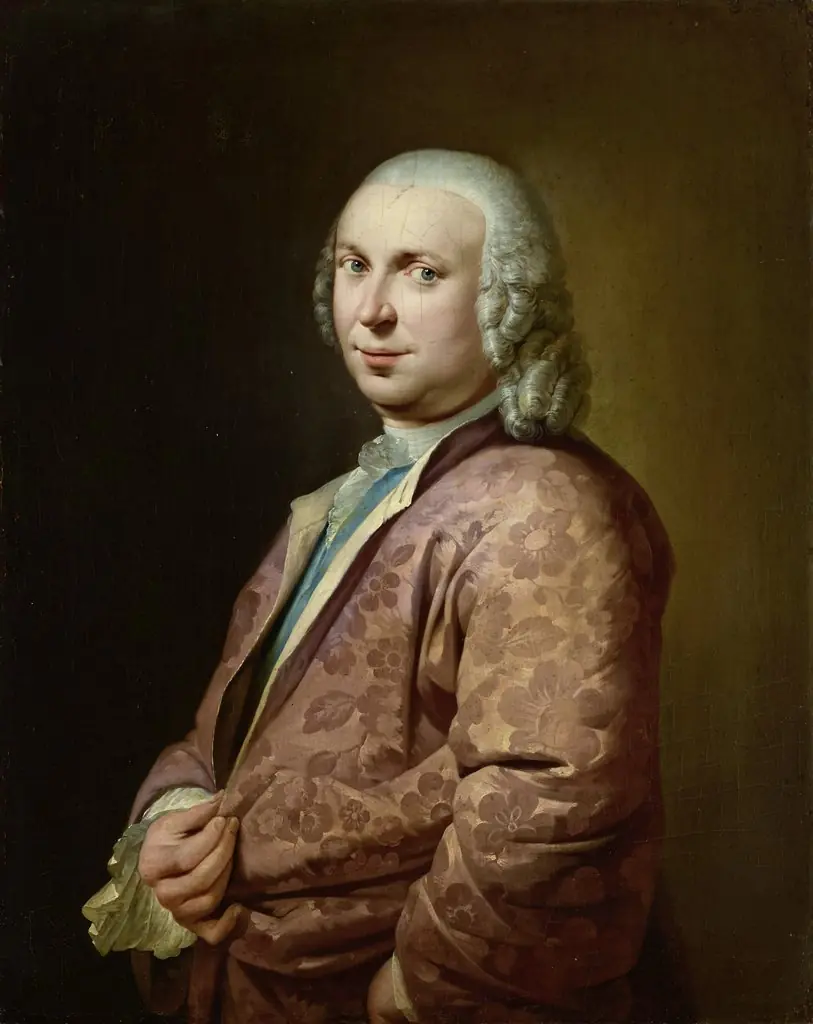 Portrait of a Man
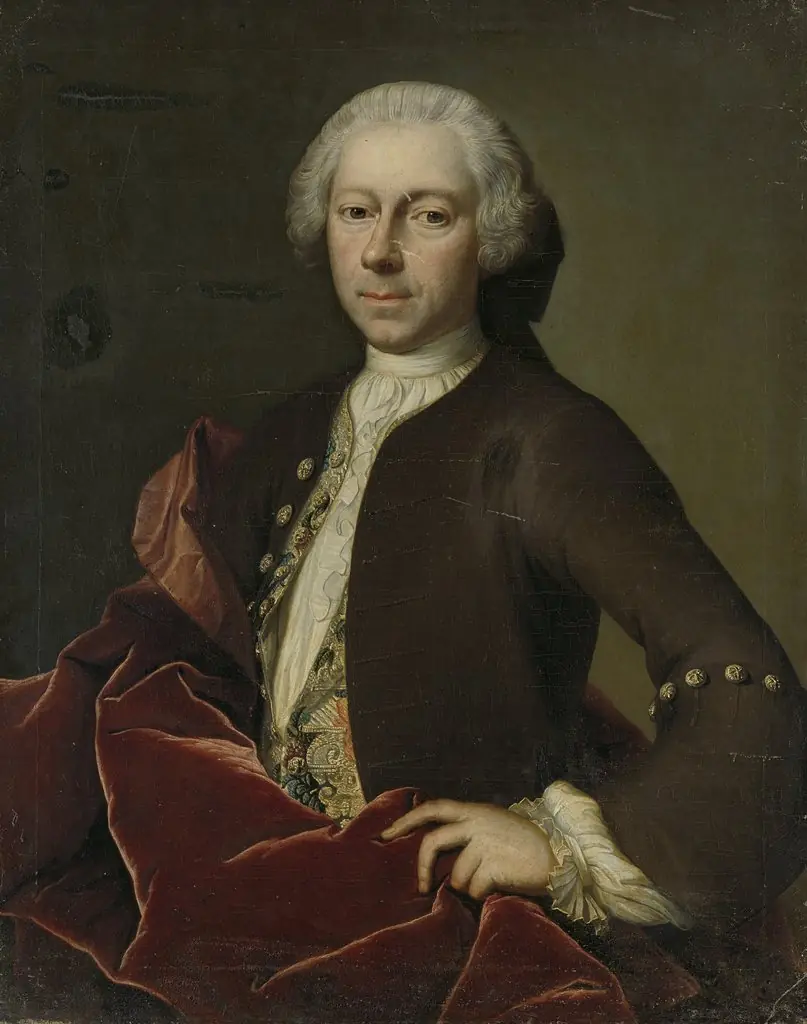 Portrait of Pieter Parker, Alderman, Burgomaster and Councilor of Goes
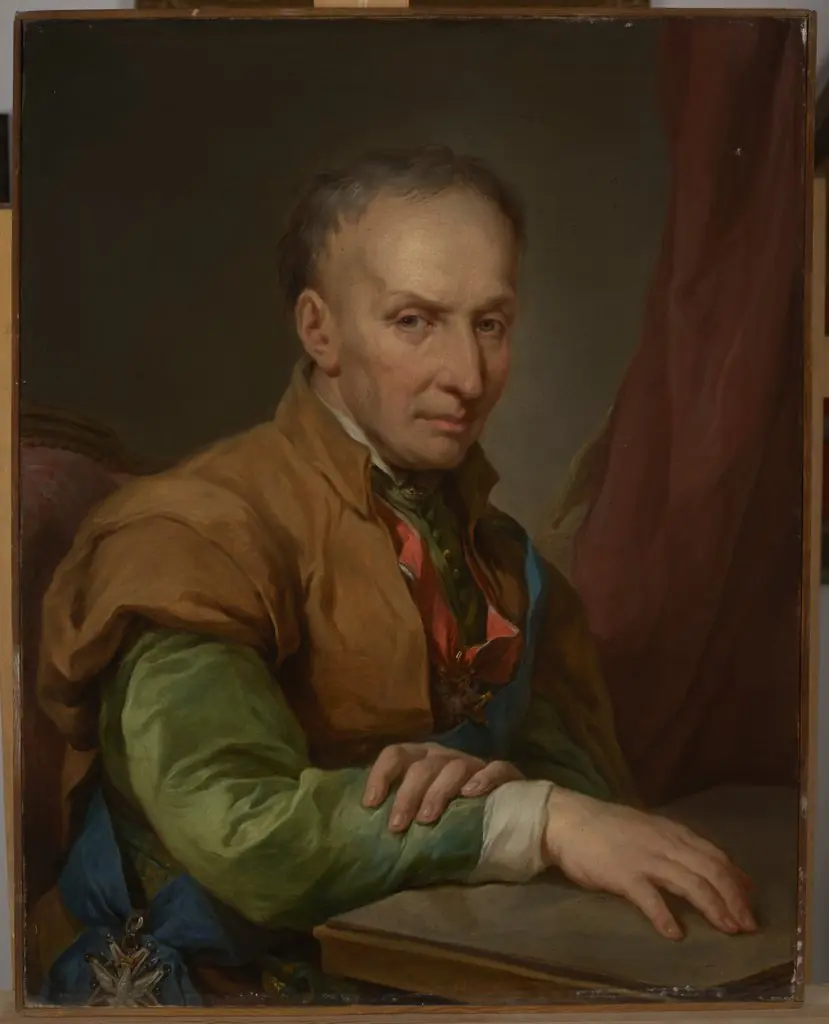 Portrait of Walenty Sobolewski (1724–1800) or Maciej Leon Sobolewski (1724–1804)
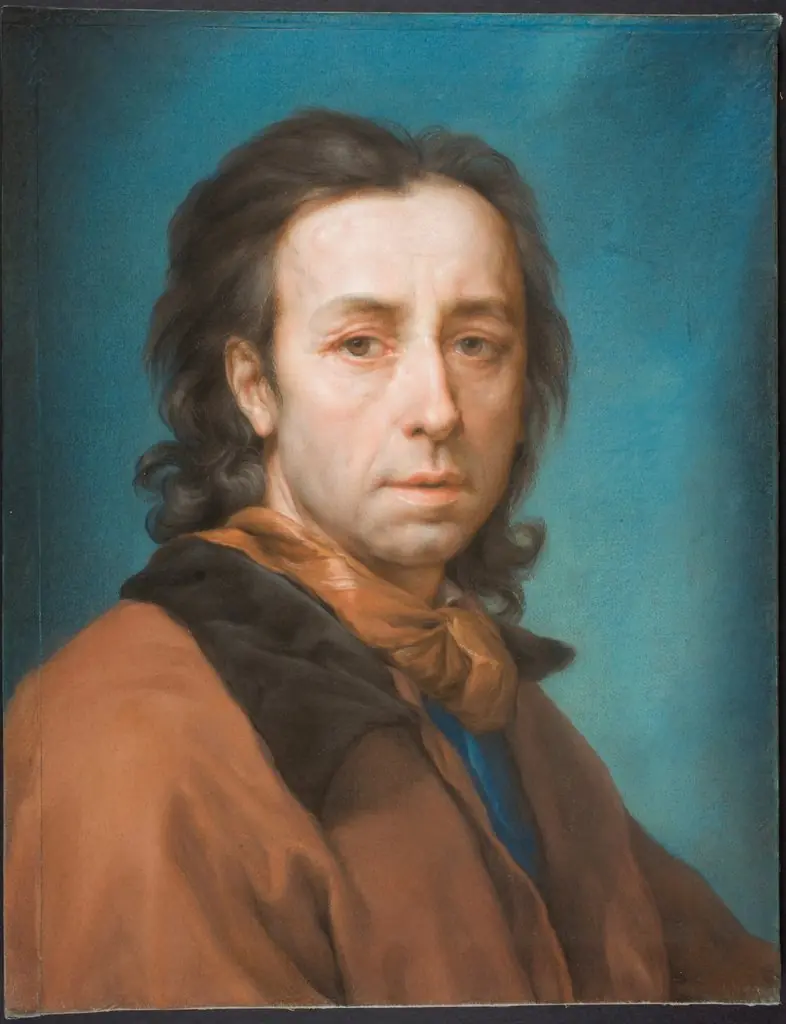 Anton Rafael Mengs, padre de la artista
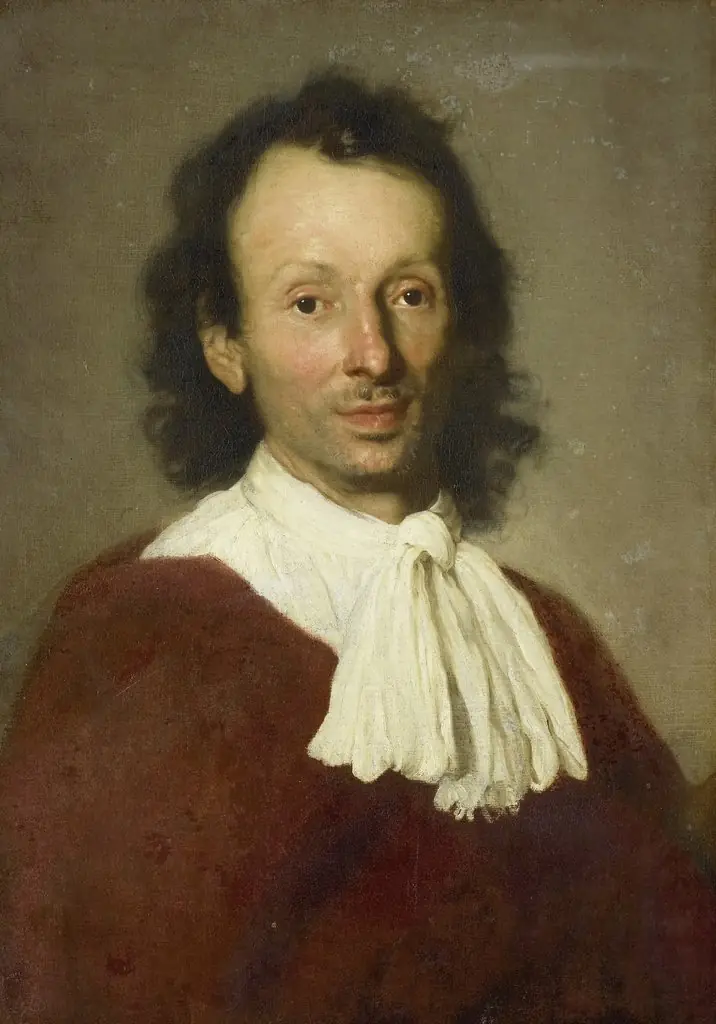 Portrait of a Man
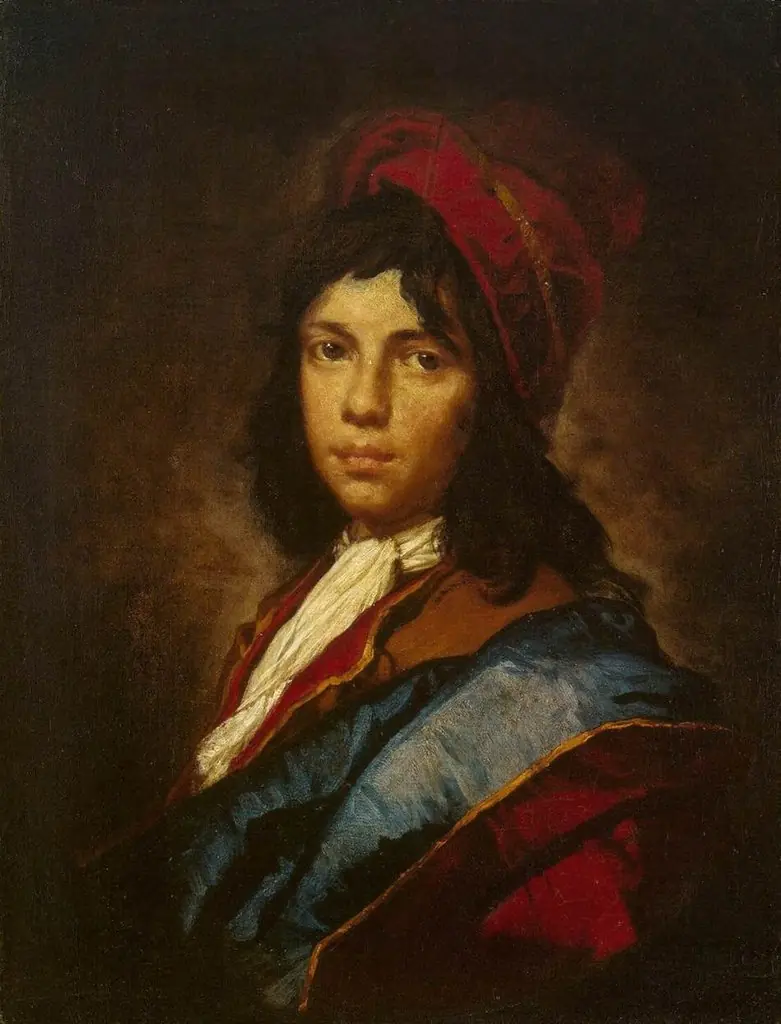 Portrait of a Boy
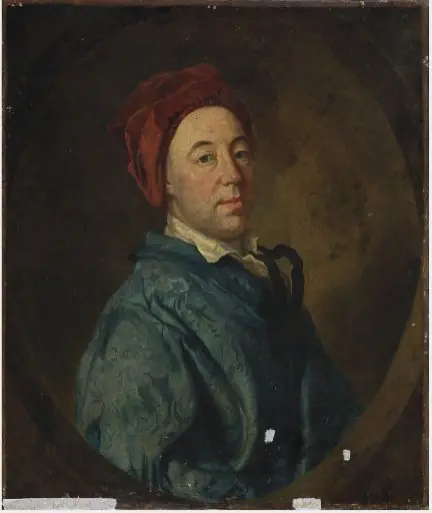 Self-Portrait
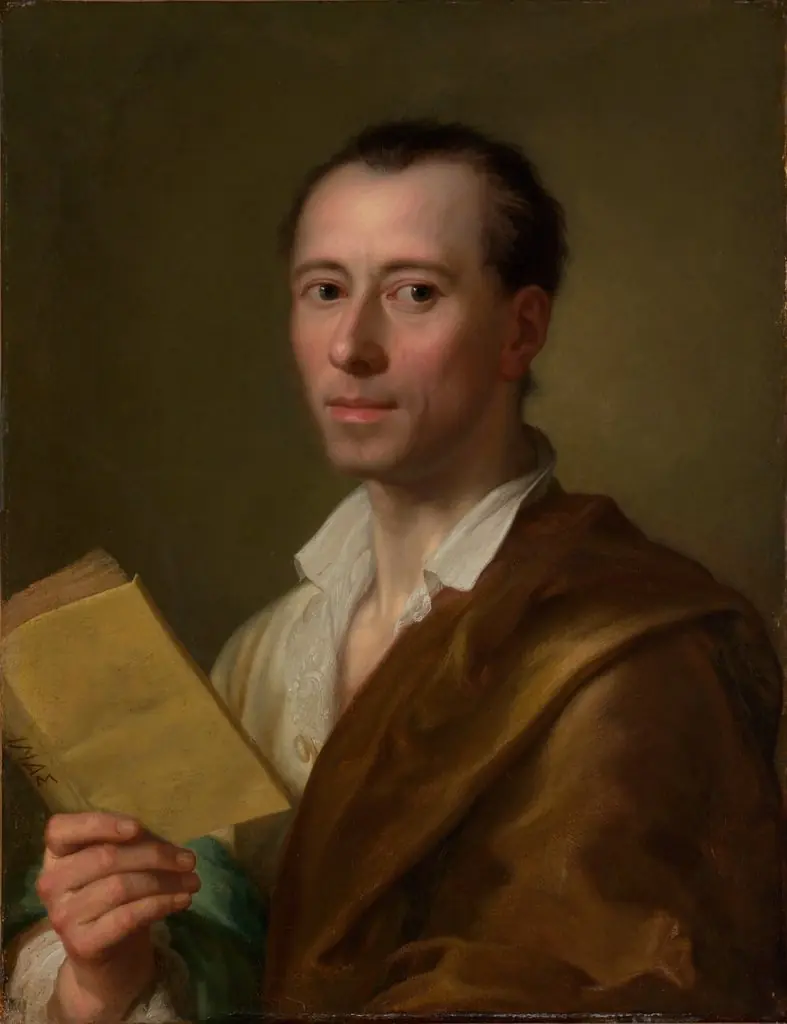 Portrait of Johann Joachim Winckelmann (1717–1768)
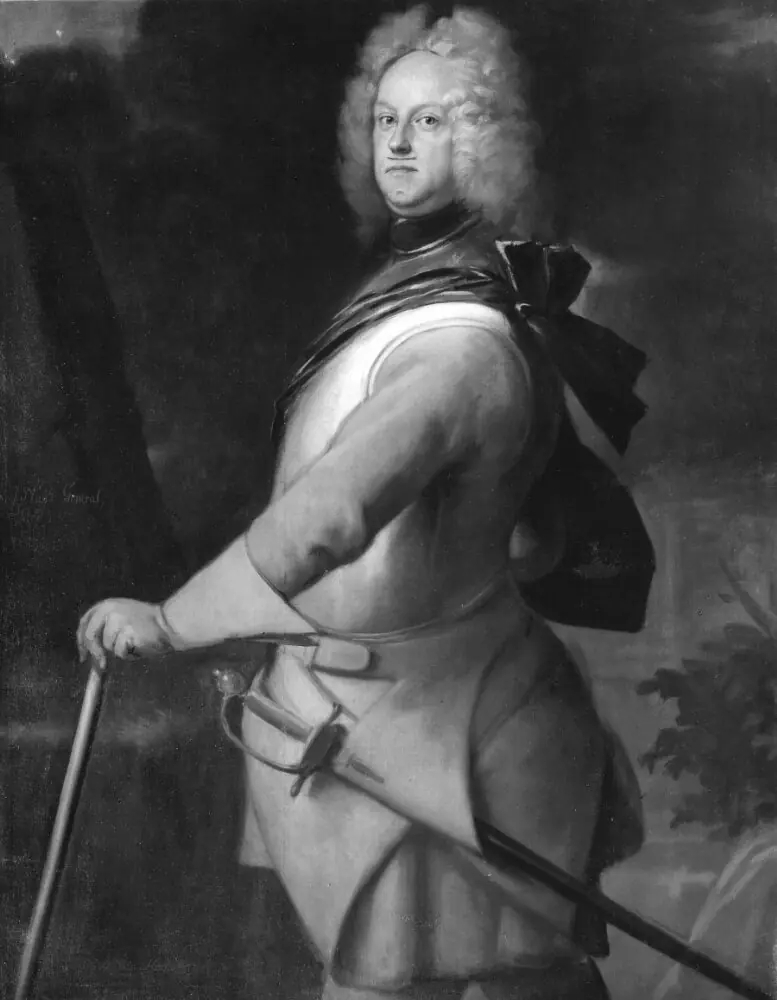 Carl Gustaf Hård (1674-1744), greve, riksråd, general