Artwork
A Sibyl

A Sibyl is an oil painting by Johann Murrer. It dates from 1661 and is held in the collection of the Statens Museum for Kunst.
About this work
Overview
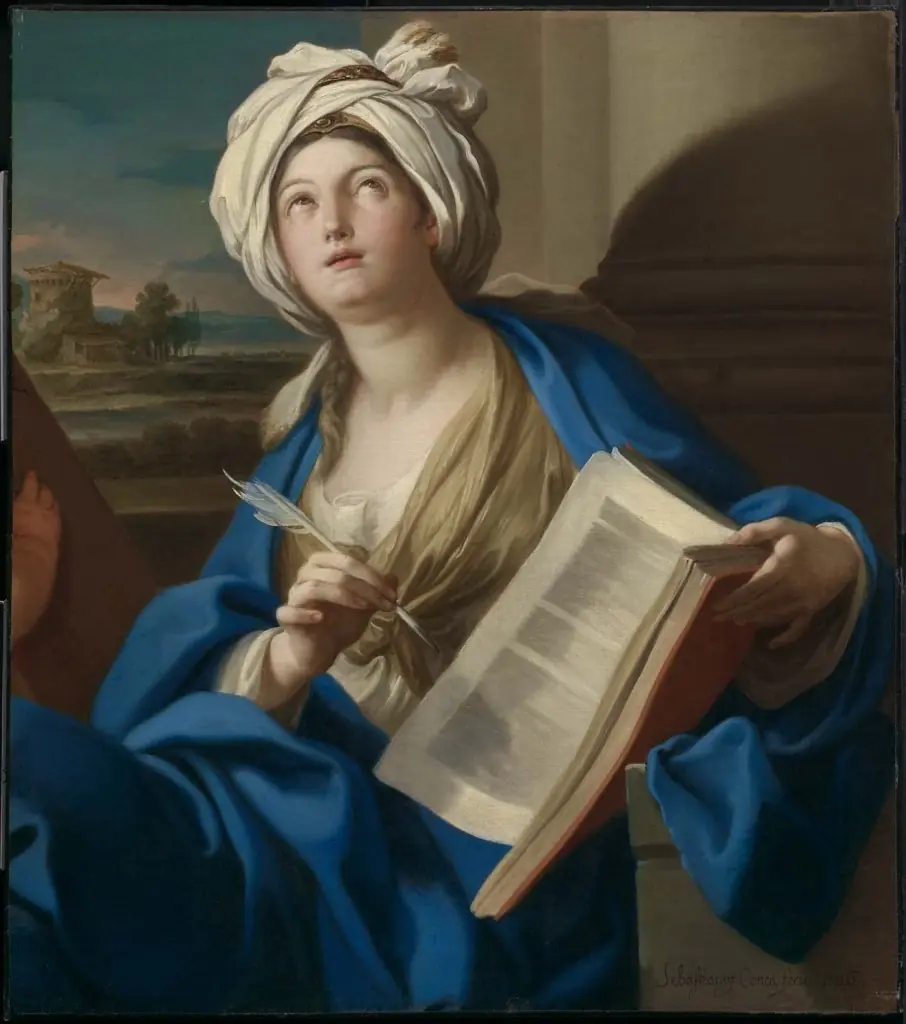
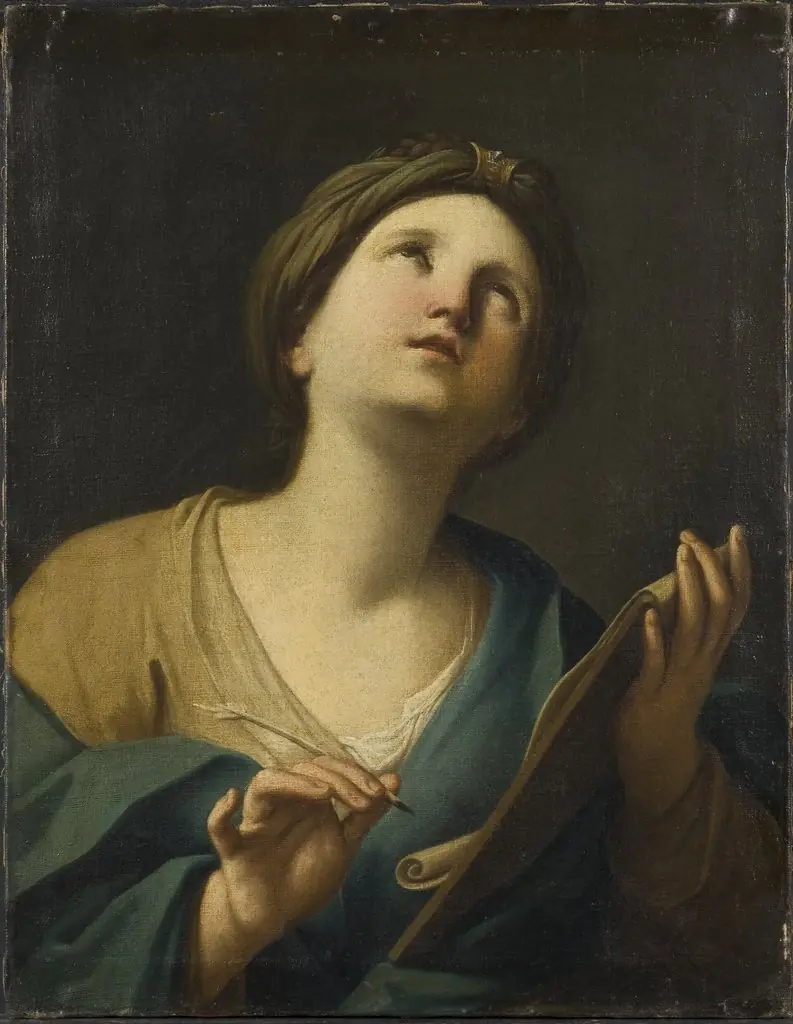
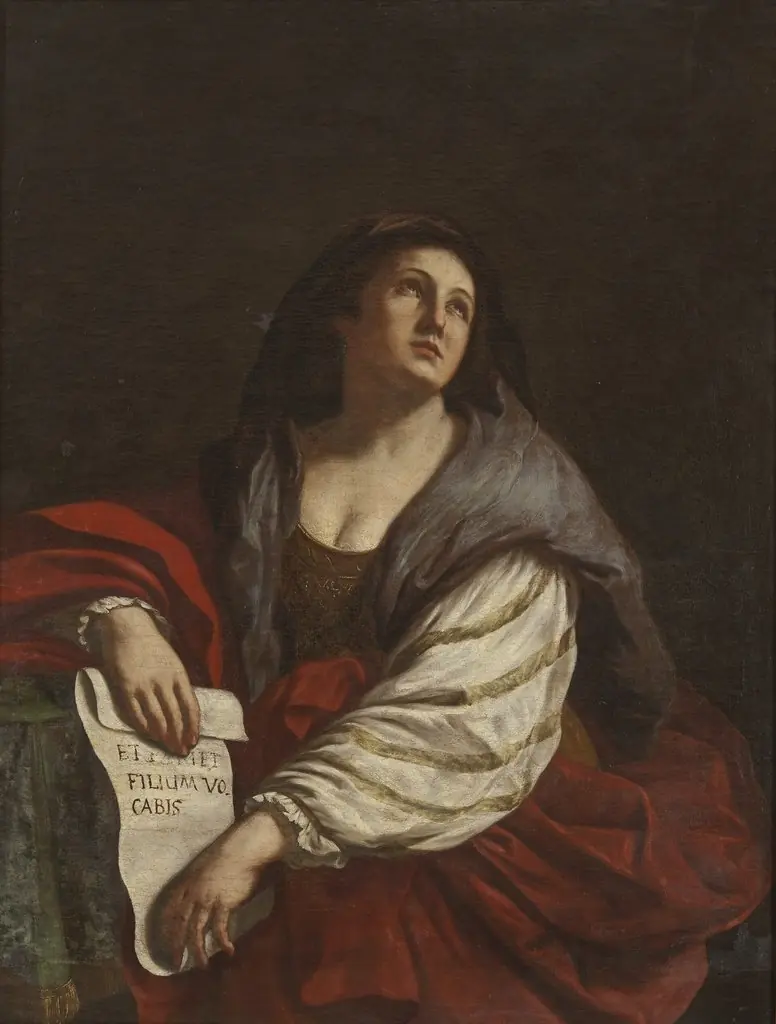
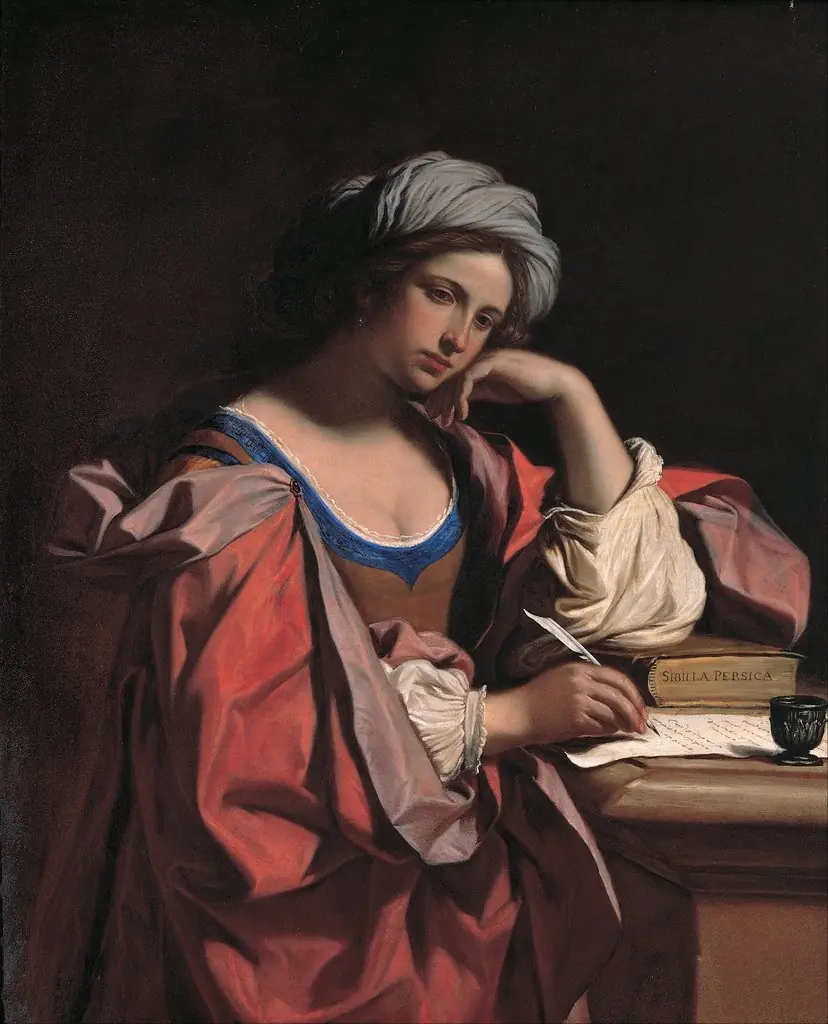
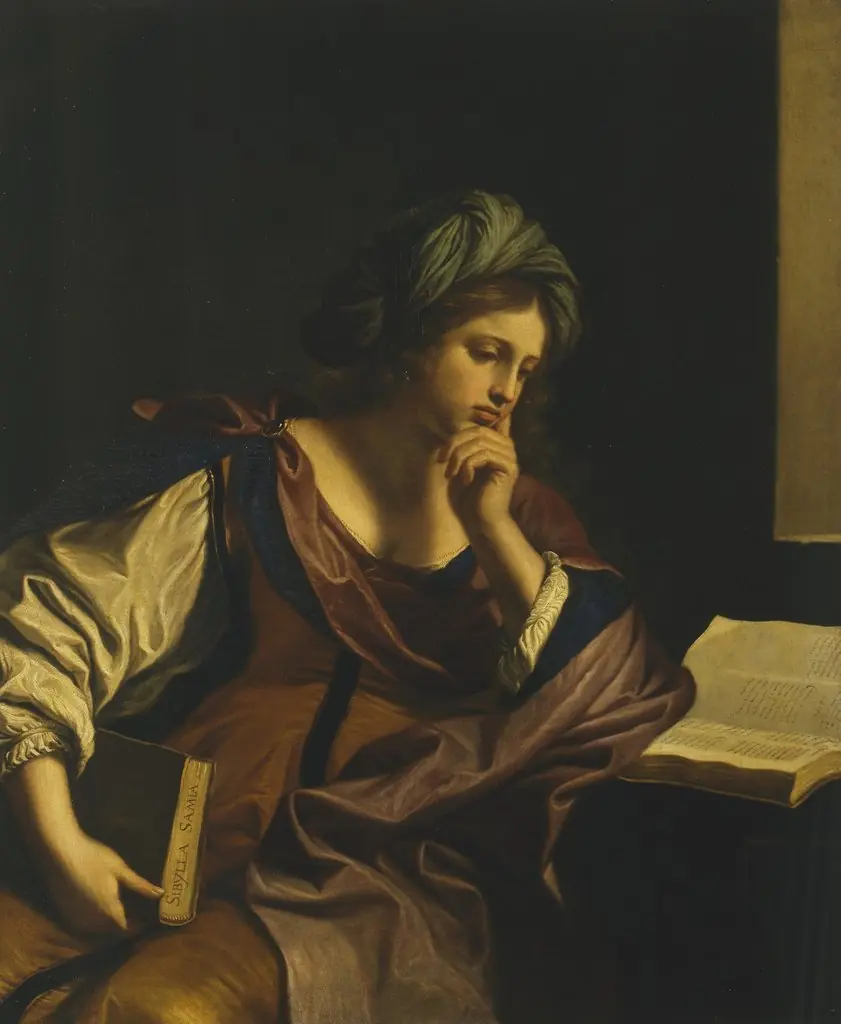
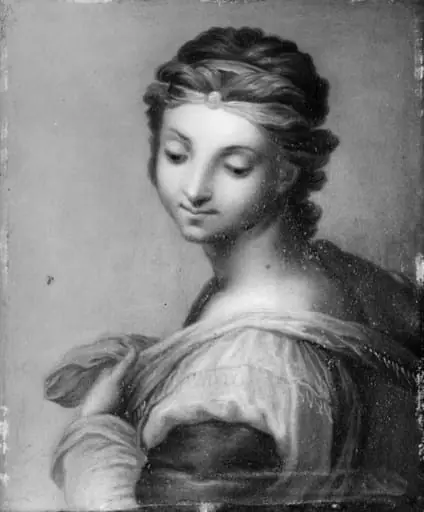
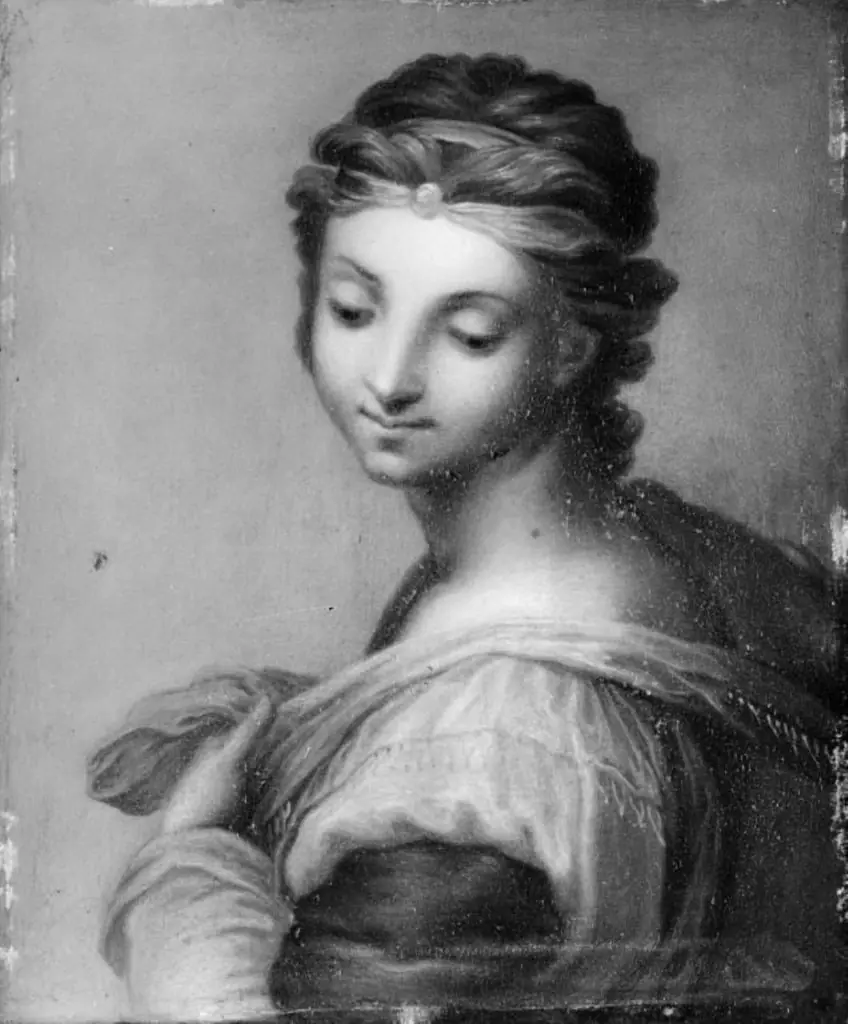
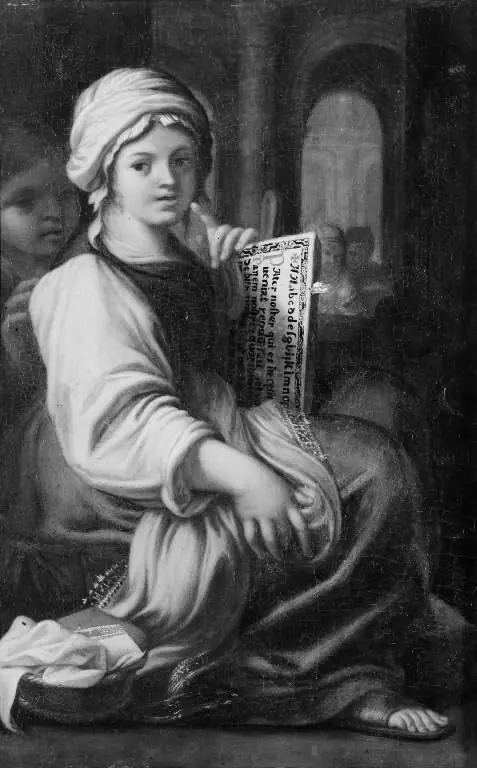
Painted in 1661 by Johann Murrer, this oil on canvas work portrays a contemplative female figure identified as a sibyl. It resides in the collection of Statens Museum for Kunst in Copenhagen. The composition emphasizes stillness and introspection, with the figure set against a deep, unmodulated background that isolates her form and draws attention to her expression and gesture.
Subject & Meaning
The figure is likely a sibyl, a prophetic woman from classical antiquity often associated with divine revelation.
The figure is likely a sibyl, a prophetic woman from classical antiquity often associated with divine revelation. Her serene demeanor and the closed book suggest quiet authority rather than active prophecy. The absence of overt religious symbols distinguishes her from typical saintly depictions, aligning her more closely with ancient oracular traditions, where wisdom was internalized rather than proclaimed.
Technique & Style
Murrer employs chiaroscuro to model the figure’s face and hands, using subtle gradations of light to evoke volume and presence. The dark, flat background enhances the luminosity of her skin and the textured leather of the book. Brushwork is restrained, favoring smooth transitions over detail, reinforcing the meditative tone. The closed book implies unspoken knowledge, its physicality rendered with quiet precision.
History & Provenance
The painting entered the collection of Statens Museum for Kunst in the 19th century, though its earlier ownership remains undocumented. It has been consistently attributed to Johann Murrer since at least the 1800s, with no evidence of significant restoration or alteration. Its survival in relatively intact condition reflects careful stewardship within the Danish national collection.
Context
Created during the Danish Golden Age, the work reflects a broader European interest in classical antiquity and mystical figures. While religious themes dominated much of Northern European art, Murrer’s focus on a solitary, non-Christian seer suggests a humanist current—valuing ancient wisdom as a source of moral and intellectual authority independent of institutional religion.
Legacy
Though not widely reproduced, the painting is recognized within Danish art history as an example of Murrer’s restrained, psychologically attuned portraiture. It contributes to the understanding of how classical motifs were adapted in 17th-century Nordic contexts, offering a quiet counterpoint to the more dramatic religious narratives of the era.
Artist & collection