Artwork
The climbing of the Capitol with the gray horse of the newly elected pope
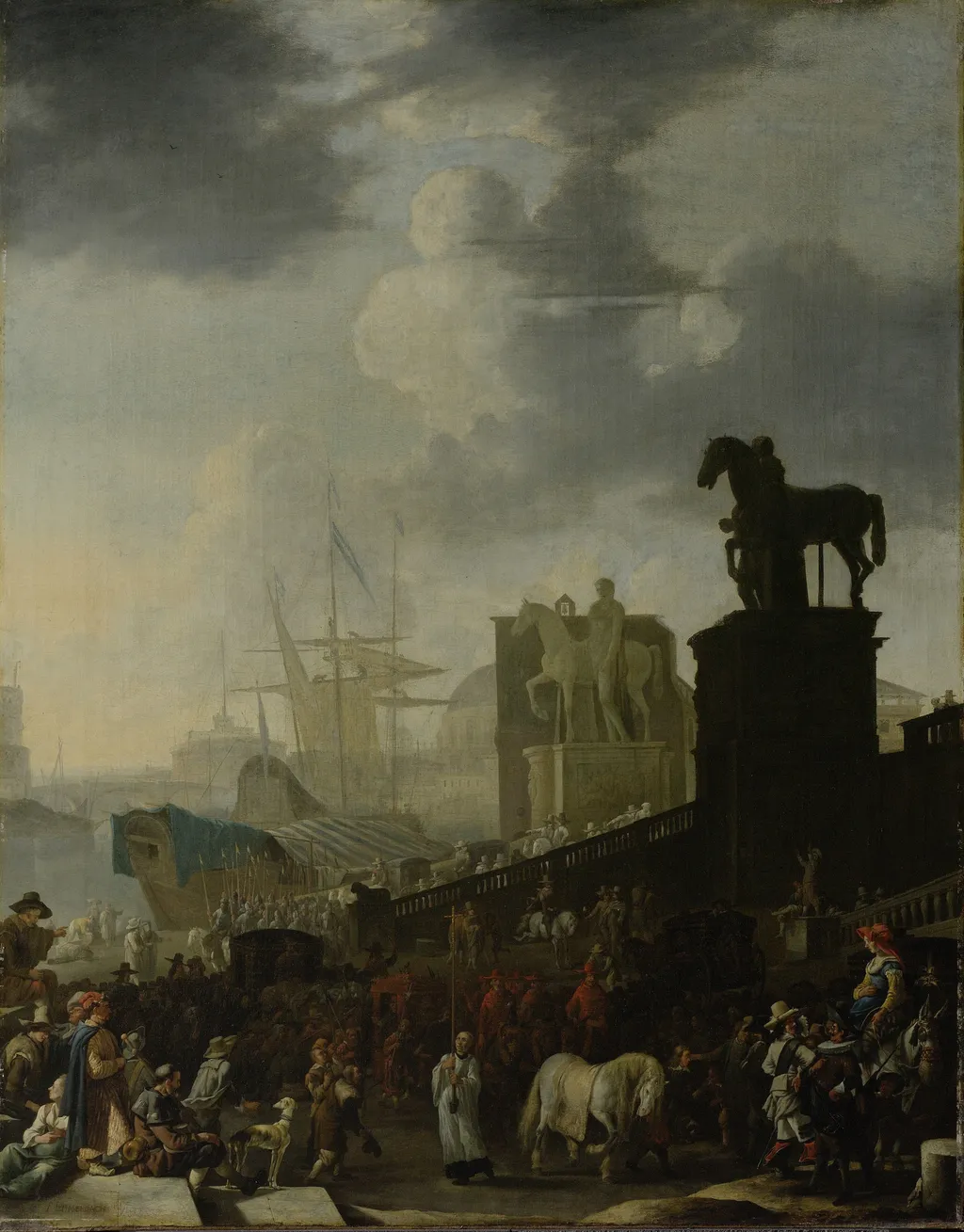
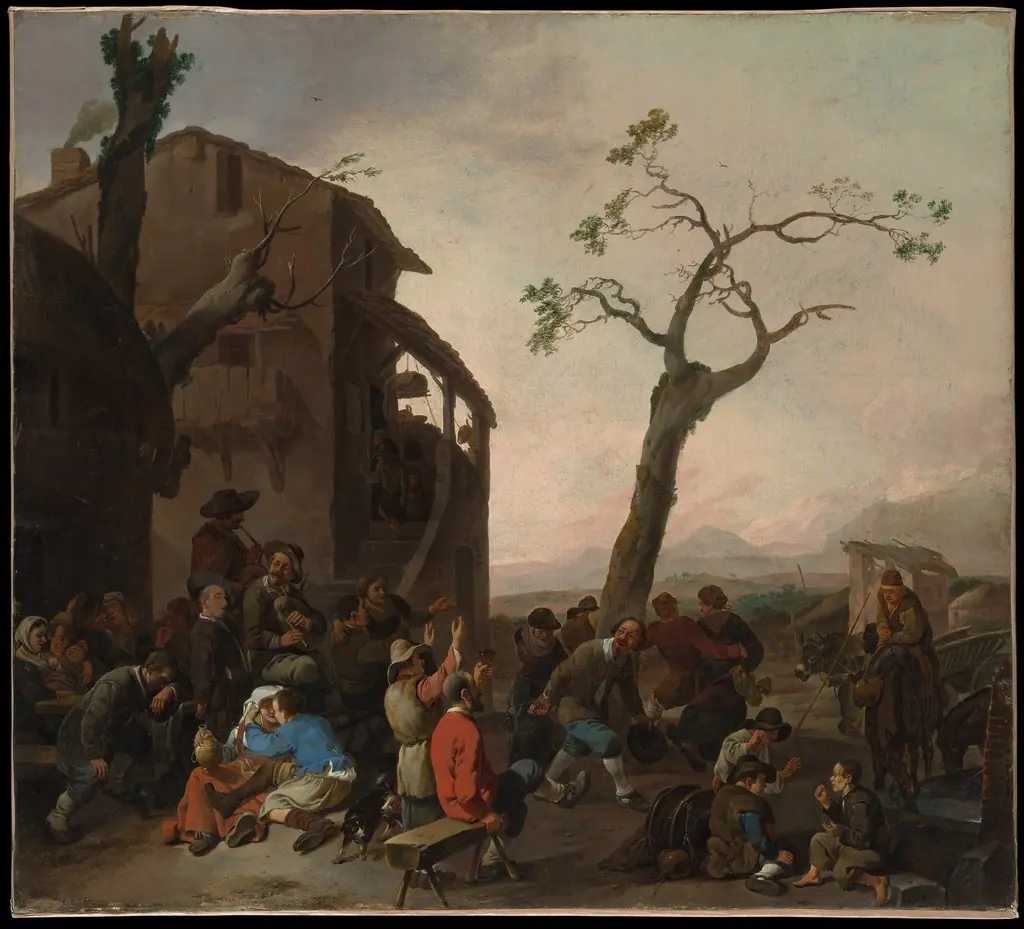
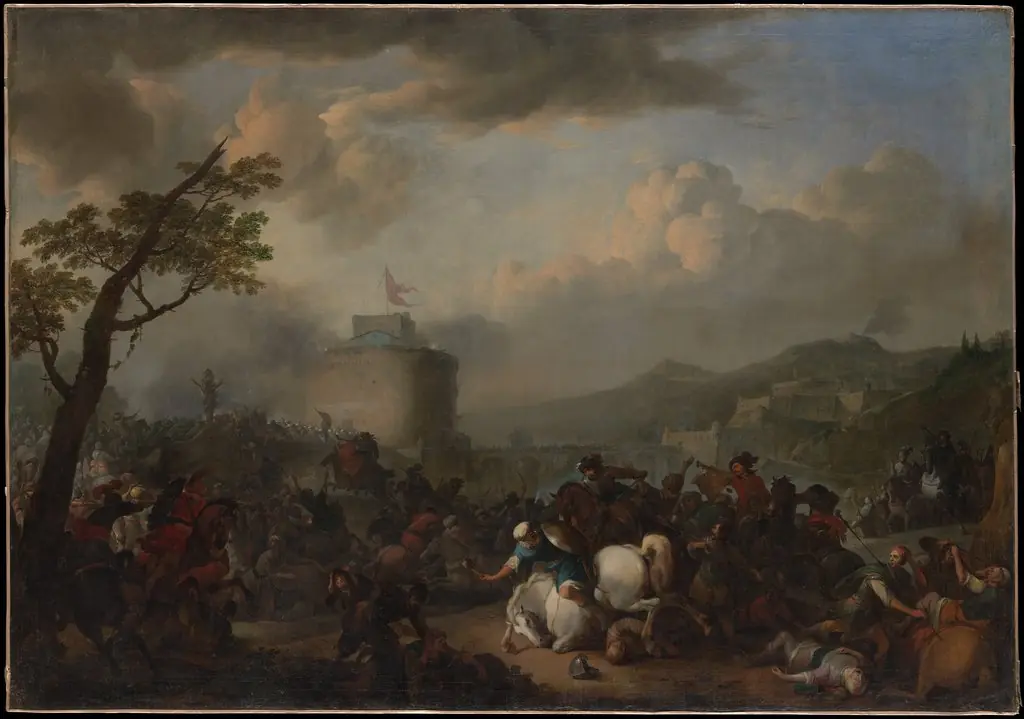
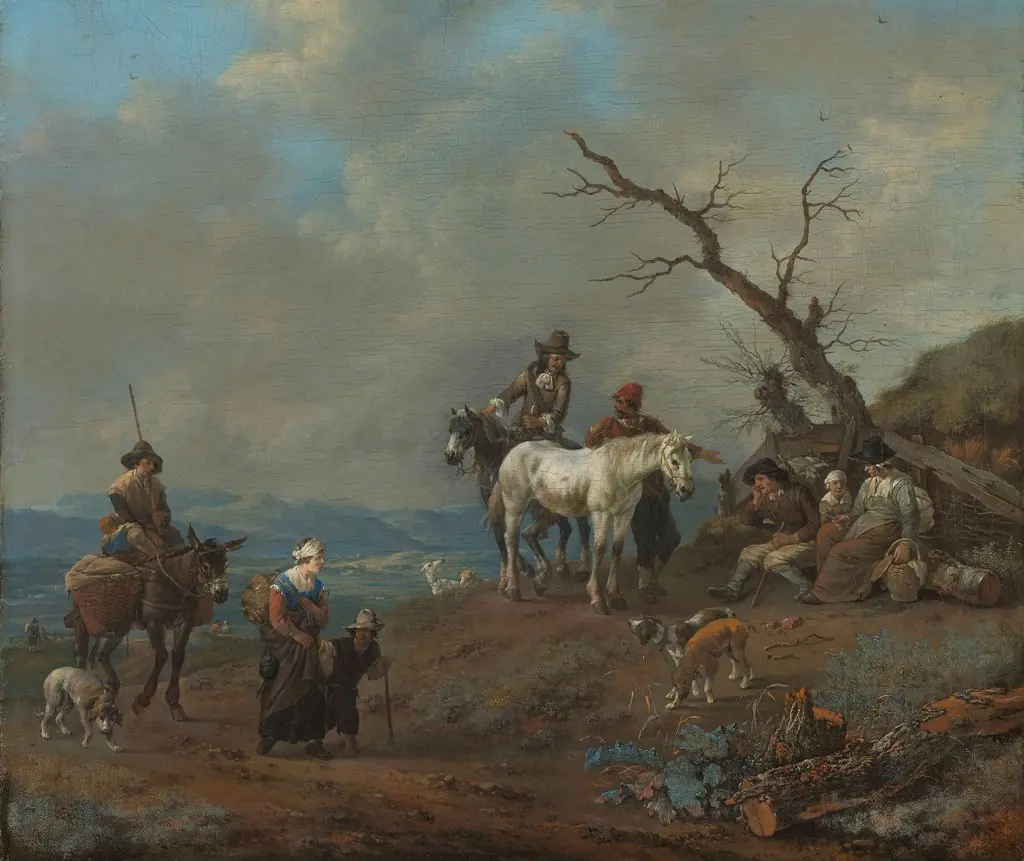
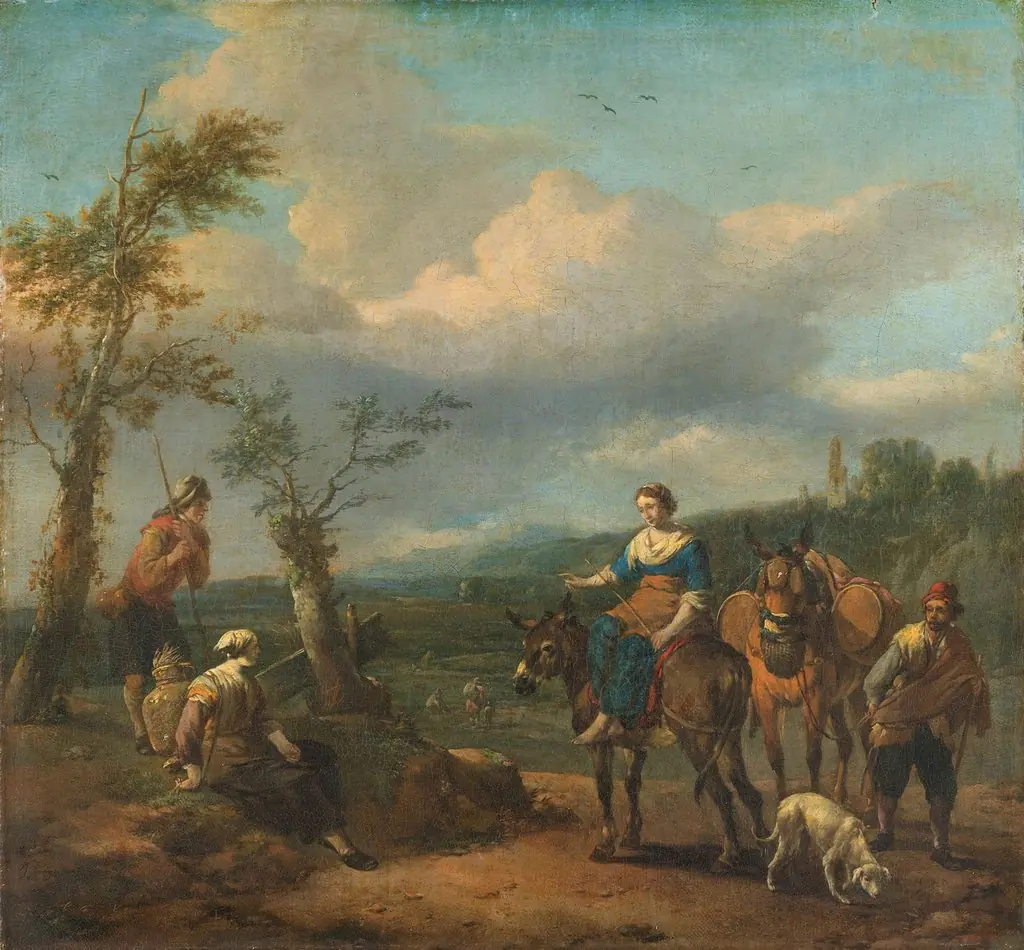
The climbing of the Capitol with the gray horse of the newly elected pope is an oil painting by the Dutch Golden Age artist Johannes Lingelbach. It dates from 1650 and is held in the collection of the Rijksmuseum.
About this work
Overview
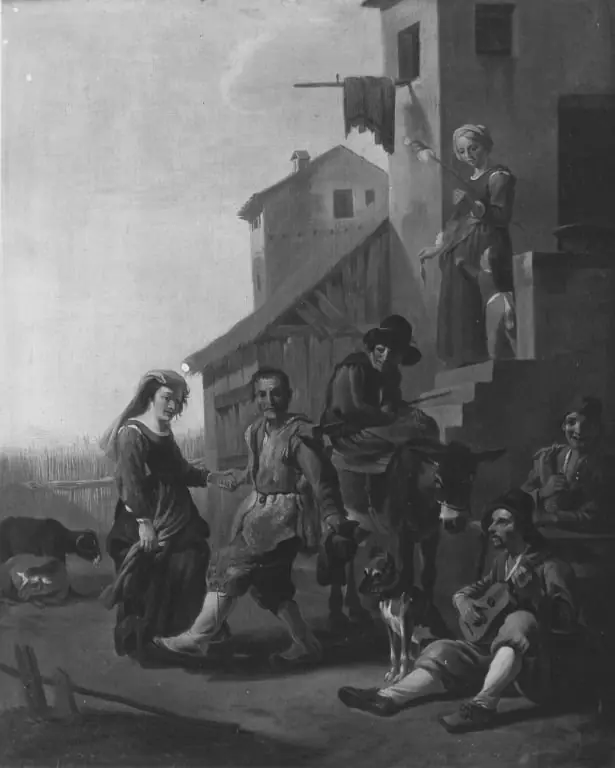
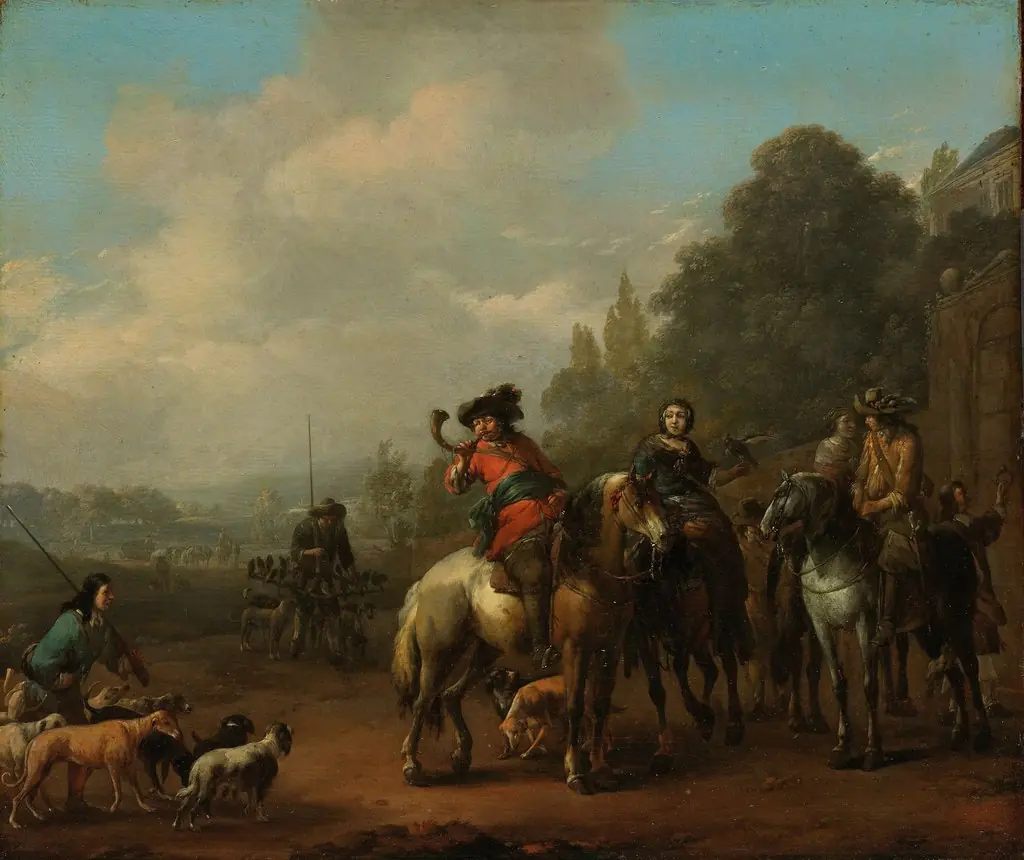
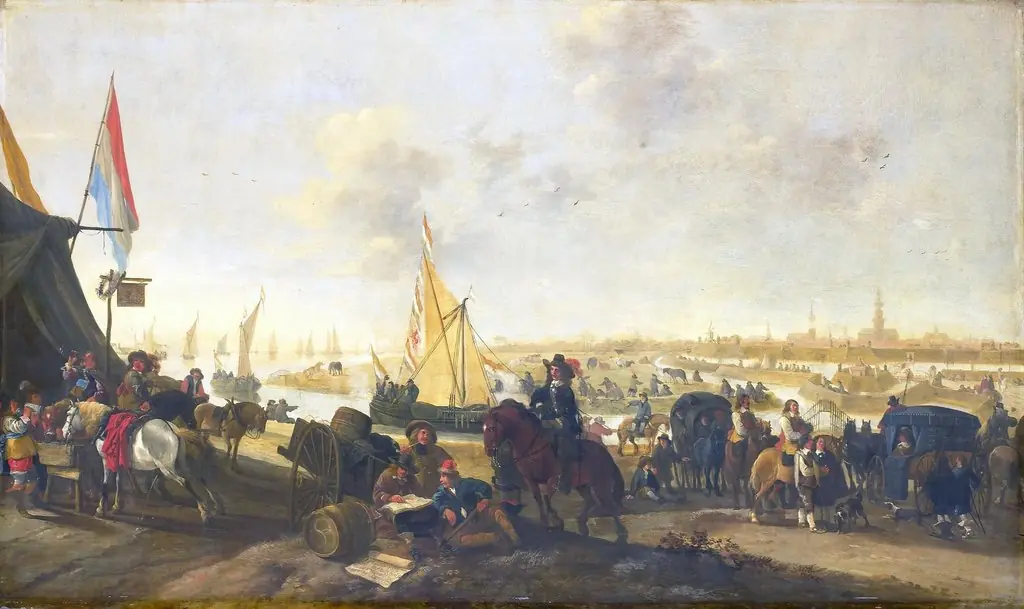
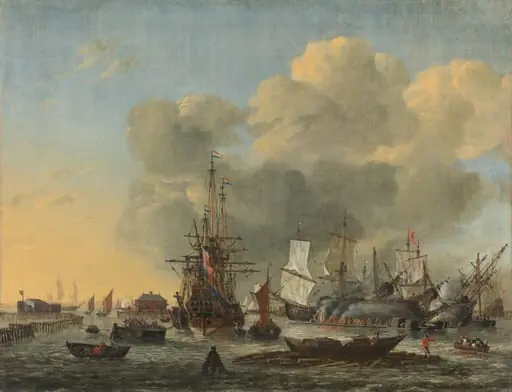
Johannes Lingelbach’s oil painting, dated circa 1650, portrays a bustling gathering at the foot of a grand staircase leading up to a monumental building.
Johannes Lingelbach’s oil painting, dated circa 1650, portrays a bustling gathering at the foot of a grand staircase leading up to a monumental building. A gray horse stands amid a crowd of pedestrians and riders, while distant ships with full sails punctuate the horizon. The composition captures a moment of lively movement, rendered in a palette that shifts from muted architectural tones to the brighter hues of the figures’ attire.
Subject & Meaning
The work depicts a public ceremony linked to the inauguration of a new pope, suggested by the presence of the gray horse traditionally associated with papal processions. The assemblage of onlookers, both on foot and mounted, conveys communal participation, while the towering ships in the background hint at the broader civic and maritime context of the event.
Technique & Style
Lingelbach employs a balanced blend of chiaroscuro and vivid coloration, contrasting the dark grays and browns of the stone structure with the luminous whites and creams of the clothing. The brushwork conveys kinetic energy, especially in the crowd’s gestures and the horse’s poised stance, reflecting the artist’s affinity for genre scenes within the Dutch Golden Age aesthetic.
History & Provenance
Created in the mid‑17th century, the painting entered the collection of the Rijksmuseum, where it remains on display. Its attribution to Lingelbach aligns with his known output for the Bamboccianti circle, which favored lively depictions of everyday urban life and public spectacles.
Context
Lingelbach, a Dutch painter active in Rome, often merged Northern realism with Italianate settings. This piece exemplifies his interest in documenting civic ceremonies, merging the grandeur of Roman architecture with the detailed observation of crowd dynamics typical of the period’s genre painting.
Own this work as a print
Artist & collection
Artist
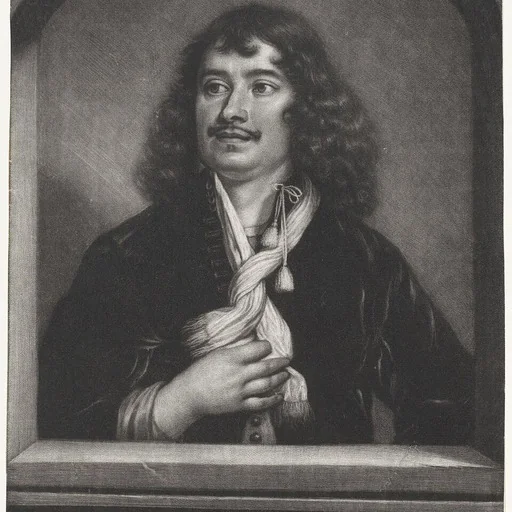
Johannes (or Johann) Lingelbach (1622 – 3 November 1674) was a Dutch Golden Age painter, associated with the second generation of Bambocciate, a group of genre painters working in Rome from 1625–1700.