Artwork
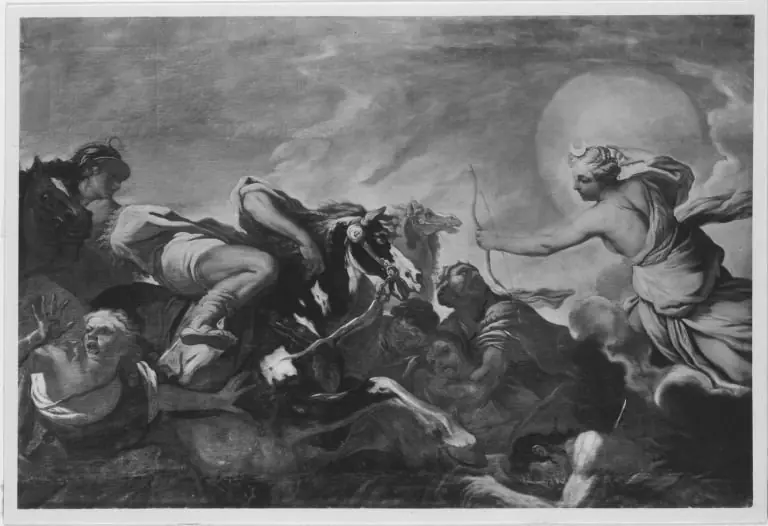
Apollo tötet die Kinder der Niobe
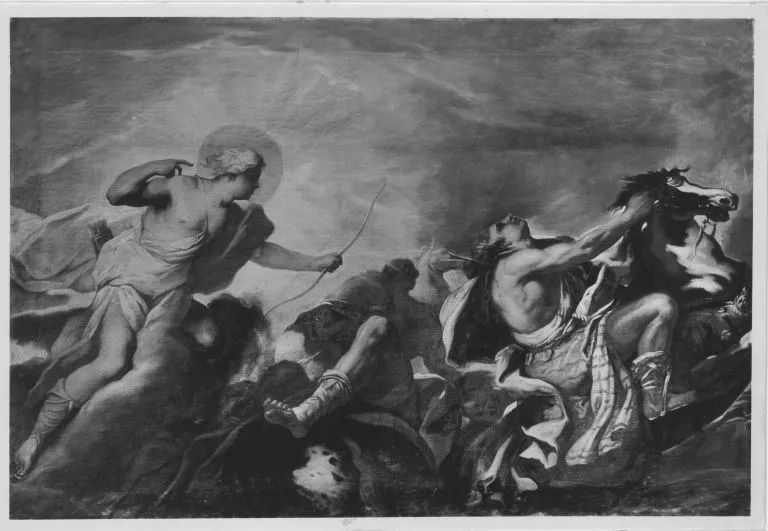
Apollo tötet die Kinder der Niobe is an unspecified painting by the Rococo painting artist Sebastiano Conca. It dates from 1722 and is held in the collection of the Bavarian State Painting Collections.
About this work
Overview
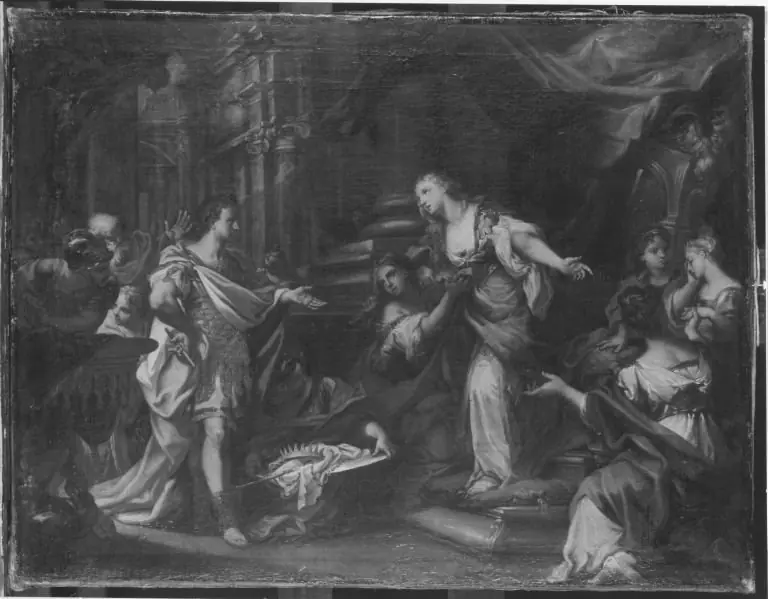
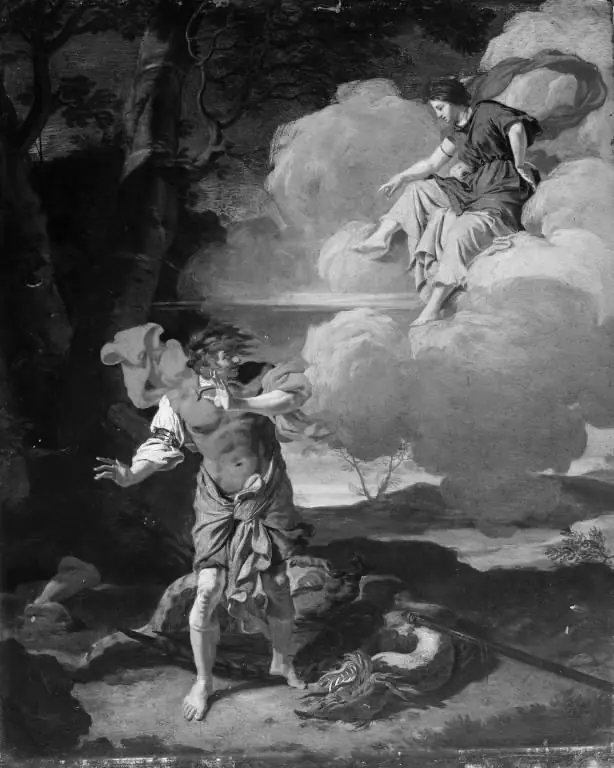
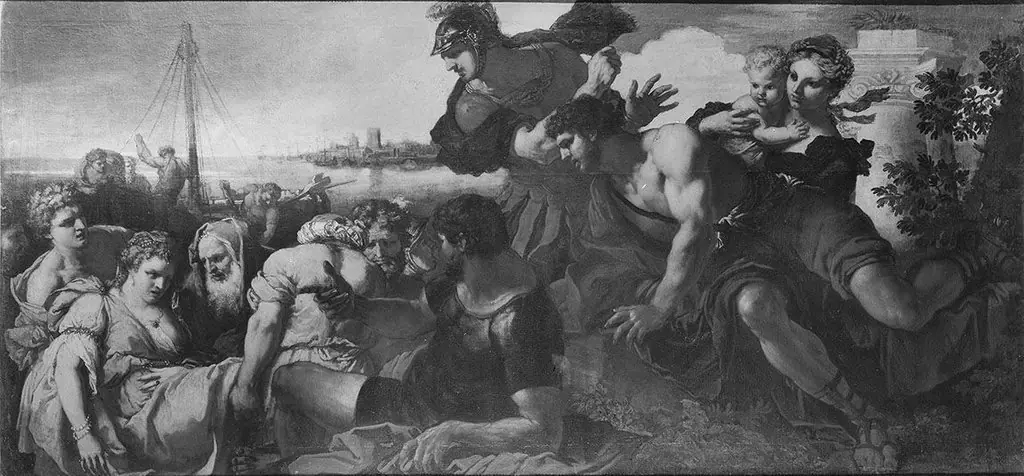
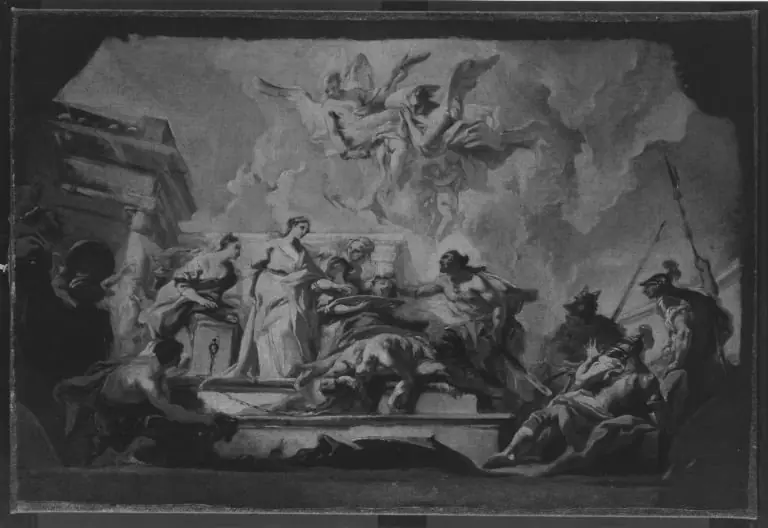
Sebastiano Conca’s 1722 oil on canvas, titled *Apollo tötet die Kinder der Niobe*, presents a baroque interpretation of the classical myth in which Apollo avenges his mother Leto by slaying Niobe’s offspring. The work belongs to the collection of Munich’s Alte Pinakothek and exemplifies the dramatic narrative style favored by the artist.
Subject & Meaning
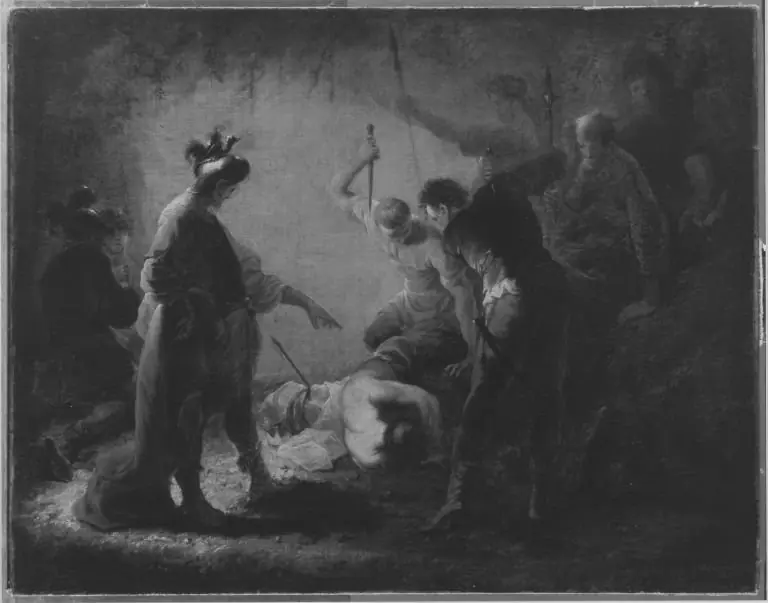
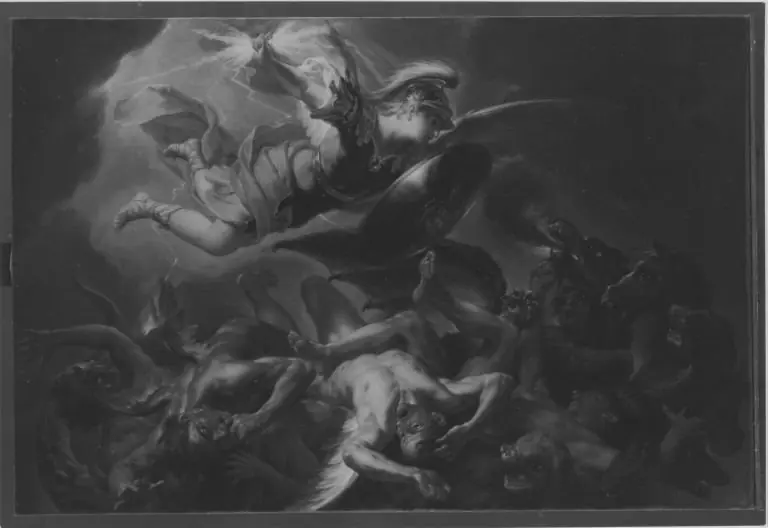
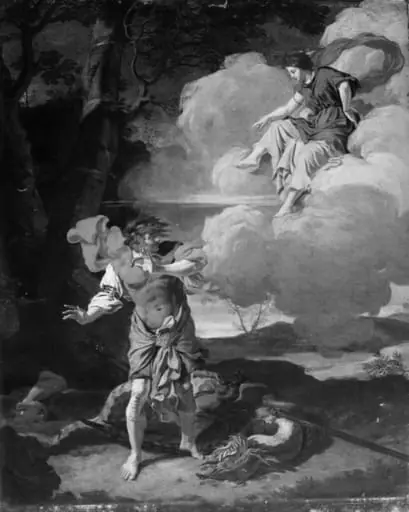
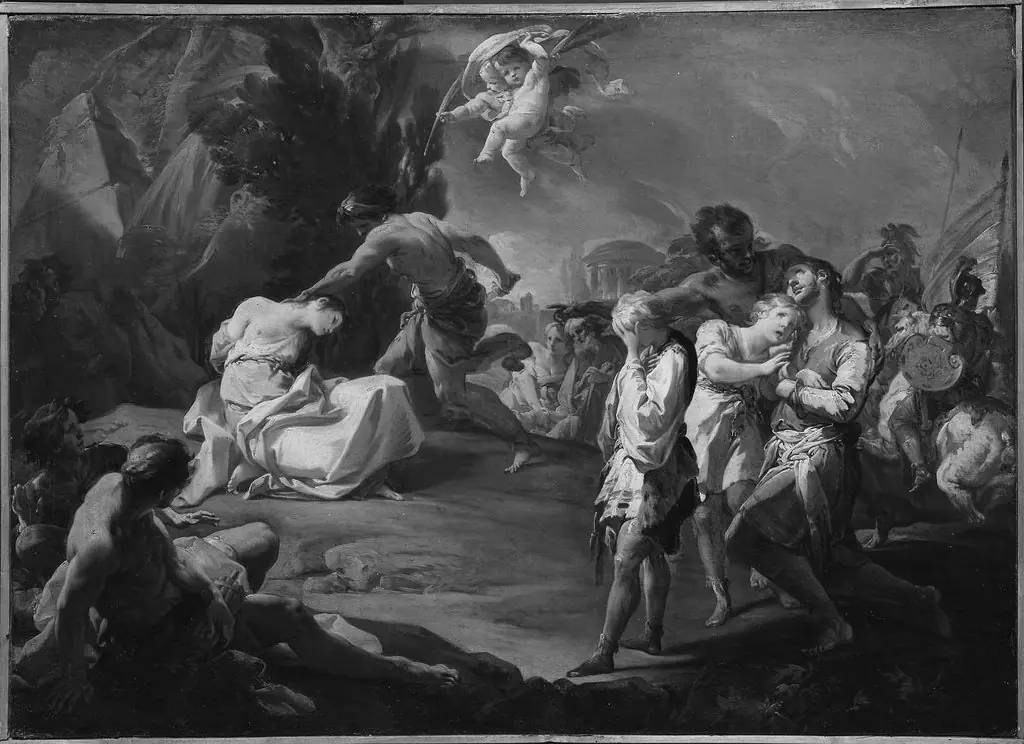
The composition captures the moment of divine retribution: Apollo, identified by his radiant halo and spear, confronts the fleeing figures of Niobe’s children. The fallen victim beneath a draped cloak underscores the tragic loss, while the terrified horse and its rider convey the chaos unleashed by the gods’ wrath.
Technique & Style
Conca employs a pronounced chiaroscuro, contrasting sharply illuminated bodies with deep shadows to heighten the sense of movement and tension. The figures are rendered with muscular dynamism, their twisted poses and dramatic gestures reinforcing the baroque emphasis on emotional intensity.
History & Provenance
Completed in 1722, the painting entered the Alte Pinakothek’s holdings during the 19th‑century expansion of the museum’s Baroque collection. Its acquisition reflects the institution’s focus on preserving significant Italian works from the early 18th century.
Context
The work aligns with the broader 18th‑century fascination with mythological subjects, serving both decorative and didactic purposes in aristocratic settings. Conca’s treatment of the Niobe myth echoes earlier interpretations by artists such as Rubens, yet his use of light and composition marks a distinct personal approach.
Artist & collection