Artwork
Untitled
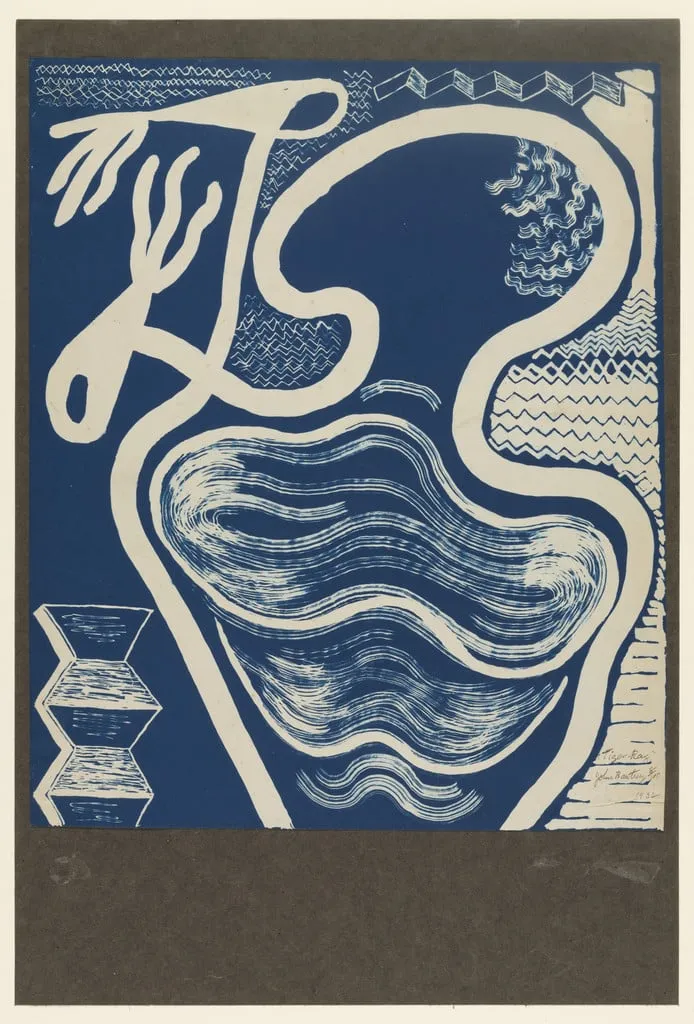
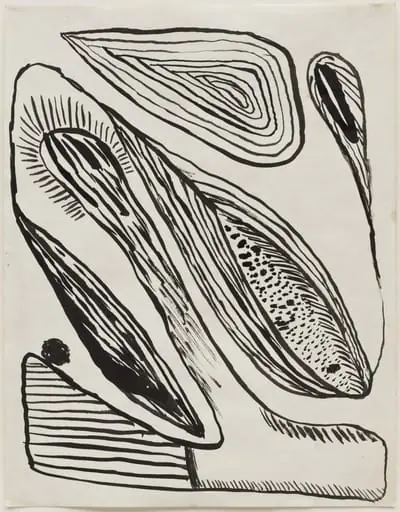
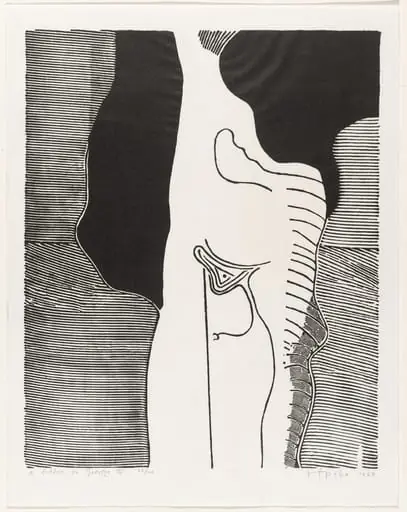
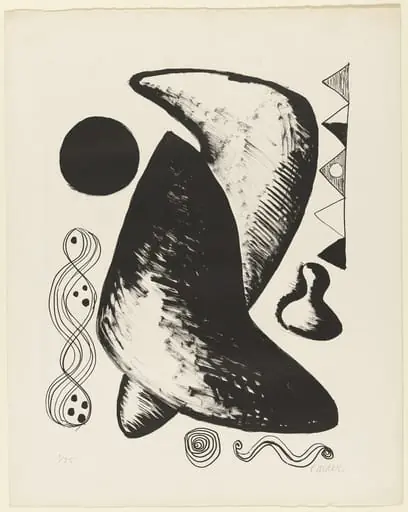
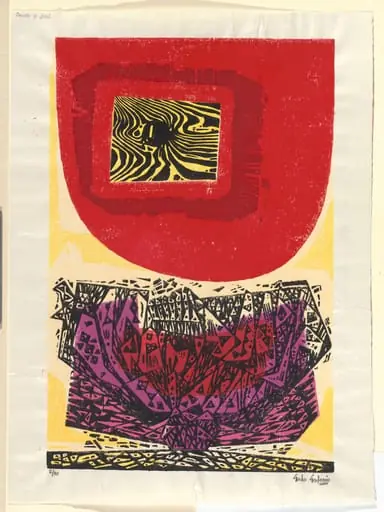
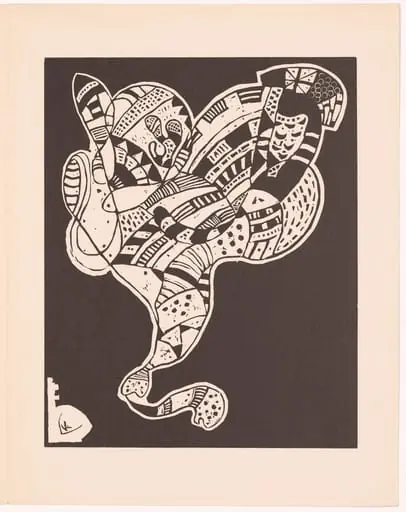
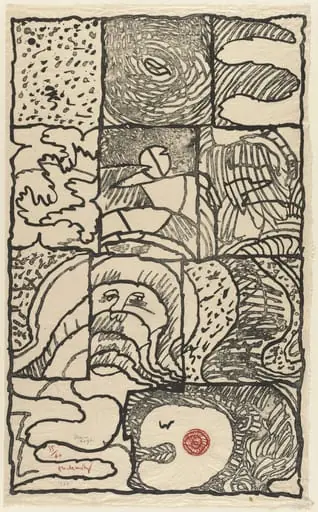
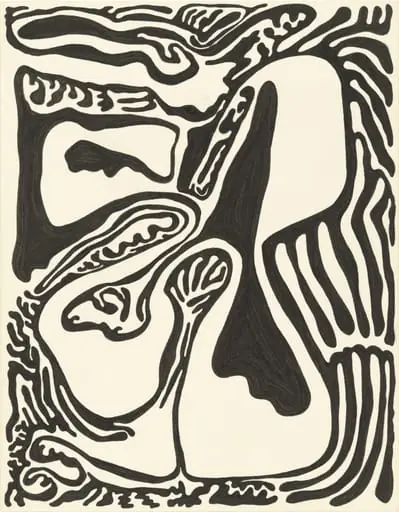
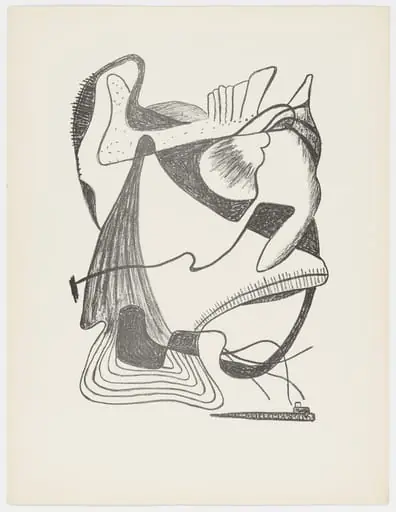
Untitled is a print by John Banting. It dates from 1932 and is held in the collection of the Museum of Modern Art.
About this work
Overview
Created in 1932 by English artist John Banting, this blueprint print is an uncommon use of a technical reproduction method in fine art.
Created in 1932 by English artist John Banting, this blueprint print is an uncommon use of a technical reproduction method in fine art. Executed in the characteristic blue-and-white tonality of the process, the work avoids traditional painting media, instead relying on chemical exposure to produce its image. Its abstract composition suggests natural forms without literal representation, aligning with Surrealist tendencies of the era.
Subject & Meaning
The composition features ambiguous shapes—wavy lines resembling water or draped fabric, a possible vessel on the left, and irregular upper forms evoking cloud or smoke. These elements resist fixed interpretation, inviting viewers to engage with subconscious associations. Banting’s approach reflects Surrealist interest in dream logic, while subtly inflecting it with the satirical and political sensibilities linked to his Bloomsbury connections.
Technique & Style
The work employs the blueprint process, typically used for architectural or engineering plans, to generate an artistic image. Lines are formed through light-sensitive chemistry, not brushwork, resulting in crisp, uniform contours. Banting’s choice of medium distances the piece from conventional art practices, emphasizing conceptual intent over manual skill and aligning with avant-garde experimentation of the early 1930s.
History & Provenance
The print entered the collection of The Museum of Modern Art, where it remains as part of its holdings of early 20th-century experimental prints. Banting’s use of blueprint was rare among artists of his time, making this work a distinctive example of his engagement with non-traditional methods. Its preservation reflects institutional recognition of his contribution to Surrealist printmaking in Britain.
Context
Banting was associated with the Bloomsbury Group’s intellectual circles and shared their left-leaning political views, which informed his artistic satire. In the early 1930s, Surrealism was gaining traction in Britain as a vehicle for challenging rationalist norms. His adoption of blueprint—a utilitarian, industrial technique—mirrored broader modernist interests in redefining art through science and mechanics.
Legacy
Though not widely known today, Banting’s use of blueprint in fine art remains a notable deviation from mainstream practices of his time. His work contributes to a broader understanding of how Surrealist artists in Britain adapted European avant-garde strategies using local, unconventional materials. This piece stands as a quiet but distinct example of conceptual innovation in interwar British printmaking.
Artist & collection
Artist
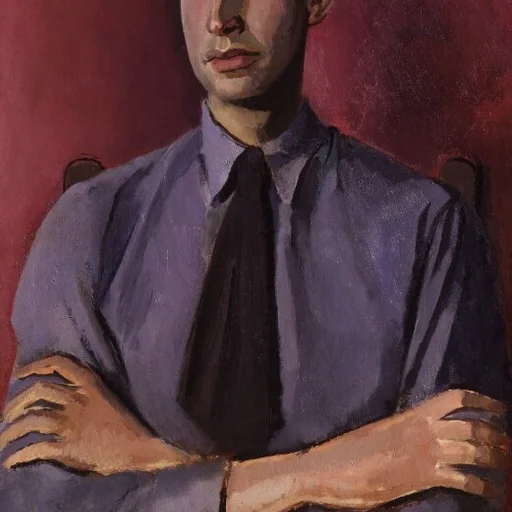
John Banting (12 May 1902 – 30 January 1972) was an English Surrealist artist and writer associated with the Bloomsbury Group, whose left-wing philosophy was reflected in much of his work.