Artwork
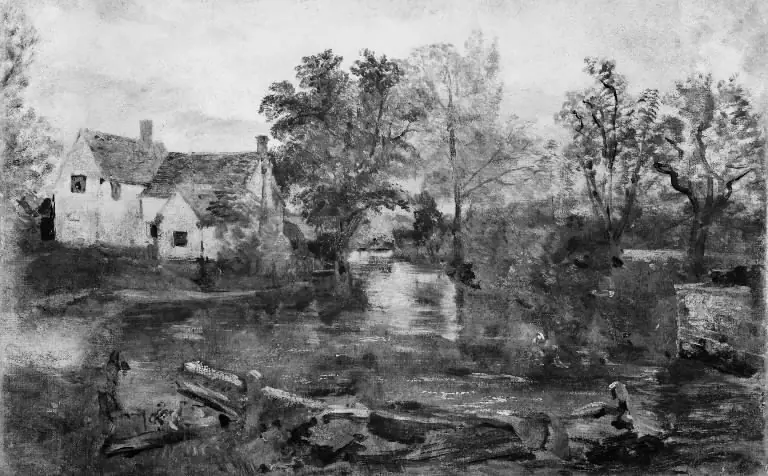
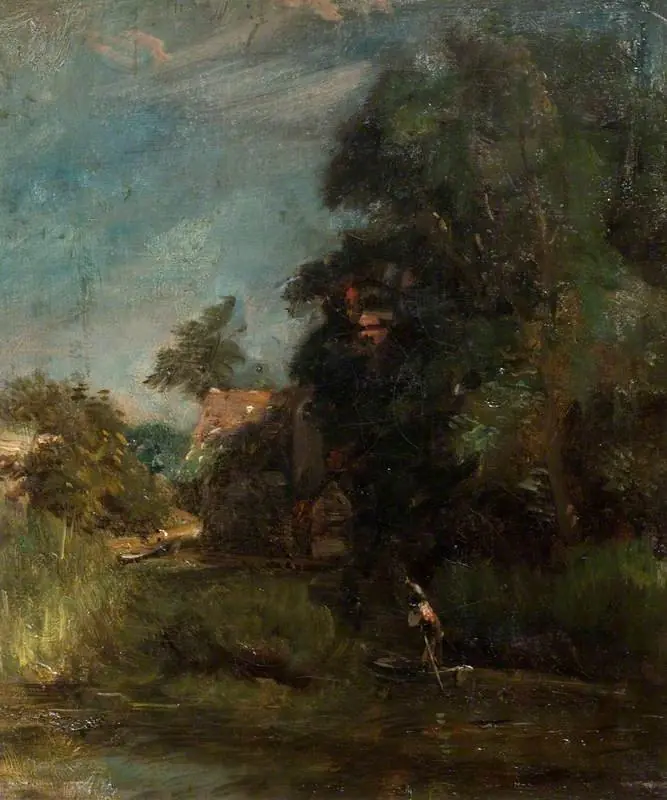
A River Scene with a Farmhouse near the Water's Edge
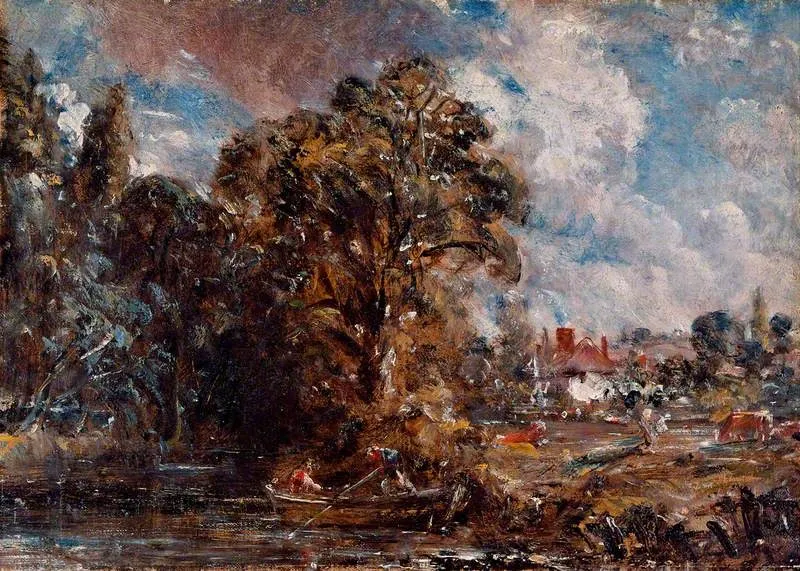
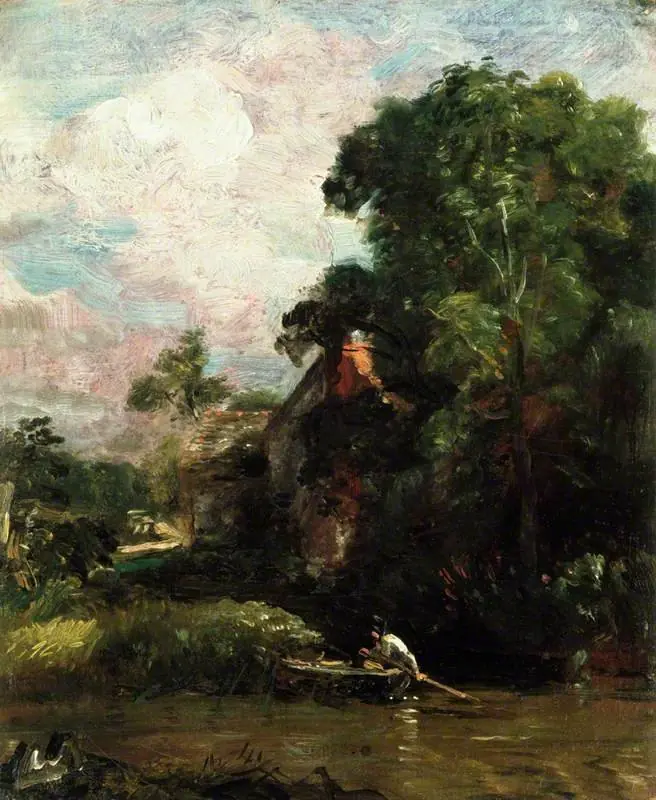
A River Scene with a Farmhouse near the Water's Edge is an oil painting by John Constable. It dates from 1830 and is held in the collection of the Victoria and Albert Museum.
About this work
Overview
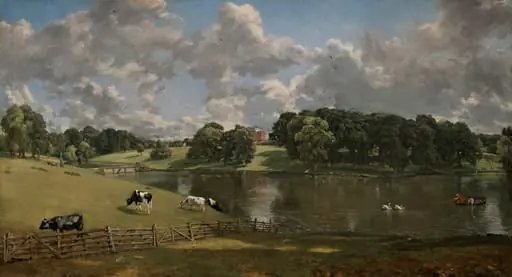
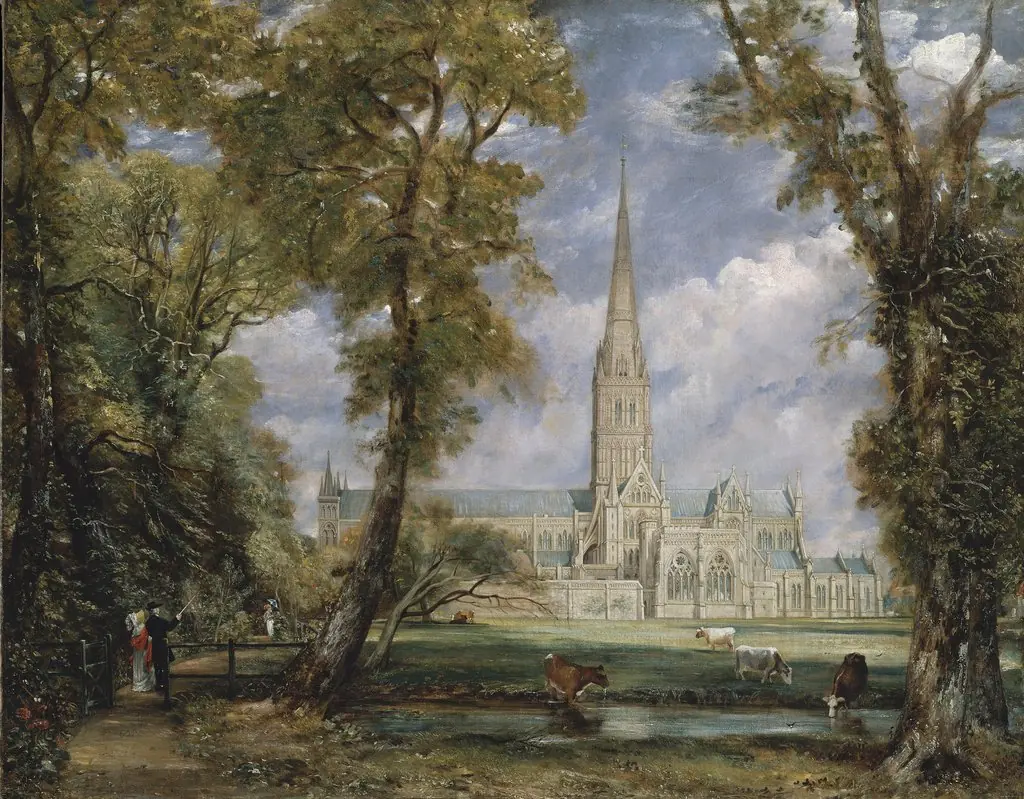
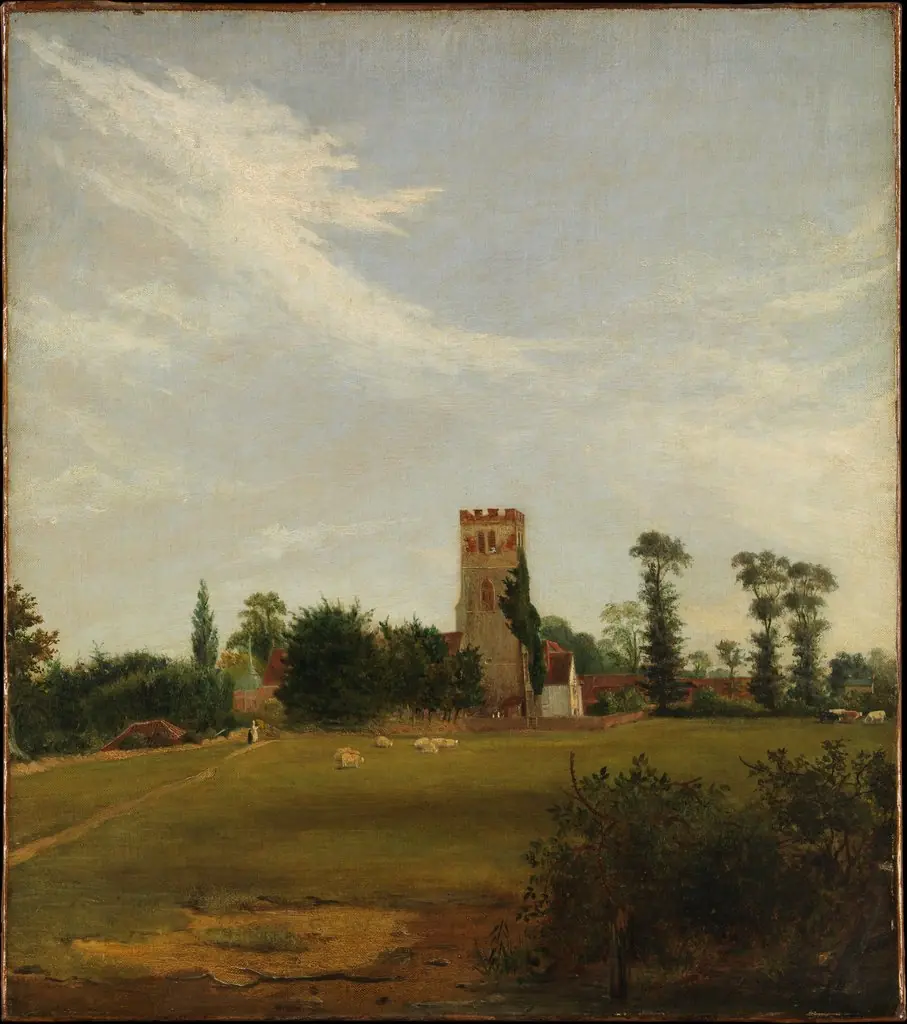
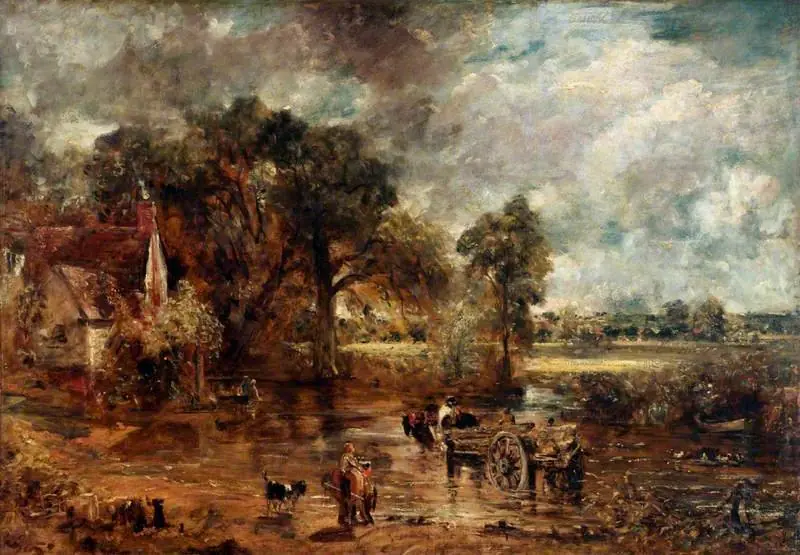
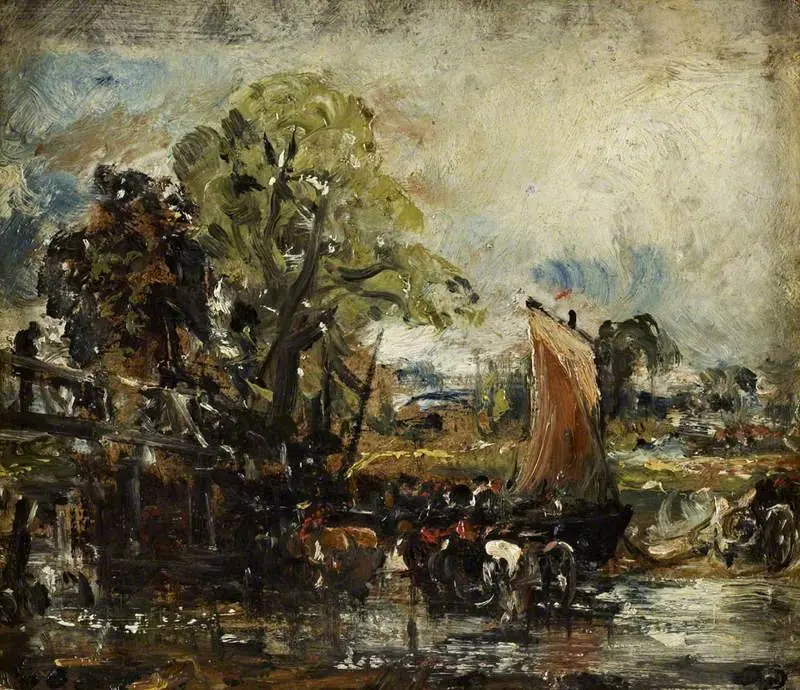
Painted in 1830, this oil work by John Constable captures a quiet stretch of riverbank with a modest farmhouse nestled among trees. The scene reflects Constable’s enduring interest in rural English landscapes, rendered with careful attention to natural light and atmospheric conditions. It is part of the Victoria and Albert Museum’s collection, where it remains a quiet example of his later period.
Subject & Meaning
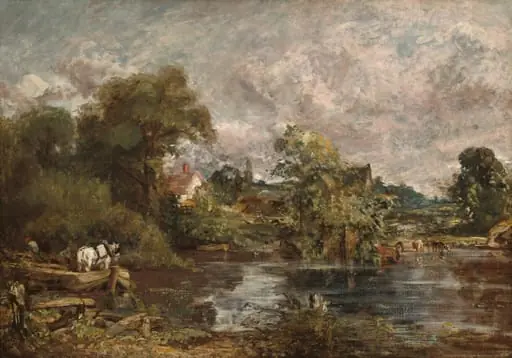
The painting depicts a tranquil riverside setting, with a farmhouse grounded in the landscape and a small boat drifting near the water’s edge. Figures are minimal, suggesting quiet daily life rather than narrative drama. The composition emphasizes harmony between human habitation and nature, reflecting Constable’s reverence for the English countryside as a place of enduring calm.
Technique & Style
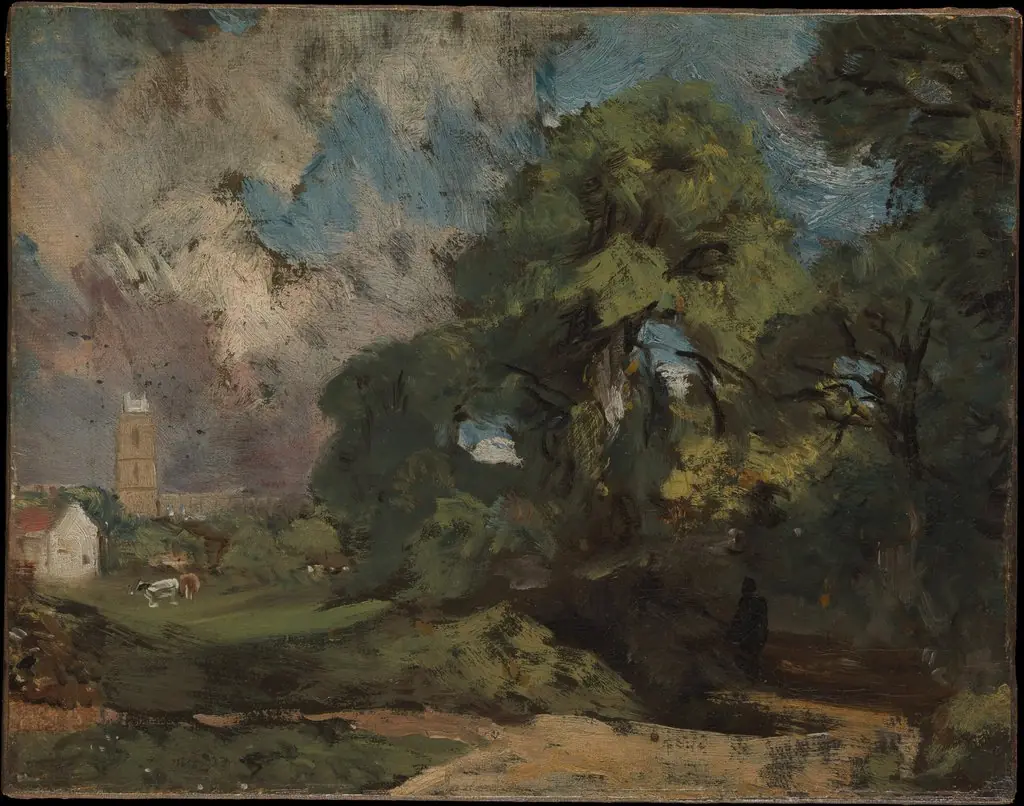
Constable employed visible, textured brushwork to convey the movement of water, foliage, and sky. Layers of oil paint build subtle depth without heavy chiaroscuro; instead, he relied on tonal gradations and naturalistic color to suggest volume. The sky, with its soft clouds, is rendered with loose, fluid strokes that echo the rhythm of wind and weather, characteristic of his mature style.
History & Provenance
Created in 1830, the painting entered the Victoria and Albert Museum’s collection through the museum’s founding bequests and early acquisitions of British art. It was not exhibited publicly during Constable’s lifetime, but its preservation reflects the growing institutional interest in his work after his death, particularly in documenting the evolution of landscape painting in Britain.
Context
In the 1830s, Constable focused on intimate, less monumental landscapes, moving away from large exhibition pieces. This work aligns with his personal sketches and studies, emphasizing observation over idealization. It reflects a broader cultural shift toward valuing everyday rural life, even as industrialization transformed the English countryside.
Legacy
Though not among Constable’s most famous works, this painting exemplifies his commitment to truthful representation of nature. Its quiet composition and attention to atmospheric detail influenced later British landscape artists and reinforced the legitimacy of ordinary scenes as worthy subjects for serious art.
Artist & collection
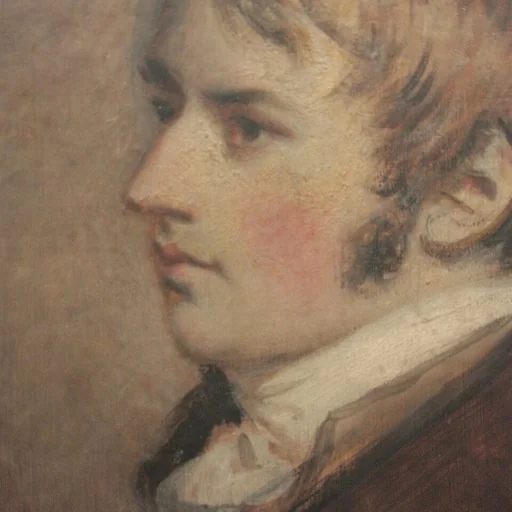
Artist
John Constable (; 11 June 1776 – 31 March 1837) was an English landscape painter in the Romantic tradition.