Artwork
Stoke-by-Nayland
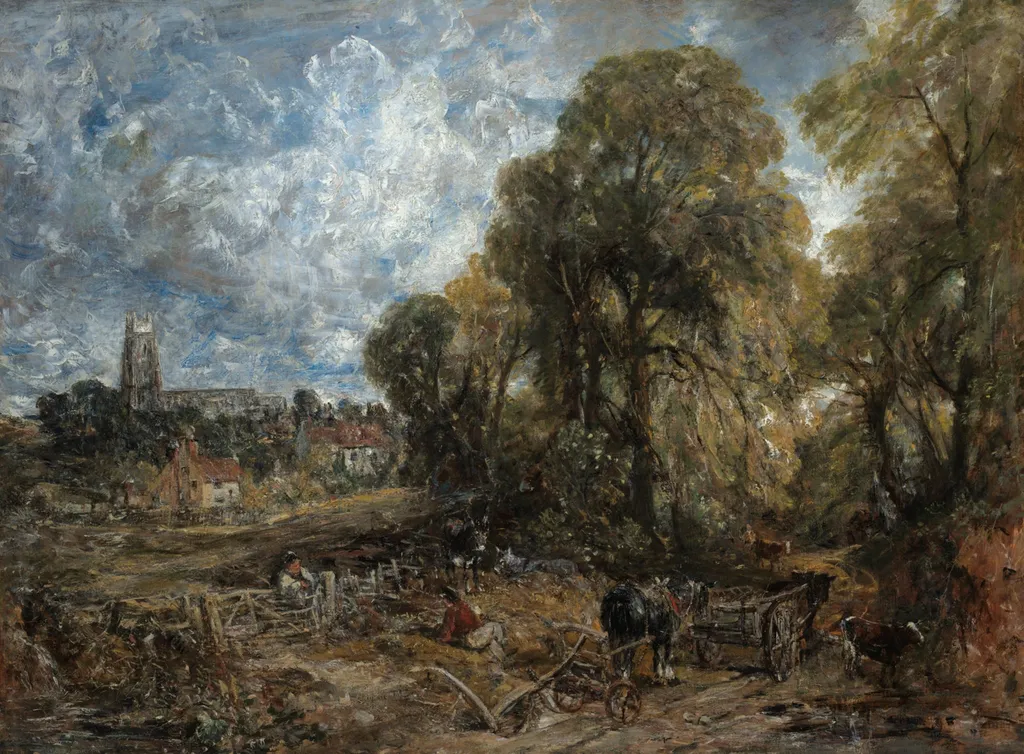
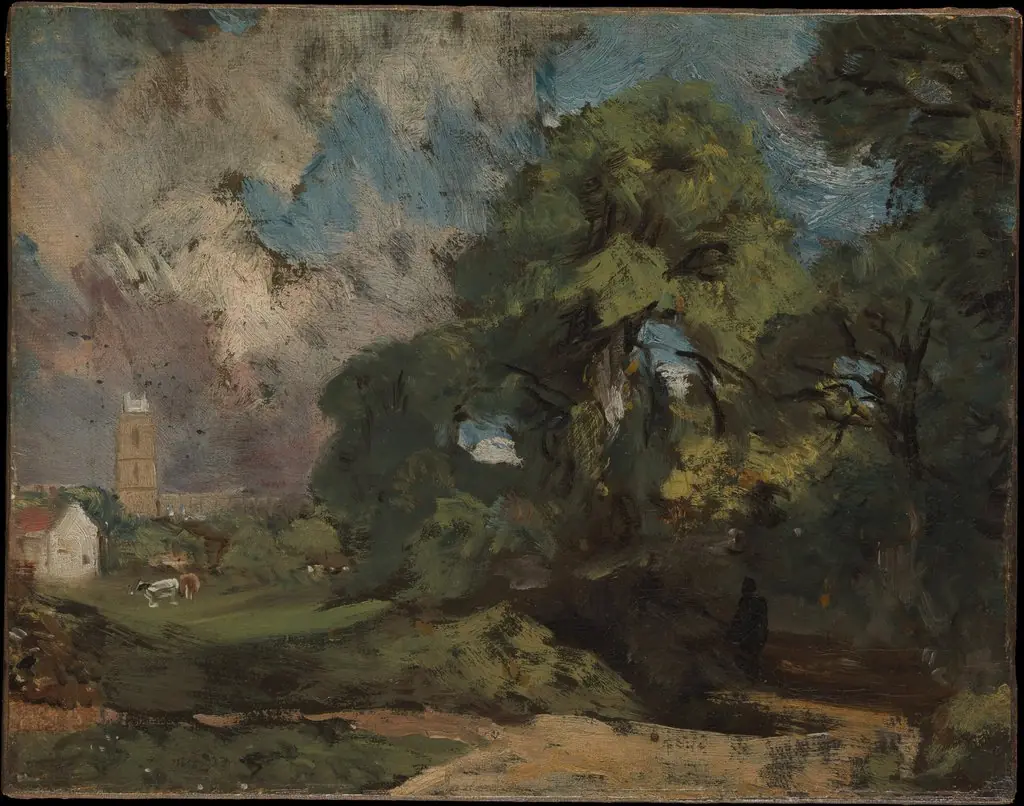
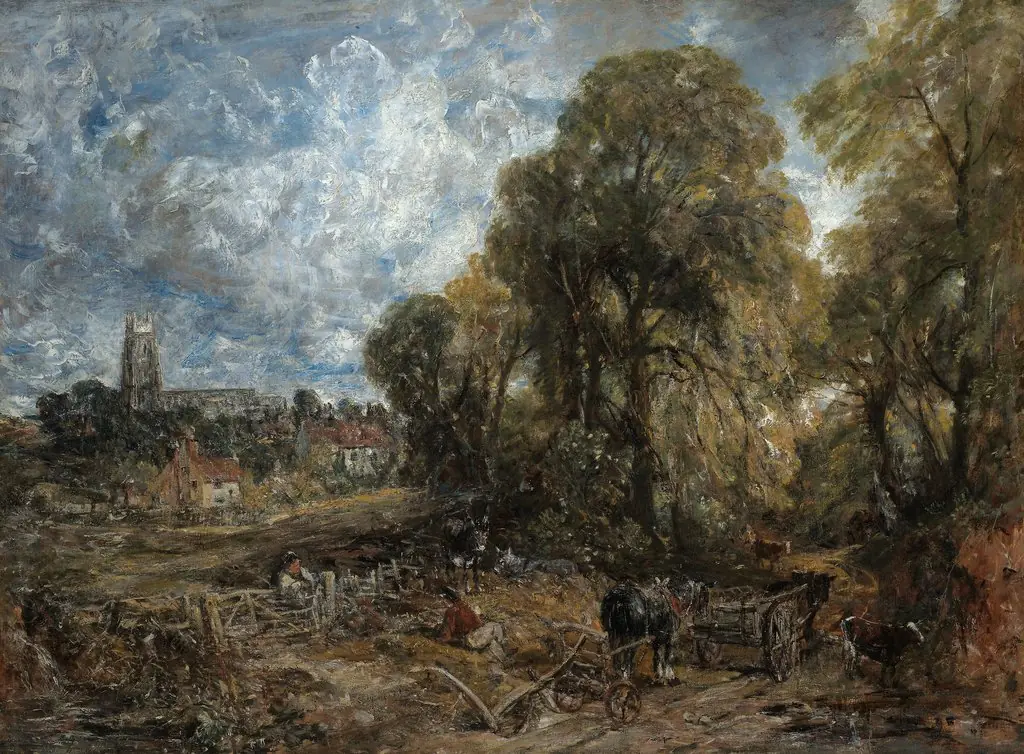
Stoke-by-Nayland is an oil painting by the Romanticist artist John Constable. It dates from 1836 and is held in the collection of the Art Institute of Chicago.
About this work
Overview
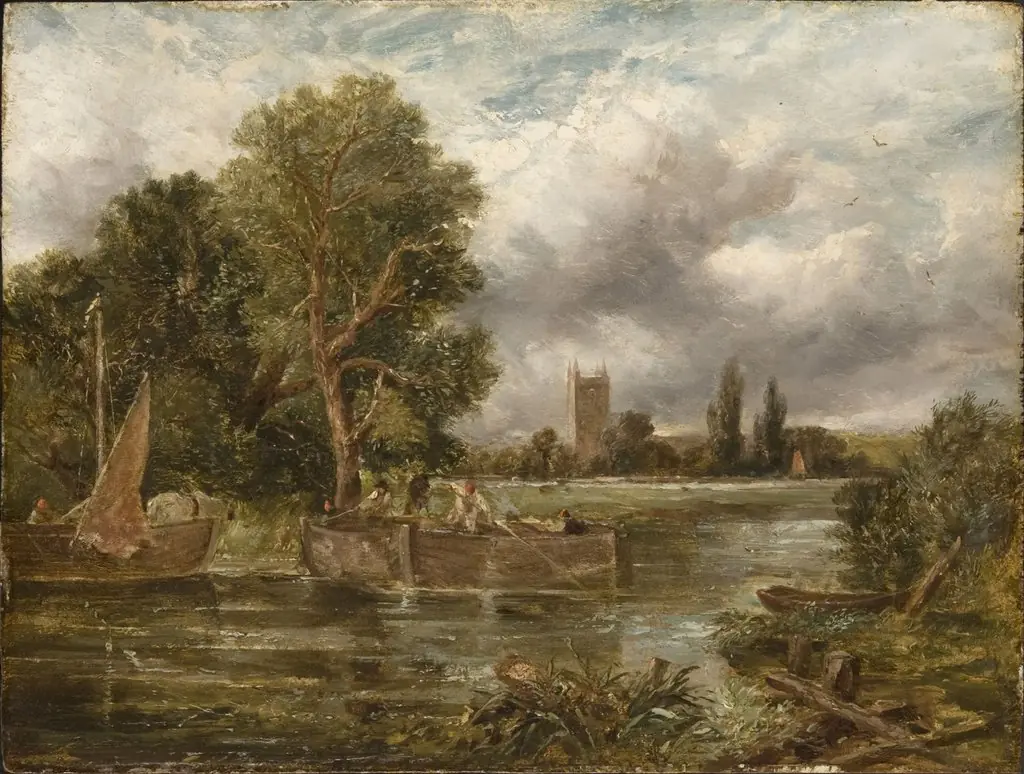
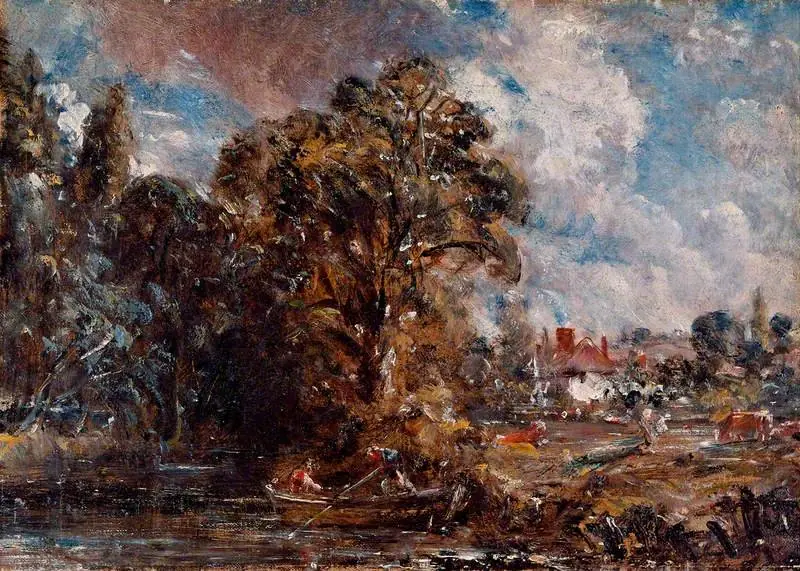
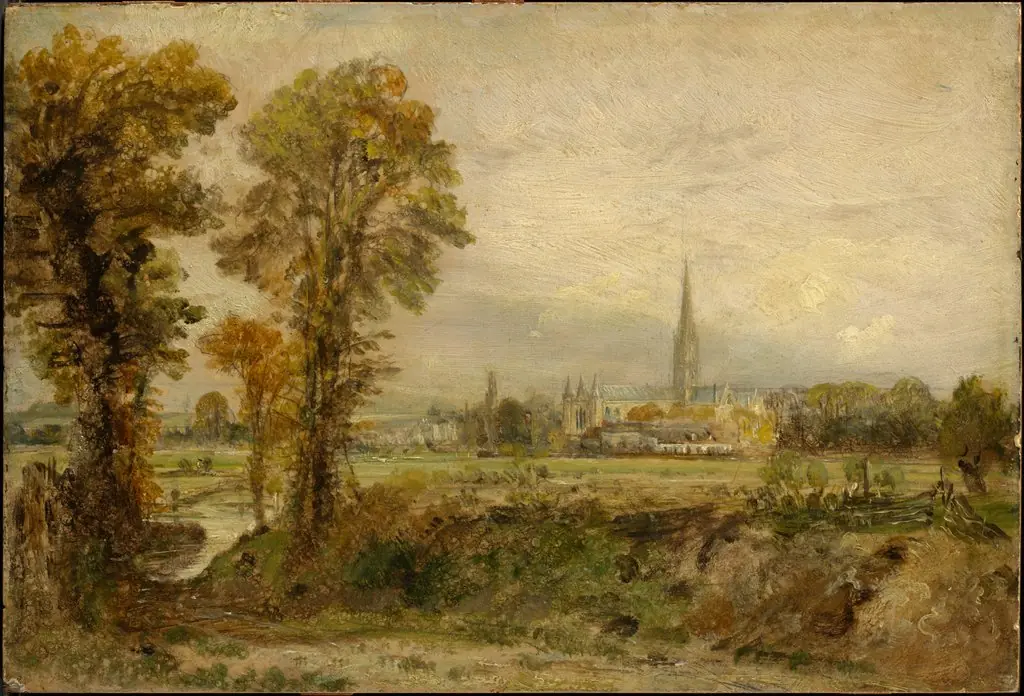
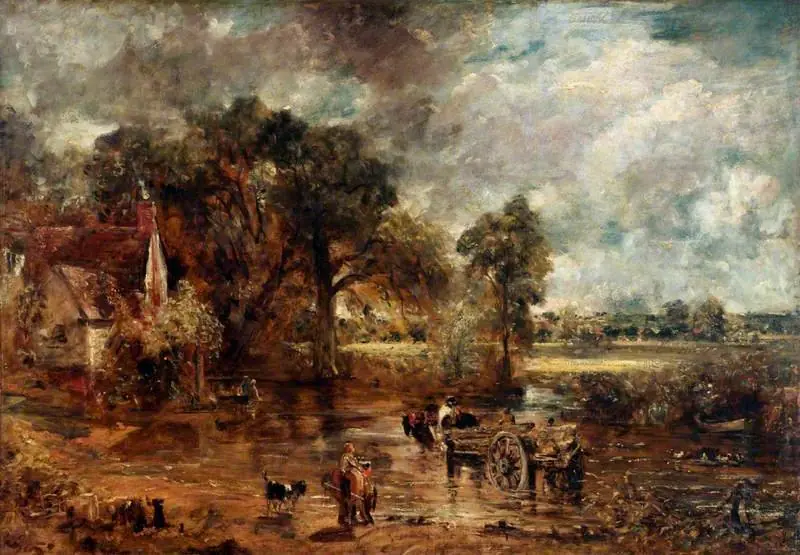
Stoke-by-Nayland is an oil on canvas painting by John Constable, depicting a summer morning scene in Suffolk, near his birthplace. The canvas is divided into two contrasting views: a bright, airy vista of the hamlet on the left and a shaded, country lane on the right.
Subject & Meaning
The painting captures a specific moment in time - a July or August morning after a light overnight shower. Constable emphasizes the abundance of water and the fertile landscape, highlighting his affection for the countryside that shaped his boyhood.
Technique & Style
Constable employed a mix of palette knife and brushwork, resulting in a rough, unfinished surface. White highlights were flecked across the canvas to convey sparkling wetness, while the textured brushwork evokes the natural landscape's tactile qualities.
History & Provenance
Originally intended as a full-scale sketch for a never-realized work, Stoke-by-Nayland lacks the polish of Constable's publicly exhibited pieces. Despite this, the painting conveys the artist's spontaneous creative process.
Context
Though created while Constable lived in London, the painting reflects his enduring connection to his Suffolk roots. The contrast between light and dark areas illustrates his exploration of chiaroscuro, a technique used to create depth and volume.
Legacy
While not a finished work by the artist's exhibition standards, Stoke-by-Nayland is valued for its expressive atmosphere and the insight it offers into Constable's working methods and emotional response to the natural world.
Own this work as a print
Artist & collection

Artist
John Constable (; 11 June 1776 – 31 March 1837) was an English landscape painter in the Romantic tradition.