Artwork
Barges on the Stour with Dedham Church in the Distance
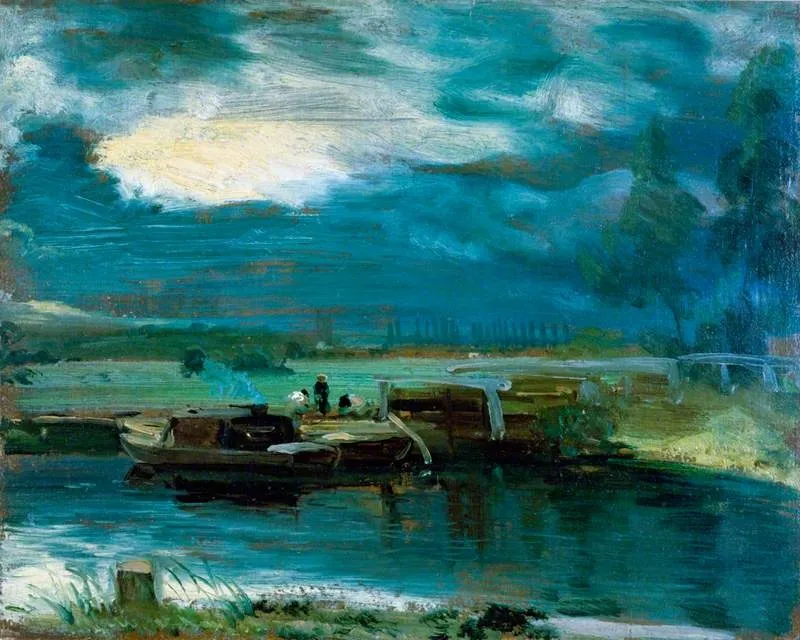
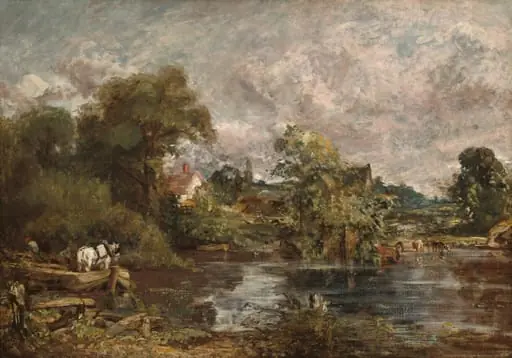
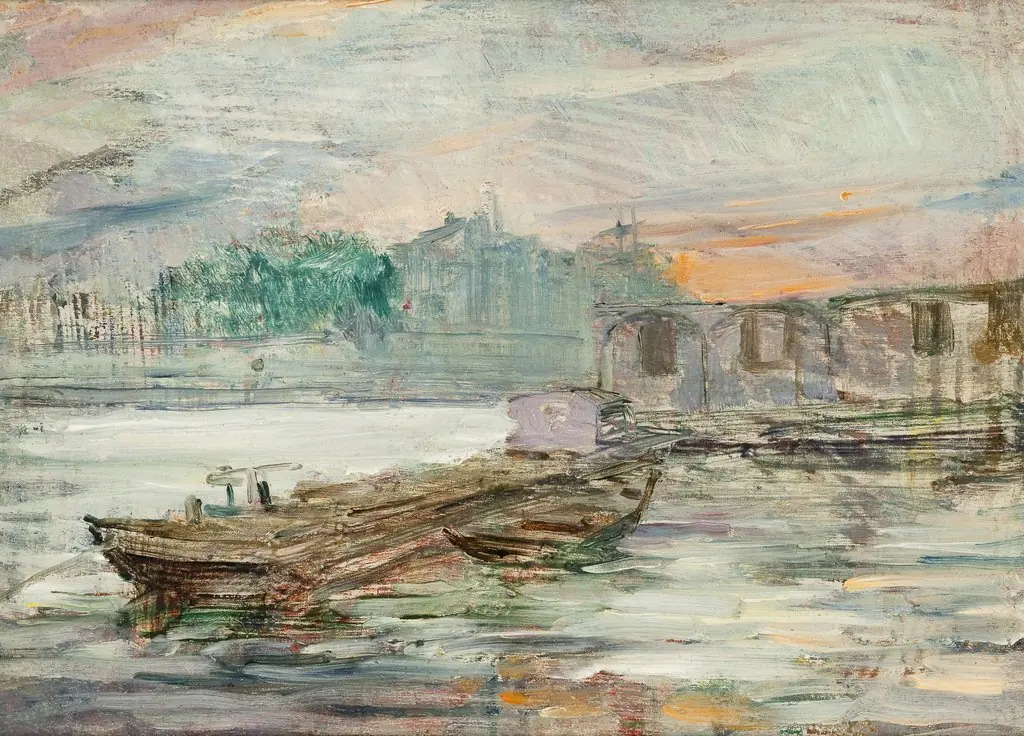
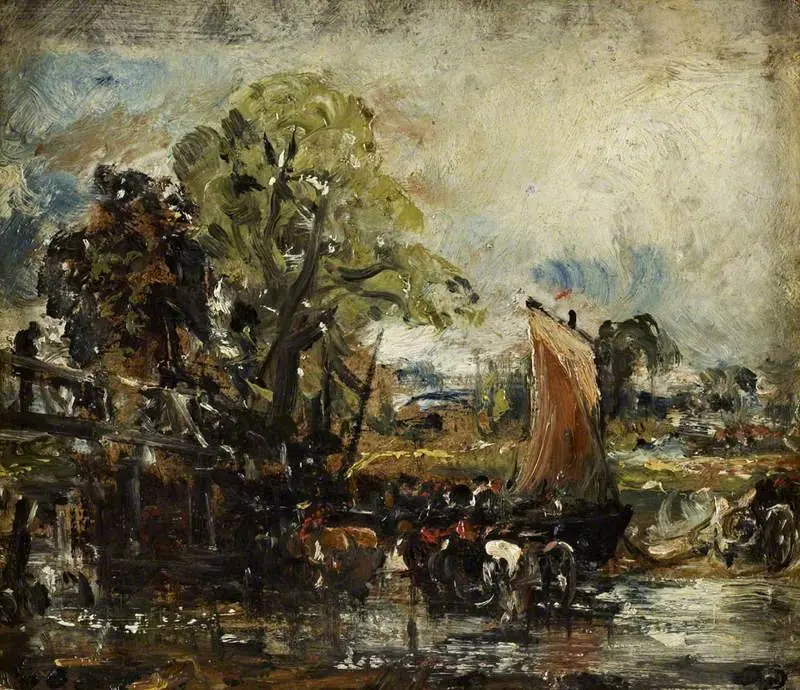
Barges on the Stour with Dedham Church in the Distance is an unspecified painting by John Constable. It dates from 1811 and is held in the collection of the Victoria and Albert Museum.
About this work
Overview
The sky, filled with drifting clouds, allows slivers of sunlight to break through, casting soft light across the scene.
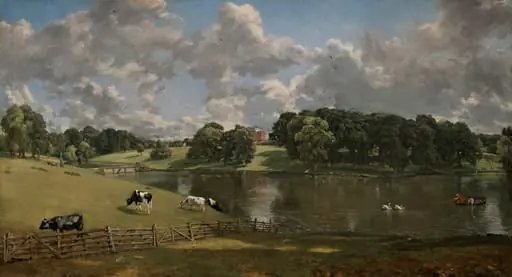
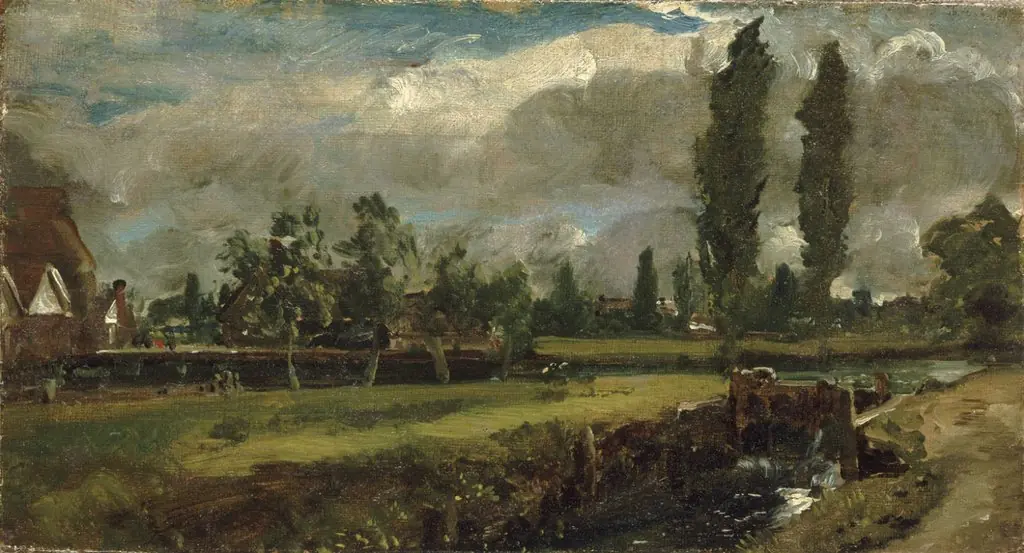
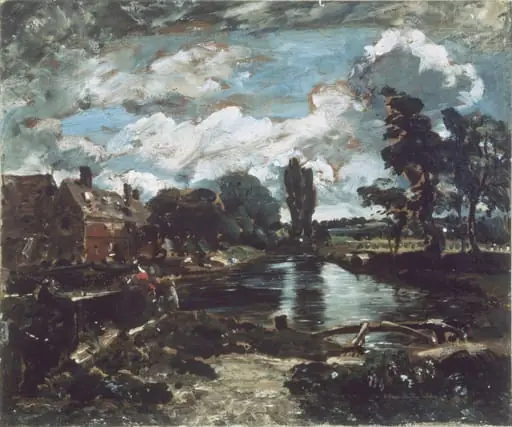
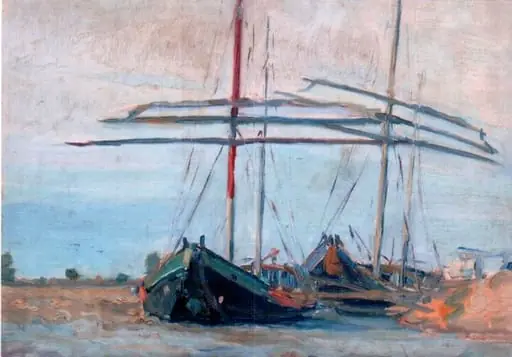
Painted in 1811, this landscape by John Constable captures a quiet stretch of the River Stour near Dedham in Essex. The composition centers on moored barges along the water’s edge, with Dedham Church rising subtly in the distance. The sky, filled with drifting clouds, allows slivers of sunlight to break through, casting soft light across the scene. Constable’s focus on ordinary rural life and natural atmosphere defines the work’s quiet character.
Subject & Meaning
The painting presents a working riverside environment, where barges—likely transporting goods—rest peacefully rather than moving. The church, a familiar landmark in Constable’s childhood landscape, anchors the scene symbolically, suggesting continuity and community. There is no dramatic narrative; instead, the work conveys stillness and the rhythm of daily life, reflecting the artist’s deep connection to the Suffolk-Essex countryside.
Technique & Style
Constable employs layered brushwork to render textures: greens of varying tones suggest dense foliage, while the river’s surface mixes blues and grays to reflect shifting light. The barges and church are painted in warmer hues, creating subtle contrast without drawing undue attention. The sky, a dominant element, is built with loose, observational strokes that convey atmospheric movement, a hallmark of his approach to capturing transient weather effects.
History & Provenance
Created early in Constable’s career, the painting was likely made during his formative years spent sketching the Stour Valley. It entered the Victoria and Albert Museum’s collection in the 19th century, part of a broader effort to preserve British landscape art. Its preservation reflects its significance as an early example of Constable’s commitment to painting from direct observation rather than idealized convention.
Context
In the early 1800s, British landscape painting was shifting from grand, romanticized vistas to intimate, local scenes. Constable’s work stood apart by focusing on the everyday topography of his native region. This painting aligns with a growing interest in regional identity and the dignity of rural labor, even as industrialization began reshaping the English countryside.
Legacy
Though not among Constable’s most widely exhibited works, this painting exemplifies his foundational approach: truthful observation of light, weather, and place. It influenced later generations of landscape painters who sought to depict nature without embellishment. Its quiet realism helped redefine the potential of English landscape art in the 19th century.
Artist & collection
Artist
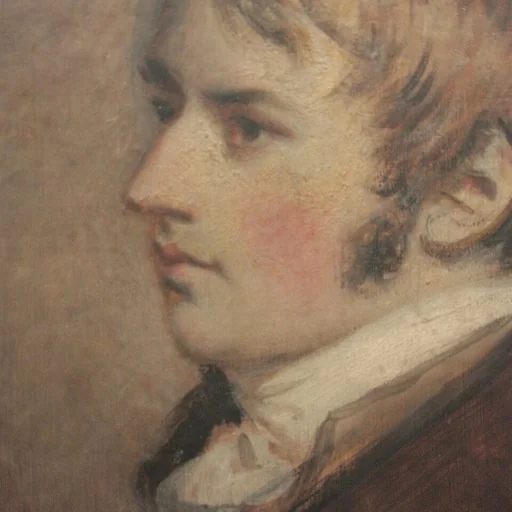
John Constable (; 11 June 1776 – 31 March 1837) was an English landscape painter in the Romantic tradition.