Artwork
East Bergholt Church: The Ruined Tower at the West End
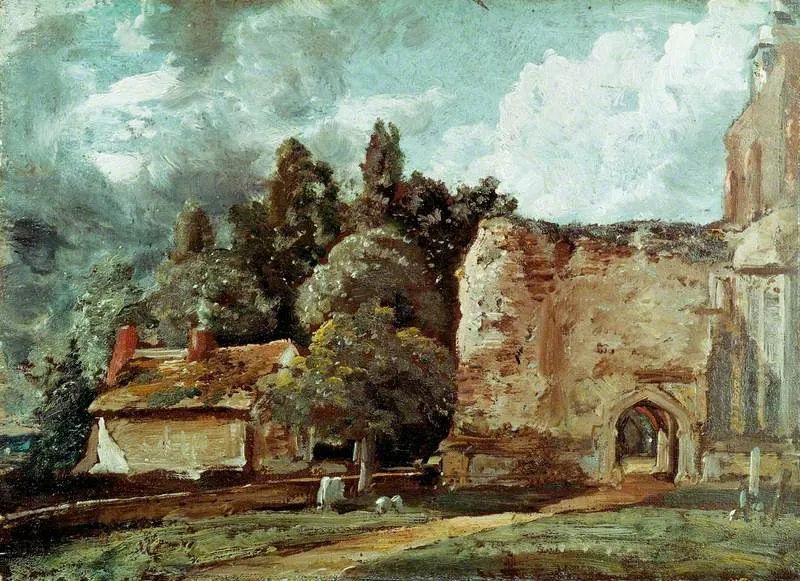
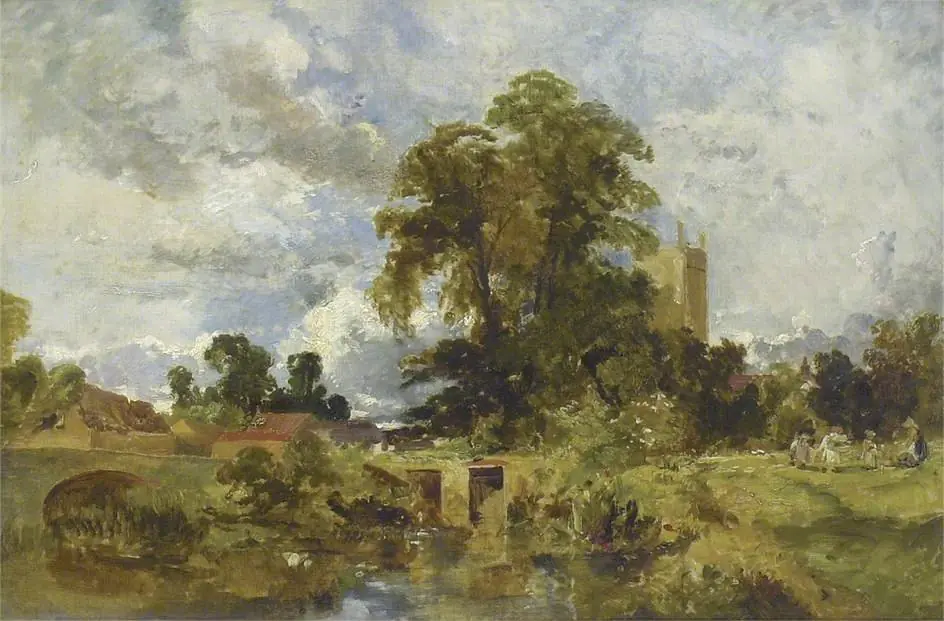
East Bergholt Church: The Ruined Tower at the West End is an oil painting by John Constable. It dates from 1810 and is held in the collection of the Victoria and Albert Museum.
About this work
Overview
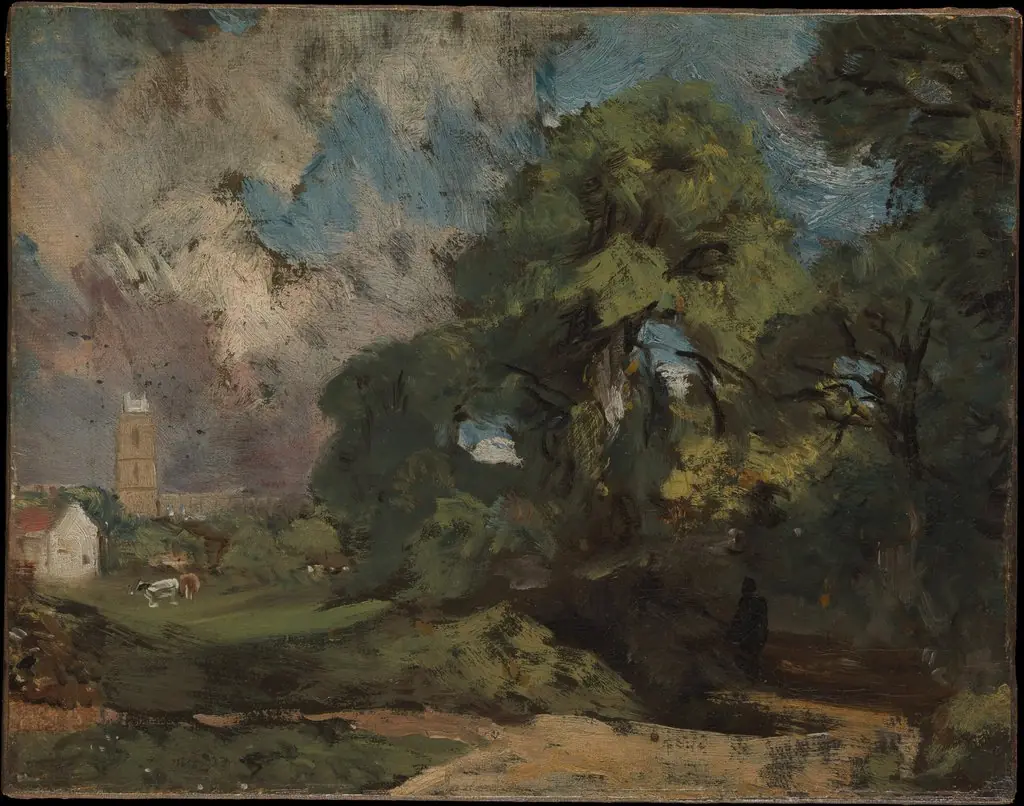
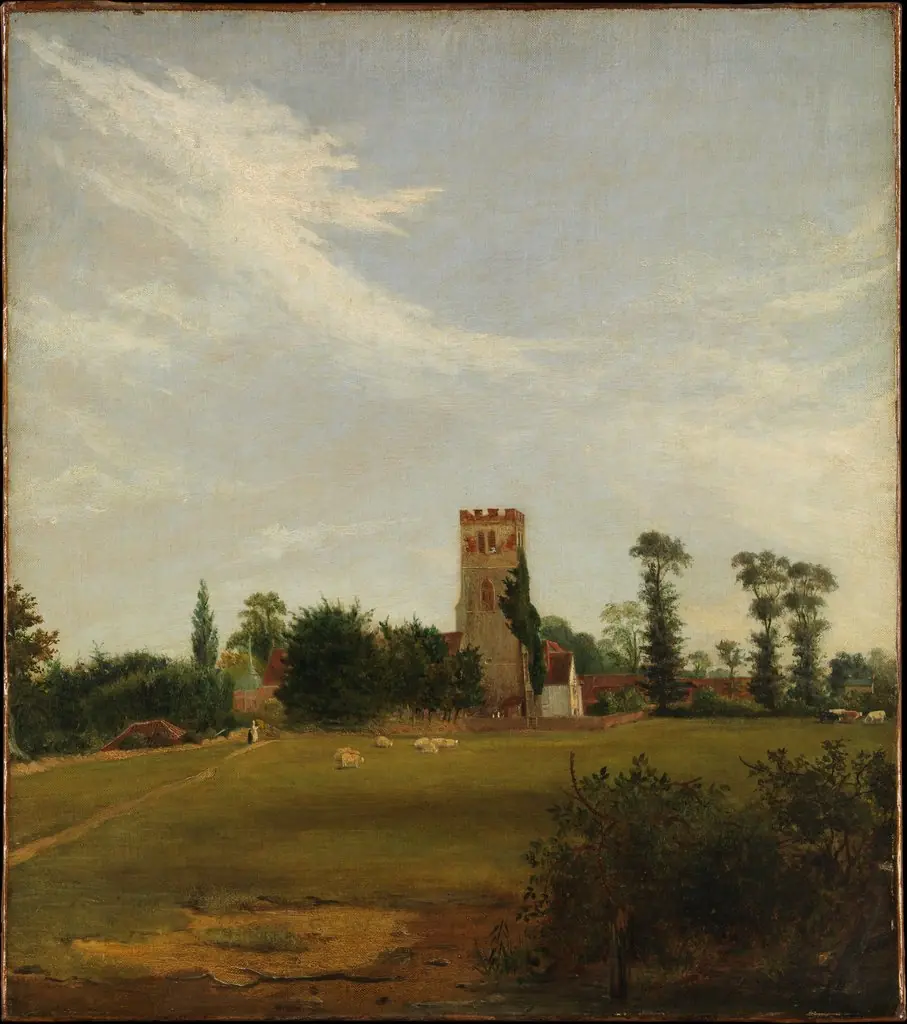
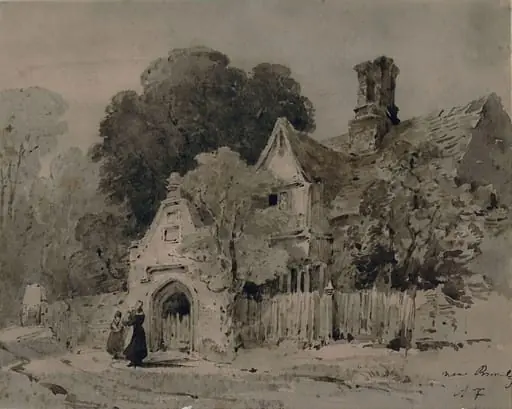
Painted in 1810 by John Constable, this oil work depicts the western tower of East Bergholt Church in Suffolk, England, in a state of partial decay.
Painted in 1810 by John Constable, this oil work depicts the western tower of East Bergholt Church in Suffolk, England, in a state of partial decay. The composition centers on the crumbling stone structure, framed by surrounding vegetation and a winding path. The scene is rendered with quiet realism, avoiding dramatic embellishment. It resides today in the Victoria and Albert Museum, London, as part of its collection of British landscape art.
Subject & Meaning
The painting captures a local ecclesiastical ruin, likely reflecting the decline of rural religious architecture in early 19th-century England. Rather than idealizing the past, Constable presents the tower with unembellished honesty, emphasizing time’s quiet erosion. The inclusion of a path suggests human presence, yet the absence of figures underscores solitude and abandonment. The subject invites contemplation of impermanence without overt sentimentality.
Technique & Style
Constable employs subtle chiaroscuro to model the tower’s weathered surfaces, lending volume to the stone fragments and casting soft shadows across the path. The palette is restrained—dominated by earthy browns, muted greens, and pale blues—enhancing the painting’s somber tone. Brushwork is deliberate but not polished, favoring naturalistic texture over idealized finish. The sky, lightly rendered with drifting clouds, balances the weight of the ruin below.
History & Provenance
Created during Constable’s early career, the painting stems from his deep familiarity with the Suffolk countryside, where he was born and raised. It was likely painted on-site, as was his practice. The work remained in private hands until acquired by the Victoria and Albert Museum in the 19th century, where it has since been preserved as an example of his formative landscape studies.
Context
In the early 1800s, many rural churches in England were neglected or partially dismantled as congregations shrank. Constable’s focus on such a site aligns with a growing interest in the vernacular and the effects of time on local landmarks. Unlike grand historical scenes favored by academic painters, this work elevates the ordinary, reflecting a shift toward personal, regional observation in British art.
Legacy
This painting exemplifies Constable’s early commitment to truthful landscape representation, a foundation for his later, more celebrated works. Its quiet dignity influenced subsequent generations of British artists who sought to depict the natural and architectural environment without romanticization. Though modest in scale, it remains a significant record of a changing rural landscape and the artist’s evolving vision.
Artist & collection
Artist
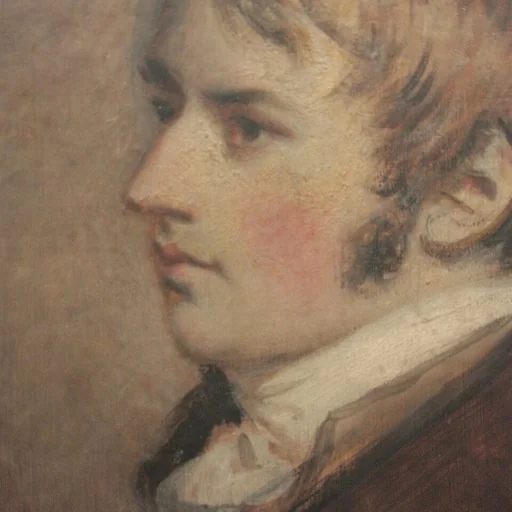
John Constable (; 11 June 1776 – 31 March 1837) was an English landscape painter in the Romantic tradition.