Artwork
The Farmyard
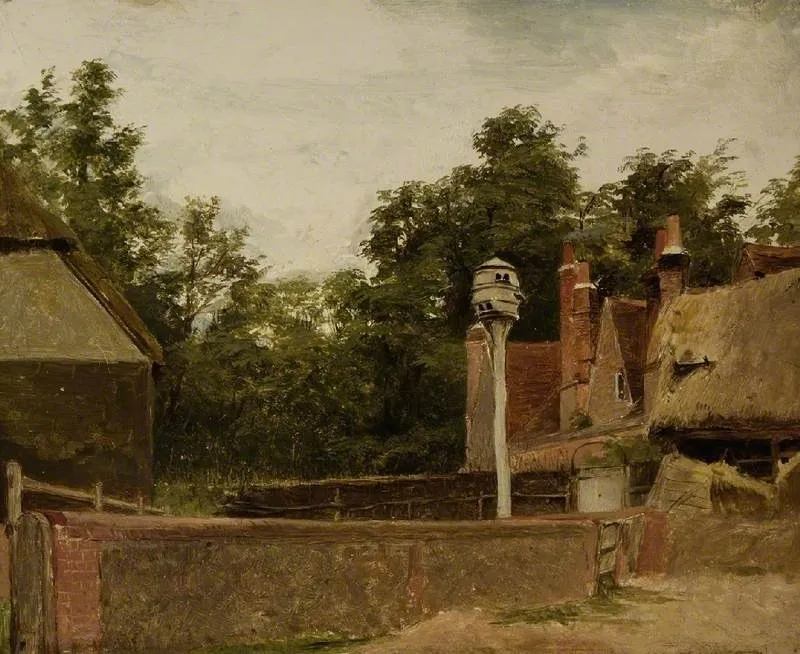
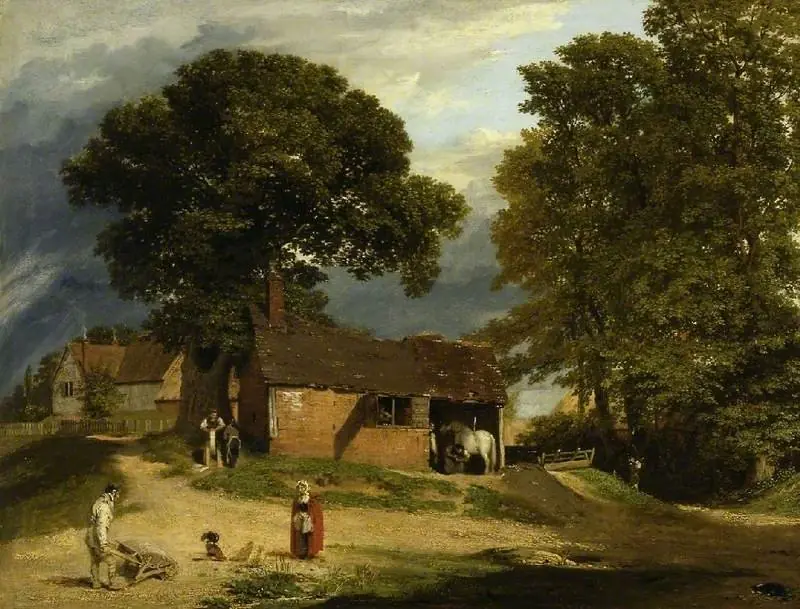
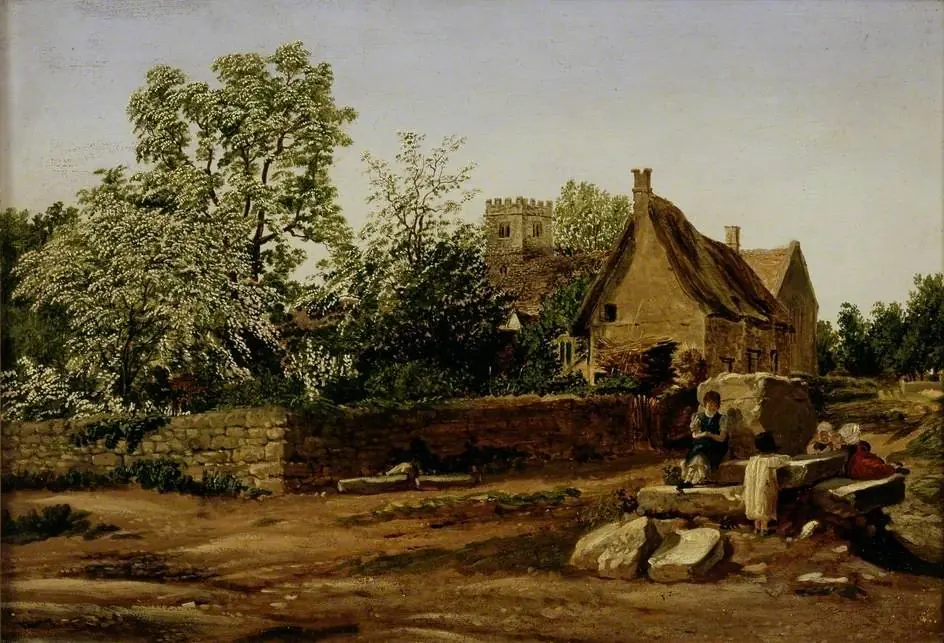
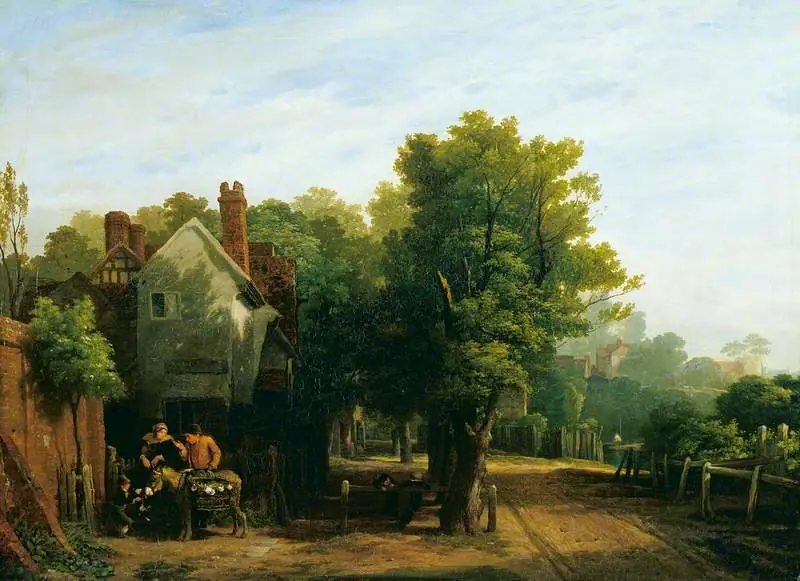
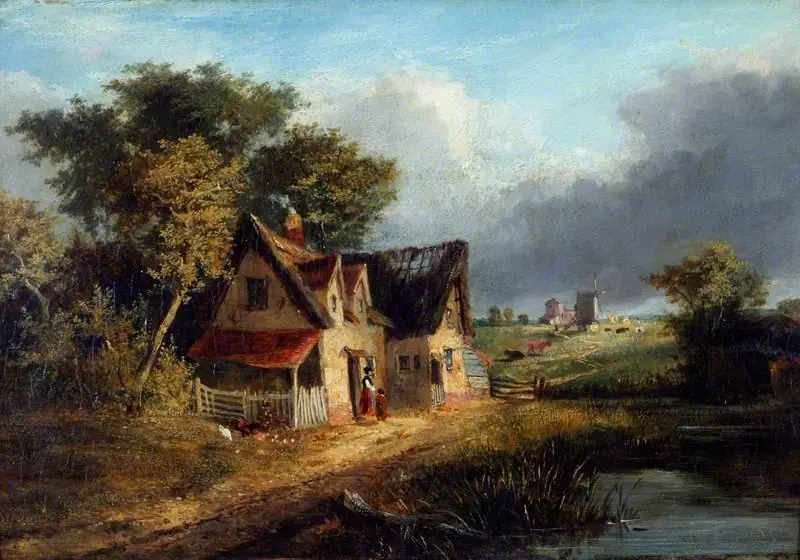
The Farmyard is an unspecified painting by Augustus Egg. It dates from 1849 and is held in the collection of the Fitzwilliam Museum.
About this work
Overview
The Farmyard, a painting by Augustus Leopold Egg, dates to around 1849. Characteristic of Egg's work with The Clique, it explores everyday life through a narrative lens, focusing on domestic and social themes.
Subject & Meaning
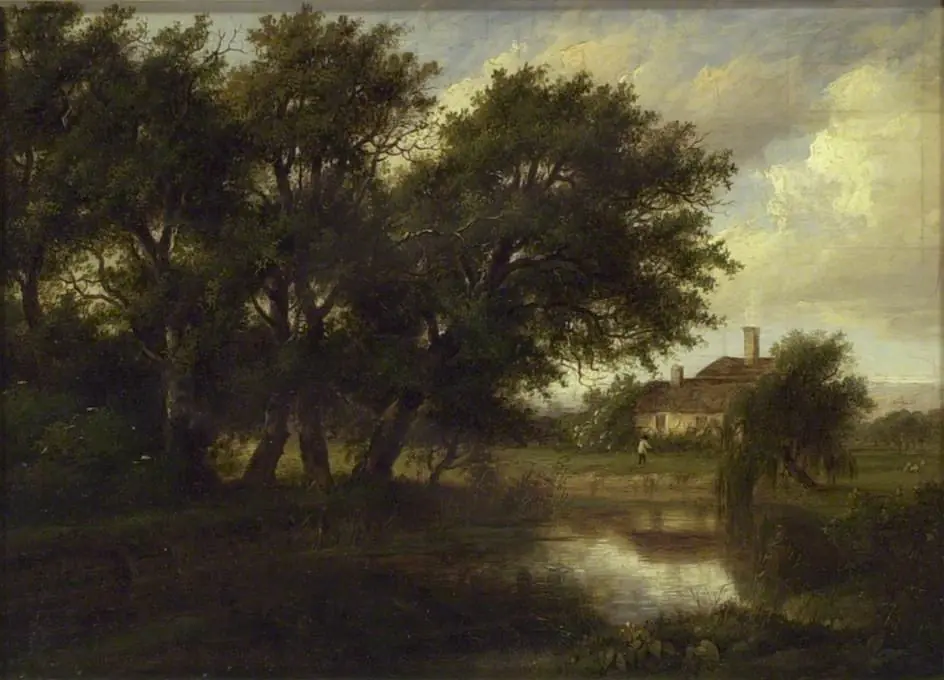
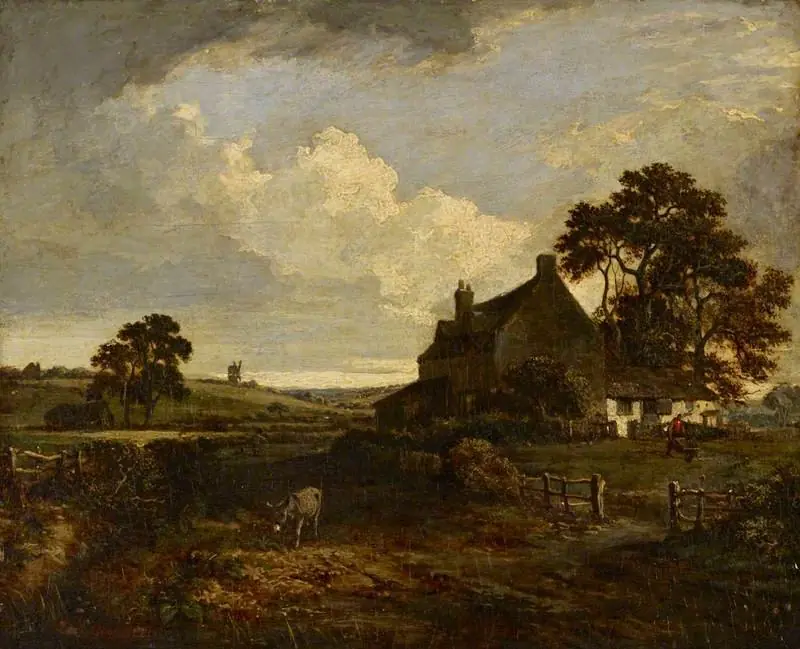
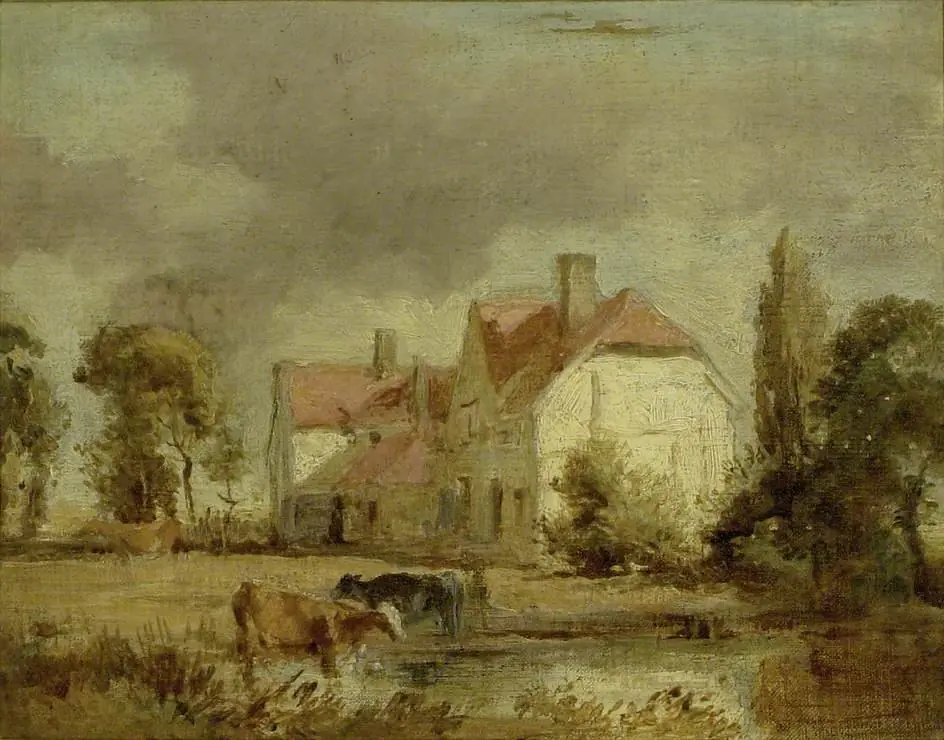
Depicting a serene rural farmyard, the painting reflects Egg's interest in genre scenes during this period. The composition conveys a sense of simplicity and tranquility, inviting social observation of a peaceful, everyday setting.
Technique & Style
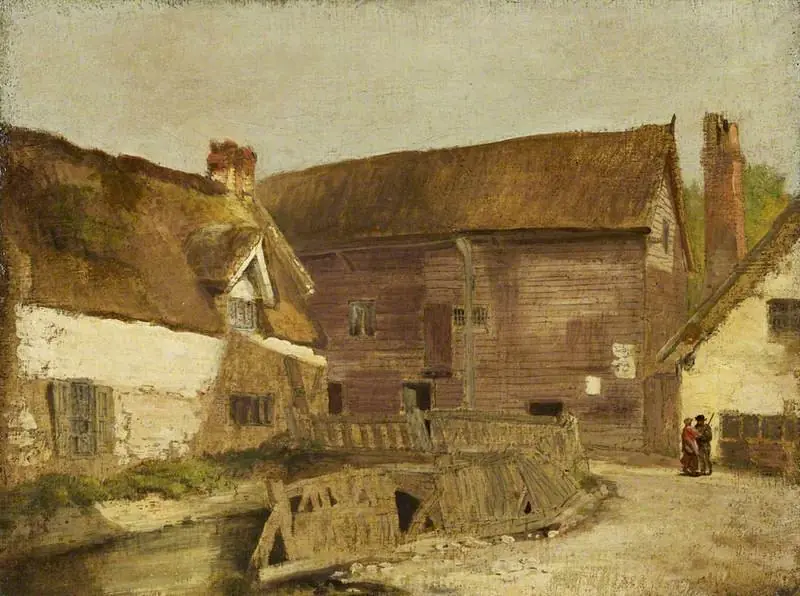
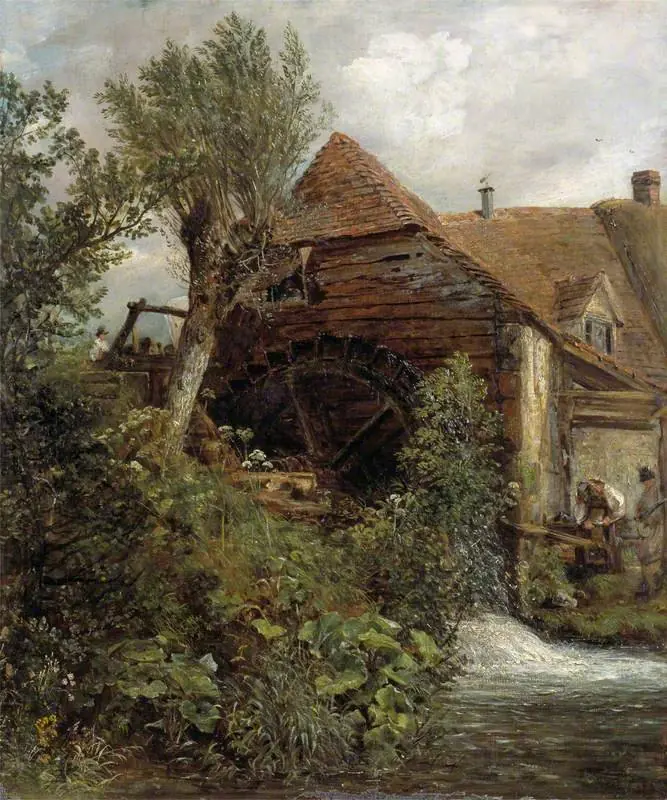
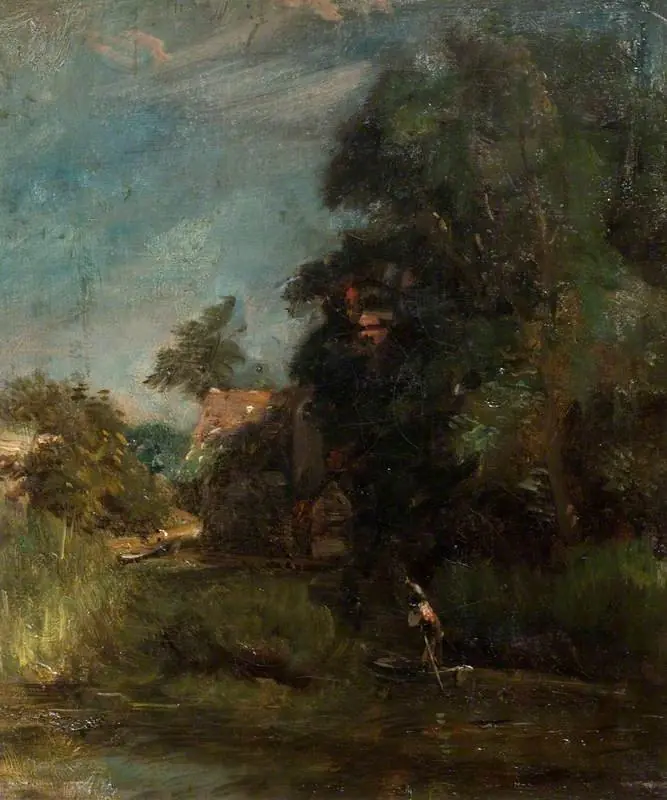
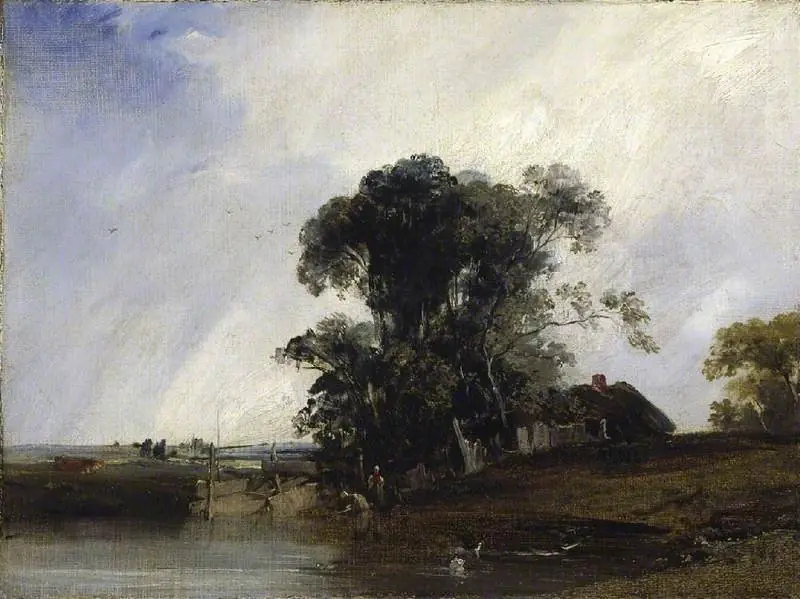
Egg employs muted colors to create a calm atmosphere. The painting's straightforward composition, featuring a central dovecote, a thatched-roof cottage, and natural elements, underscores its serene and simple aesthetic.
History & Provenance
Created circa 1849, The Farmyard is part of Egg's body of work from his association with The Clique, a group known for its emphasis on narrative and domestic themes in art.
Context
Within the broader context of Victorian art, The Farmyard represents a departure from more dramatic themes, instead emphasizing the quiet beauty of rural, everyday life—a hallmark of Egg's genre-focused approach.
Legacy
While not widely renowned beyond its genre, The Farmyard contributes to the understanding of Egg's contribution to Victorian narrative painting, particularly in capturing serene domestic and rural scenes.
Artist & collection
Artist
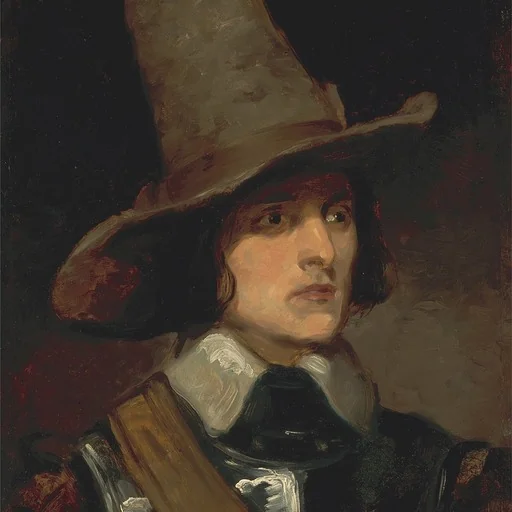
Augustus Leopold Egg RA (2 May 1816 – 26 March 1863) was a British Victorian artist, and member of The Clique best known for his modern triptych Past and Present (1858), which depicts the breakup of a middle-class Victorian family.