Artwork
Landscape
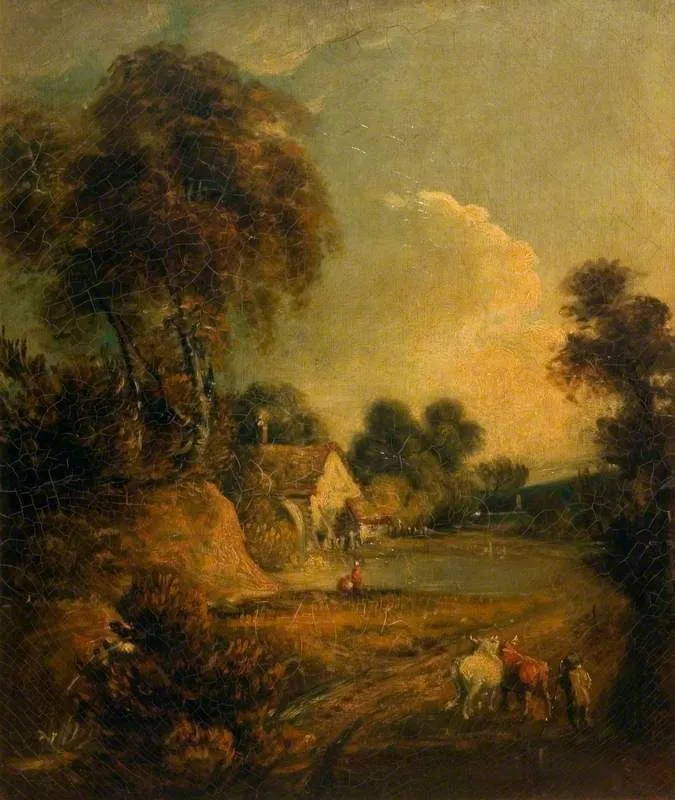
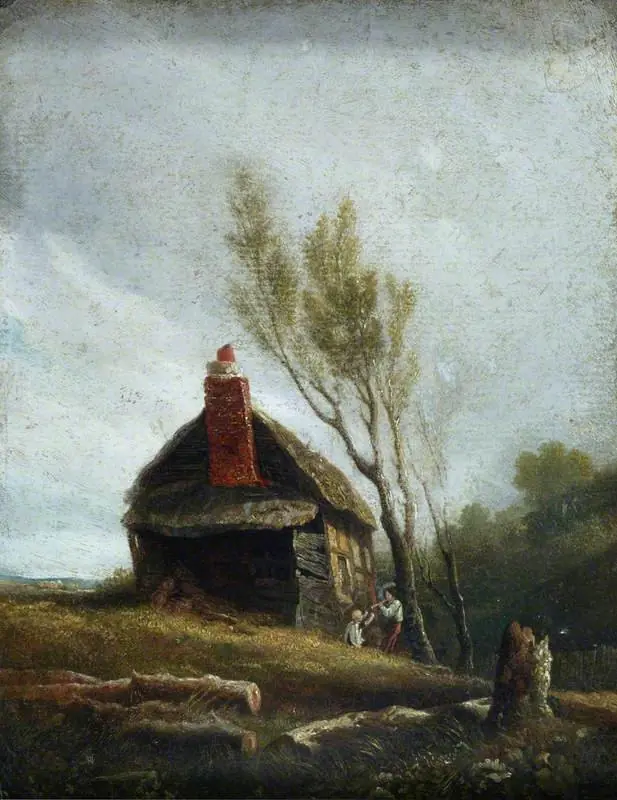
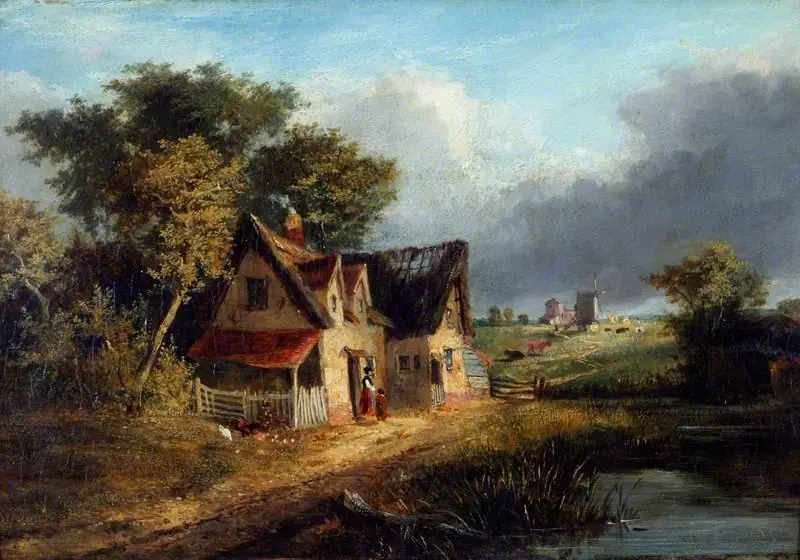
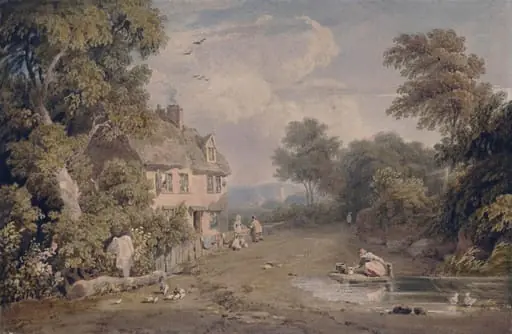
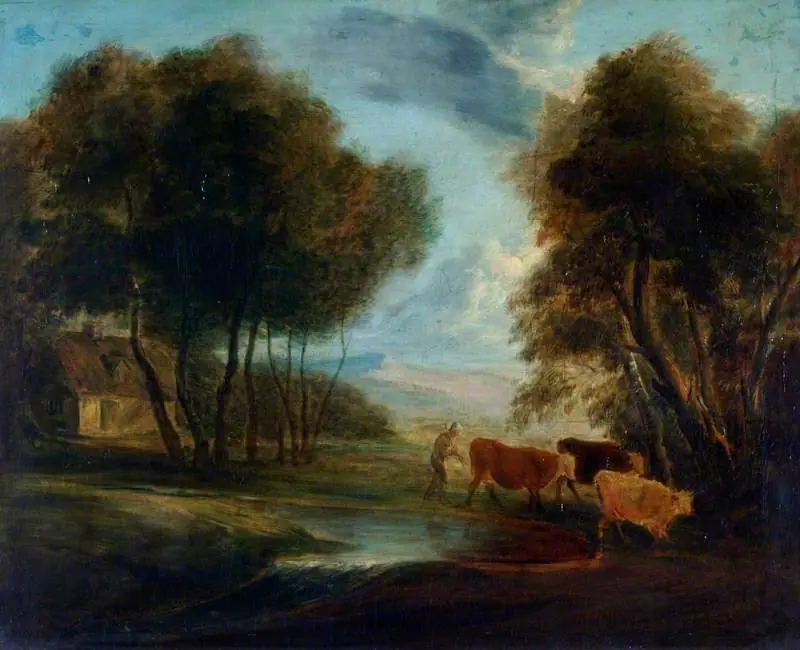
Landscape is an unspecified painting by John Constable. It dates from 1816 and is held in the collection of the Victoria and Albert Museum.
About this work
Overview
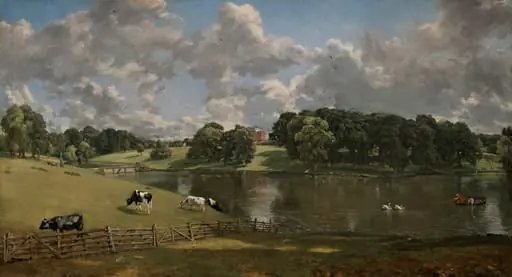
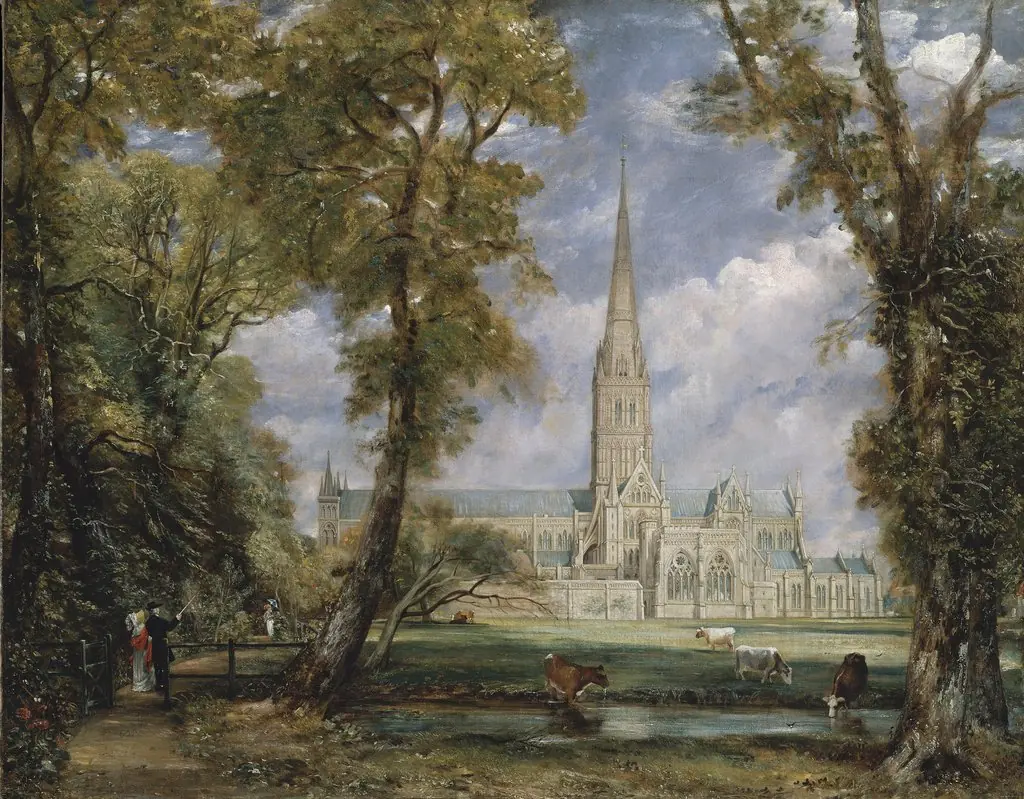
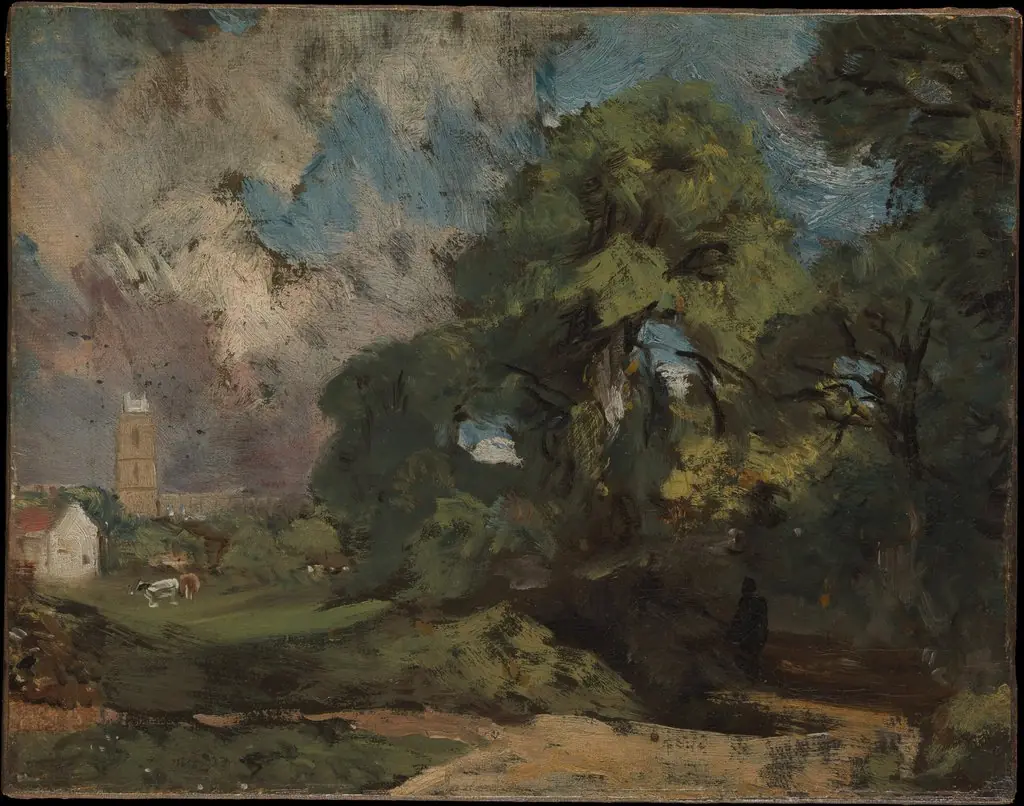
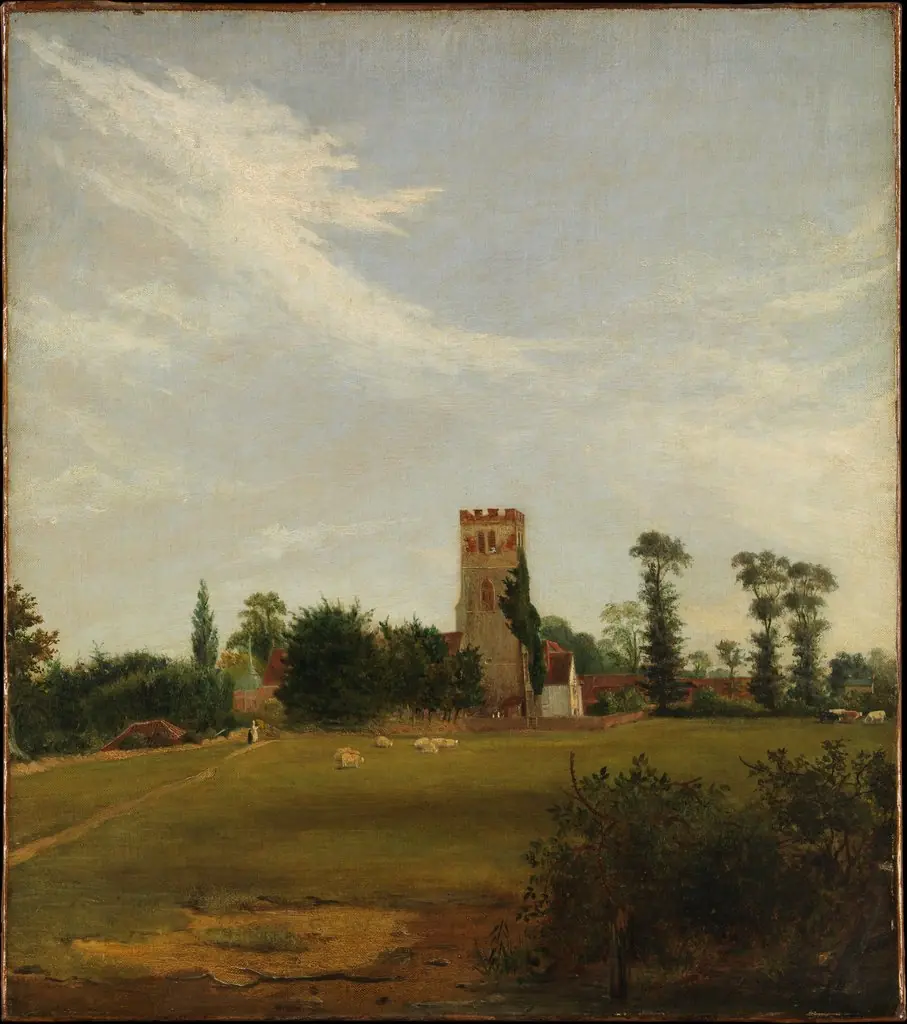
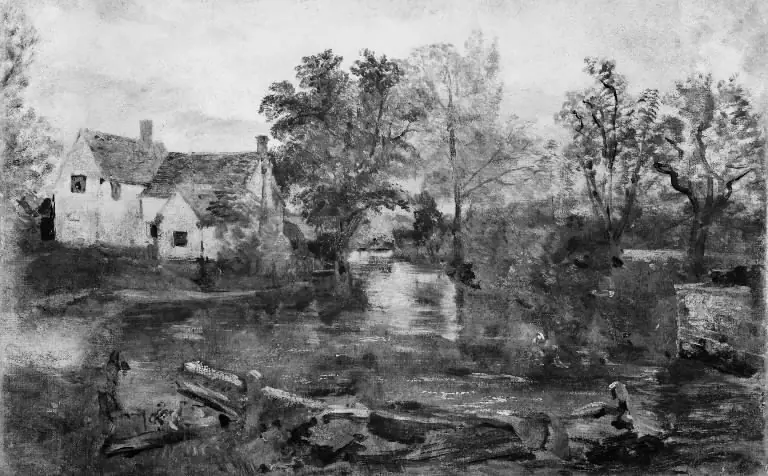
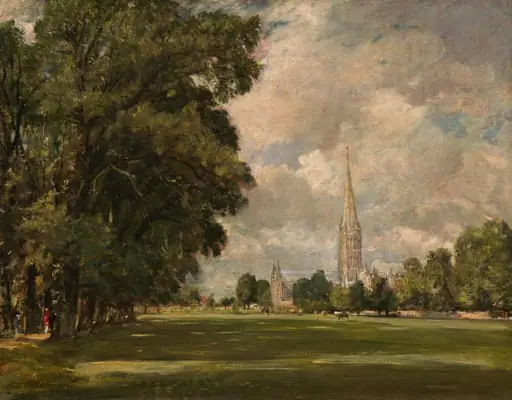
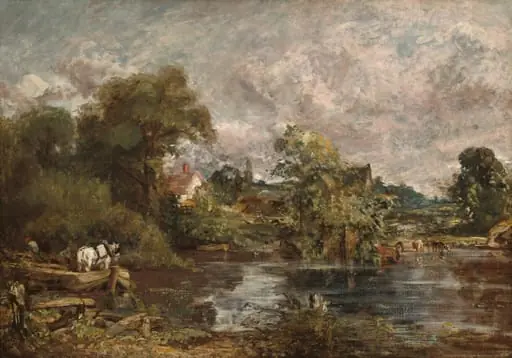
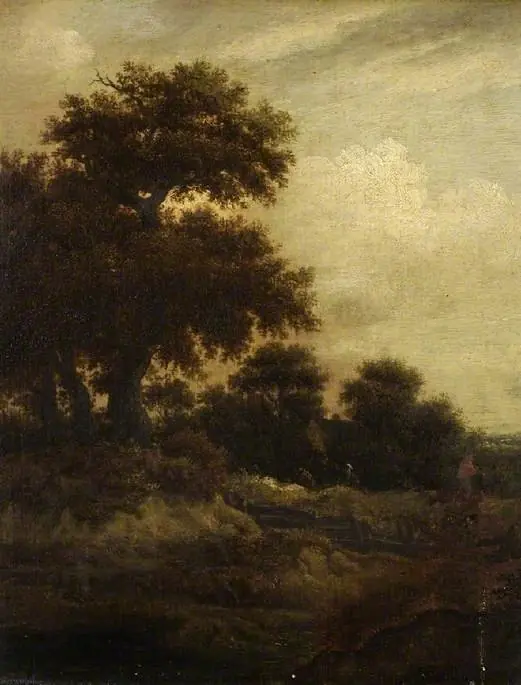
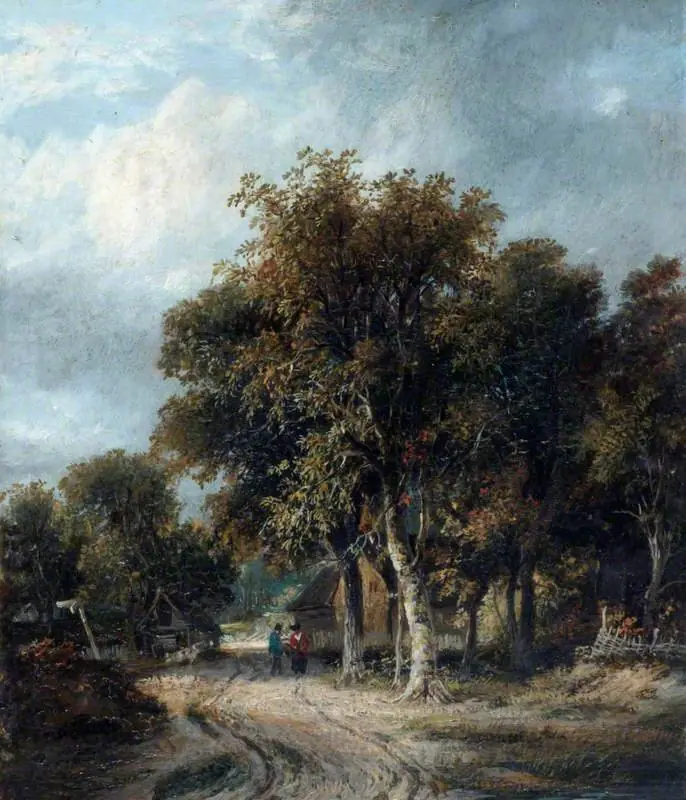
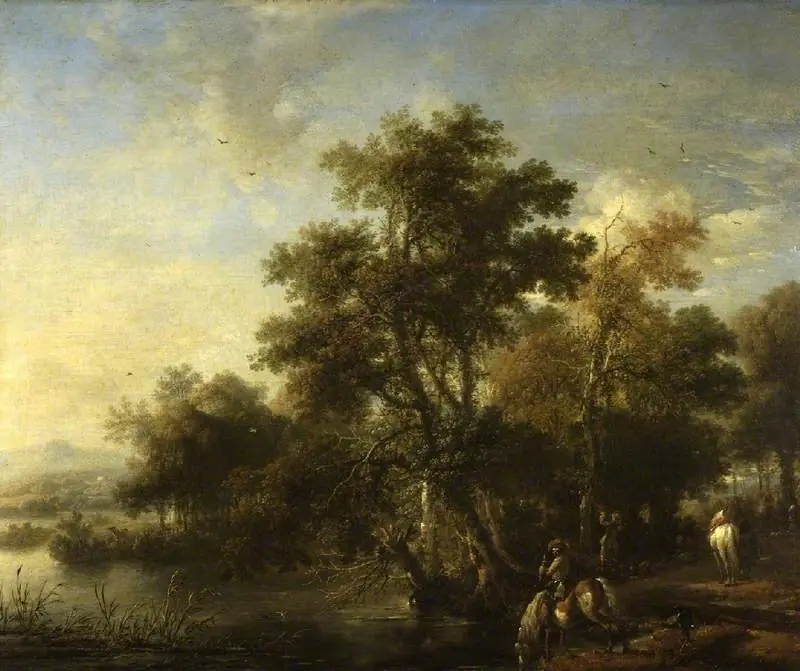
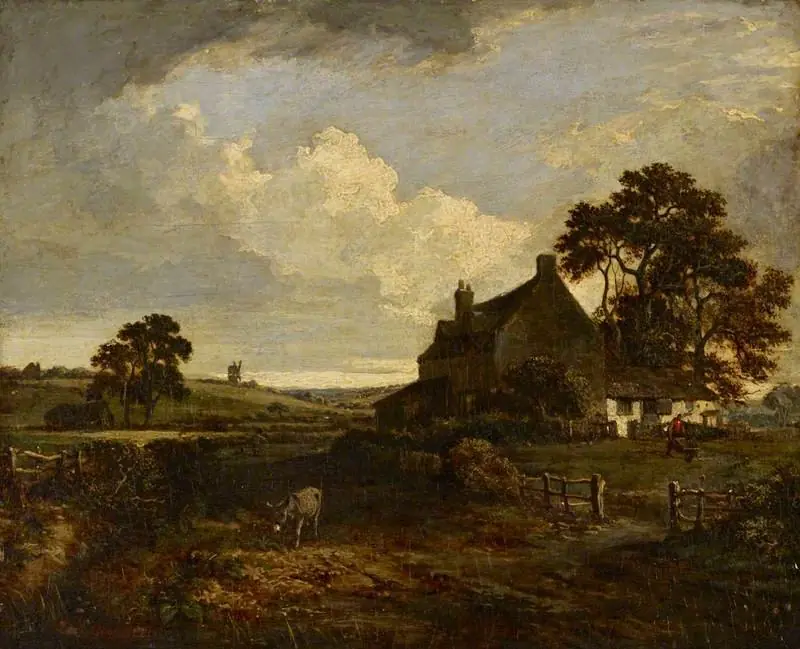
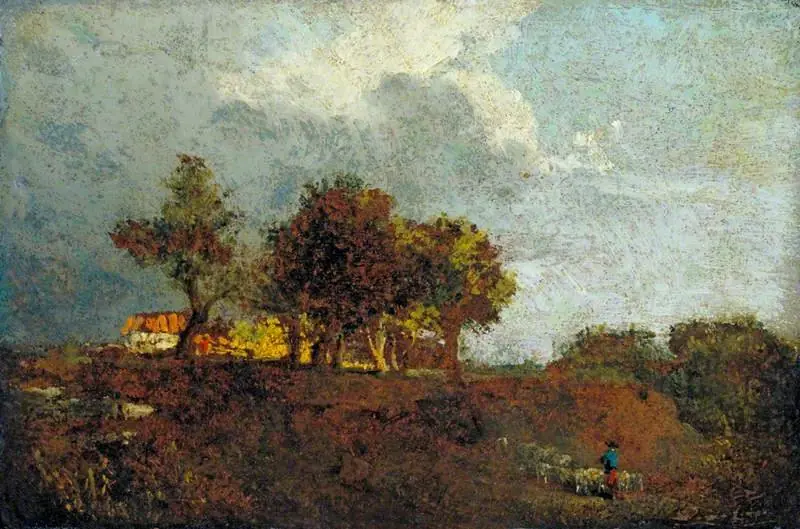
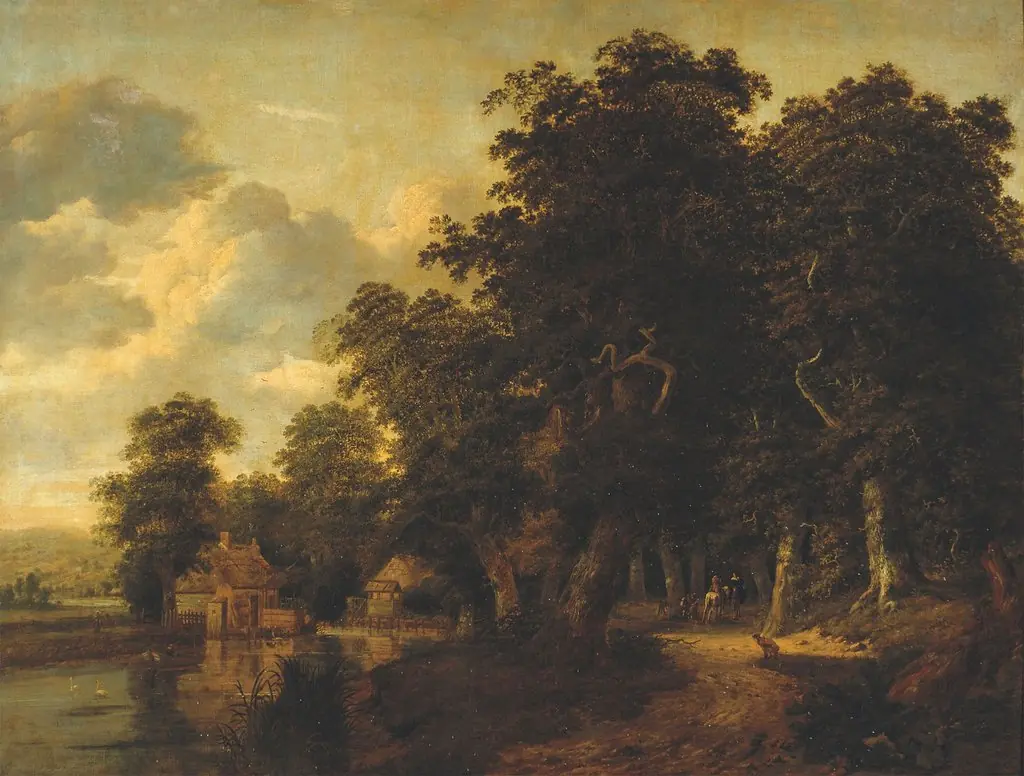
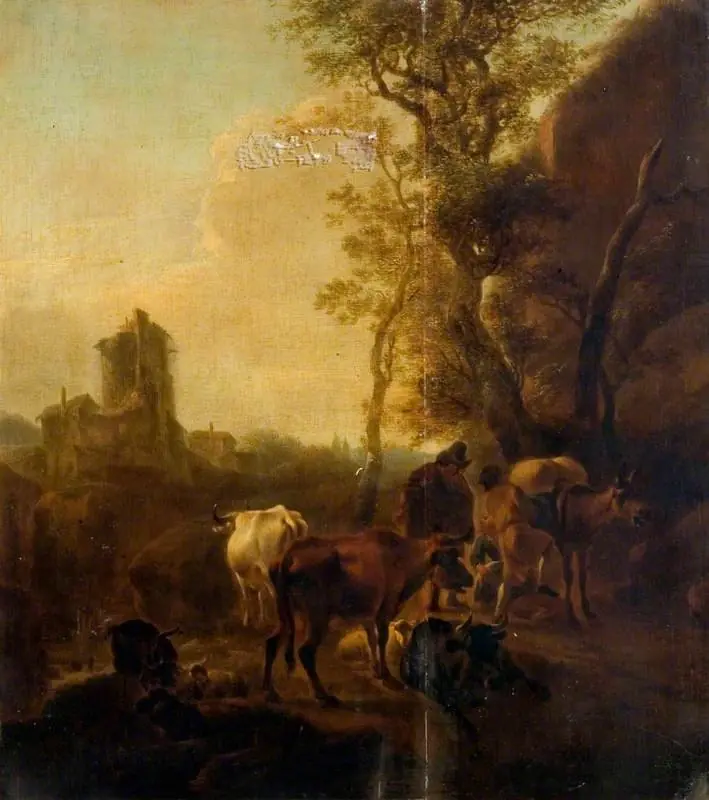
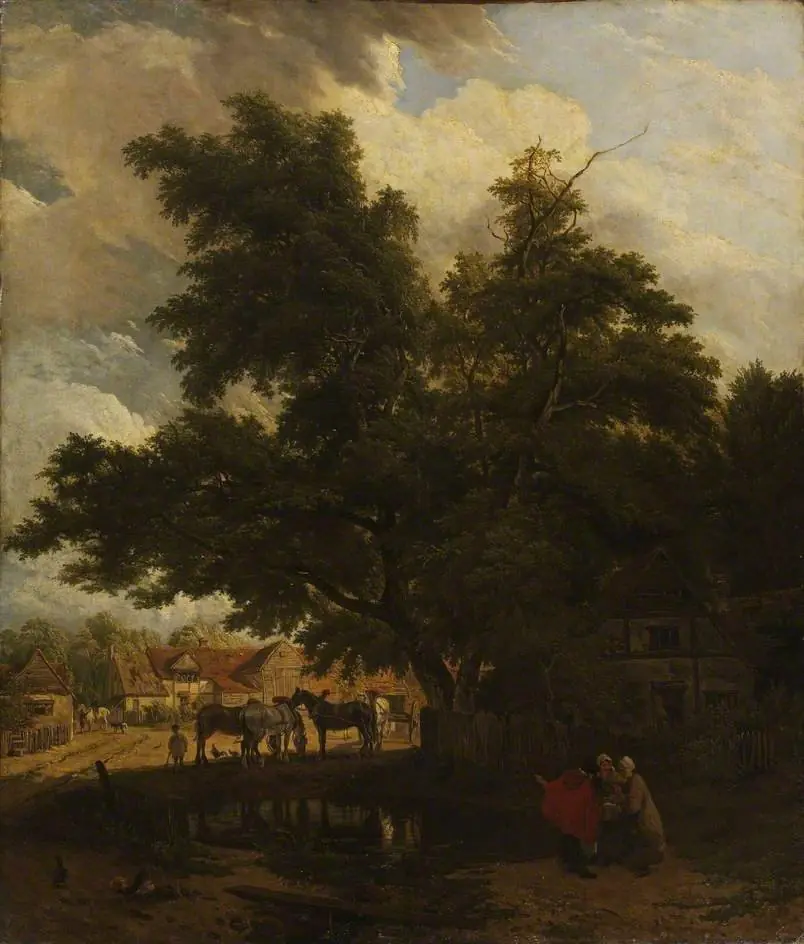
Painted around 1816, this landscape by John Constable captures a quiet rural scene in Suffolk, England. It is part of the Victoria and Albert Museum’s collection and exemplifies Constable’s dedication to depicting the English countryside with observational precision. The composition balances natural elements with subtle human presence, avoiding idealization in favor of lived-in authenticity.
Subject & Meaning
The painting portrays a tranquil agricultural setting with two horses and a figure, likely a farmer, near a path. Distant buildings suggest a modest rural community. The scene holds no dramatic narrative but conveys the rhythm of daily life in the countryside. Constable’s focus on ordinary moments reflects his belief in the dignity of the natural world as it was, not as it was imagined.
Technique & Style
Constable employed loose, visible brushwork to render foliage, sky, and earth with tactile immediacy. Earth tones—olive greens, muted browns, and soft grays—dominate the palette, reinforcing the painting’s grounded atmosphere. The texture of the paint mimics the roughness of soil and bark, while the sky, though subtle, suggests shifting light and weather, a hallmark of his approach to naturalism.
History & Provenance
Created during Constable’s early mature period, the work was likely painted in or near his native Suffolk. It entered the Victoria and Albert Museum’s collection in the 19th century, part of a broader effort to preserve British art tied to national identity. Its preservation reflects its significance as a document of rural life before industrialization transformed the landscape.
Context
In early 19th-century England, landscape painting was gaining cultural weight as urbanization accelerated. Constable’s works stood apart from romanticized Alpine scenes popular abroad, instead grounding art in local topography and weather. This painting aligns with a growing interest in the English countryside as a subject worthy of serious artistic attention.
Legacy
Though not among Constable’s most famous works, this painting contributes to his enduring influence on landscape painting. His commitment to direct observation and atmospheric detail inspired later artists, including the French Barbizon School and early Impressionists. It remains a quiet testament to the value of ordinary places seen with sustained attention.
Artist & collection
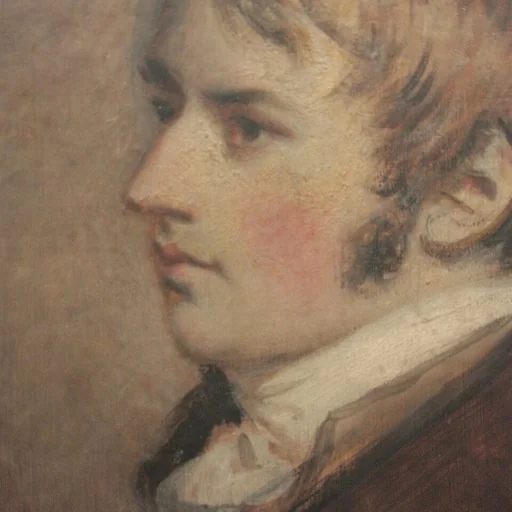
Artist
John Constable (; 11 June 1776 – 31 March 1837) was an English landscape painter in the Romantic tradition.