Artwork
Mill
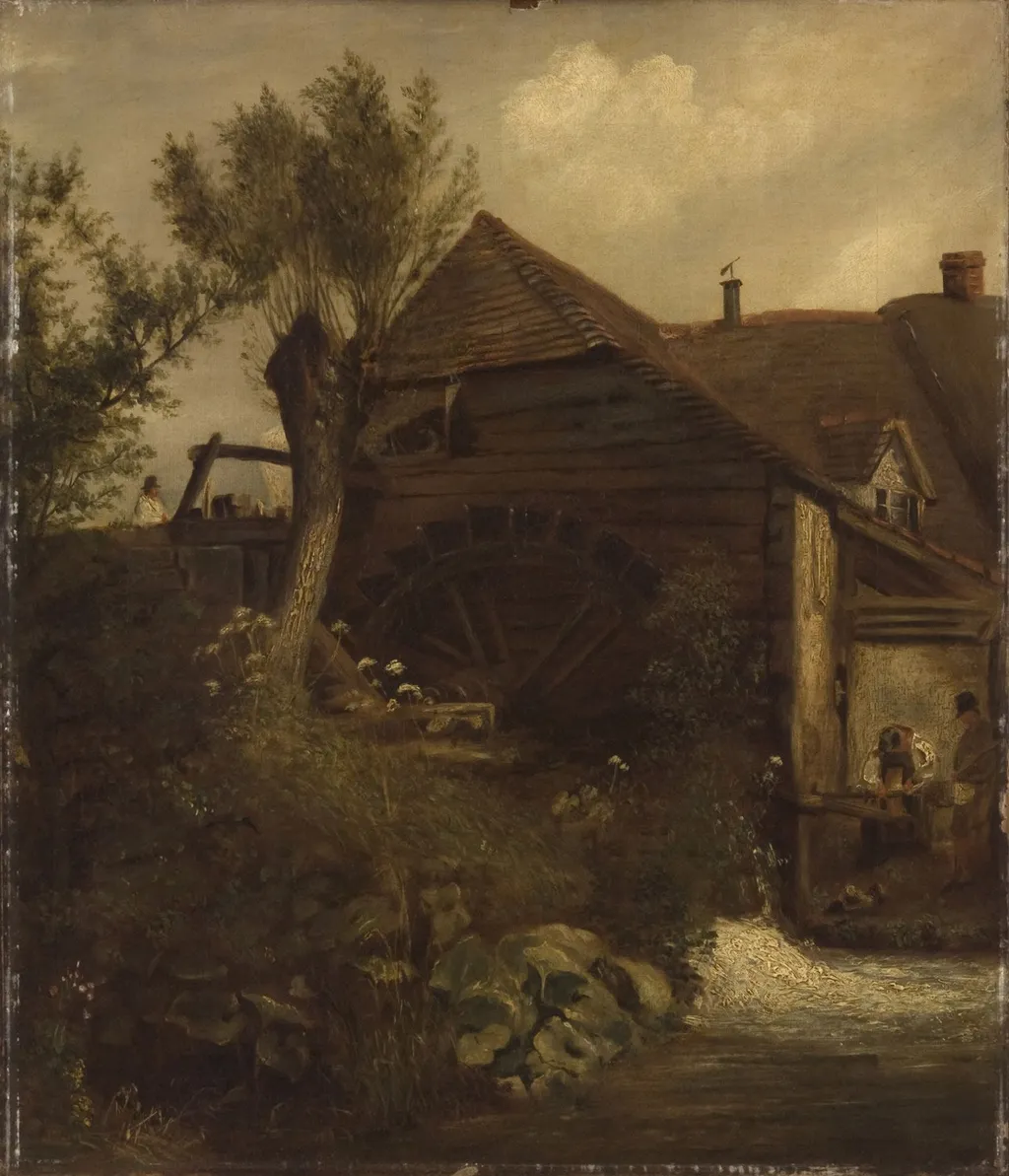
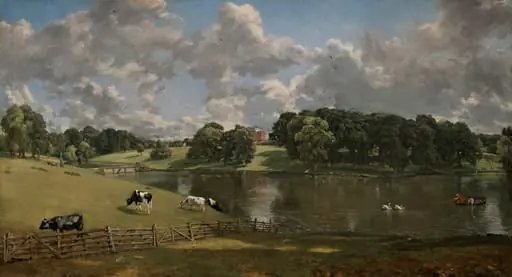
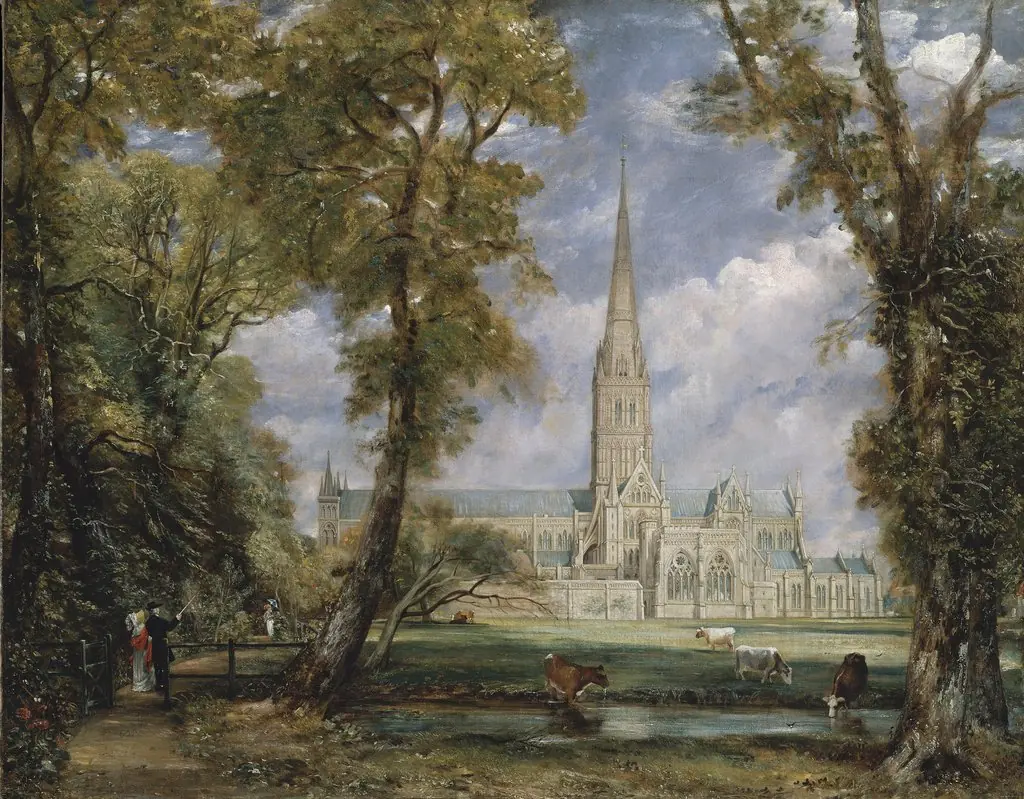
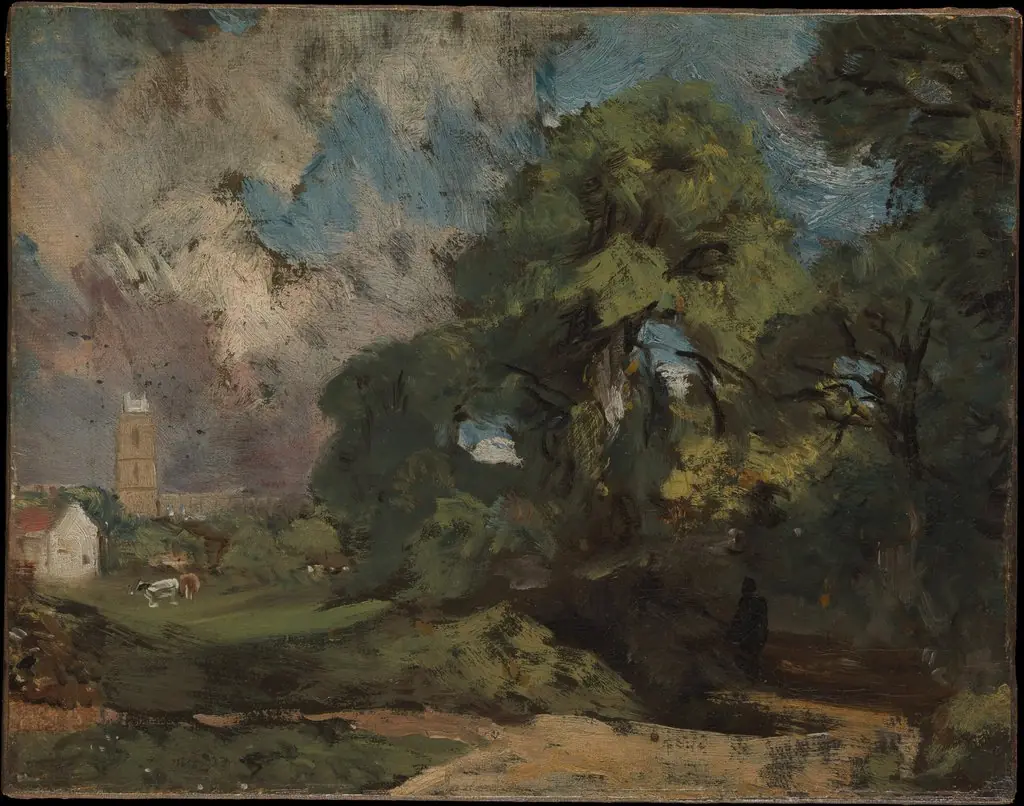
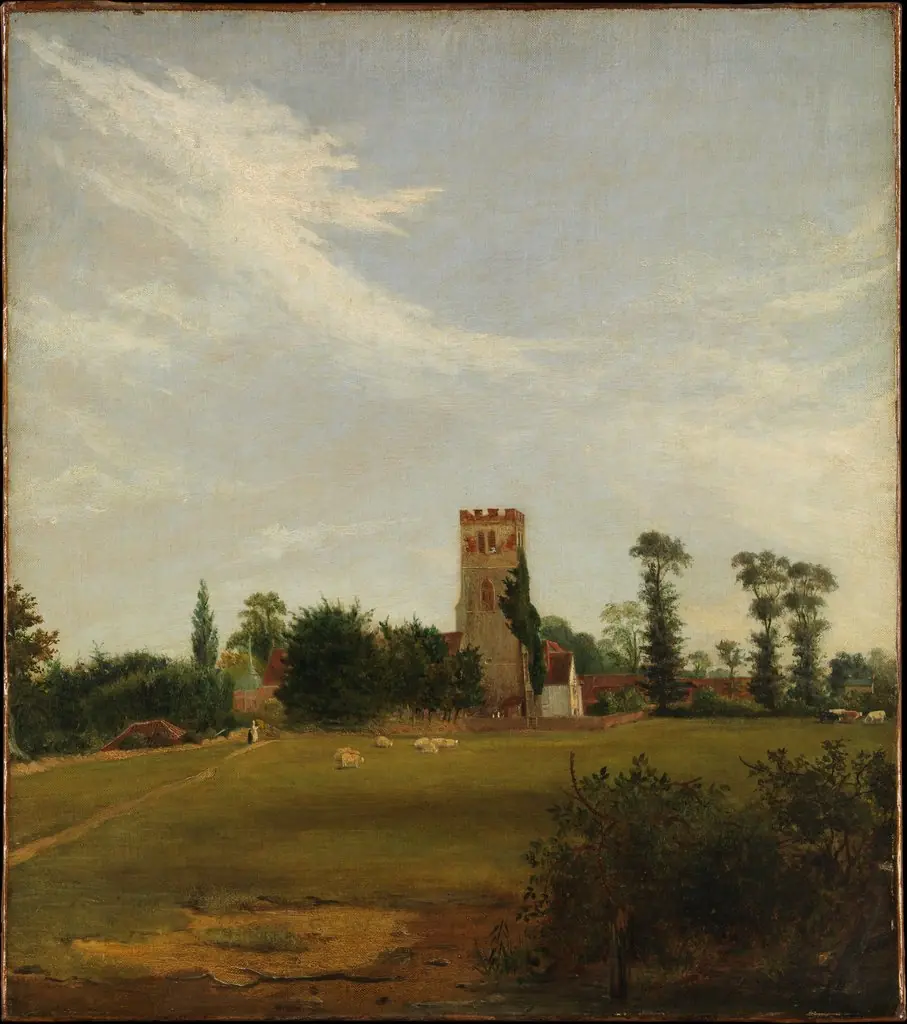
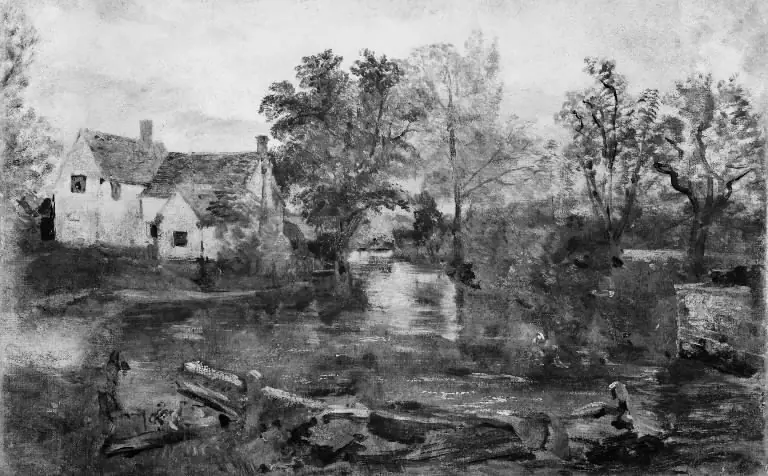
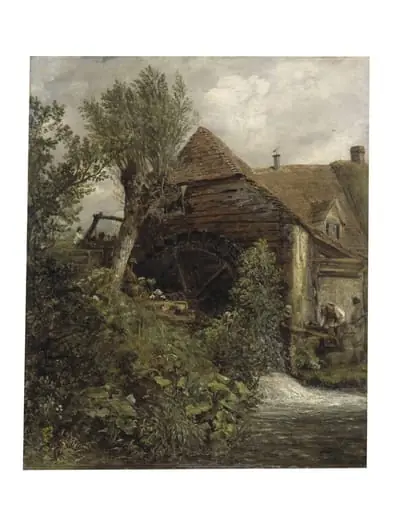
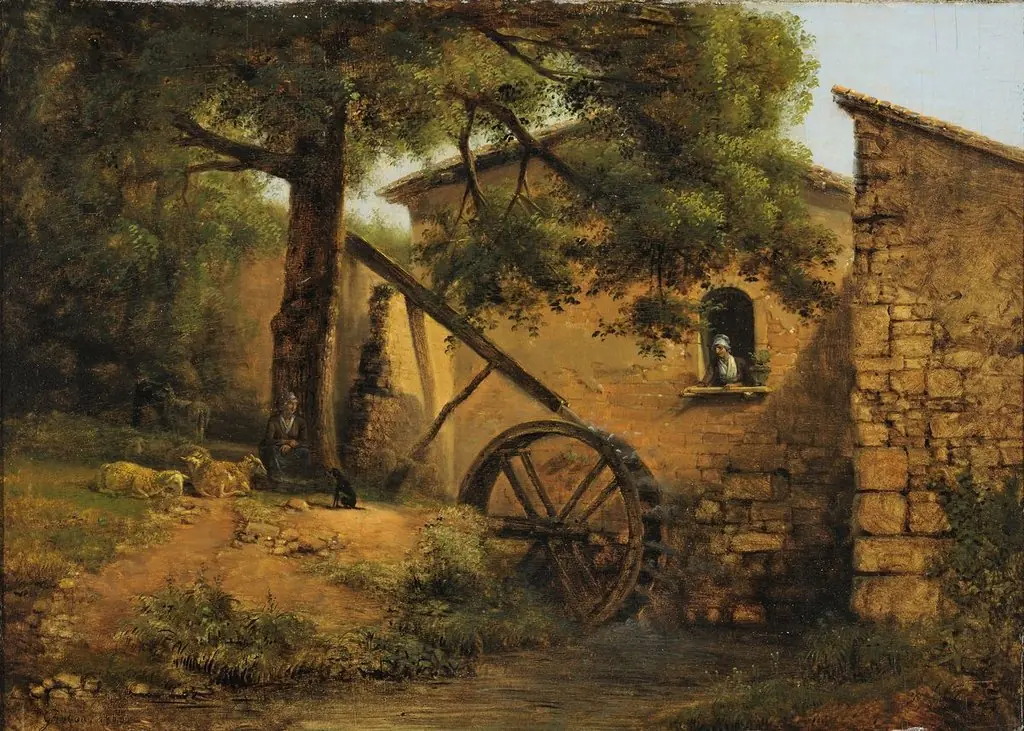
Mill is an oil painting by John Constable. It dates from 1816 and is held in the collection of the Philadelphia Museum of Art.
About this work
Overview
Unlike grand historical scenes, it focuses on an ordinary working structure, rendered with quiet attention to natural detail and atmospheric conditions.
John Constable painted this oil on canvas around 1816, capturing a rural English mill nestled in a quiet landscape. The work is part of the Philadelphia Museum of Art’s collection and reflects Constable’s sustained interest in the English countryside. Unlike grand historical scenes, it focuses on an ordinary working structure, rendered with quiet attention to natural detail and atmospheric conditions.
Subject & Meaning
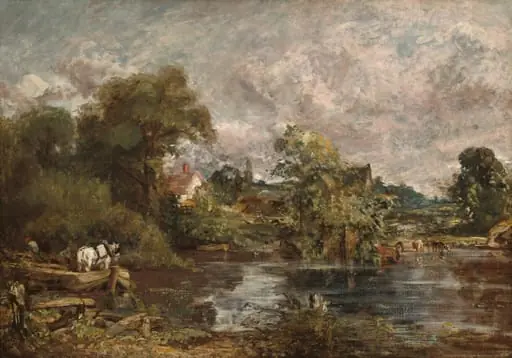
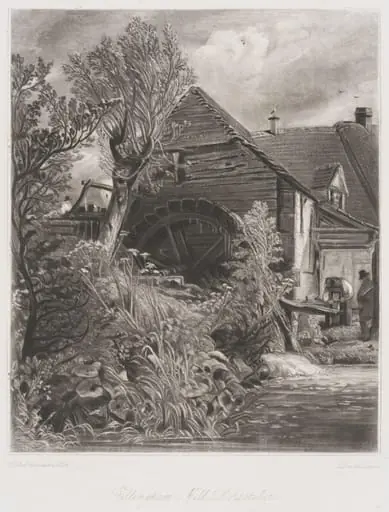
The painting centers on a watermill, its wooden frame and turning wheel integrated into the surrounding environment. A large tree anchors the foreground, framing the scene and suggesting the passage of time. The stillness of the stream and the soft sky convey a sense of harmony between human industry and nature, without overt symbolism—offering a contemplative view of rural labor as part of the land’s rhythm.
Technique & Style
Constable employed layered brushwork to render textures: the roughness of timber, the ripple of water, and the density of foliage. He used subtle gradations of green and gray to suggest depth, avoiding dramatic contrasts. Light is diffused evenly across the scene, enhancing realism without theatricality. His approach prioritized direct observation over idealization, grounding the composition in the visible world.
History & Provenance
Created during Constable’s early mature period, the painting likely stems from sketches made near his native Suffolk. It entered the Philadelphia Museum of Art’s collection in the 20th century, following earlier ownership by British collectors. Its journey reflects growing international interest in British landscape painting during the 1800s and early 1900s, though it never achieved widespread fame during Constable’s lifetime.
Context
In the early 1800s, industrialization was reshaping the British countryside, yet Constable chose to depict working mills not as symbols of progress, but as quiet fixtures within nature. His focus on such scenes aligned with a broader Romantic sensibility that valued rural life and the emotional resonance of place. This painting stands apart from the dramatic landscapes of his contemporaries, favoring intimacy over spectacle.
Legacy
Though not among Constable’s most exhibited works, this painting exemplifies his commitment to truthful observation of the natural world. It influenced later generations of landscape painters who sought to capture everyday environments with sincerity. Its presence in a major American museum underscores its role in shaping transatlantic appreciation for British art beyond the grand tradition.
Artist & collection
Artist
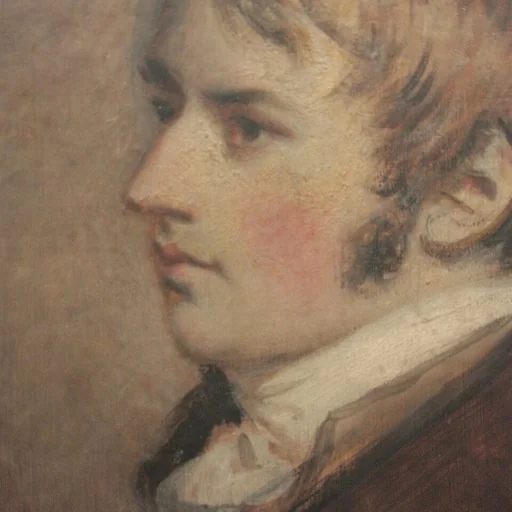
John Constable (; 11 June 1776 – 31 March 1837) was an English landscape painter in the Romantic tradition.