Artwork
Salisbury
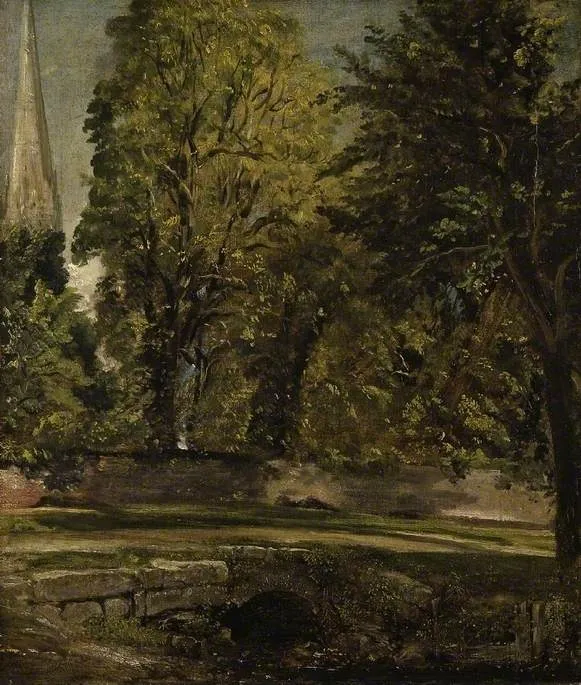
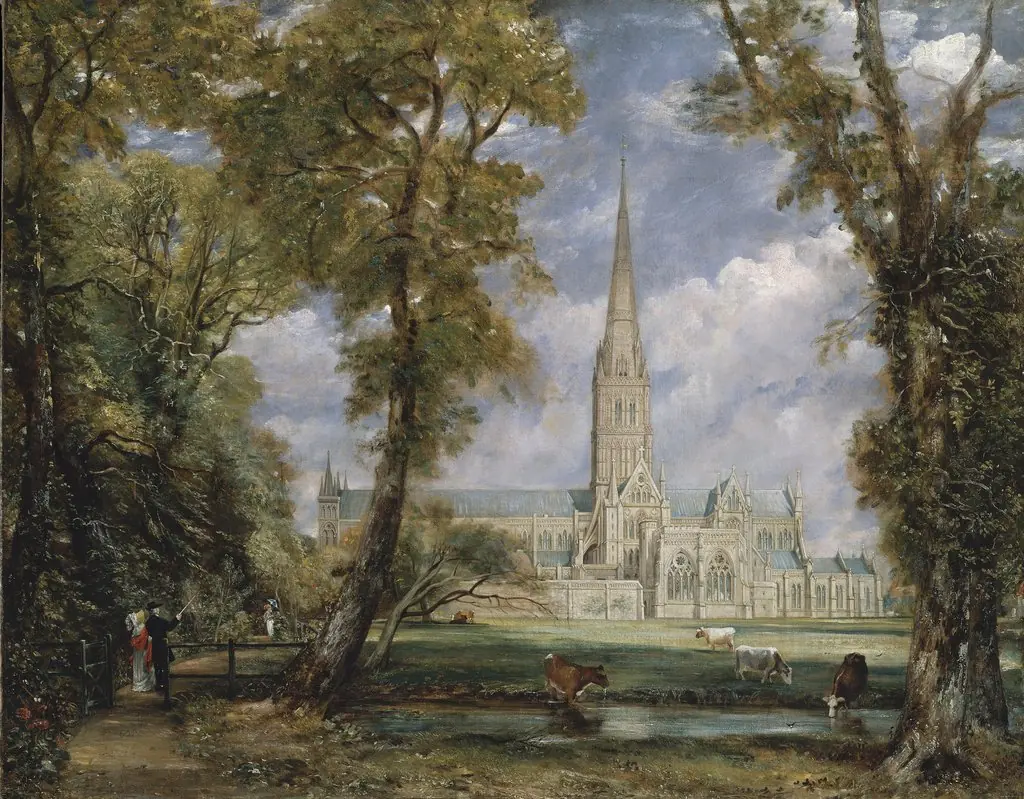
Salisbury is an oil painting by John Constable. It dates from 1829 and is held in the collection of the Fitzwilliam Museum.
About this work
Overview
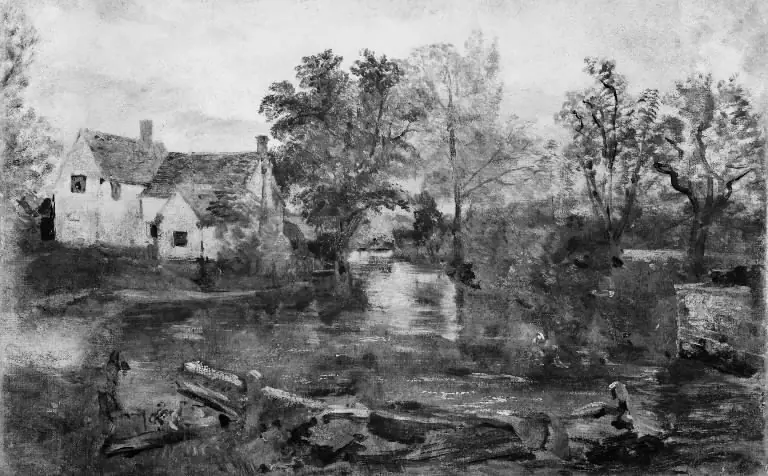
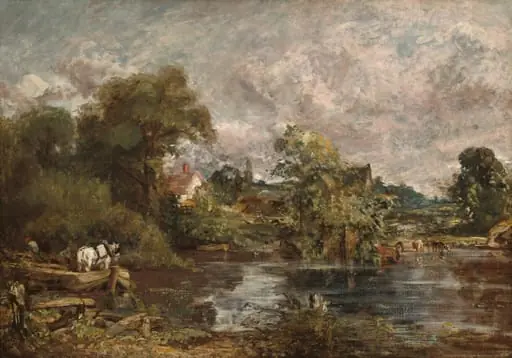
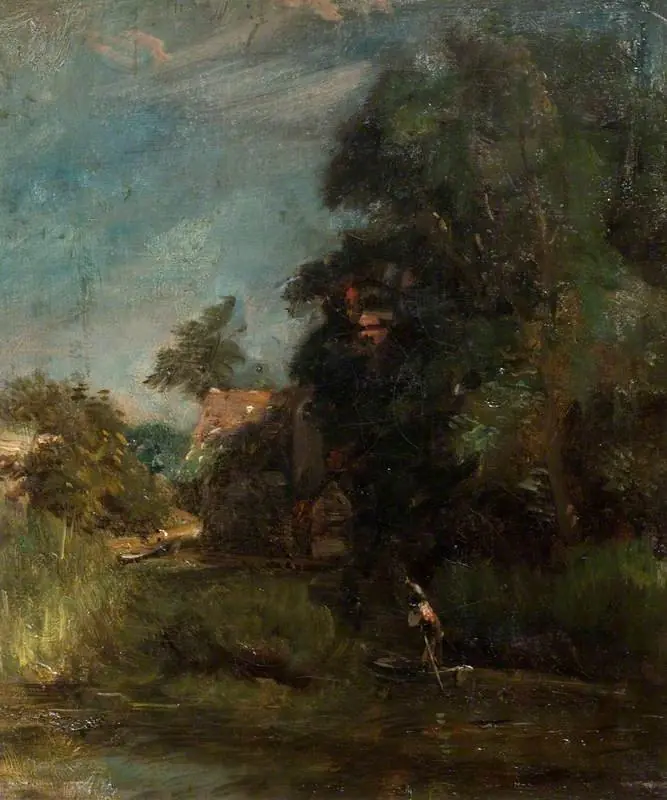
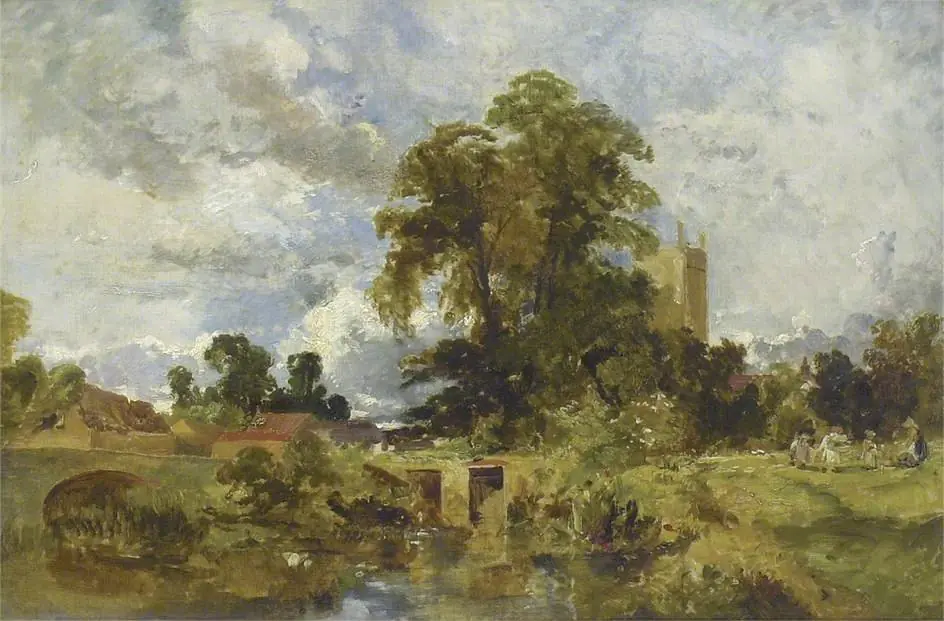
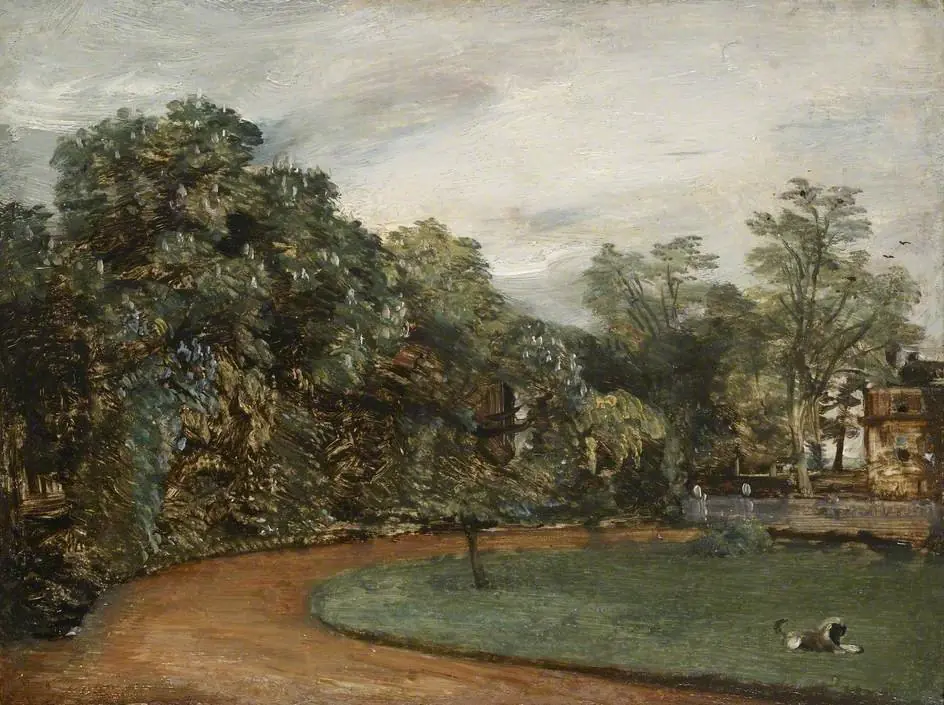
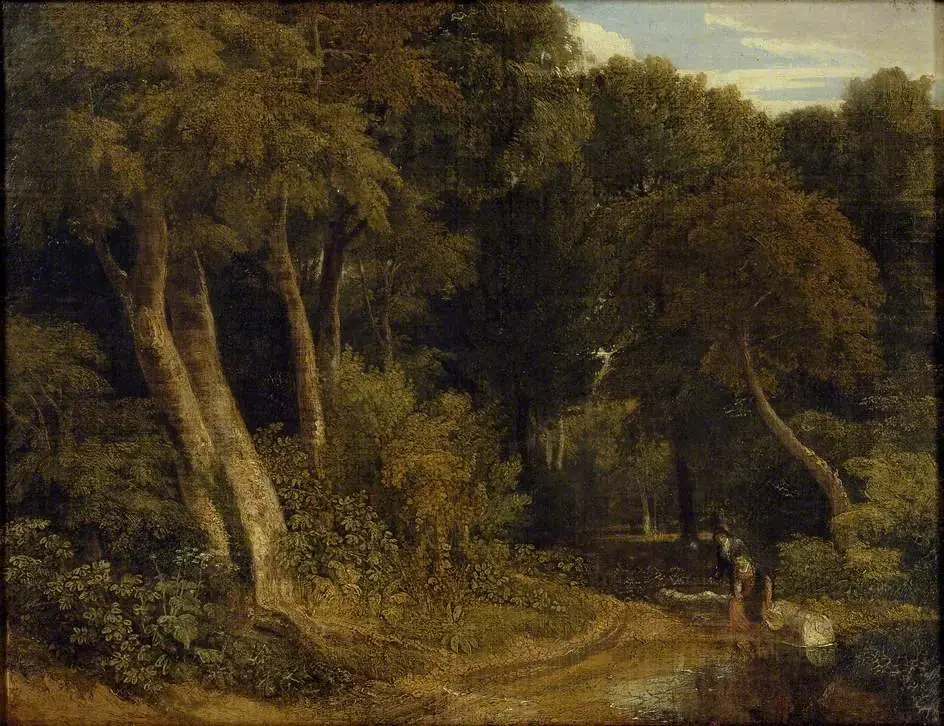
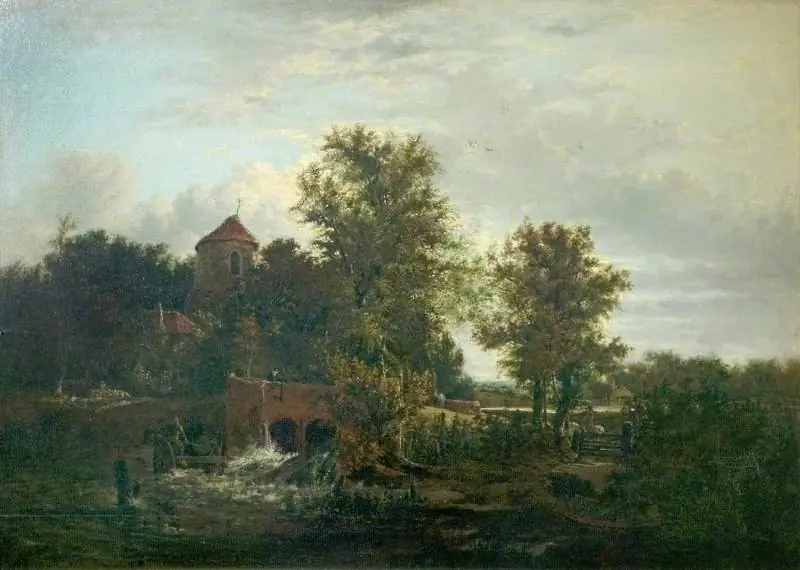
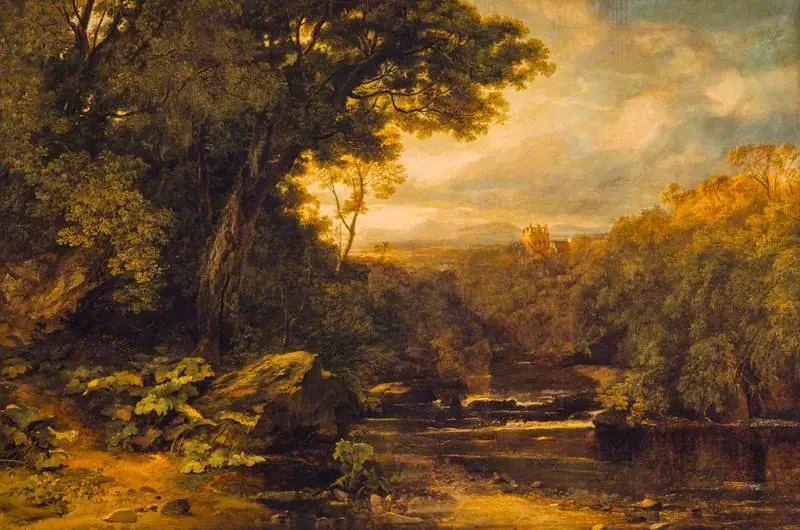
John Constable’s 1829 oil painting titled Salisbury depicts a rural scene centred on a stone bridge with a modest arch, framed by trees and shrubbery. A narrow path leads the eye toward a prominent spire rising on the left side of the composition. The work is part of the Fitzwilliam Museum’s collection in Cambridge.
Subject & Meaning
The landscape combines architectural and natural elements, juxtaposing the human‑made bridge and the distant ecclesiastical spire with the surrounding foliage. This arrangement reflects Constable’s interest in the interplay between cultivated land and the enduring presence of historic structures within the English countryside.
Technique & Style
Executed in oil on canvas, the painting employs a palette dominated by greens and earth tones. Constable’s brushwork is evident in the textured rendering of trees and bushes, while the sky is treated with a muted gray wash, creating atmospheric depth and a sense of weathered light.
History & Provenance
Created in 1829, Salisbury entered the holdings of the Fitzwilliam Museum, where it remains on display. The work exemplifies Constable’s mature period, produced shortly after his celebrated depictions of the River Stour, and contributes to the museum’s representation of early‑19th‑century British landscape painting.
Artist & collection

Artist
John Constable (; 11 June 1776 – 31 March 1837) was an English landscape painter in the Romantic tradition.