Artwork
A Woody Landscape
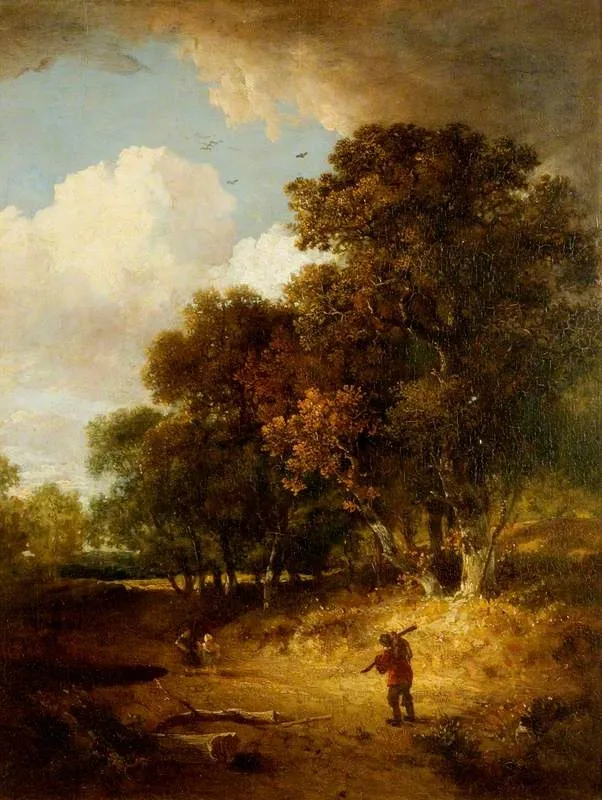
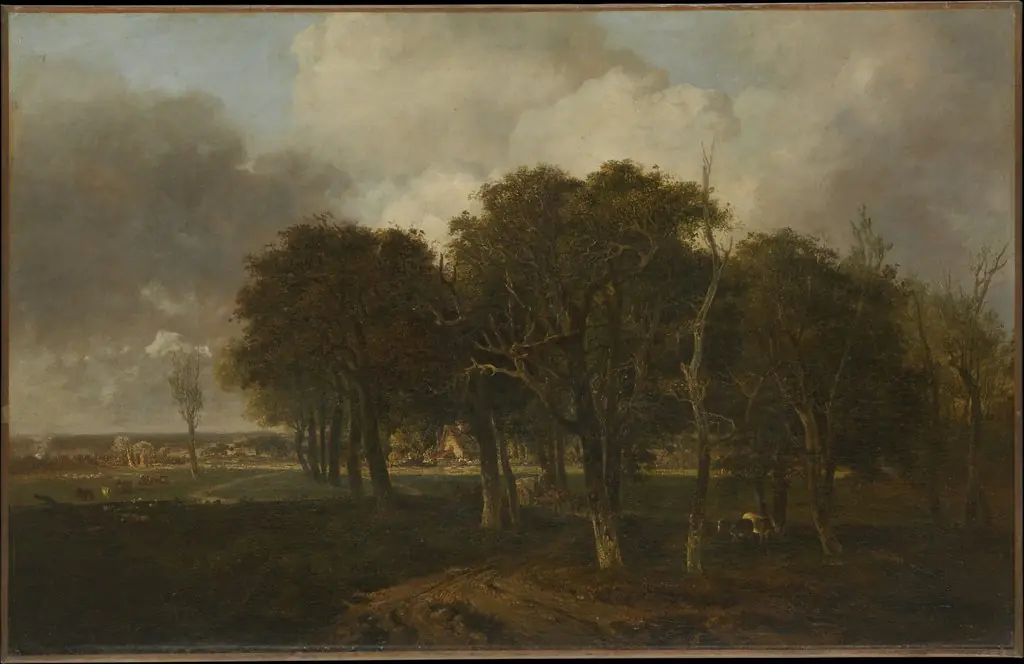
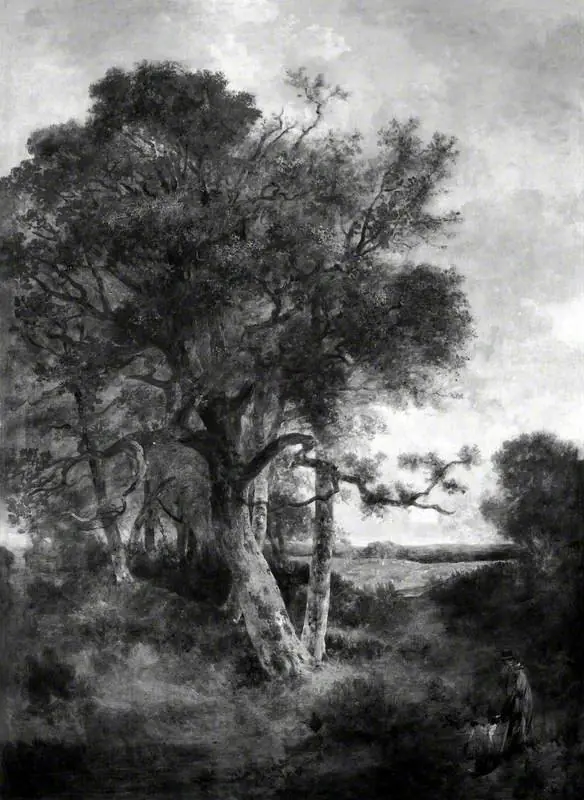
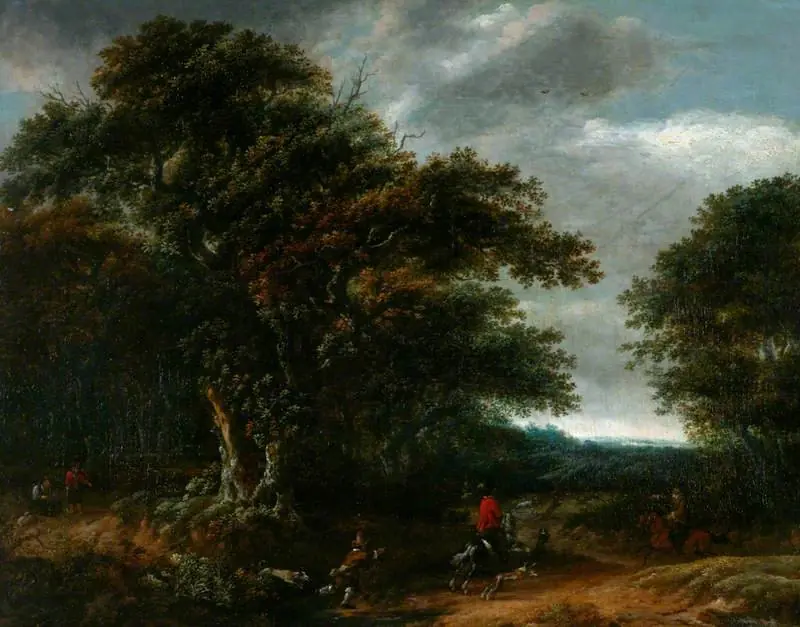
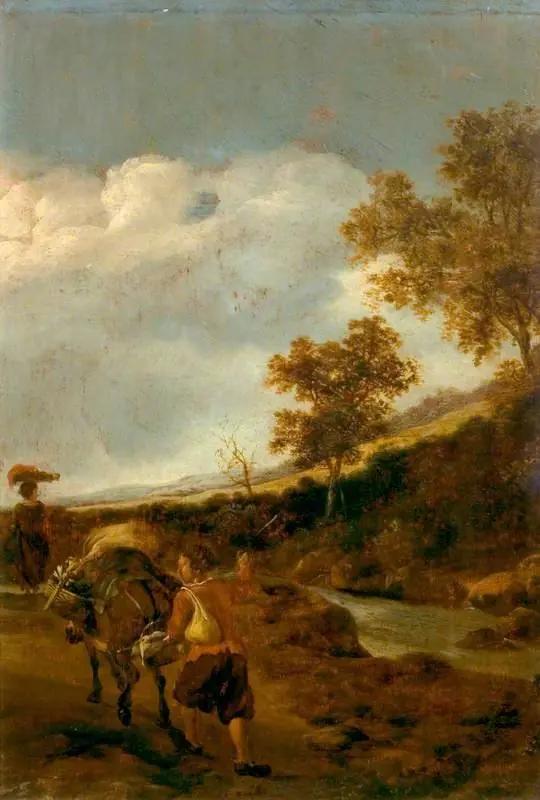
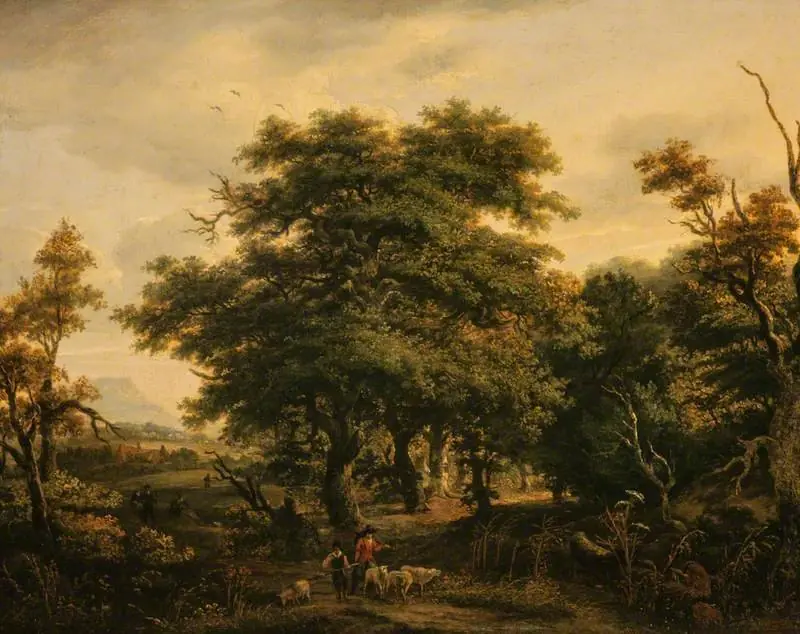
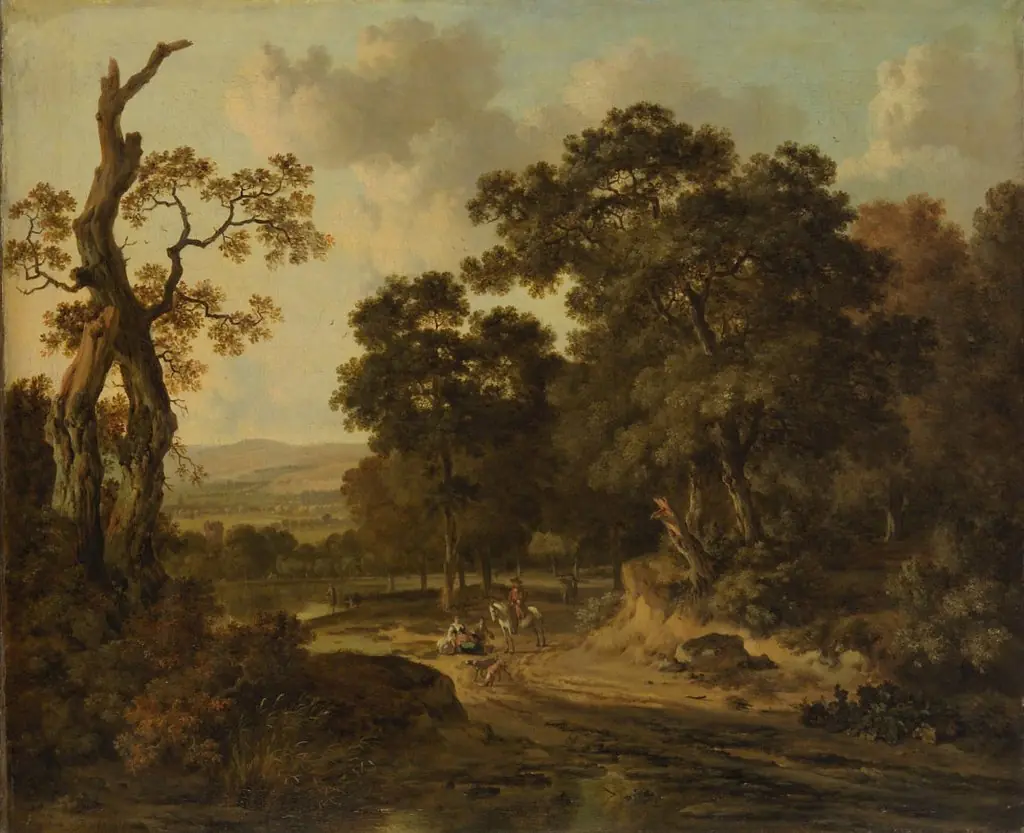
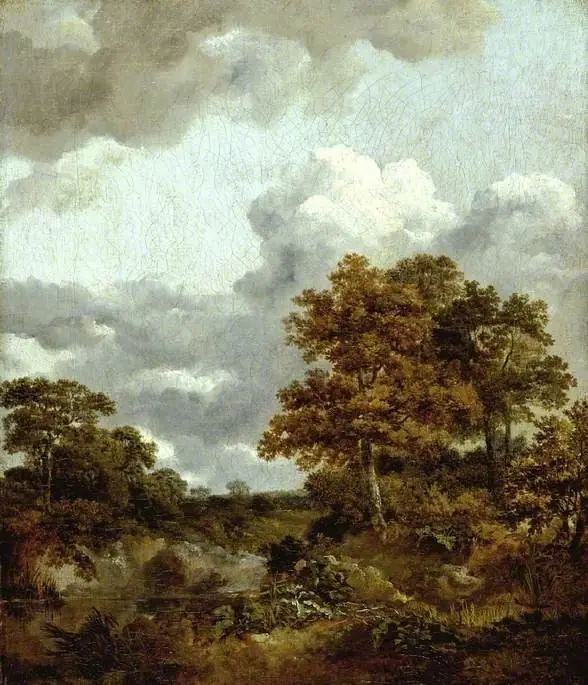
A Woody Landscape is an oil painting by John Crome. It dates from 1804 and is held in the collection of the Victoria and Albert Museum.
About this work
Overview
The composition centers on dense trees and a softly rendered sky, emphasizing natural quietude over dramatic action.
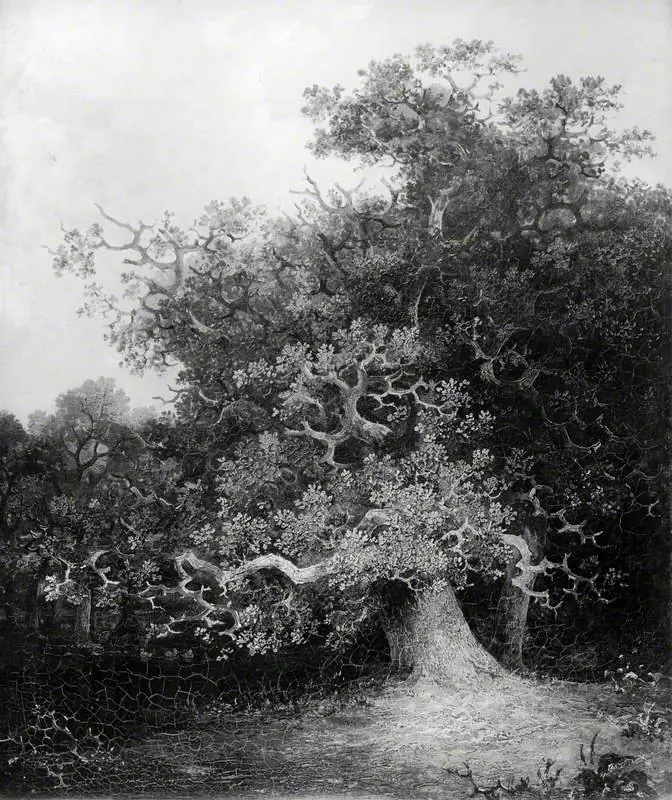
A Woody Landscape, painted around 1804 by John Crome, is an oil-on-canvas work depicting a quiet woodland scene. It resides in the collection of the Victoria and Albert Museum in London. The composition centers on dense trees and a softly rendered sky, emphasizing natural quietude over dramatic action. Crome’s approach avoids idealization, favoring an intimate observation of the English countryside.
Subject & Meaning
The painting presents a modest, unembellished woodland, devoid of human figures or architectural elements. Its subject is the quiet rhythm of nature—light filtering through foliage, the weight of branches, and the stillness of undergrowth. Rather than conveying allegory or grandeur, the work invites contemplation of the ordinary, reflecting a growing 19th-century interest in nature as a subject worthy of quiet reverence.
Technique & Style
Crome employed oil paint with a restrained palette dominated by earthy greens, browns, and muted grays. Brushwork varies from fine detailing in leaves to broader, looser strokes in the sky and distant trees, creating a sense of atmospheric depth. The technique avoids theatrical lighting, instead relying on subtle tonal shifts to suggest volume and space, characteristic of early Romantic landscape sensibilities.
History & Provenance
The painting was likely produced during Crome’s formative years as a landscape artist in Norfolk. It entered the Victoria and Albert Museum’s collection through the British government’s national art acquisition program in the 19th century. Its preservation reflects early institutional recognition of regional British painters, though Crome’s work remained less celebrated than his continental contemporaries during his lifetime.
Context
Created during the early Romantic period, the painting aligns with a shift away from classical landscapes toward personal, localized views of nature. Crome, a founding member of the Norwich School, helped establish a regional tradition of landscape painting rooted in direct observation. His work responded to both Enlightenment empiricism and the cultural value placed on rural England amid industrial change.
Legacy
A Woody Landscape exemplifies the Norwich School’s contribution to British art, emphasizing local scenery with technical sincerity. Though not widely known outside specialist circles, Crome’s approach influenced later generations of landscape painters who valued authenticity over grandeur. The painting remains a quiet testament to the artistic potential of unadorned natural observation.
Artist & collection
Artist
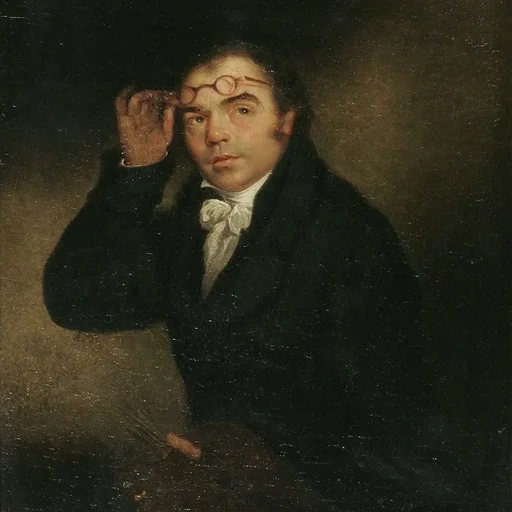
John Crome, once known as Old Crome to distinguish him from his artist son John Berney Crome, was an English landscape painter of the Romantic era, one of the principal artists and founding members of the Norwich School of painters.