Artwork
Mrs. Elizabeth Smith (née Elizabeth Chew)
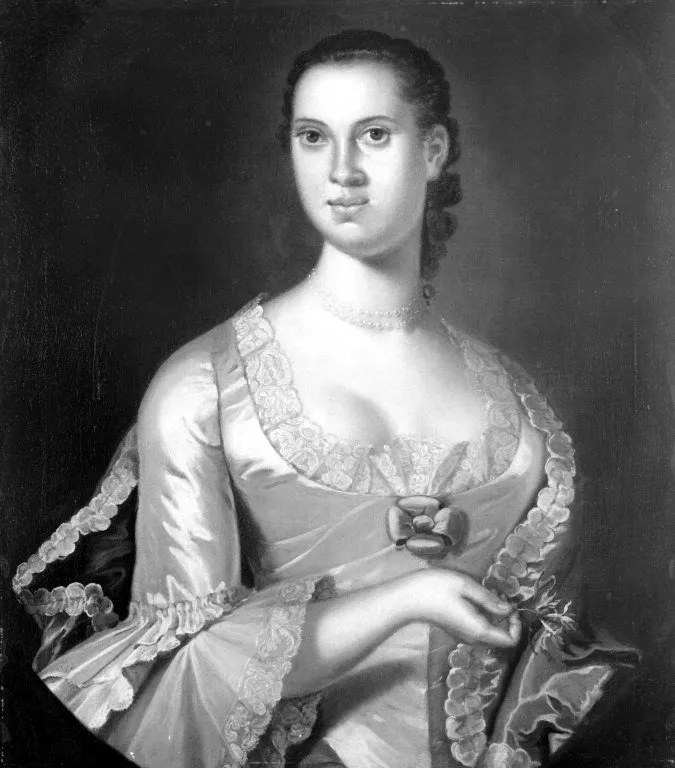
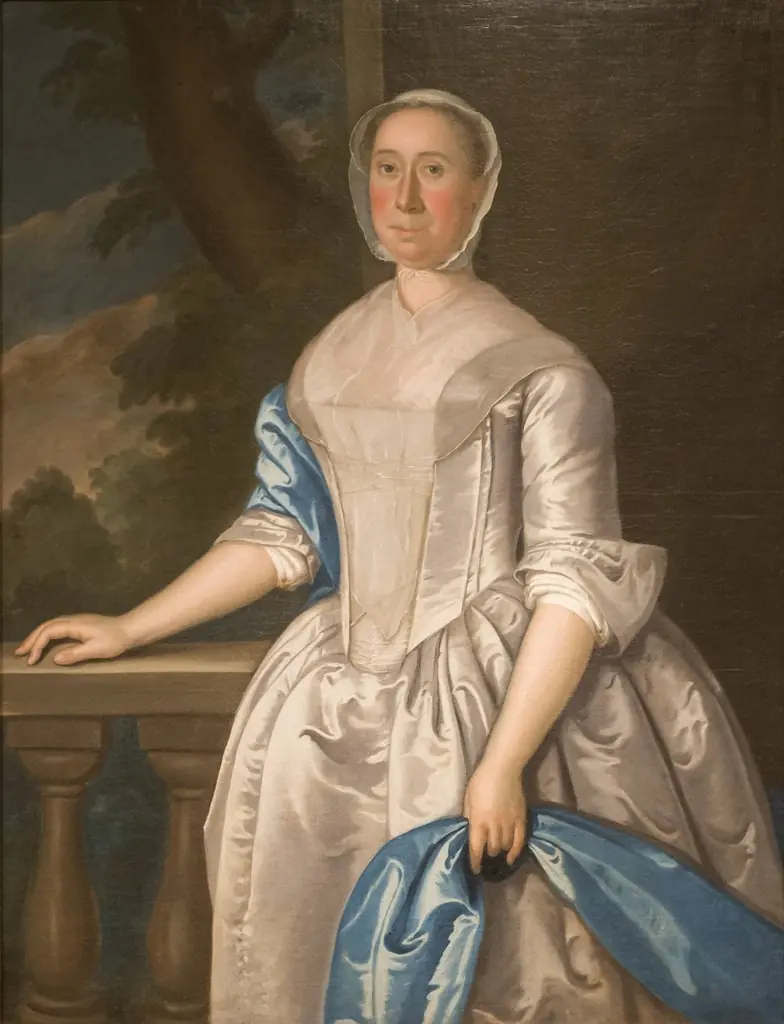
Mrs. Elizabeth Smith (née Elizabeth Chew) is an oil painting by the American Impressionist artist John Hesselius. It dates from 1762 and is held in the collection of the Brooklyn Museum.
About this work
Overview
Painted in 1762 by John Hesselius, this oil portrait depicts Mrs. Elizabeth Smith, born Elizabeth Chew. The work resides in the Brooklyn Museum’s collection and exemplifies colonial American portraiture of the mid-18th century. Hesselius, known for his refined technique and attention to detail, captured his sitter with quiet dignity, reflecting the social values of the time.
Subject & Meaning
Mrs. Smith is portrayed in formal attire, her lace-trimmed dress and neatly coiffed hair signaling her status and refinement. Her direct gaze and composed expression convey poise and self-possession, common traits in portraits of elite women. The painting does not emphasize narrative or symbolism but instead asserts identity and social presence through restrained elegance.
Technique & Style
Hesselius employed chiaroscuro to model the sitter’s form against a dark, neutral background, enhancing three-dimensionality without distraction. Brushwork is precise, particularly in rendering lace and hair, suggesting careful observation. The palette is muted, focusing attention on the subject’s face and attire, characteristic of Hesselius’s approach to portraiture in the American colonies.
History & Provenance
The painting remained within the Smith family for generations before entering the Brooklyn Museum’s collection. Its documented lineage supports its authenticity and provides insight into the circulation of portraiture among colonial elites. No significant alterations or restorations are recorded, preserving its original condition and visual integrity.
Context
Created during a period when American artists increasingly sought to emulate European conventions, Hesselius’s work reflects the influence of British portraiture while adapting to local tastes. Portraits like this one served as markers of familial legacy and social standing, especially among merchant and planter classes in the Chesapeake region.
Legacy
Hesselius’s portraits, including this one, are valued for their contribution to early American art history. They offer a window into the aesthetics and social norms of colonial elites. Though not widely known today, his work remains a touchstone for scholars studying the development of portraiture in pre-Revolutionary America.
Artist & collection

Artist
John Hesselius was an American portrait painter who worked mostly in Virginia and Maryland.

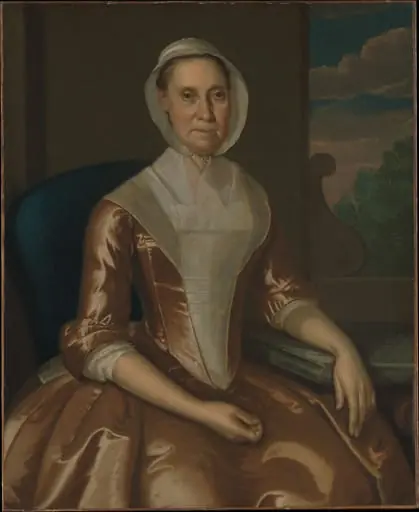
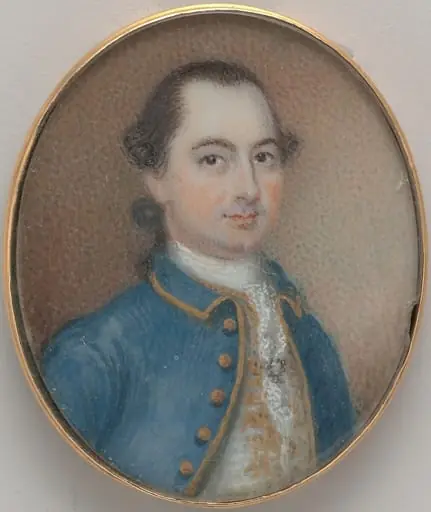
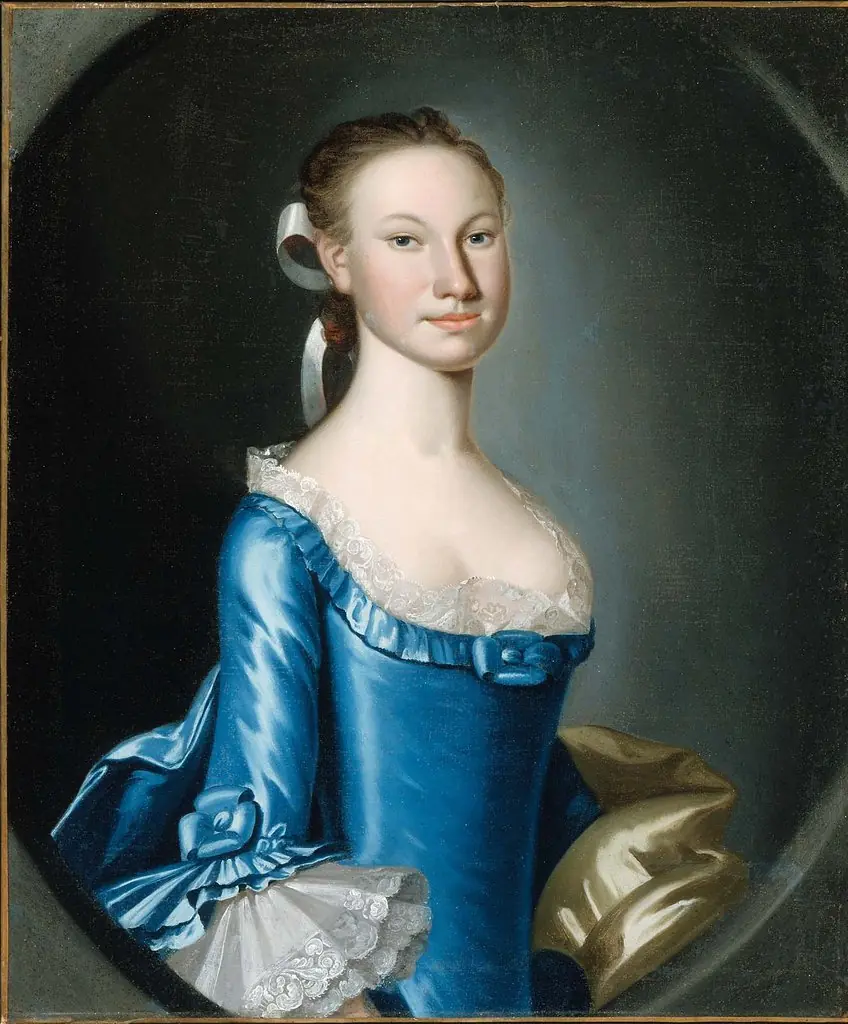
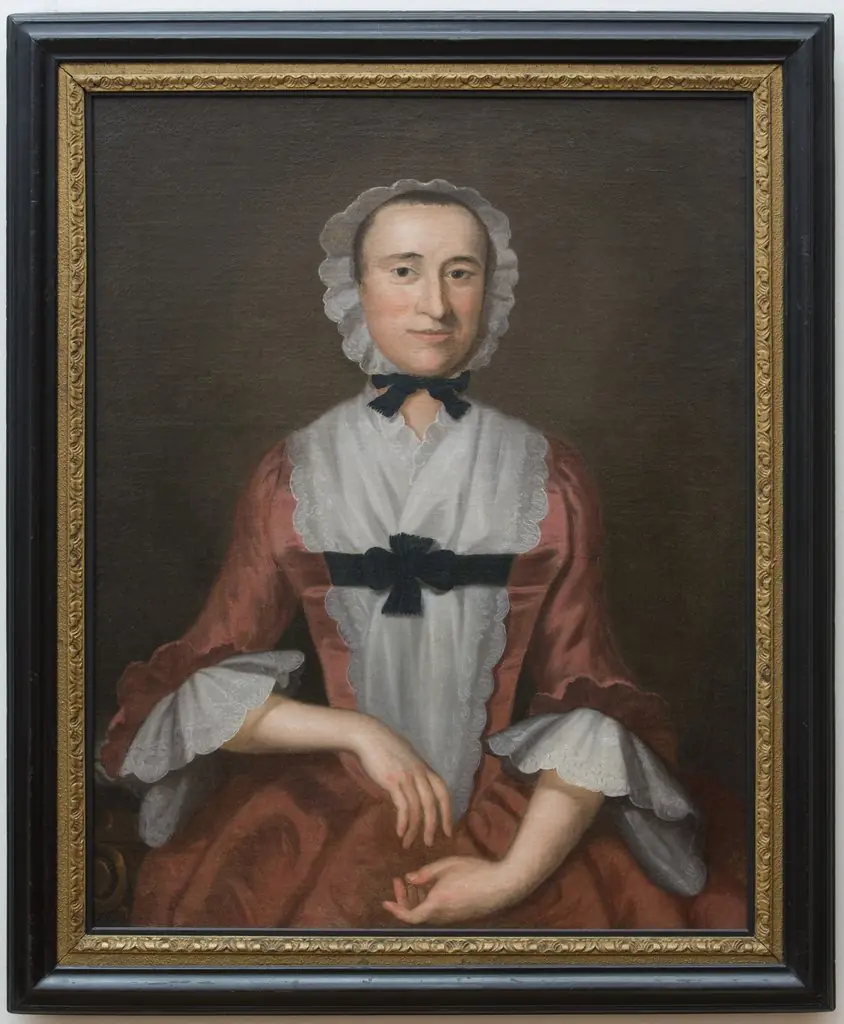
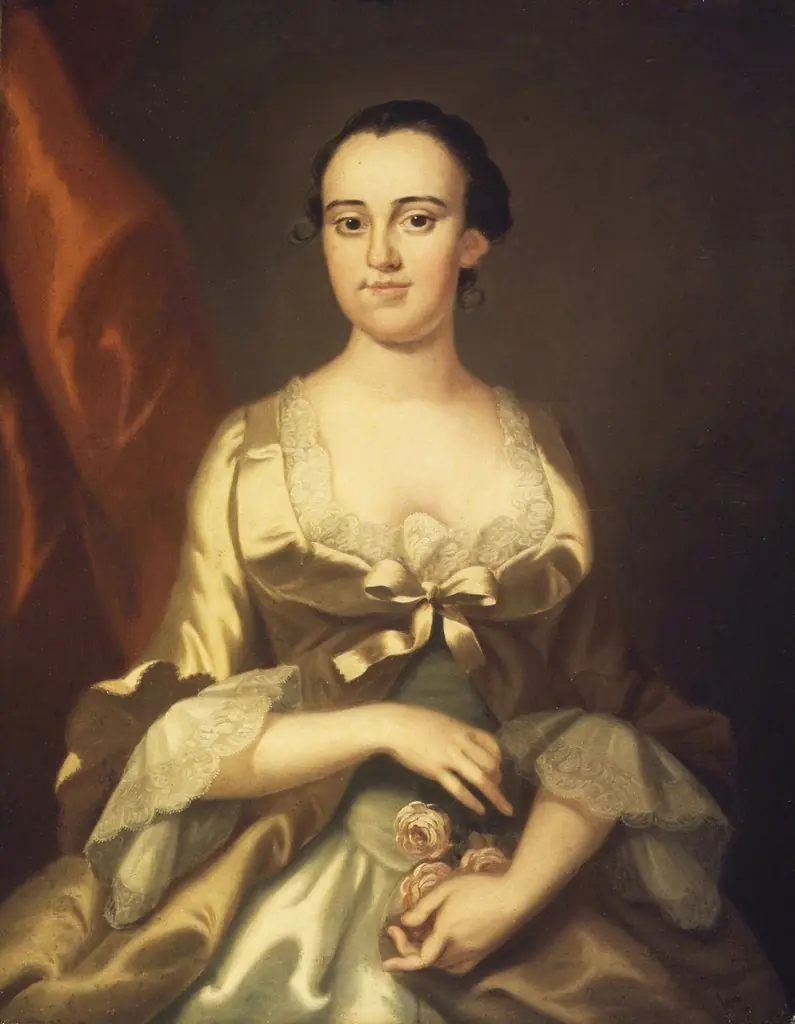 Mrs. William Allen
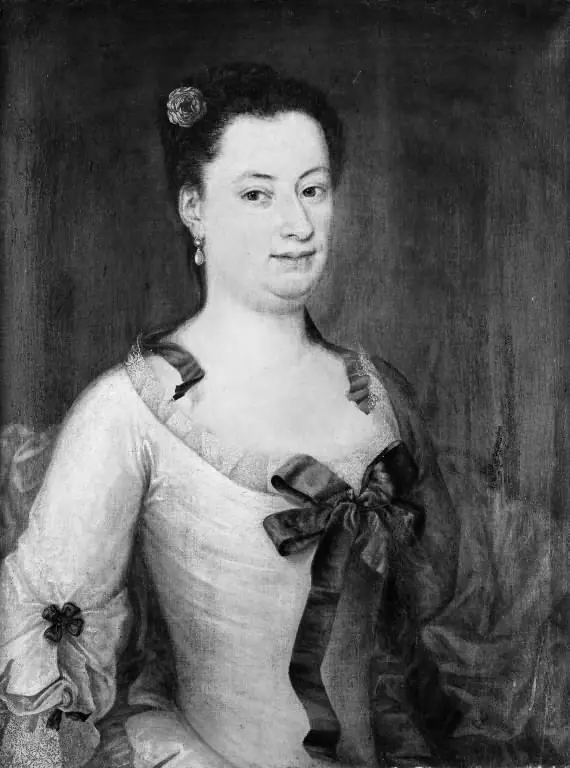 Dameportræt, upudret sort hår, med en rose
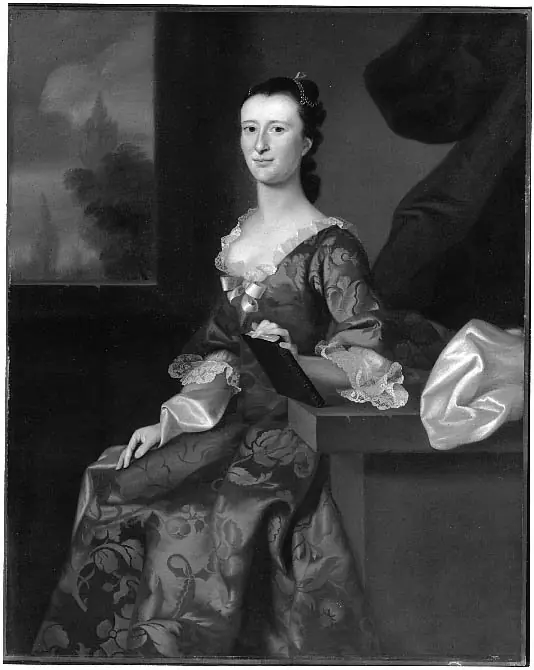 Mrs. Jonathan Simpson (Margaret Lechmere)
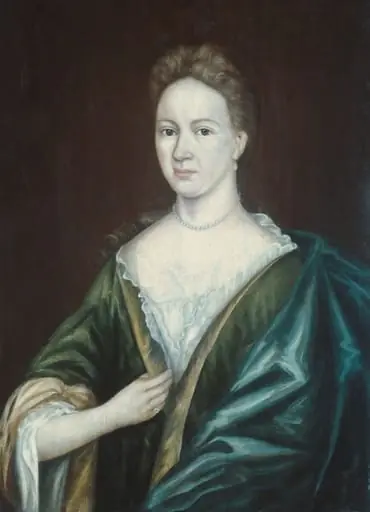 Mrs. Augustus Jay
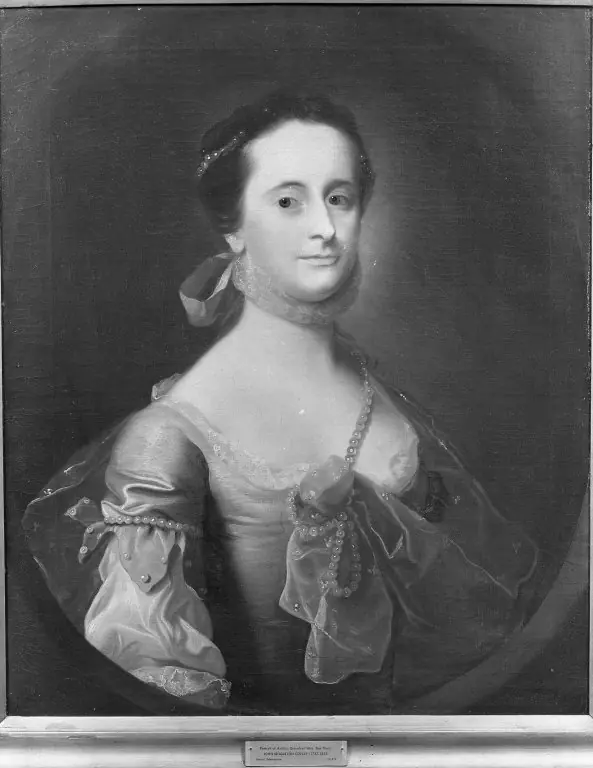 Mrs. Benjamin Davis, née Anstice Greenleaf
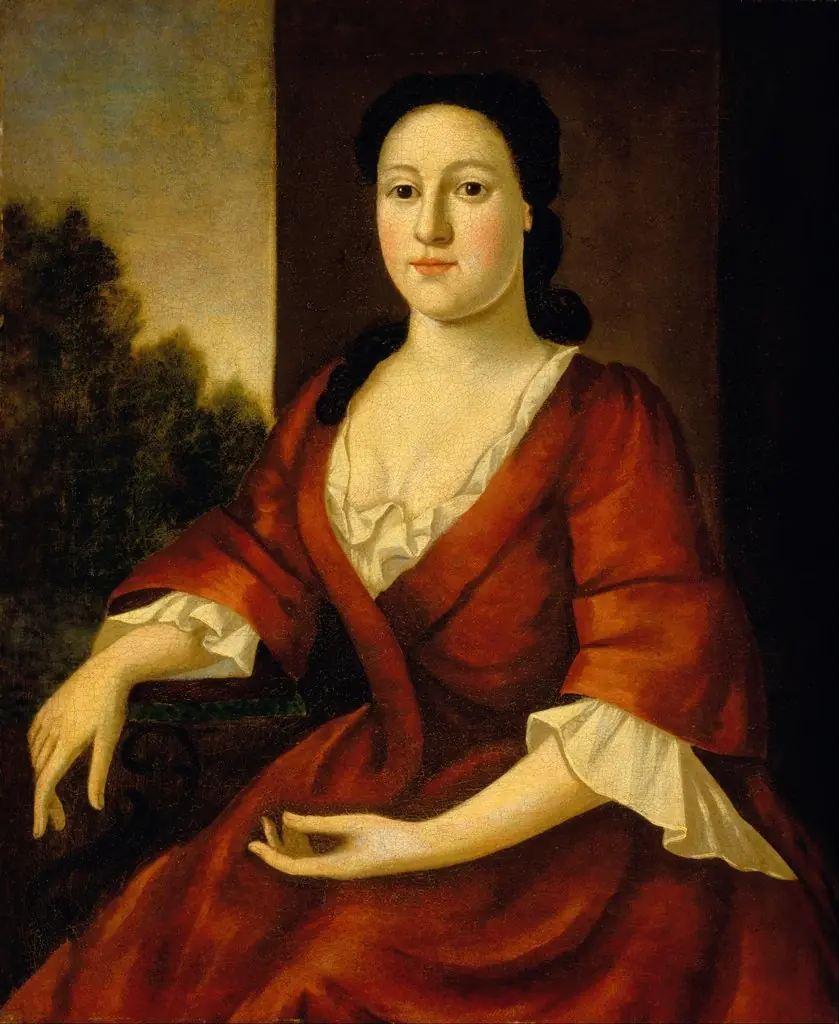 Portrait of Mrs. John Greenleaf (Priscilla Brown, born 1725)
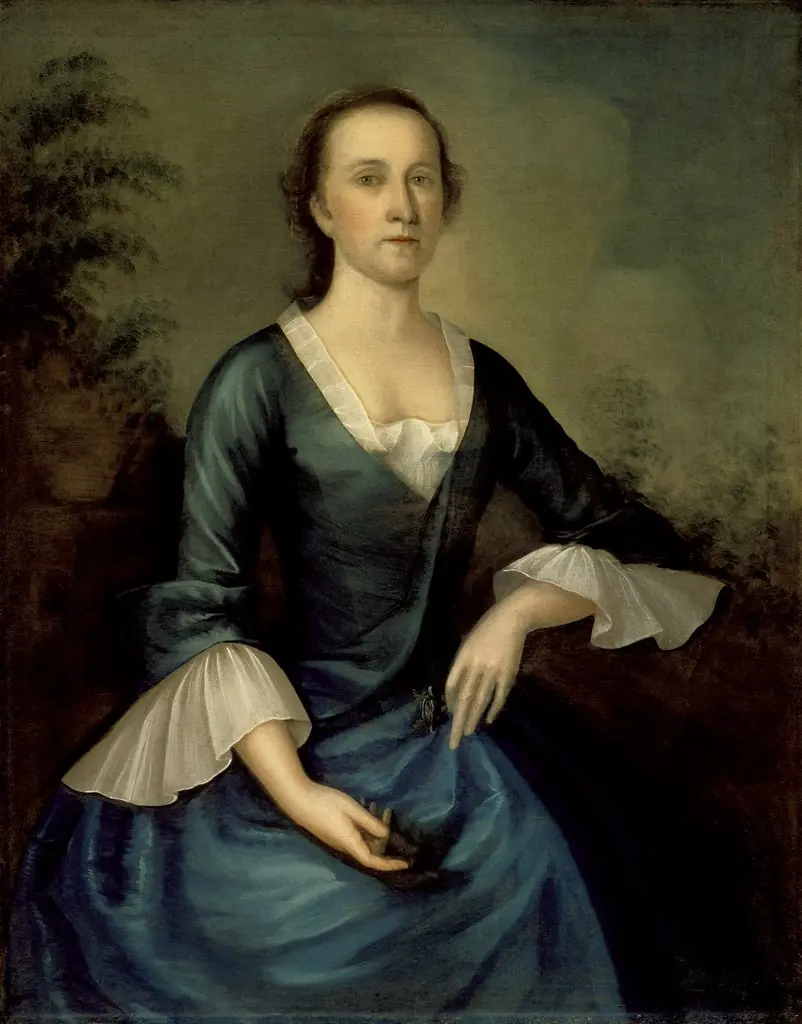 Portrait of Sarah Larrabee Edes
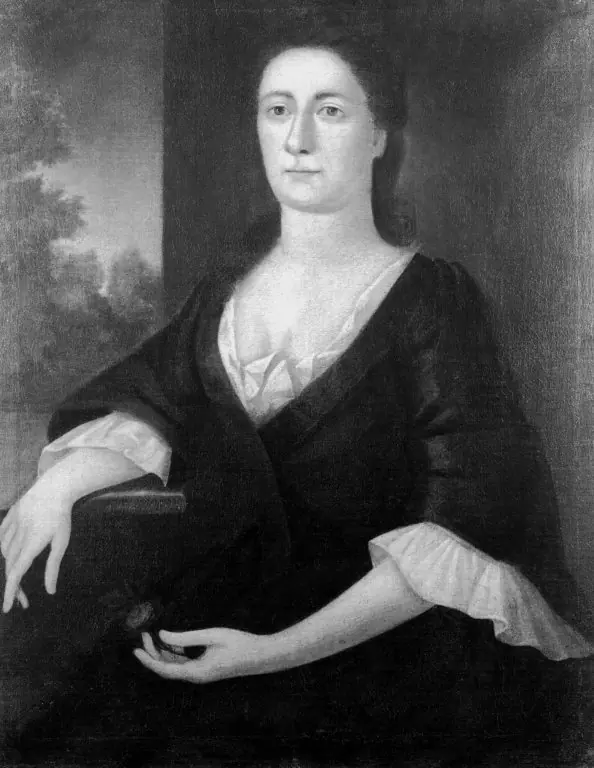 Portrait of a Lady (possibly Mrs. John Hubbard, née Elizabeth Gooch, later Mrs. John Franklin)
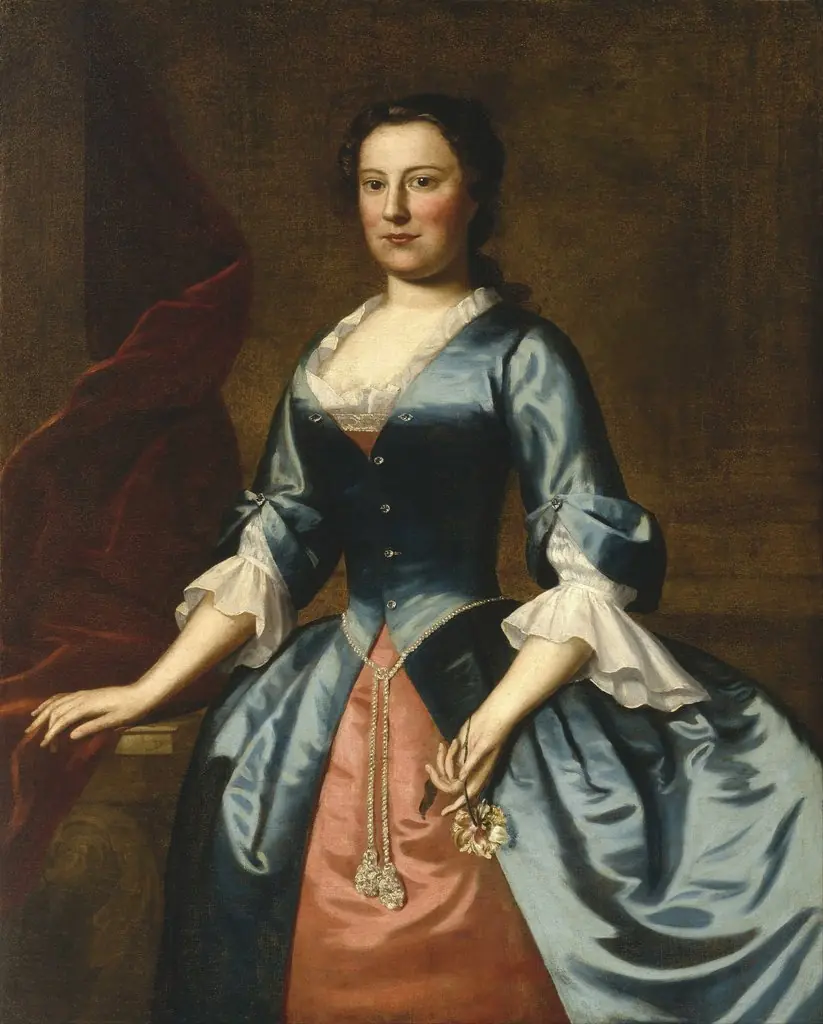 Portrait of Mrs. Samuel McCall, Sr. (Anne McCall, 1720–1785)
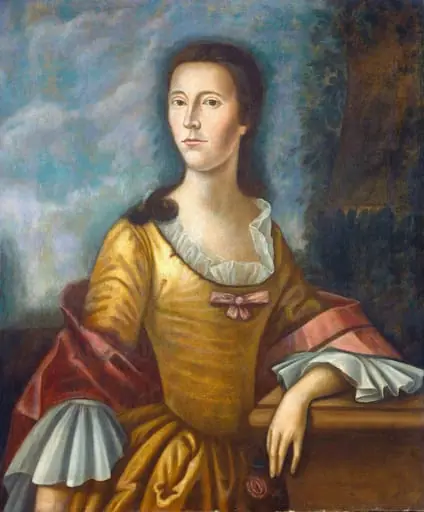 Mary Bethel Boude (Mrs. Samuel Boude)
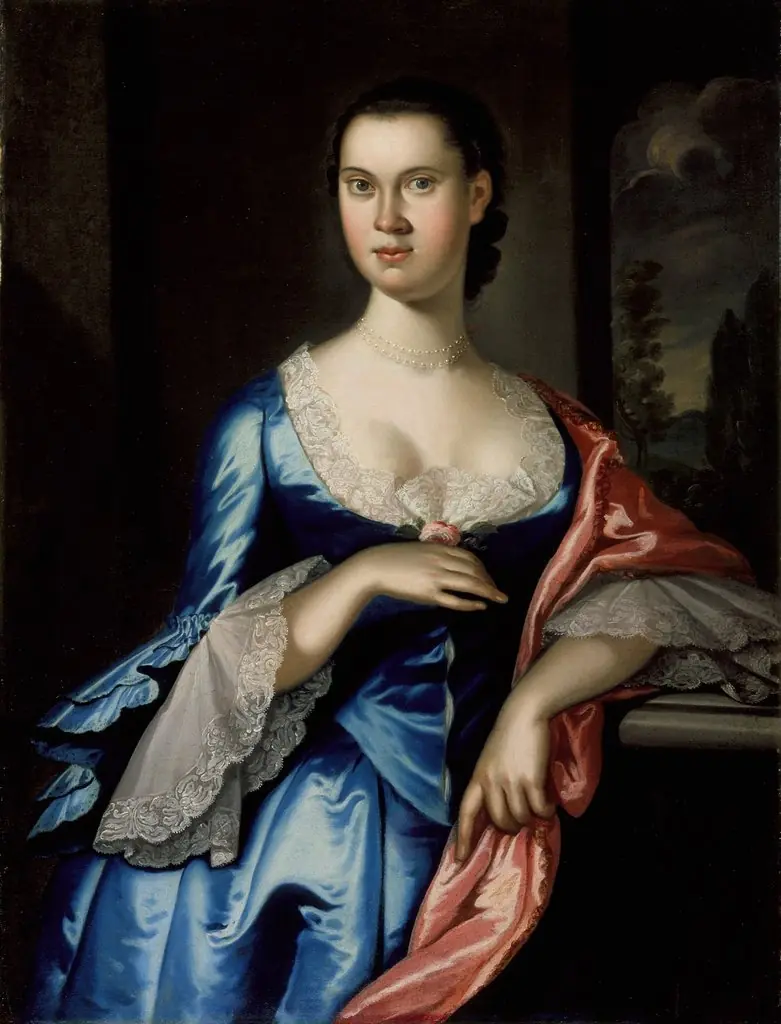 Portrait of Elizabeth Chew Smith