Artwork
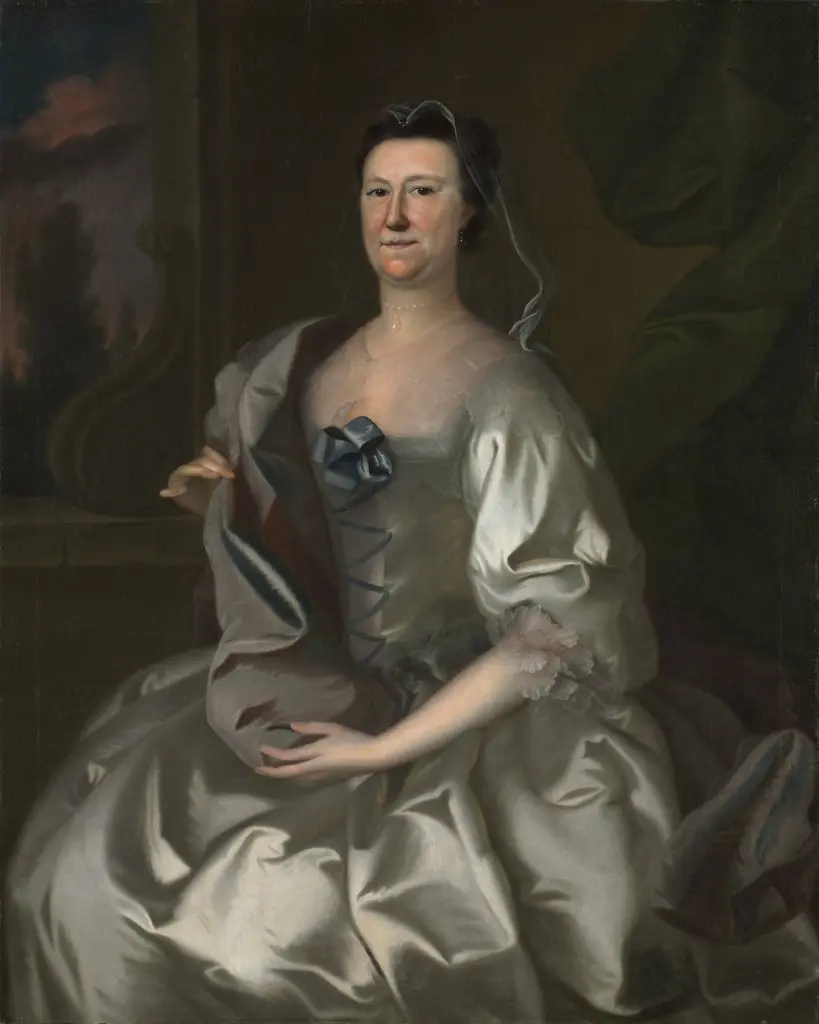
Mrs. Jonathan Simpson (Margaret Lechmere)
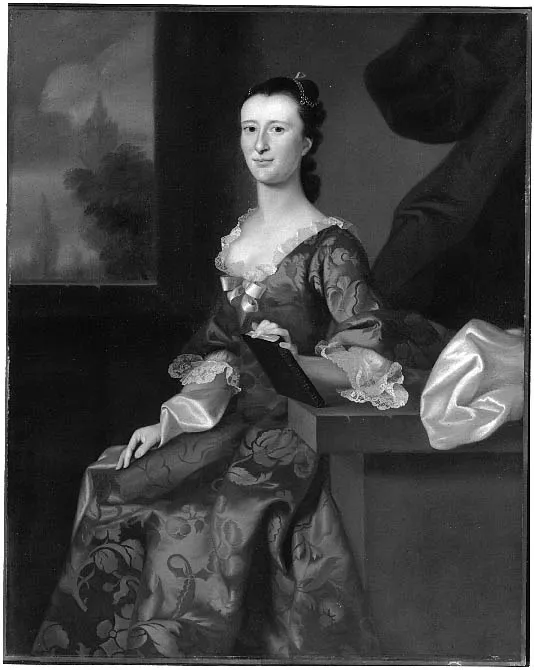
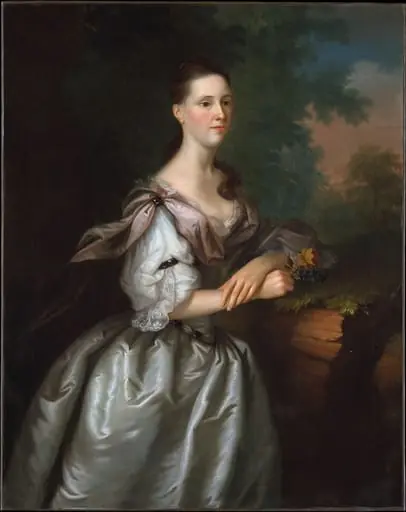
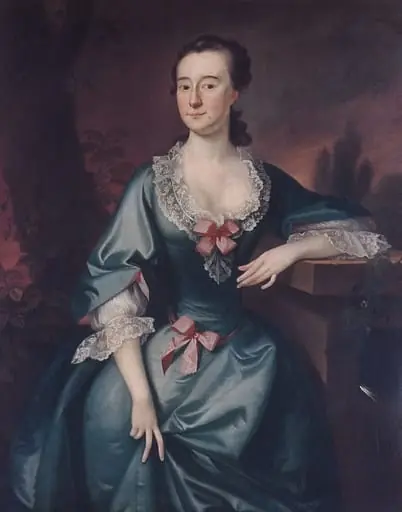
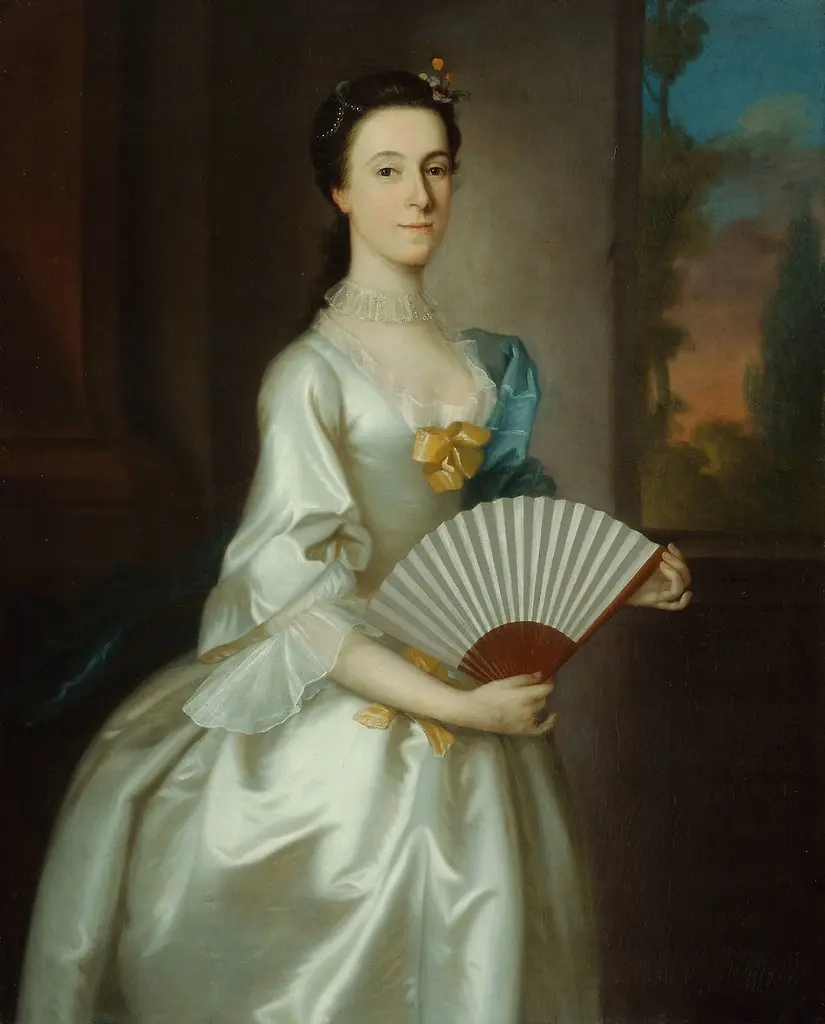
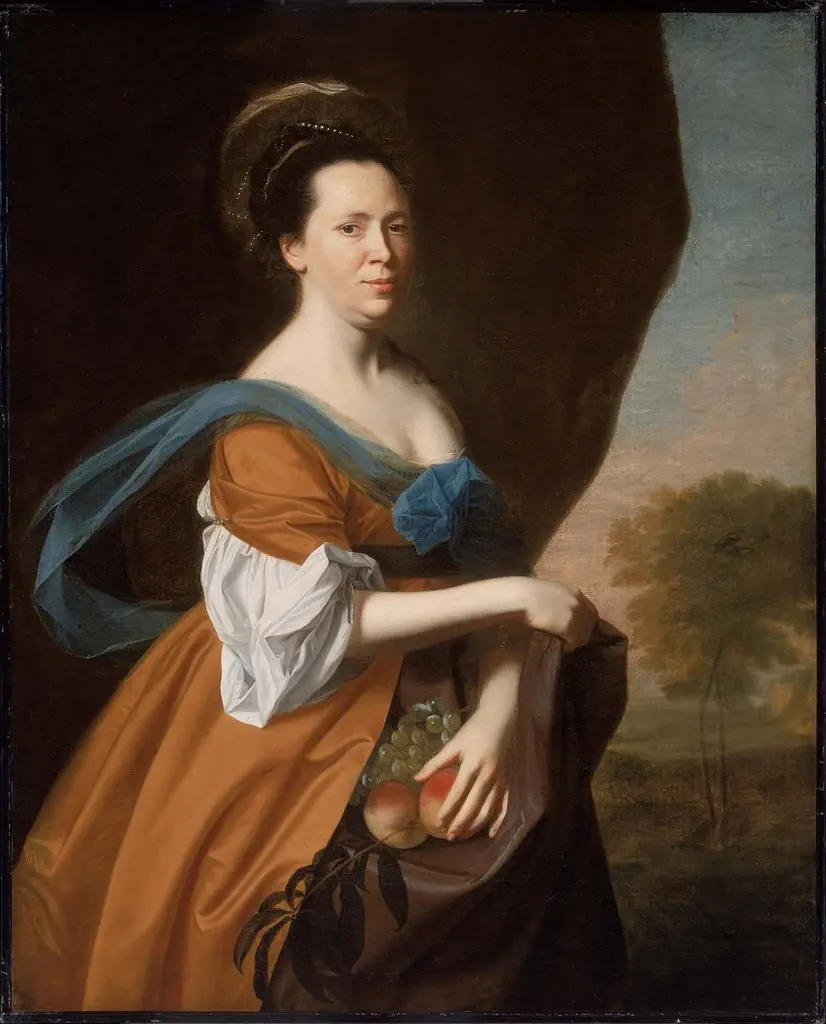
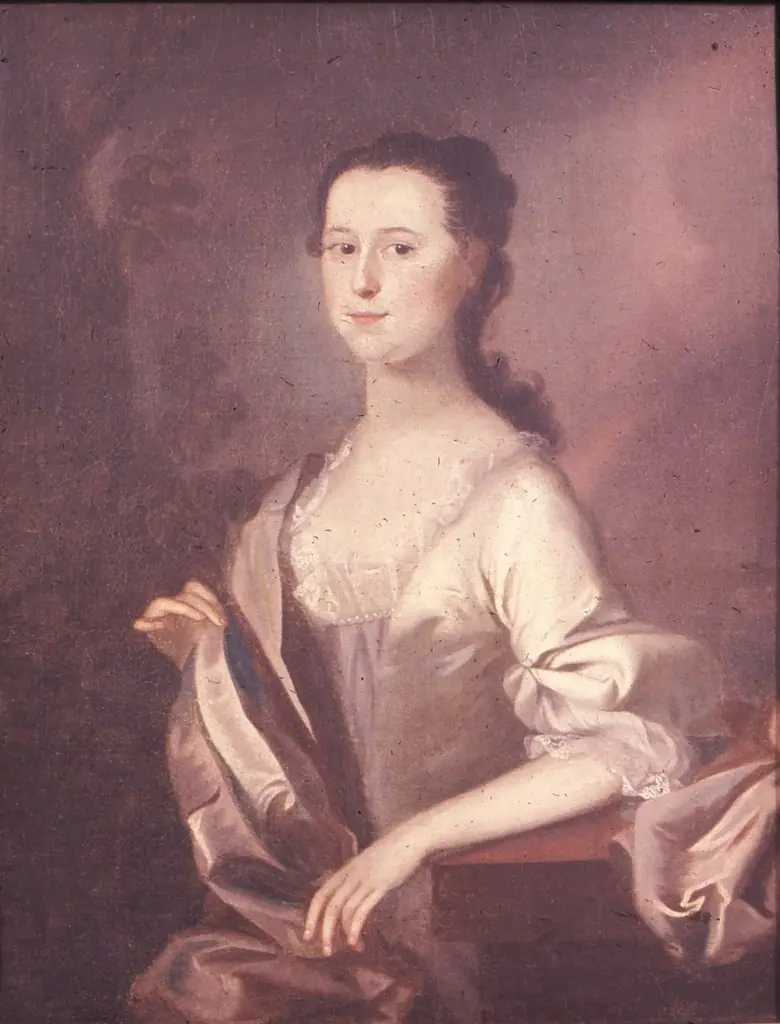
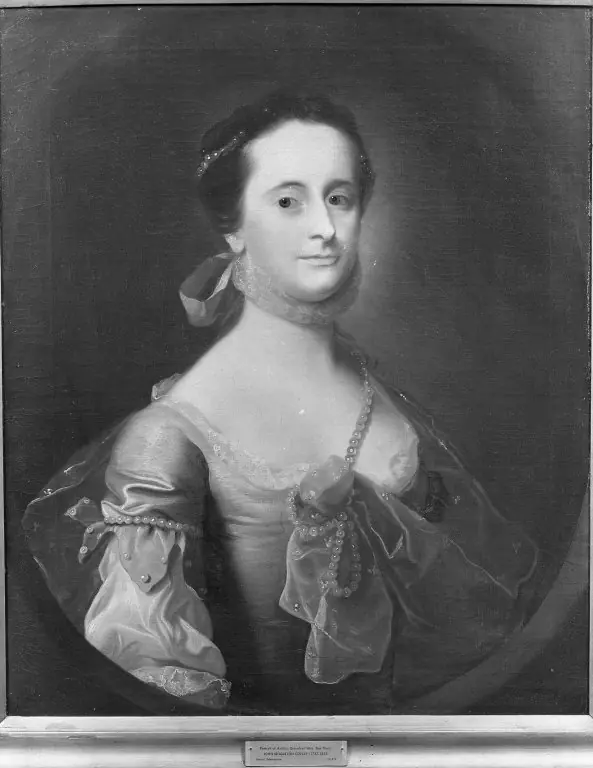
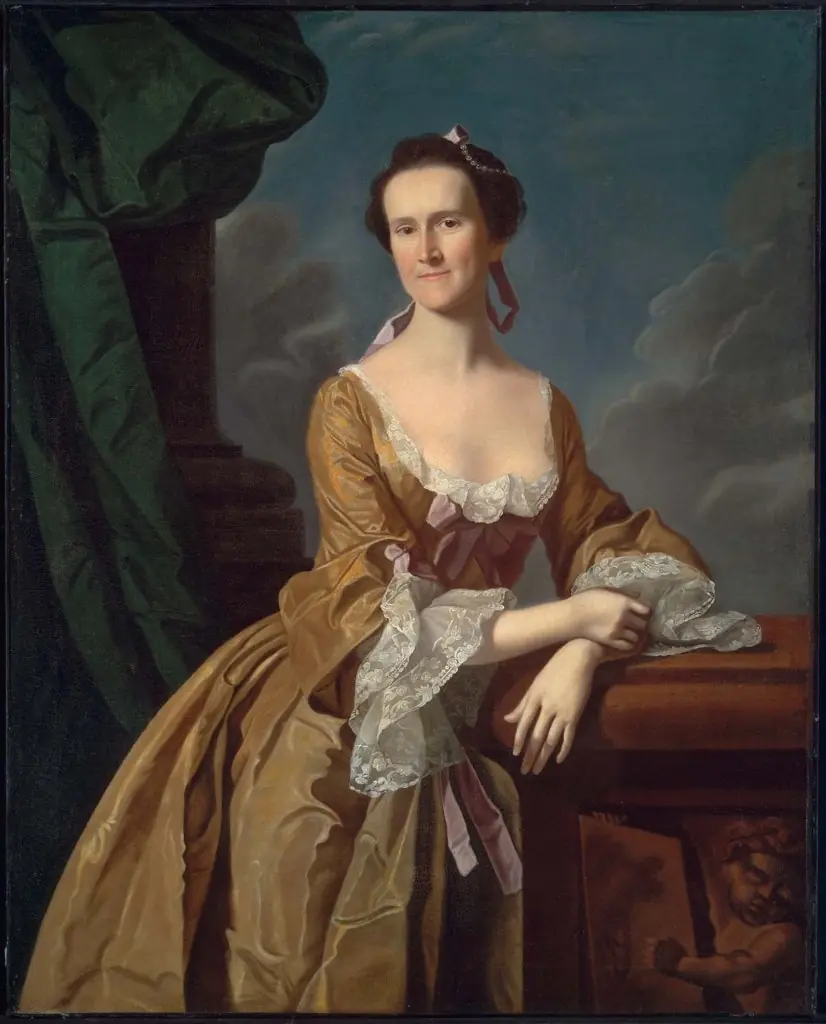
Mrs. Jonathan Simpson (Margaret Lechmere) is an oil painting by the Rococo painting artist Joseph Blackburn. It dates from 1758 and is held in the collection of the Museum of Fine Arts Boston.
About this work
The woman's attire and hairstyle suggest a sense of refinement and elegance, characteristic of the mid-18th century.
The painting depicts a woman seated in a chair, wearing an elegant dress with a floral pattern and lace details. Her dark hair is styled in a low bun, adorned with a small bow. The background of the painting is dark, with a subtle hint of a landscape visible behind the subject.
The woman's attire and hairstyle suggest a sense of refinement and elegance, characteristic of the mid-18th century. The artist's use of chiaroscuro creates a sense of depth and dimensionality in the painting.
To learn more about the artist's techniques and style, explore the works of Joseph Blackburn.
Overview
Painted in 1758 by Joseph Blackburn, an English artist active in colonial America, this oil portrait depicts Margaret Lechmere, wife of Jonathan Simpson. The work belongs to the Museum of Fine Arts, Boston, and exemplifies the transatlantic artistic exchange of the mid-18th century. Blackburn, trained in England, adapted European conventions to suit the tastes of New England’s merchant class, producing portraits that balanced elegance with local sensibility.
Subject & Meaning
Margaret Lechmere is portrayed in quiet composure, her posture and attire signaling social standing rather than narrative action. The refined lace trim, floral silk, and carefully arranged low bun reflect contemporary ideals of feminine decorum among colonial elites. The absence of overt symbolism or props suggests a focus on personal dignity and cultivated refinement, aligning with the values of a rising mercantile class seeking to affirm their status through portraiture.
Technique & Style
Blackburn employed soft modeling and subtle chiaroscuro to define the sitter’s form against a dark, indistinct background. Delicate brushwork captures the texture of lace and silk, while the muted palette grounds the composition in restraint. Though influenced by Rococo grace, the painting avoids ornamental excess, favoring clarity and proportion. The landscape glimpsed behind her is rendered with minimal detail, serving only to suggest depth without distraction.
History & Provenance
The portrait remained within the Simpson family for generations before entering the Museum of Fine Arts, Boston’s collection. Its documented lineage supports its authenticity and provides insight into the circulation of portraiture among colonial elites. Blackburn’s works from this period are relatively rare, making this piece a valuable record of artistic practice in pre-Revolutionary New England.
Context
In the 1750s, colonial America lacked established academies, so local patrons often commissioned artists like Blackburn, who brought European training to the colonies. Portraits served as markers of identity and aspiration, particularly among families engaged in trade. This work reflects a broader trend: the adoption of British aesthetic norms by American elites seeking cultural legitimacy, even as political tensions with Britain began to rise.
Legacy
Blackburn’s portraits, including this one, offer a window into the visual culture of colonial society. His ability to merge European technique with American subject matter influenced later portraitists in the region. While not widely known today, his body of work remains essential for understanding how artistic conventions were transmitted and adapted in the British Atlantic world before the Revolution.
Artist & collection
Artist
Joseph Blackburn (died 1787) was an English painter who worked mainly in British North America. His notable works include portraits of Hugh Jones (circa 1777) and Colonel Theodore Atkinson (circa 1760).