Artwork
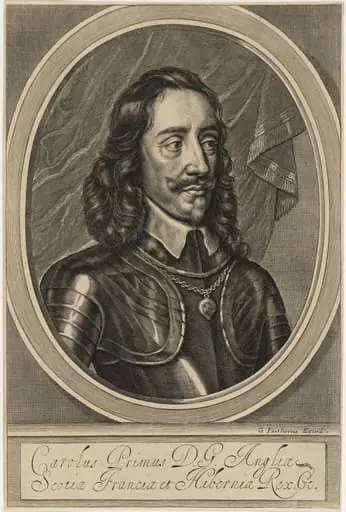
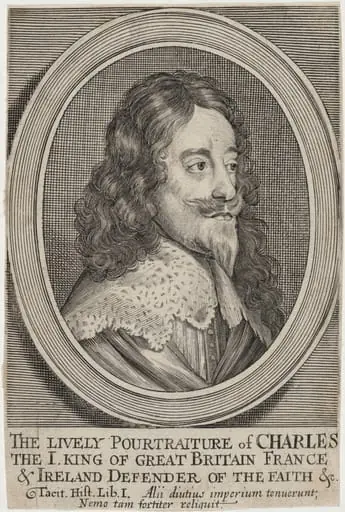
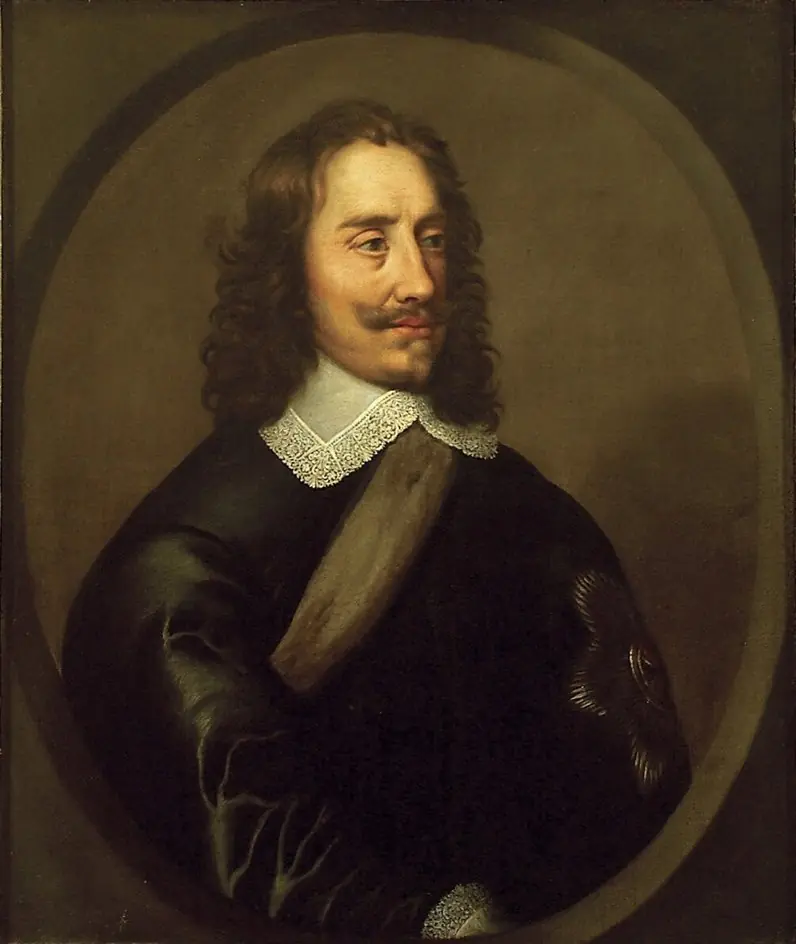
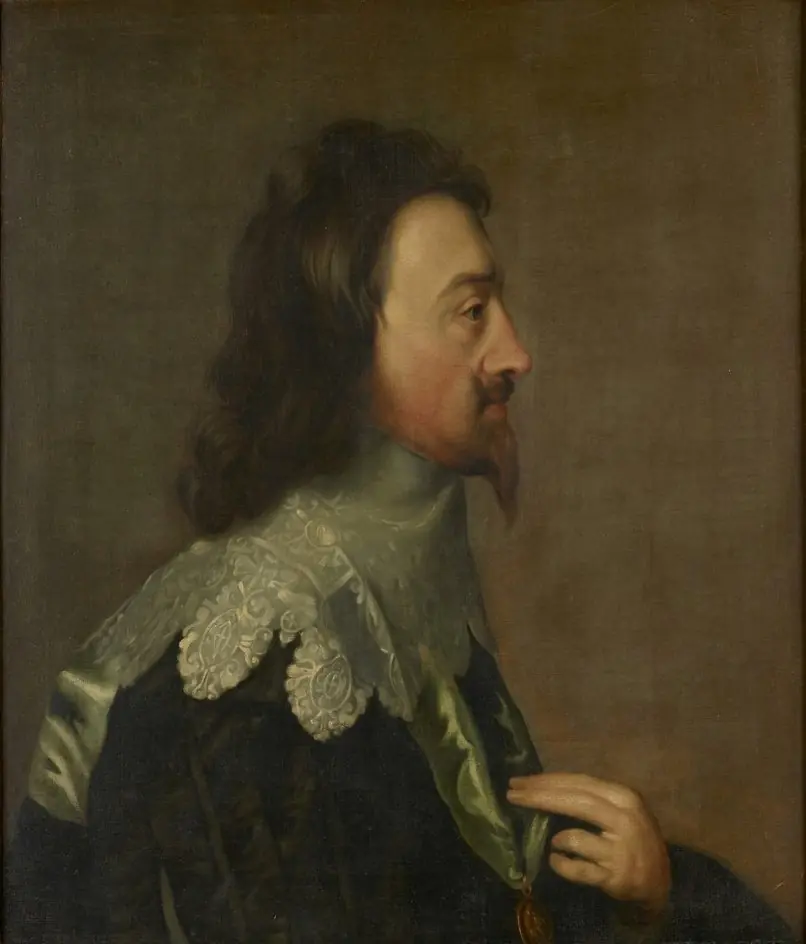
Portrait of Charles I, king of England
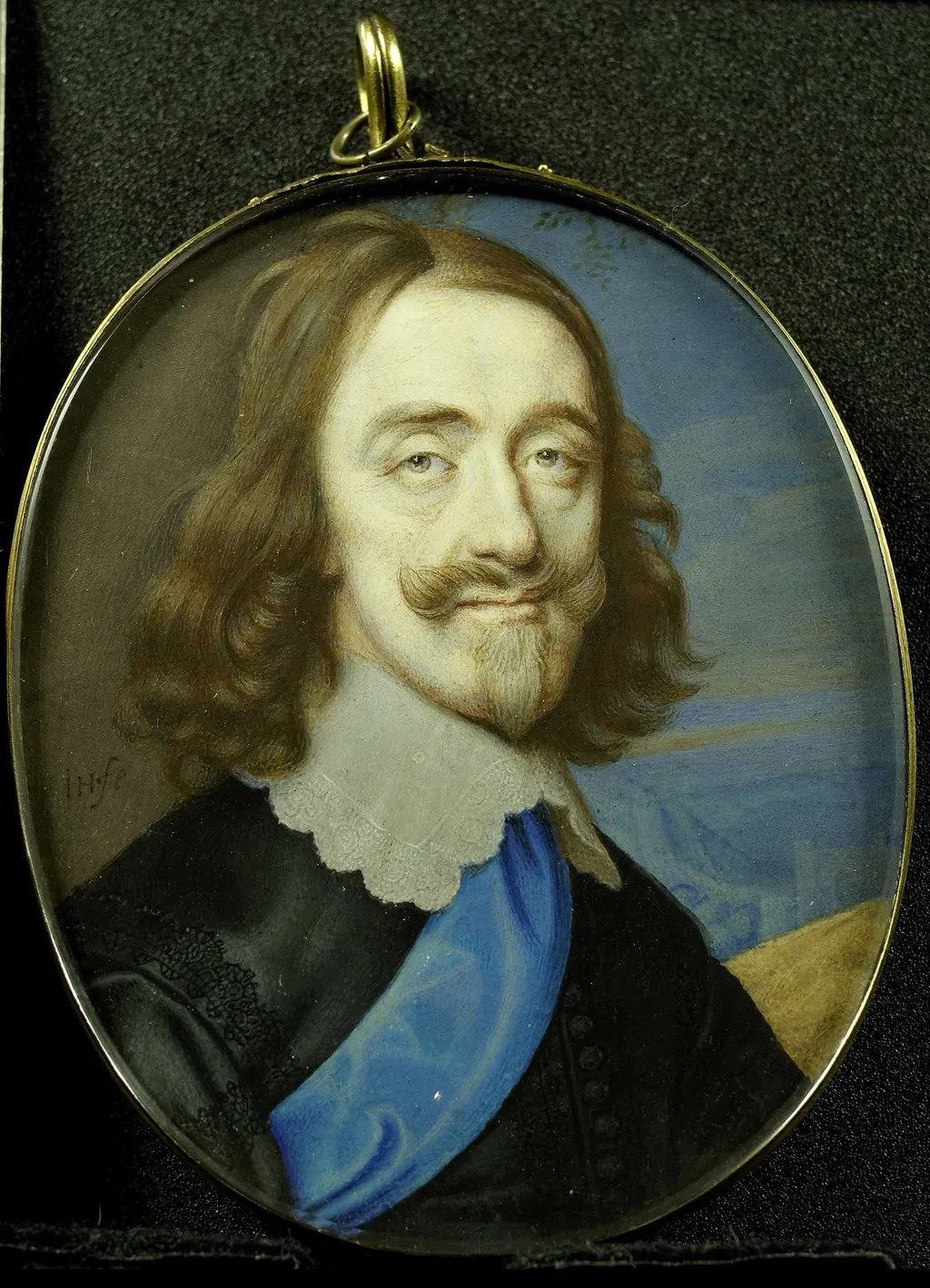
Portrait of Charles I, king of England is a watercolor painting by John Hoskins. It dates from 1652 and is held in the collection of the Rijksmuseum.
About this work
Overview
Portrait of Charles I, king of England is a 1652 watercolor painting by John Hoskins, portraying the English monarch with meticulous detail. The work is characterized by its watercolor medium, which the artist leveraged to achieve depth and texture, particularly in capturing the subject's attire and facial expressions.
Subject & Meaning
The painting depicts Charles I of England, distinguished by his long, wavy brown hair, mustache, and formal attire consisting of a black jacket, blue sash, and white lace collar. His serious expression, direct gaze, and slightly furrowed eyebrows convey a sense of solemnity.
Technique & Style
Executed in watercolor, the portrait showcases Hoskins' skill in manipulating the medium to create nuanced textures and depth. The contrast between the detailed, expressive face and the softer, blue sky background with clouds highlights the artist's compositional balance.
History & Provenance
Created in 1652, the portrait is now part of the Rijksmuseum's collection, though specific details of its journey to the museum are not provided in the available information.
Context
As a 17th-century watercolor portrait, it reflects the artistic trends of its time, emphasizing realism and the capture of the subject's personality through subtle facial expressions and meticulous clothing details.
Legacy
While the painting's broader impact or influence on subsequent art movements is not explicitly outlined, it remains a notable example of 17th-century portraiture, attributed to John Hoskins, and is accessible for study and appreciation at the Rijksmuseum.
Artist & collection
Artist
John Hoskins painted small, finely detailed portraits on vellum, cardboard, and parchment in the 1600s.

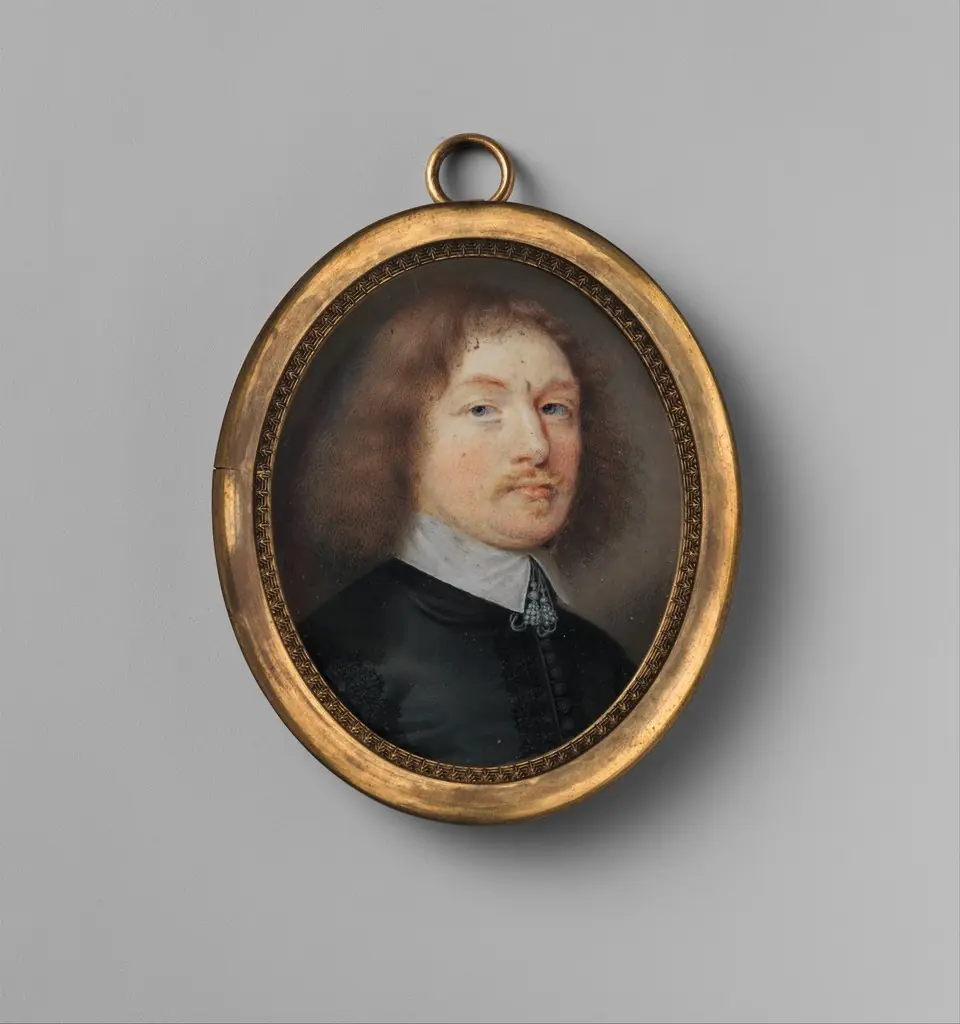 Portrait of a Man, Said to Be Philip Wharton (1613–1696), Fourth Baron Wharton
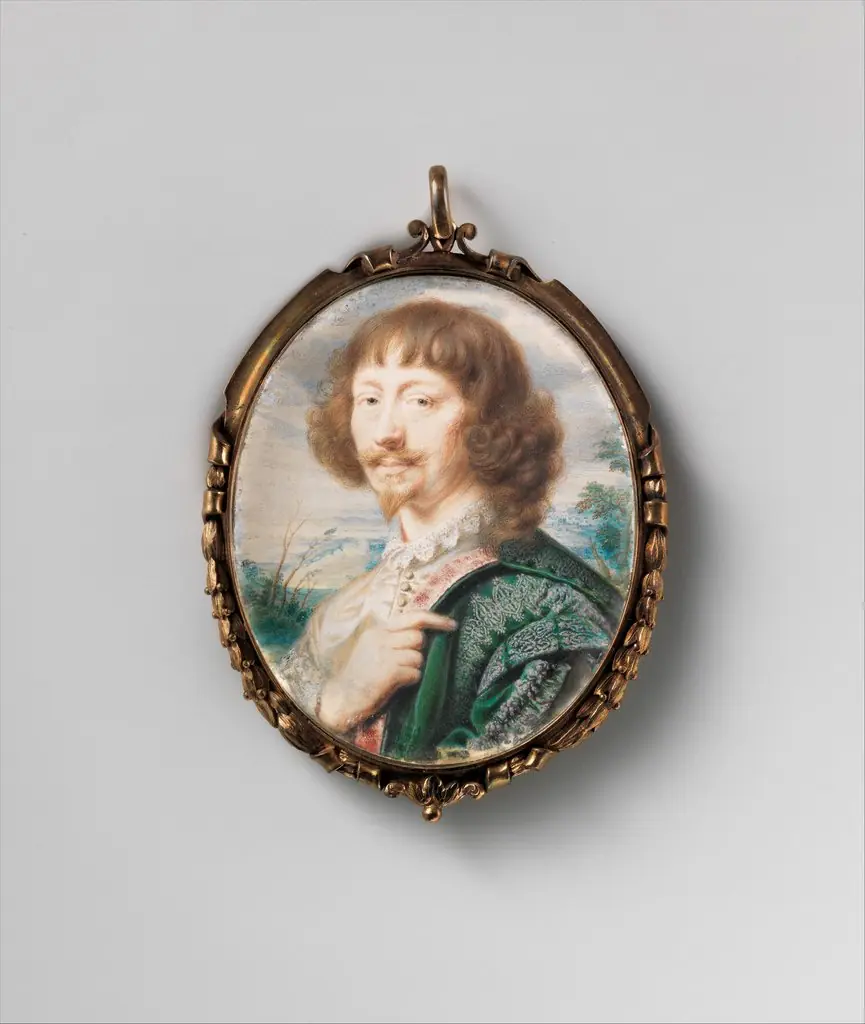 Endymion Porter (1587–1649)
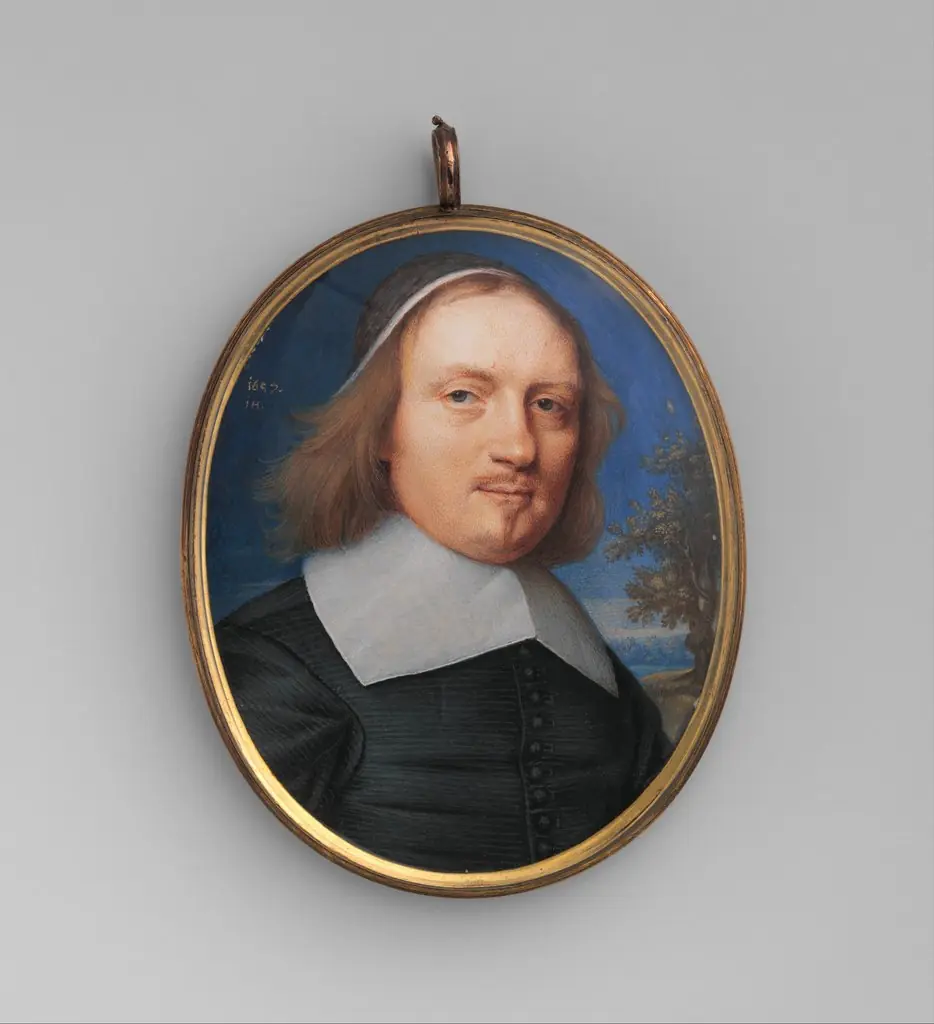 Dr. Brian Walton (born about 1600, died 1661)
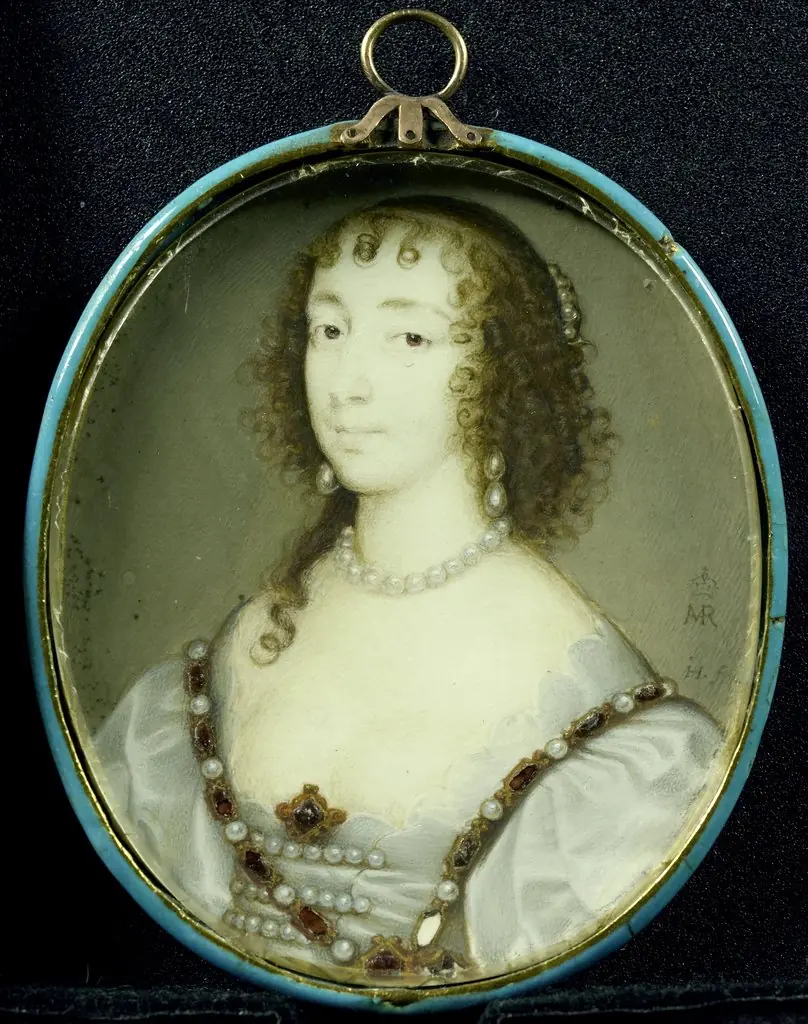 Portrait of Henriëtte Maria of France (1609-1669), wife of Charles I of England
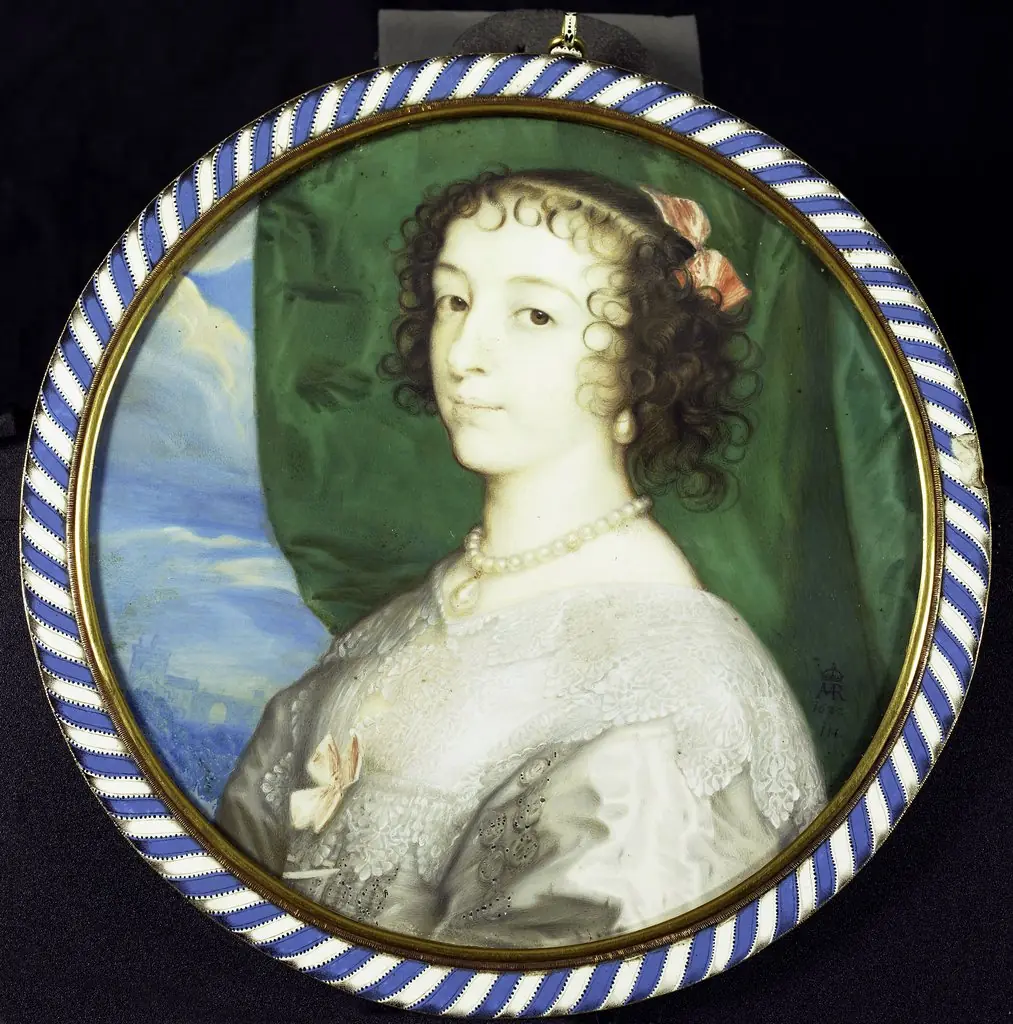 Portrait of Henriette Maria (1609-1669), wife of Charles I of England
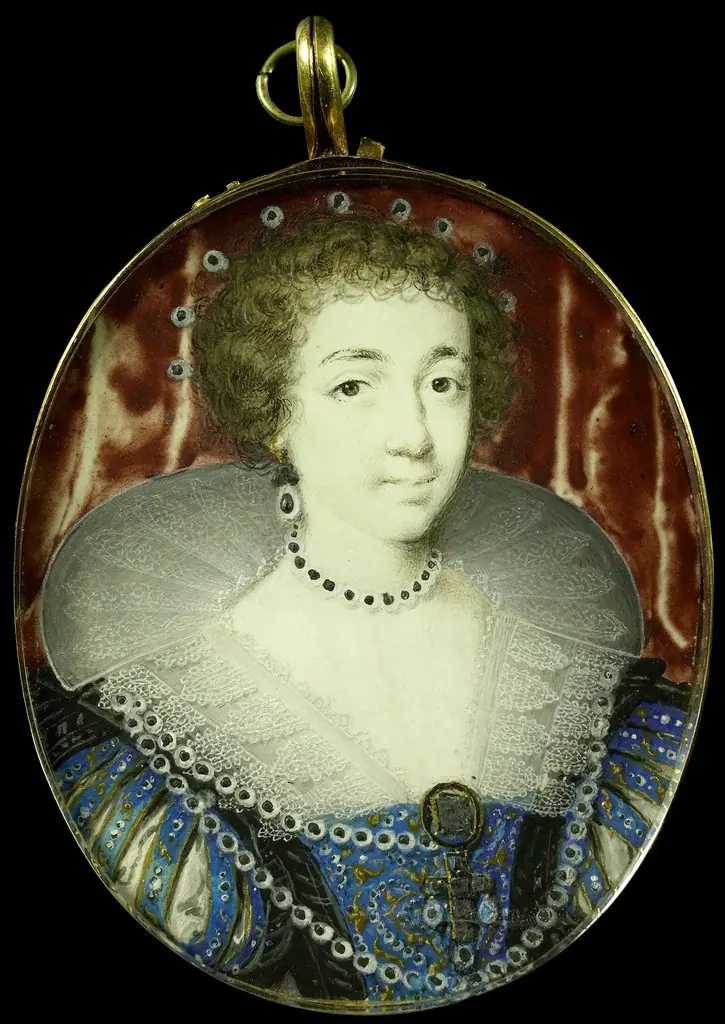 Portrait of Henriëtte Maria (1609-1669), wife of Charles I of England
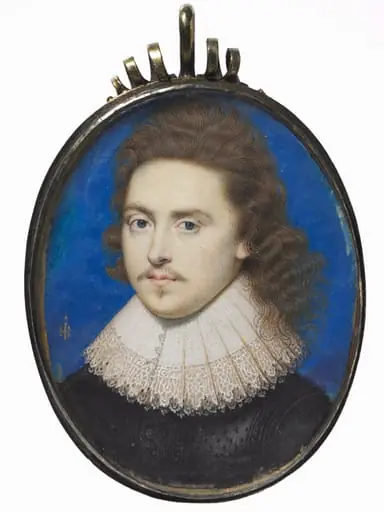 Portrait of a Man
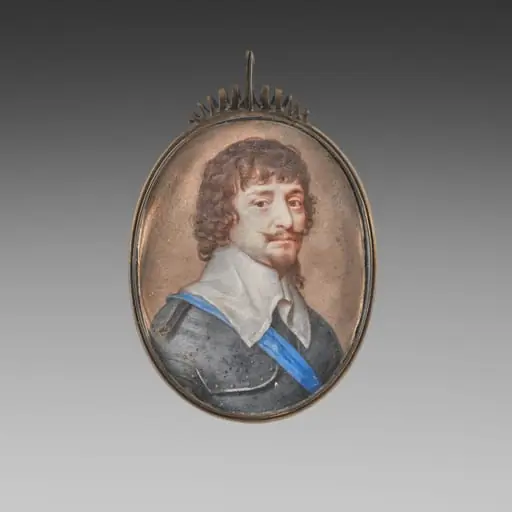 Portrait of Frederick V, Elector Palatine, King of Bohemia