Artwork
Portrait of a Man, Possibly Sir Soulden Lawrence
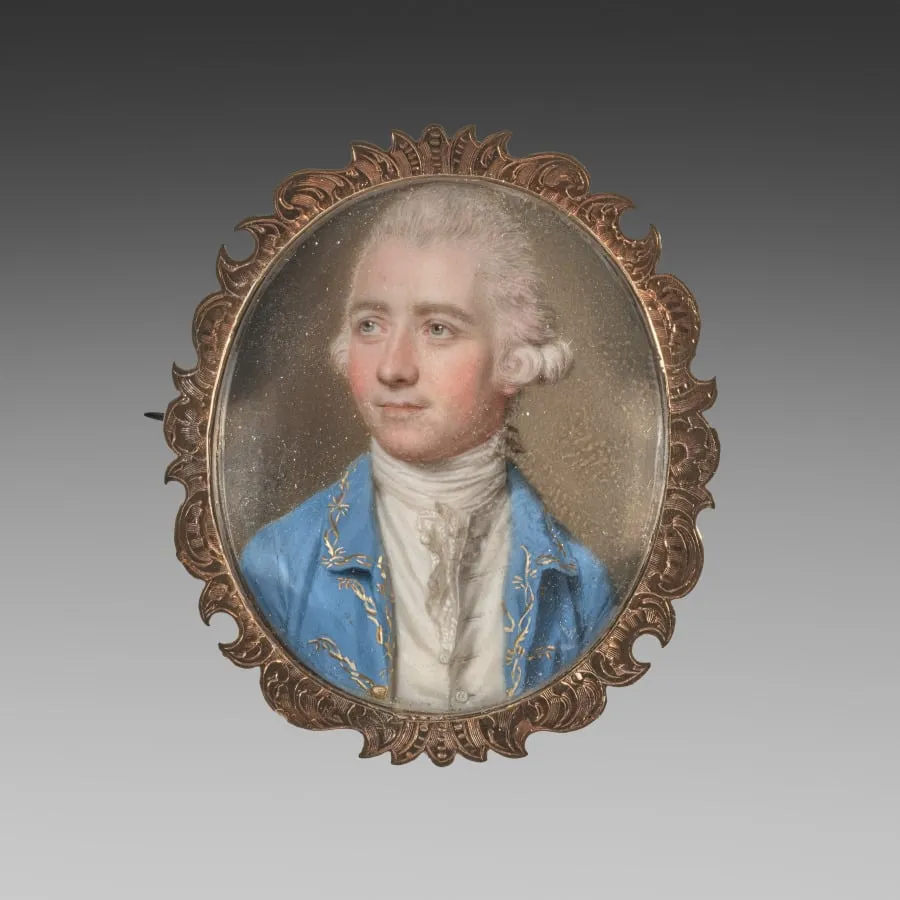
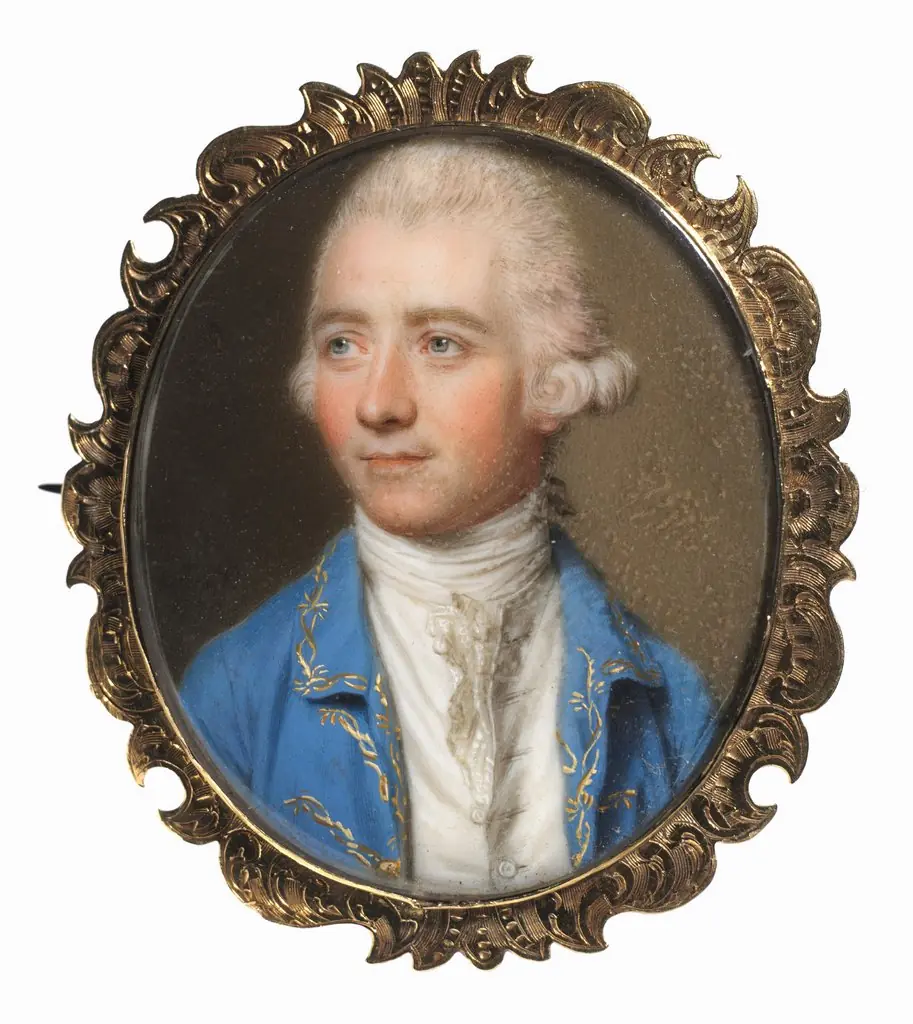
Portrait of a Man, Possibly Sir Soulden Lawrence is an unspecified portrait miniature by the Rococo painting artist John Smart. It dates from 1770 and is held in the collection of the Cleveland Museum of Art.
About this work
The artist, John Smart, was still finding his style; later, his faces would look more sunburned.
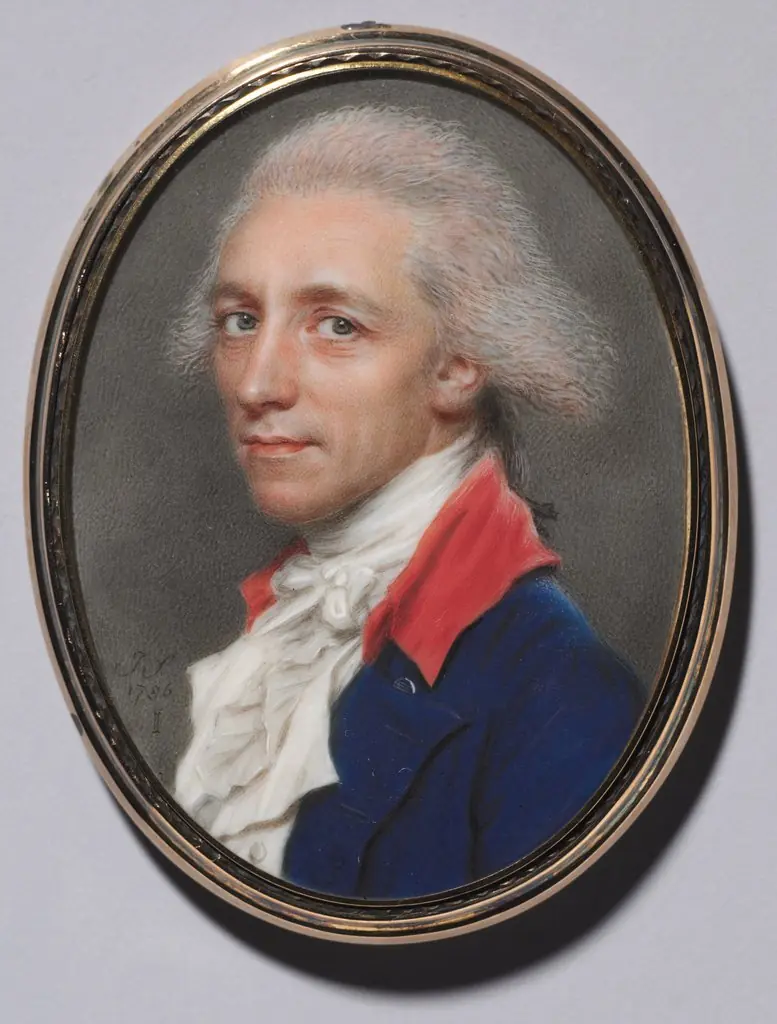
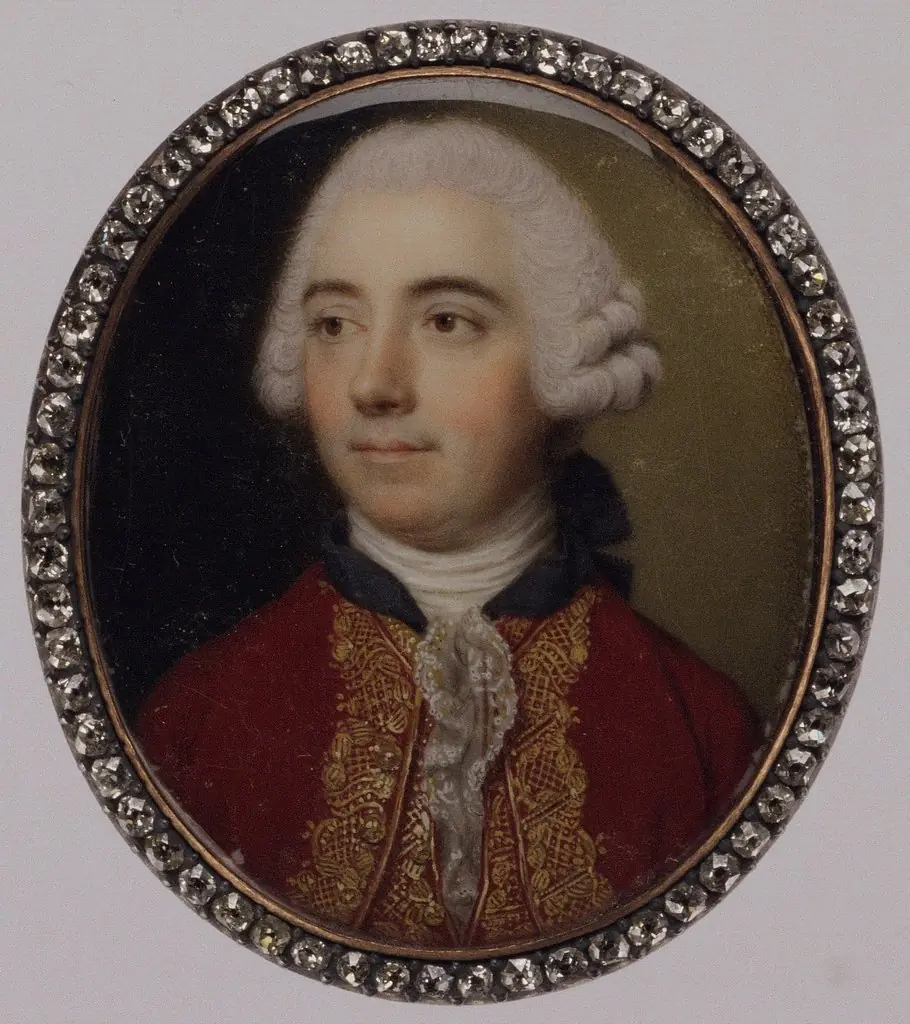
A man in a powdered wig and gold-embroidered blue coat looks straight at you. His lace collar is crisp, his cheeks softly pink.
This small portrait was likely painted on ivory—common for miniatures at the time. The gold thread on his coat is so fine you can almost count the stitches. The artist, John Smart, was still finding his style; later, his faces would look more sunburned.
To see how Smart’s work changed, look up other portraits from england, 18th century.
Overview
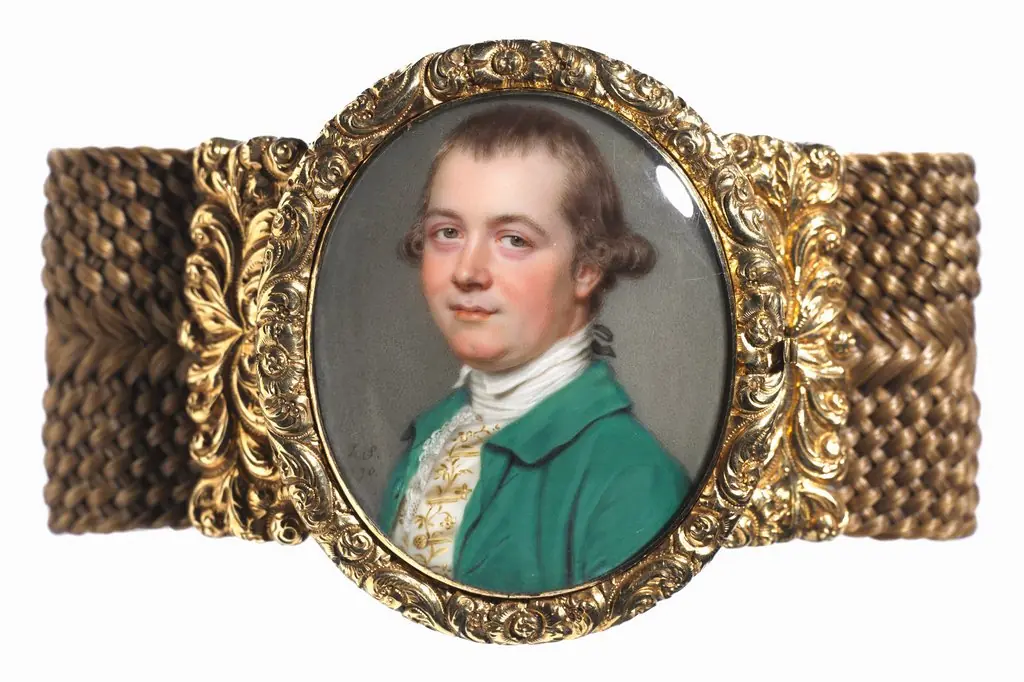
This small portrait, painted on ivory, is an early work by John Smart, likely completed around 1770. The sitter, possibly Sir Soulden Lawrence, is depicted in formal attire typical of the period: a light blue coat with intricate gold embroidery, a white lace collar, and a powdered wig. Housed in a period gold brooch frame, it was designed to be worn as personal jewelry, reflecting the intimate function of miniatures in eighteenth-century society.
Subject & Meaning
The identity of the sitter remains uncertain, though archival comparisons suggest a connection to Sir Soulden Lawrence, a legal figure of the time. His refined dress and composed gaze convey status and decorum, aligning with the values of the British elite. The inclusion of a family coat of arms on the reverse underscores lineage and social identity, common in portraits intended for private, personal display rather than public exhibition.
Technique & Style
Smart’s brushwork reveals meticulous attention to detail, particularly in the fine gold embroidery and the delicate rendering of the lace collar. The skin tones are subtly flushed, avoiding the heavier, ruddy hues that would characterize his later portraits. The use of ivory as a support allowed for luminous effects, while the miniature’s compact scale demanded precision—evident in the nearly thread-by-thread depiction of the coat’s ornamentation.
History & Provenance
The date 1770, though faint, is supported by stylistic parallels with Smart’s confirmed works from that year, including a portrait in the Cleveland Museum of Art. The elevated zero in the date matches another documented miniature, reinforcing its authenticity. Art historical analysis since the mid-twentieth century has consistently placed this work within Smart’s early period, before his palette and facial modeling became more pronounced.
Context
In the 1770s, elaborate male dress with gold embroidery and powdered wigs remained a marker of aristocratic fashion, though it was beginning to wane in favor of simpler, more restrained styles. Miniatures like this were often worn as brooches or pendants, serving as intimate tokens of identity or affection. Their portability made them ideal for personal keepsakes, especially among the upper classes who valued both art and social signaling.
Legacy
This portrait exemplifies the transition in British portraiture from ornate, decorative styles toward understated elegance. Smart’s early work here reveals his technical mastery before his signature style evolved. As a wearable object with heraldic symbolism, it also reflects broader cultural practices of the time, where art, identity, and personal memory were intertwined in small, portable forms.
Artist & collection
Artist
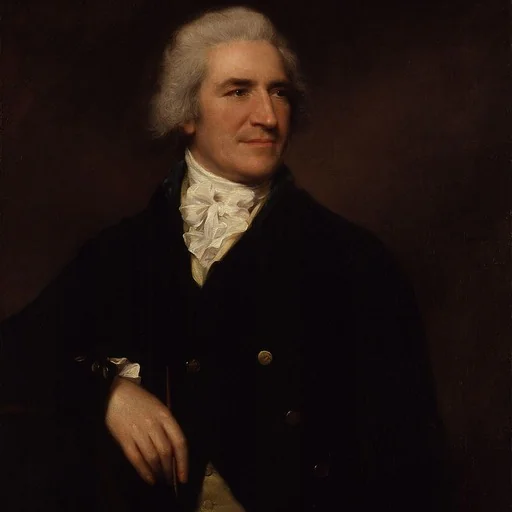
John Smart (1 May 1741 – 1 May 1811) was an English painter who specialised in portrait miniatures. He was a contemporary of Richard Cosway, George Engleheart, William Wood and Richard Crosse.